
Understanding what is a wig grip and why every wig wearer needs one

Discovering what is a wig grip and its role in everyday wig wear
If you've ever wondered what is a wig grip, you're not alone. This comprehensive guide explores the concept, functionality, types, installation techniques, maintenance tips, and practical advice for anyone who wears wigs—whether for fashion, performance, medical reasons, or convenience. Throughout this piece you'll find clear explanations, actionable steps, and answers to common concerns so you can make an informed selection and enjoy a secure, comfortable fit. The phrase what is a wig grip will appear naturally and strategically in headings and emphasis elements to maintain search engine optimization while keeping the content helpful and readable.
Definition: a simple, powerful solution
What is a wig grip in its most basic form? A wig grip is a narrow, soft band made from materials like velvet, silicone, foam, or elastic that rests around the perimeter of the head to prevent a wig from shifting. Unlike adhesive tapes or glues, a wig grip relies on friction and gentle compression to keep a wig cap or wig base stable. This means less irritation for the scalp, easier removal, and a reliable hold without harsh chemicals. In short, a wig grip is a non-invasive accessory that makes wig wearing more secure and comfortable.
Why wig grips matter
Many wig wearers report issues like slipping, itching, or uneven hairlines—especially during activity or in humid conditions. A quality wig grip addresses these problems by:
- Reducing slippage: The band creates friction between the wig cap and the head, reducing movement.
- Protecting edges: It minimizes tension on natural hair and delicate edges, making it ideal for those with fragile scalps.
- Eliminating or reducing adhesives: For people who prefer not to use glue or tape, a wig grip offers a reliable alternative.
- Improving comfort: Many grips are cushioned, reducing pressure and rubbing under the wig.
Common materials and styles
Understanding the materials that make up wig grips helps you match the product to your needs. Typical options include:
Velvet or fabric grips
Velvet-lined grips are soft and breathable, ideal for everyday wear and for sensitive skin. They often have an inner layer that increases friction without sticking to hair.
Silicone grips
Silicone grips offer high adhesion and are especially useful for very active wearers or heavy wigs. They can be slightly less comfortable over extended periods, so many users choose silicone only when extra hold is needed.
Elastic grips
Elastic bands provide stretch and a snug fit. They are lightweight and adjustable, though they may need occasional readjustment for long days.
Hybrid and padded grips
Some grips combine materials—silicone dots on fabric, or padded sections for extra comfort—creating a balance between hold and wearability.
How to choose the right grip
When selecting a wig grip, consider these factors:
- Head circumference: Measure your head to choose the appropriate band size so it sits comfortably without pinching.
- Wig type: A lace front may need a less bulky band to preserve natural hairlines; a full-cap wig may pair well with a thicker grip.
- Skin sensitivity: If you have sensitive skin or are undergoing treatment, opt for soft velvet or padded grips.
- Activity level: For sports or high-movement situations, silicone or hybrid grips often perform best.
- Climatic conditions: In hot weather choose breathable fabrics; in wet or humid environments, grips with silicone elements can provide extra security.
Step-by-step: how to use a wig grip
Follow these simple steps to install and use a wig grip effectively:
- Measure your head around the hairline and select the correct size grip.
- Position the band just inside your natural hairline, sitting flush against the forehead and around the circumference of the head.
- Adjust for comfort and ensure it isn't twisted; the seam should be smooth against the skin.
- Place your wig over the grip, aligning the wig's front hairline with your natural hairline.
- Secure any combs, clips, or adjustable straps on the wig cap as needed—many wig grips reduce the need for additional fasteners, but combs can add extra security.
Tips for different hair types and scenarios
Different situations call for subtle adjustments:
- Thin hair or no hair: A wider velvet or padded grip provides comfort and prevents slippage without stressing fragile follicles.
- Thick natural hair: Tuck or braid hair neatly beneath the wig cap; a firm silicone grip can keep heavy wigs in place.
- Sports and performance: Choose moisture-wicking fabrics with silicone backing or extra anchors.
- Sleep and rest: Some people prefer softer, breathable grips for sleeping; check manufacturer guidance before wearing a wig to bed.
Customization and DIY options
If you prefer bespoke solutions, you can modify or create a wig grip using elastic, velvet ribbon, and silicone strips. Simple DIY steps include:
- Measure desired length and sew elastic ends together using a small zigzag stitch for flexibility.
- Add a velvet ribbon around the elastic for comfort and friction.
- Attach thin silicone strips on the inner surface for extra hold in targeted areas.
DIY grips can be tailored to your head shape and specific wig styles, but always test comfort and breathability before prolonged use.
Maintenance: cleaning and longevity
To keep your wig grip functioning and hygienic:
- Hand wash fabric grips in cool water with gentle detergent and air dry away from direct sunlight.
- Wipe silicone grips clean with a damp cloth and a mild soap solution; avoid harsh chemicals that could break down the material.
- Inspect elastic for stretching and replace when it loses elasticity to avoid slipping.
- Store grips flat or rolled loosely in a cool, dry place to preserve shape.
Common problems and solutions
Even the best grips can encounter issues. Here are troubleshooting tips:
- Persistent slipping: Try a hybrid grip with silicone dots or adjust the fit to sit closer to the hairline.
- Discomfort or pressure points: Switch to a padded or wider velvet option; ensure the band isn't too tight.
- Odor buildup: Wash grips regularly and allow them to dry completely before reuse.
- Interference with wig hairline: Use a thinner, low-profile grip or a partial grip that doesn't extend over the front hairline.
Compatibility with adhesives and lace fronts
Some wig wearers combine grips with adhesives for extreme security. While a grip can reduce the need for glue, it can also work alongside tape for extended wear. If combining methods, keep these points in mind:
- Adhesives may interact differently with silicone-backed grips; clean surfaces and follow product instructions.
- When wearing a lace front, choose a low-profile grip or position the band slightly behind the lace to maintain a natural-looking hairline.
Benefits for medical hair loss and sensitive scalps
For individuals experiencing hair loss due to chemotherapy or alopecia, what is a wig grip becomes particularly important. Advantages include:
- Gentle hold without adhesives that may irritate sensitive skin.
- Comfort during long days when scalp sensitivity can be a major concern.
- Easy removal for scalp care and treatment applications.
Where to buy and what to expect in pricing
Wig grips are widely available online, in wig shops, and at specialty beauty suppliers. Prices vary based on material and brand:
- Basic velvet bands: budget-friendly and widely available.
- Silicone or hybrid grips: mid-range pricing with enhanced performance.
- Specialty custom grips: higher cost but tailored fit and materials for specific medical or performance needs.
Look for stores that offer clear sizing guides and return policies so you can try different options if the first choice isn't a perfect match.
Professional fitting and alterations
If you're investing in a high-quality wig, a professional fitting can align your wig, wig cap, and wig grip for optimum comfort and realism. Stylists can:
- Trim the wig hairline to match your own.
- Adjust grip placement and tension.
- Recommend specific grip types based on daily routine and skin sensitivity.
Environmental and ethical considerations
Some wig grip manufacturers prioritize sustainable materials and cruelty-free production. If these values matter to you, seek brands that disclose material sources and manufacturing practices. Reusable, long-lasting grips are also a more sustainable choice than disposable adhesives.
Real-world examples and scenarios
To illustrate practical uses, consider these common situations:
- Daily wear:
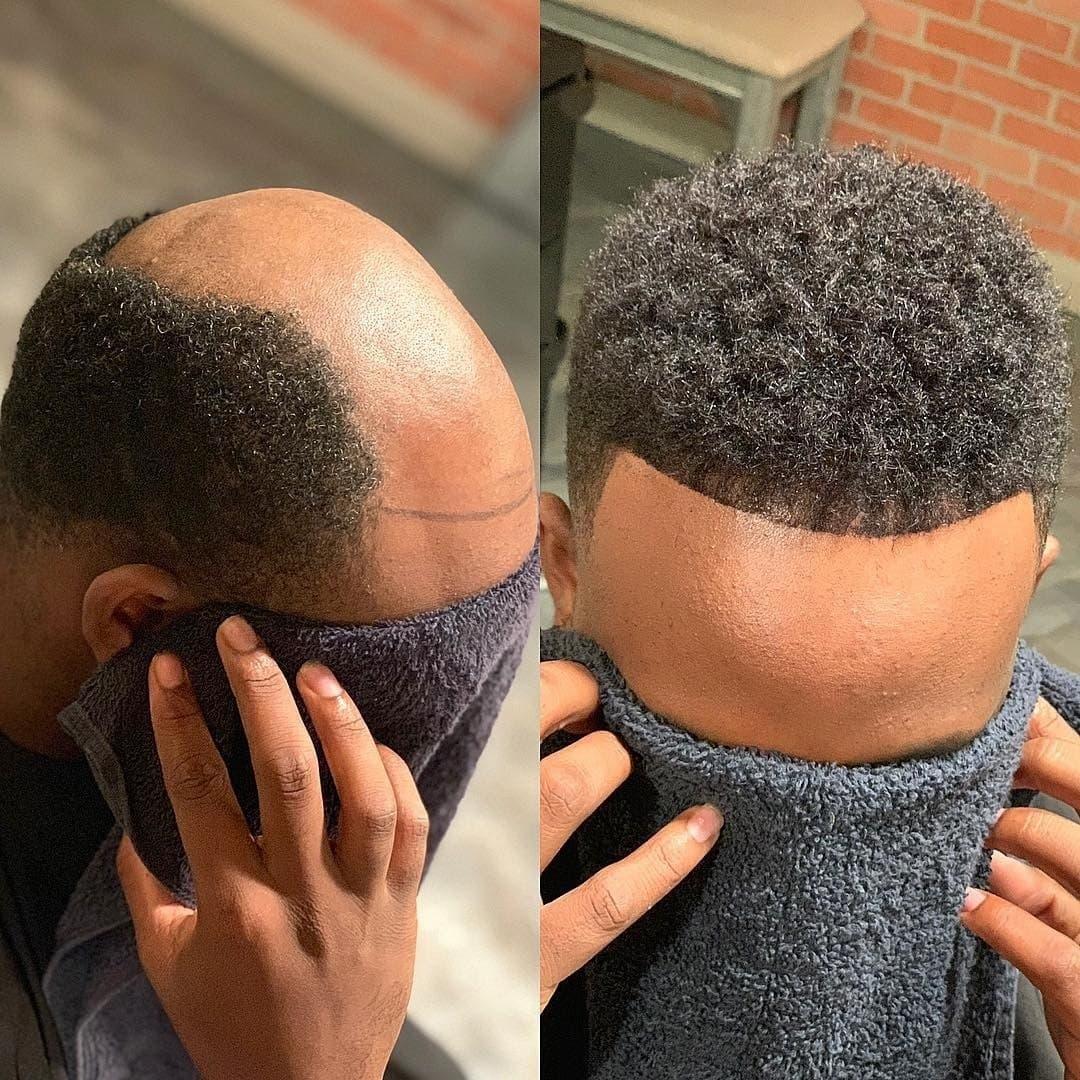 Soft velvet grips for office or casual outings provide comfort and moderate hold.
 - Active lifestyles: Hybrid silicone grips for workout classes, running, or dance ensure stability.
- Stage performance: Layered security using a snug grip plus discreet combs offers the confidence performers need.
- Medical use: Padded or low-profile grips that reduce friction and protect sensitive scalp areas.
Product care checklist
Keep this quick checklist handy:
- Measure and choose the correct size.
- Clean grips regularly and follow care instructions.
- Rotate multiple grips to extend their lifespan.
- Replace stretchy or brittle grips immediately.
Key takeaways
What is a wig grip? It's a modest, effective, and often overlooked accessory that greatly improves wig security and comfort. Whether you want to avoid adhesives, protect your edges, or simply feel more confident in your wig, a well-chosen wig grip is a worthwhile investment. The right product depends on your head size, wig type, activity level, and skin sensitivity, but an informed choice leads to better daily comfort and a more natural appearance.
Note: For medical conditions always consult your healthcare provider for personalized advice about headwear.
FAQ
- Q: Does using a wig grip damage natural hair?
A: When used properly a wig grip should not damage hair. Choose a soft fabric or padded grip and avoid overly tight bands. If you have fragile hair, consult with a professional for gentle options.
- Q: Can I wear a wig grip all day?
A: Yes—many people wear wig grips daily. If you experience pressure or irritation, opt for a wider padded band and ensure correct sizing to alleviate discomfort.
- Q: How often should I replace my wig grip?
A: Replace elastic or worn grips when they lose tension. Fabric and silicone grips can last longer with proper care; expect to evaluate condition every 6-12 months depending on frequency of use.
Final note: This guide is intended to help you understand what is a wig grip and how to choose, use, and maintain one effectively so you can enjoy secure, comfortable wig wear in any situation.
Related products
Blog
- how to curl human hair wig 5 easy at-home methods for soft natural curls that last
- Practical style guide and cultural notes on when will you wear wigs meaning for modern wearers
- When did powdered wigs go out of fashion and why they fell from favor in the 18th and 19th centuries
- what is 180 density wig explained and how to choose, style and maintain 180 density wigs
- how to style cheap synthetic wig - 12 easy salon tricks for natural looking results
- Essential step-by-step tips on how to wash wigs human hair and revive natural shine for longer wear
- how much is a lace wig install and realistic price ranges for salon and DIY options
- why is laguerta wearing a wig revealed — surprising reasons behind the character's look and the show's styling choices