
what is 180 density wig explained and how to choose, style and maintain 180 density wigs

Understanding the concept: what is 180 density wig and why it matters
If you've ever shopped for lace wigs, frontal wigs, or custom units, you've likely encountered the phrase what is 180 density wig and wondered how density influences appearance, styling options, longevity and cost. Density describes how much hair is ventilated into the cap per square inch; in practical terms, density determines fullness. A 180 density wig sits in the middle-to-high fullness range — it is fuller than common everyday densities like 120 or 130 but not as dense as dramatic or fashion-forward densities like 220 or 250. This balance gives natural yet voluminous results that suit many styling goals, from soft layers to bold curls.
Quick overview: density categories and visual cues
To appreciate why someone might ask what is 180 density wig, it helps to compare density ranges: 100–130 = light, natural; 130–150 = medium, everyday; 150–180 = medium-full to full; 180 = full with flexibility; 200+ = very full/very thick. A 180 density wig usually creates a visibly full silhouette without appearing unnaturally heavy near the hairline or part when properly customized. Brands sometimes label density differently, so always verify with photos and vendor density charts rather than assuming uniform standards.
How density is measured and why "180" is not a universal metric
Density is often measured subjectively by wig makers; some factories use a baseline standard where 100% equals a light feel and 180% equals a fuller base amount of hair per square inch. Because interfaces vary—lace quality, cap size, and hair texture all influence perceived fullness—knowing what is 180 density wig means understanding both the numeric label and how that density looks on your head size and face shape. For example, the same 180 density unit on a small cap may appear fuller than on a large cap. Texture matters too: kinky curly textures look thicker than straight hair with the same density number.
Choosing a 180 density wig: who should consider it?
People choose 180 density wigs for a mix of natural fullness and styling liberty. If you like volume without extreme weight, want to create bouncy curls, or plan large blowouts and long layered looks, a 180 density choice is ideal. It also suits wearers who want to blend frontal or closure parts with their natural hairline while still achieving a prominent part and body. Consider a 180 density wig when you want:
- Lifted styles like voluminous blowouts or loose spirals
- Layered cuts that still retain visual bulk
- A full look without added bulky bulk near the hairline
Factors to consider when deciding
Cap size and fit, lace type (HD lace, Swiss lace), base construction (glueless, glue down, 360 lace), and the hair's natural texture should inform whether to pick 180 density. If you're unsure about what is 180 density wig in relation to your preferences, ask for photos of the exact unit on a model with similar head size and face shape, or consult a stylist who can recommend whether to go slightly lower (150–160) or higher (200+) based on your preferred finish.
Styling tips specific to 180 density wigs
A 180 density wig is versatile; you can create everything from sleek, straight silhouettes to voluminous updos. Below are actionable styling tips for different textures and desired outcomes:
- Straight finishes: Use a heat protectant and a flat iron with adjustable temperature. Because a 180 density wig has substantial hair, use smaller sections to achieve superior shine and reduce frizz. A light serum or shine spray will help maintain luster without weighing the hair down.
- Wavy and curly looks: For waves and curls, invest in a diffuser and a curl-enhancing mousse. Apply products to damp hair and let curls air dry or use a low-heat setting. The added bulk of 180 density is ideal for holding shape and providing bounce.
- Updos and ponytails: A full 180 density wig can create thick-looking ponytails and chignons. Use styling gels and smoothing brushes to sculpt edges and conceal the cap. For secure long wear, consider a reinforced elastic band within the cap to support heavier styles.
- Layering and cutting: If you want a natural appearance, have your wig professionally thinned or layered. Texturizing shears work well to remove excess weight without sacrificing volume. Many stylists recommend soft, graduated layers to complement the fullness of a 180 density wig.
Customization: making a 180 density wig look uniquely yours
Customization improves realism. When someone asks what is 180 density wig in terms of wearability, customization answers often include bleaching knots, tinting lace, plucking the part, and creating baby hair. Bleaching knots lowers visibility of knots but requires skill to avoid weakening the hair. Tinting lace helps the cap match your scalp tone. For a 180 density wig, pluck lightly—too much plucking on an already full unit can create thin spots. Instead, shape the part and add subtle baby hairs to frame your face.
Choosing the right base and lace for support
Pair a 180 density wig with the appropriate lace base to achieve durability and comfort. Options include full lace, lace front, 360 lace, and machine-tied caps. Full-lace or 360 lace gives the most natural parting and is excellent for updos, but can be more delicate and expensive. Lace front wigs are a great compromise: you gain a natural front hairline while retaining structure and often a lower price. If your priority is longevity and secure wear for heavier styles, consider caps with reinforced stitching or an inner adjustable band. Always ask sellers detailed questions about cap construction and where the density is concentrated.
Maintenance and care routines for longevity
Understanding maintenance is crucial when investing in fuller wigs. The question what is 180 density wig is incomplete without discussing maintenance, since care affects appearance more than density alone. Key maintenance strategies include proper washing, conditioning, detangling and storage.
Washing guidelines
Use sulfate-free, moisturizing shampoos that won't strip the hair. Wash gently and avoid aggressive rubbing at the roots to prevent shedding. For a 180 density wig, you may need to wash less frequently than lighter wigs because it holds style and shape longer, but when you do wash, follow with a rich conditioner and a leave-in detangler. Use lukewarm water and rinse thoroughly.
Conditioning and hydration
Apply deep conditioning treatments periodically, especially for heat-styled units. Lightweight oils (argan or jojoba) applied sparingly to the mids and ends keep the hair supple without weighing down the density. Avoid applying heavy oils at the roots or cap area to reduce matting.
Brushing and detangling
Use wide-tooth combs or detangling brushes. Start at the ends and work upward to prevent breakage. For curly or coily 180 density hair, detangle while damp and coated with conditioner. Store the wig on a mannequin head or a silk/satin bag when not in use to preserve shape and reduce friction.
Styling tools and heat practices
When heat-styling a 180 density wig, always use a heat protectant and keep temperatures appropriate for hair type. Human hair can generally handle higher temperatures than synthetic, but repeated high heat reduces lifespan. For curly textures, use steam-based methods or lower temperate curling tools and allow cool-down time to set the style. If you need to frequently change styles, consider keeping two wigs: one as a daily wear and another for special styling to extend both units' longevity.
Coloring, highlighting and chemical treatments
A 180 density wig can be colored, but bleaching and chemical treatments carry risk. Lightening a full-density unit requires more processing material and careful timing to maintain hair integrity. If you plan color changes, consult a professional colorist experienced with wig hair. Semi-permanent dyes and glosses are gentler. Note that dyeing darker hair to platinum may require intensive bleaching, which can reduce lifespan. Also, mineral buildup and chlorine contact can affect color and texture; rinse after swimming and use clarifying treatments occasionally.
Storage, transport and travel tips
To protect a 180 density wig during travel, braid the hair loosely or pin it on a mannequin head and store in a structured box or wig case. Use a satin or silk scarf to minimize friction if storing in a bag. For long-term storage, place on a stand with a breathable cover to avoid dust accumulation and to preserve the cap shape. Avoid direct sunlight to prevent color fading.
Common mistakes to avoid
- Assuming a higher density number always equals better: sometimes lower density is more natural and comfortable.
- Over-plucking a 180 density wig: too much thinning can create unnatural spots.
- Using heavy products at the roots which lead to matting and buildup.
- Skipping regular conditioning treatments — fuller wigs need moisture to maintain bounce and shine.
How long does a 180 density wig last?
Lifespan depends on hair quality (virgin vs processed), care routine, and frequency of wear. With careful maintenance, a high-quality human-hair 180 density wig can last 6 months to over a year with daily wear, and much longer with occasional wear. Synthetic wigs can maintain style longer but are less heat-tolerant and usually have a shorter lifespan. Inspect the cap, lace integrity, and shedding level periodically to gauge when a refresh or replacement is necessary.
Budget considerations and value
180 density wigs are often priced higher than medium-density units because more hair is used. However, the perceived value is high: fuller looks reduce the need for additional extensions or volumizing products. When budgeting, factor in professional customization, adhesive supplies, and recommended care products. If you want a look that balances natural realism and volume without an exorbitant price tag, a 180 density wig can be a smart investment.
Buying tips and what to ask sellers
When purchasing online, request close-up photos of the lace, part, and hairline, and ask about: exact density measurement standard, cap construction, hair origin (e.g., Indian, Brazilian, Malaysian), whether hair is virgin or processed, return policy, and recommended care products. If possible, buy from sellers who provide model photos of the exact unit and can share installation videos. These details clarify expectations and answer real-world concerns about what is 180 density wig and whether it suits your goals.
Professional vs DIY customization
While many enthusiasts successfully customize at home, heavy modifications like bleaching knots or significant re-styling are best left to professionals to avoid irreversible damage. For light plucking, tinting lace, and trimming baby hair, follow step-by-step tutorials or have a stylist perform the work. A skilled stylist can also thin or reshape a 180 density wig to fit specific face shapes without losing the fullness you sought initially.
Blending a 180 density wig with your natural hair
For partial lace options like lace front or 360 wigs, blending techniques matter. Secure the wig properly, blend with edges and natural hair using light gels and concealers for the part, and choose complementary textures if leaving hair out. For sew-in installs, your own hair’s flatness matters; flatter natural hair makes it easier to conceal the cap under a full-density wig.
Environmental and lifestyle considerations
Active lifestyles may require additional maintenance steps. If you swim often, rinse and deep-condition after exposure to chlorine or saltwater. For humid climates, use anti-frizz serums and humidity-resistant styling sprays. Pet owners should be vigilant about shedding and storage to avoid fur entanglement in fuller units.
Checklist before purchasing a 180 density wig
- Confirm density standard and request close-up photos.
- Decide on lace type and cap construction.
- Choose hair origin and processing level.
- Plan for professional customization if you want a natural hairline or bleached knots.
- Stock up on recommended care products and tools.
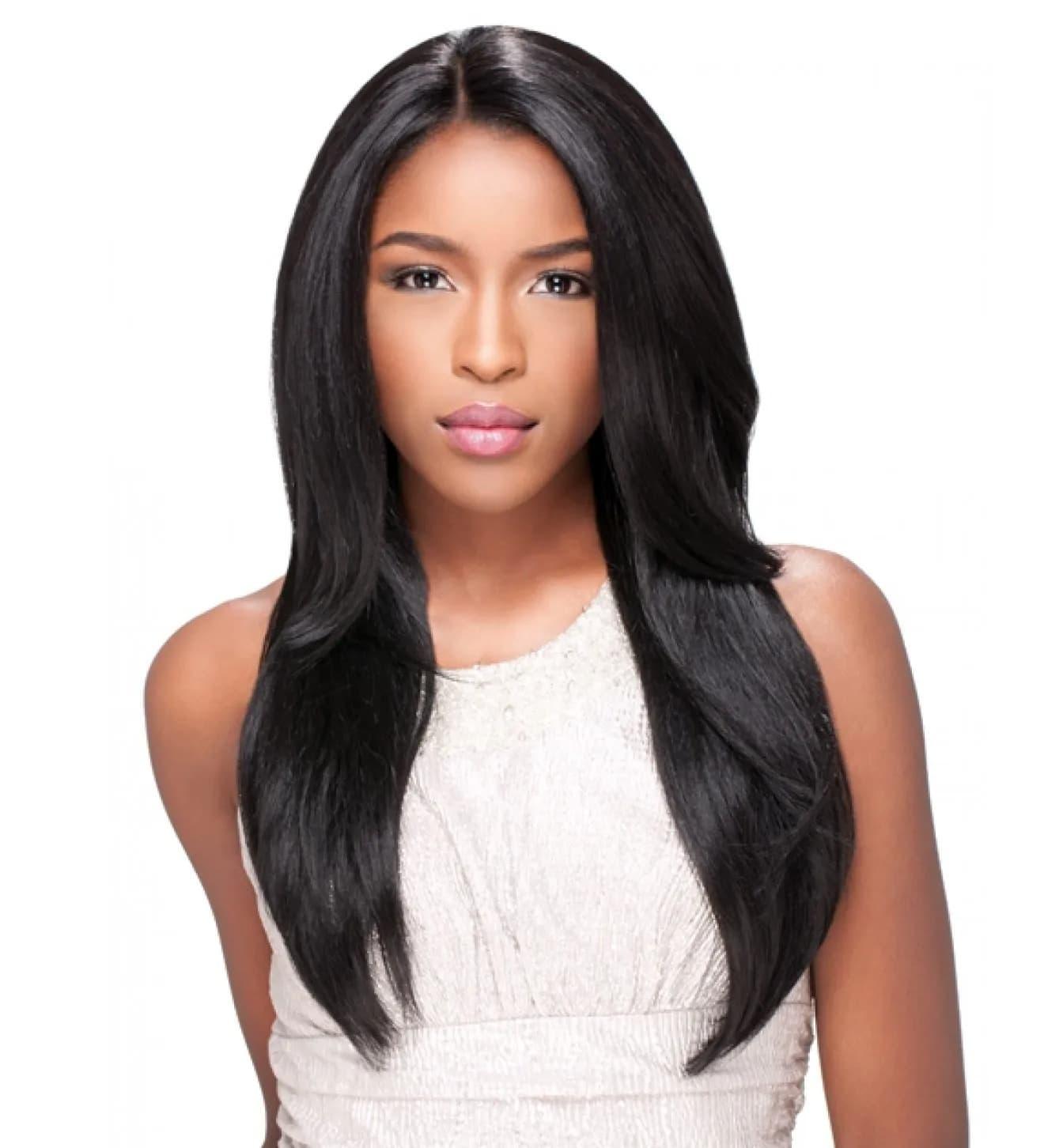
How to maintain the full, healthy appearance of a 180 density wig over time
In summary, keep the unit clean and conditioned, avoid excessive heat, detangle gently, store properly, and re-style sparingly when possible. Use satin accessories to reduce friction, and rotate between units if you wear wigs daily. Remember that the number "180" answers part of the question — what is 180 density wig — but longevity and appearance depend heavily on cap quality, hair origin, and how you treat the unit.
Final thoughts on choosing the right density
Deciding whether a 180 density wig is right for you depends on your aesthetic goals, maintenance willingness, and budget. If you want a lush, wearable fullness that still reads as realistic with proper customization, 180 density frequently hits the sweet spot. Always confirm vendor standards and request images to ensure the density translates as expected in real life.
Additional resources and keywords to explore
For deeper research, search related terms like "full lace 180 density," "lace front 180 densitY styling," "how to thin a 180 density wig," and "best maintenance for 180 density human hair wig." Use these phrases when querying sellers, stylist communities, and instructional videos to get targeted advice that fits your unique needs.
Whether you're new to wigs or looking to upgrade, understanding the nuance behind density labels removes guesswork and helps you choose a unit that meets both daily comfort and style aspirations. The phrase what is 180 density wig is best explored alongside questions about cap design, hair quality, and long-term care—those combined considerations determine how satisfying the final look will be.
FAQ
A: 180 offers more fullness than 150 but is less dense than 200; it provides a balance of volume and manageability.
Q: Can I thin a 180 density wig for a more natural look?
A: Yes—light layering or professional texturizing can maintain fullness while reducing bulk where needed.
Q: Is a 180 density wig heavy?
A: It can feel slightly heavier than medium-density options, so ensure your cap has good support and consider adjustable bands or an inner elastic for comfort.
Related products
Blog
- how to make a cheap wig look good with 10 budget-friendly styling tricks for a natural finish
- Surprising answer to who wears wigs on the young and the restless plus styling secrets
- how wash wig - 7 Simple Steps to Clean, Condition and Revive Your Wigs
- where does human hair come from for wigs A practical guide to origins, ethical sourcing, and choosing quality hair
- Ultimate Powdered Wig Buying and Care Guide for Reenactors Theatre and Historical Costume Enthusiasts
- Human hair wigs guide — human hair and wigs tips for achieving natural hair and flawless style
- does billy crystal wear a wig Revealed by Photos and Experts Unpacking the Actor's Hair History
- when did men stop wearing wigs and how the fall of the peruke reshaped men's fashion