
where does human hair come from for wigs A practical guide to origins, ethical sourcing, and choosing quality hair

where does human hair come from for wigs — a clear view of origins and responsible buying
If you have ever wondered where does human hair come from for wigs and how to choose hair that is both beautiful and ethically sourced, this comprehensive guide will walk you through origins, collection methods, quality markers, certifications, and practical tips for selecting and caring for real human hair. The question of where does human hair come from for wigs is more than curiosity: it shapes consumer choices, industry standards, and ethical expectations. In this guide we explore global sources, donor contexts, processing steps, and what to look for when evaluating a vendor’s claim about origin and quality.
Why the question of origin matters
Knowing where does human hair come from for wigs helps buyers assess authenticity, ethics, and expected longevity. Hair origin influences texture, cuticle alignment, natural coloration, and the types of processing required. It also affects the social impact on donor communities and whether hair was collected under informed consent. Buyers who ask about origins can better avoid unethical supply chains and pick hair that matches styling goals.
Common donor regions and their characteristics
- India: A major global source. Much of the hair collected in India is temple hair donated voluntarily in religious contexts, often resulting in high volumes of long, untreated hair. Indian hair typically has a fine to medium shaft and takes color well.
- China: Another large supplier. Chinese hair can be processed into various textures and is widely used in bulk manufacturing. Characteristics can include thicker strands and a straight natural pattern, though processing can create diverse textures.
- Europe (Eastern and Western): European hair is prized for its fine, silky texture and natural highlights. It tends to command higher prices when sold as single-donor or virgin hair.
- Southeast Asia: Regions such as Vietnam, Cambodia, and Indonesia have become known for supplying long, durable hair that may hold curls and styles particularly well.
- Mixed-origin or remy blends: Some suppliers combine hair from multiple countries to achieve consistent supply and texture—this affects traceability but can offer stable product characteristics.
How hair is collected — methods and implications
The way hair is collected influences both ethics and quality. There are several collection pathways:
- Donations at temples or religious sites: In certain cultures, hair is offered as part of a ritual. When sold legitimately through intermediaries, this hair can be ethically sourced if donors consent and are aware of the practice. Transparency about proceeds and community benefit is important.
- Salon collections and hair drives: Organized programs where people donate hair for wigs or to be sold to suppliers. These can be ethical if donors sign informed consent and understand how hair will be used.
- Individual sellers: People selling hair directly for income. This is a common and often fair practice but requires verification of single-donor status if that’s claimed.
- Commercial purchasing from intermediaries: Suppliers may buy hair in bulk from a network of collectors. This is efficient but can reduce traceability—buyers should ask for chain-of-custody information.
Virgin, remy, and processed hair — what these terms mean
Virgin hair is hair collected from a single donor that has not been chemically processed—no coloring, bleaching, or perming. Cuticles are intact and aligned in the same direction, which reduces tangling and increases longevity. Remy hair refers to hair whose cuticles are preserved and aligned in one direction; remy can be from one donor or a careful blend of donors. Processed or non-remy hair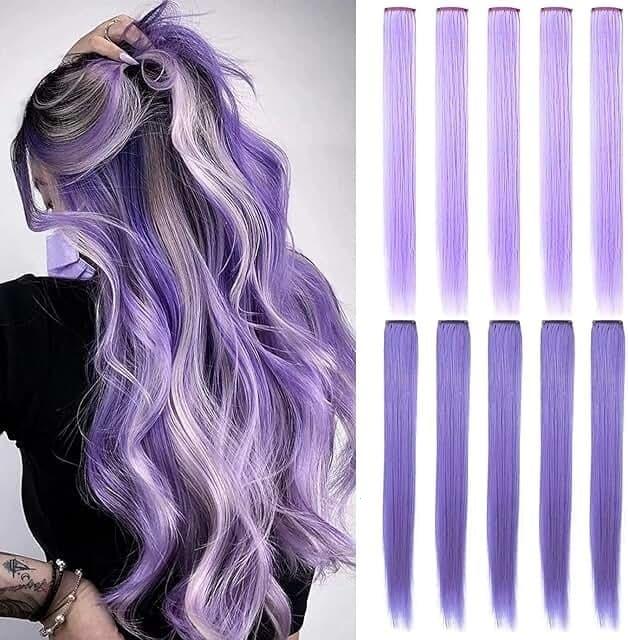 may have cuticles stripped or misaligned during chemical treatments, often leading to tangling and shorter lifespan. When you investigate where does human hair come from for wigs, asking if hair is virgin or remy is essential to understand expected performance.
Supply chain transparency and traceability
Traceability answers the “where” and “how” of hair sourcing. Reputable brands will provide documentation that may include: origin country, collection method, donor consent statements, and whether the hair came from a single donor or was blended. Companies emphasizing traceability often supply photos of raw bundles, chain-of-custody records, and clear labeling (e.g., single-donor European virgin hair vs. blended remy from multiple countries). Asking targeted questions helps: Where did this batch originate? Was it collected through donations or purchases? Has it been chemically processed?
Ethical sourcing: what to look for
Ethical sourcing extends beyond legality to respect for donors and communities. Indicators of ethical practices include:
- Informed consent or documented donation practices.
- Fair compensation when hair is purchased from individuals.
- Community reinvestment or transparency about proceeds from temple hair sales.
- Supplier audits, third-party certifications, or verifiable corporate social responsibility reports.
- Clear statements on whether hair is collected from vulnerable populations and what protections are in place.
Avoid suppliers who refuse to disclose basic origin details or who provide inconsistent answers about single-donor status and processing.
Quality signals — how to judge the hair before buying
When deciding which piece to buy, inspect or request detail about these factors:
- Cuticle alignment: Intact, well-aligned cuticles indicate remy or virgin hair and predict better longevity.
- Length consistency: Uniform lengths in a bundle suggest single-donor origins; wide variation often indicates mixed sources.
- Natural luster and elasticity: Healthy hair maintains elasticity and a natural sheen when properly washed and conditioned.
- Shedding and tangling tests: Ask for a small strand test or a close-up video—minimal shedding and easy detangling are positive signs.
- Processing history: Minimal chemical processing preserves strength; ask whether hair has been bleached, dyed, or chemically relaxed.
Price vs. value
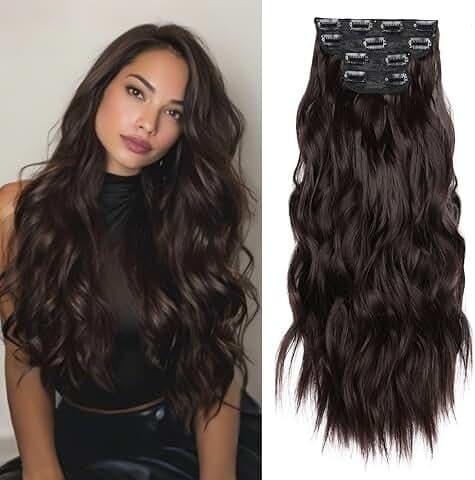
High prices often reflect scarcity (e.g., long, unprocessed European virgin hair), single-donor sourcing, or ethical supply chain investments. Very low prices may indicate heavy processing, mixed low-quality sources, or unethical practices. Thus, where does human hair come from for wigs is tied directly to value assessment: cheap hair may perform poorly and raise ethical concerns, while higher-priced hair often delivers better aesthetics and durability.
Certifications and documentation to trust
While no single global certificate governs human hair, look for credible documentation such as supplier audits, ISO-aligned processes, or third-party social compliance reports. Some retailers provide DNA-style authentication or lab tests showing minimal chemical residues. Transparency statements that outline donor consent and payment mechanisms are also strong indicators of trustworthy sourcing.
How to choose the right hair for your needs
Selection involves matching technical characteristics and personal goals:
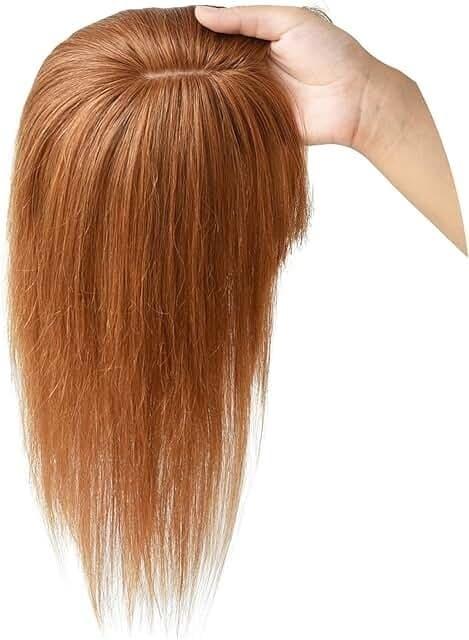
- For longevity and daily wear: choose virgin remy hair with verified traceability.
- For natural texture matching: select hair from donor regions whose natural pattern aligns with your own (e.g., Southeast Asian for thicker straight hair; Indian for fine, wavy textures).
- For styling versatility: unprocessed hair accepts coloring and heat-styling more predictably than heavily processed hair, but proceed with caution.
- For budget-friendly options: look for responsibly blended remy hair with disclosed processing steps and realistic lifespan expectations.
Red flags sellers and buyers should avoid
When investigating where does human hair come from for wigs, be wary of vendors who:
- Refuse to disclose origin, processing methods, or single-donor claims.
- Offer “virgin” or “single-donor” labels without photos, batch IDs, or proof of collection method.
- Promote implausibly low prices for supposedly premium single-donor hair.
- Provide inconsistent answers about cuticle alignment or chemical treatments.
Practical tips for buyers
To make informed purchases:
- Request close-up photos or videos of raw bundles, wefts, and cut ends.
- Ask for a sample or a small strand to test washing, coloring, and heat-styling reactions.
- Seek vendors who publish sourcing policies and chain-of-custody details.
- Check reviews focused on long-term wear rather than only initial appearance.
- When possible, favor vendors engaged in community benefit or fair trade practices regarding hair purchases.
Care and maintenance to extend lifespan
Proper care matters regardless of origin. Use sulfate-free shampoos, deep conditioners, minimal heat styling, and gentle detangling from ends to roots. Store bundles in breathable packaging and avoid excessive chemical services unless you know the hair is virgin and resilient.
Final checklist before you buy
Ask these direct questions: Where did this hair come from? Is it single-donor or blended? Has it been chemically processed? Can you provide photos or documentation of raw bundles? Do you have testimonials focusing on long-term wear? Clear answers to these questions will help you determine whether a hair purchase fits both your aesthetic goals and your ethical standards.
Responsible consumer mindset
Asking where does human hair come from for wigs is more than technical due diligence; it signals commitment to responsible consumption. Prioritizing transparency encourages better industry practices, improved livelihoods for donors, and higher-quality products for consumers. When brands disclose sourcing and processing honestly, buyers can make choices that align with both beauty goals and ethical values.
Quick summary
To recap: hair origin shapes texture and durability; collection methods impact ethics and traceability; virgin and remy labels matter for longevity; transparency and certifications help verify claims; and proper care will maximize lifespan. Use targeted questions and test samples to verify claims and avoid red flags.
FAQ
- Q: Can temple-donated hair be ethical?
- A: Yes, if donors understand the practice and intermediaries provide transparency about how hair is sold and how proceeds are used. Ethical vendors will document consent and community benefits.
- Q: Is more expensive hair always better?
- A: Not necessarily, but higher price often reflects single-donor sourcing, minimal processing, or higher-quality origin regions. Balance price with documented proof of origin and processing.
- Q: How can I verify a single-donor claim?
- A: Request batch photos, cut-end close-ups, or vendor certification. Single-donor bundles usually show consistent length and texture with intact cuticles aligned in one direction.
Related products
Blog
- Short Wigs Trends and Care Tips to Find the Perfect Style This Season
- How to Secure a Wig - 12 Proven Techniques for a Natural All-Day Hold
- Unpacking what does wigging mean in modern slang and online conversations
- how to straighten a cheap wig safely at home fast using affordable heat tools for silky results
- where is the wig fairy located A local guide to the Wig Fairy shop, hours, directions and insider tips
- why did the menendez brother have a wig explained by trial photos medical notes and expert analysis
- How to Wear a Lace Front Wig Step-by-Step for Beginners and Pros with a Natural Hairline
- Where can i buy wigs near me — best local shops, price comparisons, honest reviews and quick styling guide