
Ultimate Wig Hat Style Guide for Beginners and Experts Alike
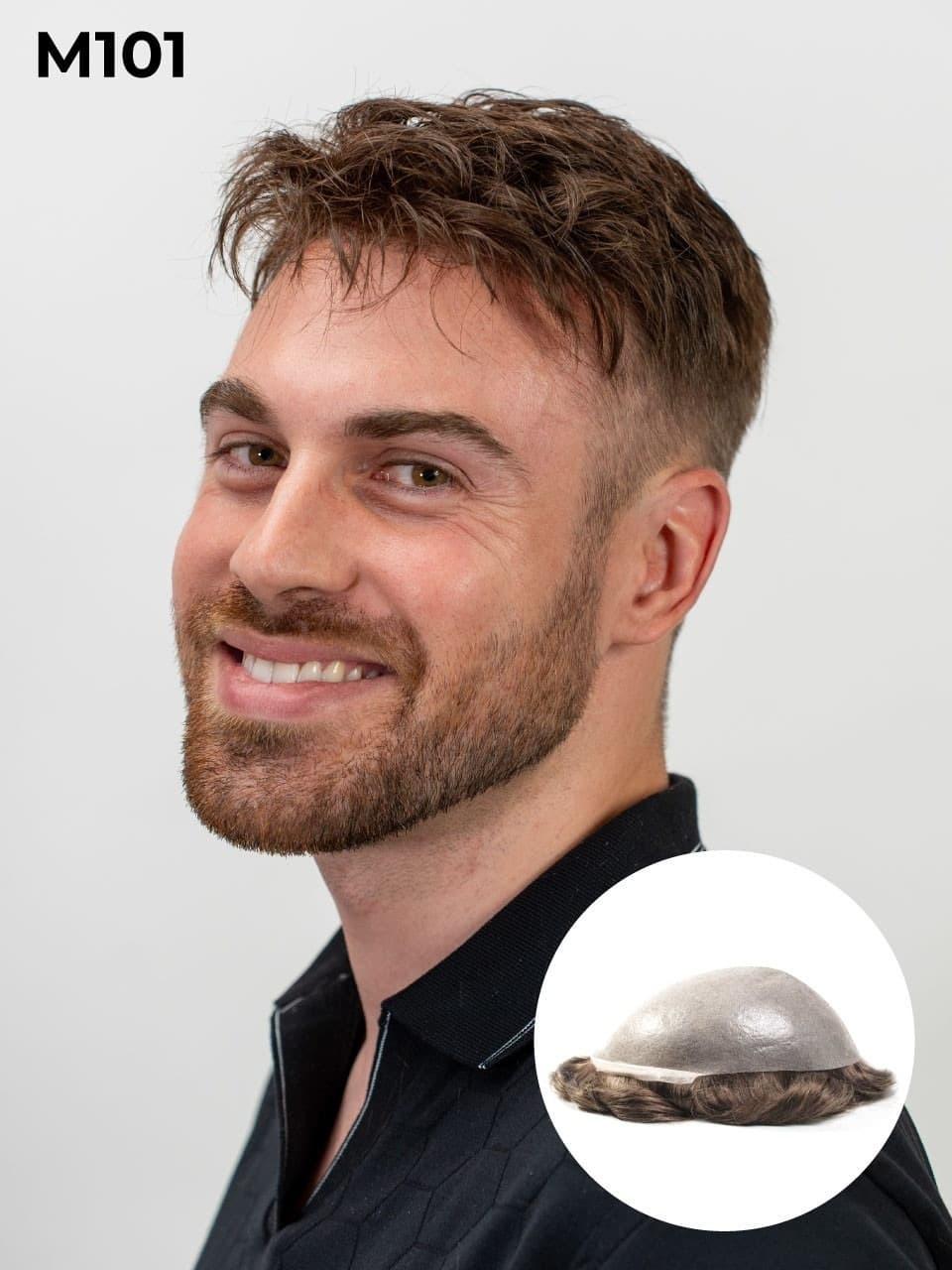
Wearing Confidence: A Practical Handbook for Choosing and Styling a wig hat
Whether you are new to headwear or a seasoned stylist, the concept of a wig hat blends convenience with creativity. This guide explores everything from basic selection and fit to advanced styling techniques and care routines that keep your wig hat looking fresh for seasons. Expect actionable tips, product features, and style ideas that make choosing and maintaining a wig hat straightforward and enjoyable.
Why a wig hat Deserves a Place in Your Wardrobe
A wig hat is not just an accessory; it is a multi-functional solution for comfort, confidence, and quick style changes. Combining the warmth and shape of a hat with the transformative effect of a wig, the wig hat reduces daily styling time, protects natural hair, and offers instant style versatility. For travel, recovery, or busy mornings, a wig hat is an efficient go-to.
Practical Benefits
- Speed: Slip on a wig hat and you are ready—no extra styling needed.
- Protection: Materials and linings often protect natural hair and sensitive scalps.
- Warmth and style: Perfect for transitional weather and fashionable functions.
- Discretion: For those seeking discreet coverage, a wig hat offers a natural, integrated appearance.
How to Choose the Right wig hat: Materials and Construction
Choosing an ideal wig hat starts with understanding materials. Common options include cotton blends, synthetic blends, wool, and specialized breathable fabrics. For climates that are warm or humid, look for moisture-wicking linings and ventilation. If you desire a luxe look or realistic hair texture, high-quality synthetic fibers or human-hair attachments will enhance the appearance of your wig hat. Construction-wise, examine the inner cap, stitching, and any adjustable features—these determine how well the wig hat conforms to your head shape.
Key construction features to inspect
- Cap size adjusters and elastics for a snug fit.
- Soft linings to prevent irritation and slippage.
- Secure attachment points for optional hair clips or combs.
- Seam placement that avoids pressure points.

Sizing and Fit: Avoiding Common Mistakes with Your wig hat
Getting the sizing right is vital. Many people make the mistake of assuming one-size-fits-all. Measure the circumference of your head across the forehead and around the nape to match manufacturer sizing charts. When trying a new wig hat, move your head gently—shake lightly, bend over; the piece should stay in place without feeling restrictive. If you experience sliding, invest in silicone strips, hat pins, or a thin wig cap as anti-slip solutions that also improve comfort.
Style Types: From Casual to Glamorous wig hat Looks
There are numerous style types to explore, each suited to different occasions:
- Everyday caps: Simple, breathable, perfect for running errands or casual outings.
- Fashion-forward beanies: Often with visible texture and styled hairlines for a statement look.
- Event-ready designs: Structured shapes and luxe fibers for formal settings.
- Convertible wig hats: Modular designs that allow detachable bangs or longer panels for varied looks.
Styling tips for different face shapes
Round faces benefit from height and vertical detail; oval faces are versatile; square faces soften with sweeping bangs; heart-shaped faces look great with side-parted silhouettes. Incorporating these principles when selecting a wig hat helps create flattering proportions.
Maintenance and Care: Extending the Life of Your wig hat
To keep a wig hat looking its best, follow a tailored care routine. For synthetic fibers, use gentle, wig-approved shampoos and avoid heat unless the product is heat-resistant. For human-hair components, regular conditioning and occasional professional styling will maintain texture and shine. Always air dry on a form or flat surface, reshape while damp, and store on a padded stand to retain the hat’s silhouette.
Pro tip: Rotate between two or three wig hat styles to reduce wear and lengthen lifespan.
DIY Customization: Make Any wig hat Uniquely Yours
Customizing a wig hat is a creative way to ensure a perfect fit and signature style. Popular modifications include: adding clip-in bangs, sewing in soft combs, trimming edges for a flush hairline, or dyeing removable fiber panels for seasonal color changes. For those comfortable with basic sewing, replacing the lining with breathable mesh can drastically improve comfort.
Shopping Guide: What to Look for When Buying a wig hat
When shopping online or in stores for a wig hat, look for detailed product descriptions, customer photos, and honest reviews. Check return policies and size charts carefully. Retailers that provide 360-degree views and videos of models wearing multiple head shapes deliver better expectations. If possible, order sample swatches or buy from sellers offering trial periods to ensure comfort and style compatibility.
Checklist before purchase
- Clear sizing information and adjustable sizing options.
- Material and care instructions compatible with your lifestyle.
- Return policy and customer support availability.
- High-quality images showing different angles and lighting.
Seasonal Considerations: Adapting Your wig hat to Weather
Seasonal planning can preserve your wig hat and ensure comfort. In summer, choose lightweight, breathable fabrics and lighter colors to reflect heat. For winter, insulated linings and wool-blend exteriors provide warmth. Consider moisture-wicking inner caps for humid climates and waterproof finishes for damp weather to maintain shape and longevity.
Quick Daily Routines for Busy Mornings with a wig hat
Busy schedules call for short, repeatable routines. Keep a small brush and styling spray for fast touch-ups. Store your go-to wig hat in a visible, accessible place to reduce decision fatigue. Pre-positioning one or two favorite options paired with scarves or jewelry makes it effortless to finish a look in under five minutes.
Advanced Styling Techniques: Layering and Accessorizing a wig hat
For those who like to experiment, layering scarves, headbands, or decorative clips can transform a single wig hat into multiple distinct looks. Use thin headbands underneath for added security, or combine a structured beret-type wig hat with a detachable fringe panel for dramatic effect. Remember that balance is key: thicker accessories pair well with minimalist wig hat shapes; delicate gems suit softer silhouettes.
Accessory ideas
- Decorative combs and pins to fix and ornament the hairline.
- Silk scarves tied beneath or over the wig hat for a vintage touch.
- Statement brooches or hats that clip onto a brim for formal occasions.
Common Concerns: Comfort, Movement, and Longevity of a wig hat
Address common concerns proactively. To improve breathability, seek perforated or mesh-lined caps. For movement, test the stability during everyday actions like walking or bending. Longevity is supported by gentle cleaning, proper storage, and avoiding prolonged direct sunlight that can fade fibers. If you notice fraying or thinning, small repairs—such as re-stitching seams or applying a protective spray—can extend useful life.
Cost vs. Value: Investing Wisely in a wig hat
Price varies widely, but value comes from a combination of material quality, comfort, and versatility. An investment piece with high-grade fibers and excellent construction will often outlast multiple inexpensive alternatives. Consider your frequency of use and intended occasions: a premium wig hat that performs daily may provide greater value than several low-cost seasonal pieces.
For Professionals: Styling wig hat Looks in a Salon or Studio
Salon stylists can incorporate wig hat services into their offerings by learning cap customization, secure attachment techniques, and blending real hair with synthetic pieces seamlessly. Educating clients on proper fit, care, and at-home maintenance enhances satisfaction and repeat business. Create a portfolio of before-and-after images to showcase your wig hat transformations and promote through social media.
Eco and Ethical Considerations When Choosing a wig hat
Increasingly, conscious consumers seek ethically sourced fibers and sustainable manufacturing processes. Look for transparent brands that describe sourcing, labor practices, and recyclable packaging. Consider modular wig hat systems where components can be replaced individually to reduce waste. Some companies also offer take-back or recycling programs for worn pieces.
Trend Forecast: Where wig hat Fashion Is Going
Current trends point to hybrid styles that combine sport-luxe caps with finely detailed hairlines. Expect more heat-resistant synthetics that allow safe styling with thermal tools, and smarter inner-cap designs that improve comfort. Sustainable fibers and customizable modularity will likely be major drivers in future collections, while retro silhouettes will continue to cycle back into contemporary wardrobes.
Success Stories: Real-World Ways People Use wig hats
From oncology patients seeking discreet coverage to busy professionals wanting quick polish, the wig hat plays a role in many lives. Artists and performers use them for quick character changes, and travelers favor compact options that pack easily. Hearing testimonials and user experiences is a strong indicator of real-world performance when selecting your own wig hat.
Checklist: Final Steps Before You Commit to a wig hat
Before buying, review these final considerations: confirm size and return policy, test mobility and breathability if possible, verify care instructions match your routine, and compare a few models to understand variations in hairline realism and attachment features. A short trial period can prevent dissatisfaction.
Conclusion: Making the wig hat Work for You
The ideal wig hat is a personal choice that balances fit, comfort, materials, and the look you wish to present. A little planning—measuring correctly, choosing appropriate materials, and learning simple maintenance—yields a reliable, stylish piece. Whether you prefer a minimalist cap for daily wear or a dramatic, styled piece for special events, the versatile wig hat is a practical and fashionable addition to modern wardrobes.
Further Resources and Inspiration
For additional inspiration, seek out tutorials that demonstrate attachment methods, watch styling videos for heat-resistant pieces, and join communities that share tips for care and customization. Many independent creators produce free guides on blending techniques and creative finishes to personalize a wig hat effectively.
Key takeaways
- Measure correctly and test movement for the best fit of your wig hat
 .
. - Prioritize breathable linings and adjustable features for comfort.
- Invest in quality if you plan to wear a wig hat frequently.
- Explore modular and customizable options to maximize versatility.
FAQ
- How do I choose the correct size for a wig hat?
- Measure your head circumference at the widest point, consult the brand’s sizing chart, and opt for adjustable models if you are between sizes.
- Can I style a synthetic wig hat with heat tools?
- Only if the fibers are explicitly labeled heat-resistant. Otherwise, heat will damage synthetic components—use steam or cold styling methods instead.
- How often should I wash my wig hat?
- Wash frequency depends on wear and activity level; gentle cleaning every 6–12 wears for casual use is common, with more frequent care if you sweat or use heavy styling products.
- Are there alternatives for sensitive scalps when wearing a wig hat?
- Yes—look for hypoallergenic linings, seamless construction, and breathable fabrics, or add a soft cotton wig cap underneath to minimize irritation.
Related products
Blog
- does greg olsen wear a wig - Evidence, Photos and Fan Rumors Debunked
- 10 Creative Ways to Style a trump wig for Realistic Costume and Party Looks
- is ralph macchio wearing a wig? The surprising truth about his hair in Karate Kid, Cobra Kai and beyond
- why do british lawyers wear wigs in court, a concise guide to origins symbolism and the debate over modern reform
- how to remove wig glue safely step by step guide to gentle residue removal for sensitive skin and stubborn adhesive
- what was the wig party revealed Why this quirky social ritual reshaped fashion and etiquette
- do you wanna taste it wig wam A playful guide to the viral treat with reviews tips and where to try it
- why is cecily tynan wearing a wig Explored Reasons Fans Are Discussing Her Hairstyle and Health