
why is cecily tynan wearing a wig Explored Reasons Fans Are Discussing Her Hairstyle and Health
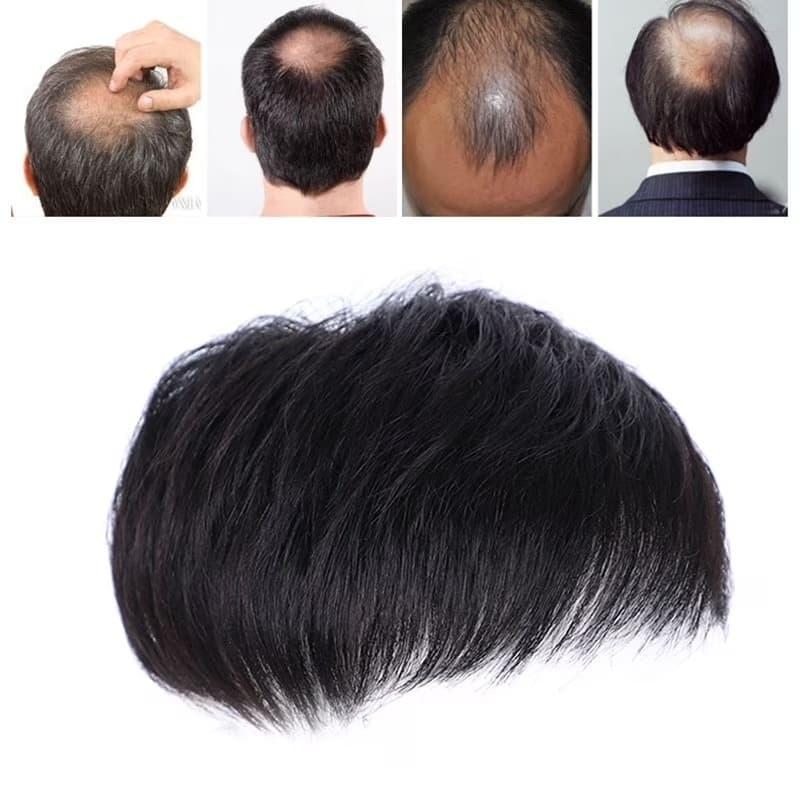
Understanding the Conversation: Why People Are Asking "why is cecily tynan wearing a wig"
There has been growing curiosity online and in fan communities about why is cecily tynan wearing a wig. This article examines the plausible reasons, context, and responsible ways to discuss a public figure's appearance. It offers background on hair alternatives, common medical and cosmetic motivations, stylistic considerations for on-air personalities, and how to read reliable information versus rumor. The aim here is to provide a balanced, well-researched exploration so readers can understand the many factors behind hair choices without resorting to speculation.
Quick overview: what the question really asks
When fans ask "why is cecily tynan wearing a wig", they may be reacting to a change in appearance, new photos, or conversations on social media. The question can indicate curiosity about health, styling decisions, or production choices at a television station. It's important to parse intent: are followers seeking trendy style tips, expressing concern about wellness, or simply noticing a new look for a familiar anchor?
Common reasons a public figure might wear a wig
- Medical hair loss: Conditions such as alopecia, thyroid disease, or side effects from treatments like chemotherapy can cause hair thinning or loss.
- Cosmetic choice: Wigs can provide a quick change in style, length, volume, or color for comfort, aesthetics, or brand consistency.
- Professional demands: On-air personalities often use hairpieces to maintain a consistent look during busy broadcast schedules or while testing a different persona for a segment.
- Protective styling: Wearing wigs or extensions can protect natural hair from daily heat, coloring, and styling damage.
- Privacy and pacing: Celebrities sometimes conceal changes while they process personal situations or prepare a public statement.
How to evaluate the situation responsibly
Before concluding why someone is using a wig, consider the following steps: verify sources, avoid spreading unconfirmed health claims, and respect privacy. Reliable indicators include official statements from the person, qualified interviews with medical professionals quoted by the person, or reputable media interviews that include confirmation from the subject or their representatives. Social media speculation, while often viral, should be treated cautiously.
The role of professional stylists and television production teams
TV anchors and reporters frequently work with hair stylists, makeup artists, and production staff who collaborate to create an on-camera image. Simple reasons staff might choose a wig include time constraints during quick turnarounds, the need for a specific silhouette on camera, or a stylistic decision that aligns with a network's visual brand. These are practical, not personal, explanations that are part of broadcast workflows.

How hairpieces are used on-camera
High-quality wigs and hairpieces used in broadcast settings are crafted to be realistic, lightweight, and camera-friendly. They can be custom-colored, cut to match a talent's usual style, and secured for long hours under hot lights. The use of such pieces is common and often unremarked upon in industry circles, though attentive viewers may notice subtle differences in hairline, movement, or volume.
Medical considerations: when health is a factor
Medical reasons for wearing a wig can range from temporary hair loss due to stress and hormonal changes to chronic conditions like alopecia areata. In some cases, the individual may choose to disclose the reason publicly; in others, they may prefer privacy. If speculation arises around health, it's best to rely on confirmed statements. Public empathy and respect are crucial when health is involved.
Privacy and the ethics of public curiosity
Asking why is cecily tynan wearing a wig reflects natural curiosity, but it can also cross into intrusive territory. Ethical discussion means recognizing that a person's appearance is often part of their private life. Fans and journalists should prioritize consent and accuracy when discussing sensitive matters—especially health-related ones.
How to ask and discuss sensitively
- Frame questions with care, avoiding assumptions.
- Rely on confirmed information rather than hearsay.
- Respect requests for privacy and avoid sharing unverified medical claims.
How social media amplifies appearance-based stories
Platforms like Twitter, Instagram, and forums accelerate rumor cycles. A single image or remark can spark widespread debate. Algorithmic engagement rewards sensational or personal content, which is why conversations about looks, including queries like why is cecily tynan wearing a wig, proliferate. Readers should be mindful of this dynamic when consuming or participating in these discussions.
Expert perspectives on hair alternatives and mental health
Consulting stylists, dermatologists, and mental health professionals offers context. Stylists can explain technical reasons for choosing a wig; dermatologists can clarify medical causes of hair loss; mental health experts can speak to the emotional impact of public scrutiny. Collectively, these views help construct a nonjudgmental, informed narrative.
Stylist note
Professional stylists emphasize that wigs are a tool: they assist with image continuity, protect natural hair, and can empower individuals seeking a new look. Quality and fit matter, and many anchors work with trusted stylists to ensure a seamless appearance.
Dermatologist note
Doctors rarely comment on specific cases without patient consent, but they commonly note that hair loss can be temporary and treatable, and that wigs are a valid, non-invasive option for managing changes in hair density.
Public examples: how other personalities have handled similar questions
Over the years, other public figures facing hair changes have chosen different approaches—some openly shared their diagnoses and recovery journeys, while others kept details private but discussed broader awareness topics. Each approach can be valid and should be respected as part of personal autonomy.
Practical advice for fans and viewers
- Seek official updates from the person or their representatives before drawing conclusions.
- Avoid sharing medical speculation as fact.
- Offer supportive messages if a public figure discloses a health issue.
- Consider following reputable news outlets for verified reports.
Common misconceptions
There are a few recurring misunderstandings when people wonder why is cecily tynan wearing a wig: one is equating the use of a wig strictly with severe illness; another is assuming deceit or lack of authenticity. In reality, wigs serve many benign, practical, and empowering functions.
How media coverage can be improved
Journalists and content creators can improve discourse by prioritizing verified information, avoiding sensational headlines that exploit appearance, and including expert comment when covering health-related topics. Balanced reporting respects the person while informing the public.
When you might expect an official response
If there is a health-related reason or a planned reveal, official responses usually come via an interview, a social media post by the person, or a representative's statement. Until then, caution and respect remain the best approaches for public commentary.
Language and tone: choosing empathy over curiosity
The wording matters. Phrases that center on concern and support are more constructive than those that pry. If discussing appearance publicly, consider how you would feel in the subject's position.
Summary and takeaways
To summarize the non-invasive exploration of the question why is cecily tynan wearing a wig: people use wigs for many reasons—medical, cosmetic, professional, and personal. Responsible discussion prioritizes confirmed sources, sensitivity to privacy, and awareness that appearance does not equate to a public obligation to explain personal health choices. Fans and media alike benefit from thoughtful, respectful engagement.
Behind-the-scenes: what you might not see
In broadcast production, decisions about hair can be logistical. Quick morning schedules, last-minute segment changes, and technical lighting needs can lead stylists to choose a wig rather than attempting an intricate style on short notice. This practical context is often overlooked in public speculation.
Where to find accurate updates
For authoritative information, look for statements from the person in question, verified social accounts, or coverage from established news organizations that cite verified sources. Avoid relying solely on social media threads or anonymous posts that often lack context.
Closing thoughts
Ultimately, whether the reason for a wig is health-related, professional, or stylistic, the guiding principle when discussing someone’s appearance should be respect. Observing boundaries while staying informed is possible and beneficial for both the individual and the community. If an anchor chooses to share details, fans will have reliable, direct information. Until then, curiosity should be tempered with empathy.
Additional resources and further reading
For readers wanting to learn more about hair loss conditions, wig care, and the ethical coverage of public figures, reputable organizations in dermatology and mental health offer resources. Professional style blogs and broadcast industry interviews also explain practical hairpiece use without focusing on personal speculation.
FAQ
A: Yes. Many anchors and actors wear wigs for efficiency, consistency, and creative reasons; it is a common industry practice and not necessarily related to health.
Q: How can I tell if someone is wearing a wig?
A: For the general public, subtle differences in hairline movement, parting, or texture might be noticeable, but high-quality wigs and professional styling make it difficult to distinguish; it's best not to assume.
Q: Should fans ask a public figure about their hair choices?
A: If the person has chosen to make a public statement, questions can be framed respectfully. Otherwise, respecting privacy is advisable. Public curiosity should not override personal boundaries.
Related products
Blog
- did paula young wigs go out of business Latest update, why shoppers are concerned and where to find similar styles
- How to Style Anime Wig - Beginner to Pro Techniques for Natural Results and Secure Hold
- Does Steve Stevens Wear a Wig - Fact Check with Photos, Interviews and Expert Hairstyle Analysis
- Step by Step Guide on how to style wigs for beginners with easy tools and pro tips
- Nadula Wigs Review and Buying Guide with Pro Styling and Maintenance Tips
- Beginner's guide on how to put on a wig for the first time with easy step-by-step tips for a natural comfortable fit
- why did egyptians wear wigs and what it reveals about ancient Egyptian status hygiene and fashion
- Exploring why did people wear wigs across eras and uncovering the social medical and fashion motivations