
my first wig beginner's guide to choosing styles, care tips and boosting confidence for first-time wearers
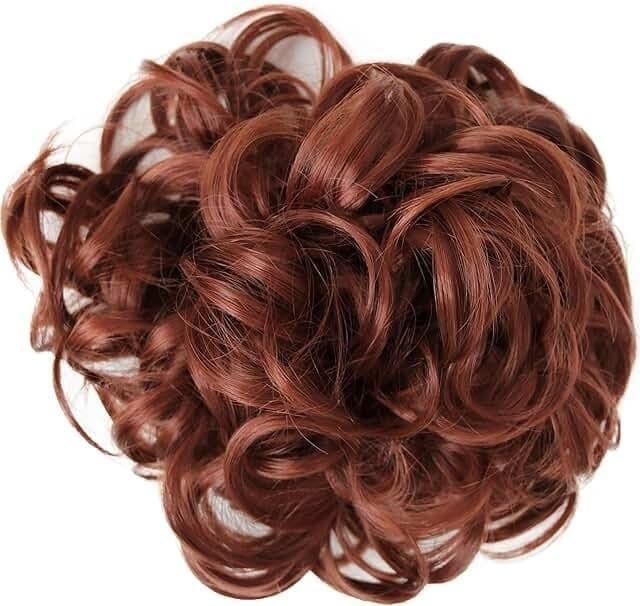
A friendly primer for "my first wig": choosing a starting piece with confidence
Starting out with my first wig can feel like a small adventure: there's excitement, a little uncertainty, and a lot of potential. This guide is written for beginners who want practical, reassuring steps for choosing styles, learning care basics, and building the self-assurance that comes from wearing a wig well. Whether you are exploring wigs for convenience, medical reasons, fashion, or a mood change, the right information helps you make empowered decisions. The keyword my first wig will appear throughout to emphasize the focal topic and help you find the most relevant tips quickly.
What to consider before you buy
Before shopping, reflect on how you want to use the wig. Will it be for daily wear or occasional events? Do you want hair that you can style with heat or a low-maintenance ready-made shape? Consider lifestyle, budget, local climate, and desired level of realism. For many beginners, a lightweight synthetic wig offers an immediate, low-effort solution: it's often pre-styled, budget-friendly, and washable. If you are planning long-term investment and styling flexibility, human hair wigs are more costly but offer the most natural movement and heat styling options.
Cap types and why they matter
- Lace front – provides a realistic hairline and natural parting; ideal for those focusing on frontal realism.
- Full lace – allows all-over parting and versatile styling (up, braided, or ponytailed).
- Monofilament – features a soft, translucent top that mimics a scalp and gives a realistic appearance, especially for those with hair loss.
- Standard wefted – economical and breathable; good for everyday wear but less natural-looking on the hairline.
When shopping for my first wig, fit is fundamental. Measure your head for the correct cap size: small, average, or large. Most retailers provide a measuring guide. A well-fitted cap prevents slippage and reduces the need for adhesives.
Style selection: face shape, color, and density
Choosing a style involves a few simple rules of thumb: match or complement your face shape, consider hair density that looks natural for your age and preferences, and pick a color that flatters your skin tone. If you are unsure about color, select a slightly lighter shade than your natural hair for a youthful, fresh look, or request swatches. For my first wig, many recommend starting with a length and cut similar to your existing hair; that provides a comforting transition and makes styling less drastic.
Face-shape suggestions
- Round faces: aim for styles that add height at the crown and longer layers to elongate the face.
- Oval faces: you are lucky—most styles work well; experiment with bangs or long layers.
- Square faces: soften the jawline with wispy ends and side-swept bangs.
- Heart-shaped faces: balance a narrower chin with chin-length layers or soft waves.
Density matters: 120-130% density looks natural for many, while 150% offers a fuller style suitable for dramatic looks or thicker natural hair equivalents. Beginners often choose medium density for an easy-to-manage appearance.
How to try and test before buying
Use in-store try-ons when possible. If buying online, read return policies carefully and look for retailers with generous trial periods. Ask for close-up photos or videos of the wig on a model with similar skin tone and face shape. Request information on the wig's cap construction, fiber type, recommended products, and recommended maintenance frequency. Pay attention to product reviews mentioning comfort, breathability, and longevity—these are vital clues for first-time buyers.
Basic daily care routines for beginners
The best care routine starts with gentle handling. Whether your my first wig is synthetic or human hair, treat it with respect to extend its life. Follow these daily habits:
1) Gently detangle from tips to roots with a wide-tooth comb or wig brush. Avoid aggressive brushing when wet.
2) Store the wig on a stand or mannequin to maintain shape and airflow. Avoid leaving it on a towel or in direct sunlight.
3) Use wig-specific products: sulfate-free wig shampoos and lightweight conditioners formulated for synthetic or human hair as appropriate.
Washing and deep care
Washing frequency depends on wear: weekly for daily wearers in hot climates, every 10-14 days for moderate use. To wash: fill a basin with cool water, add a capful of wig shampoo, submerge the wig gently without rubbing, let it soak for 5-10 minutes, rinse briefly with cool water, apply conditioner sparingly (avoid the cap area), rinse thoroughly, then blot excess moisture with a towel and air dry on a stand. For synthetic wigs, avoid heat unless the fiber is heat-resistant. For human hair wigs, set styling tools to a moderate temperature and use heat protectant sprays.
Styling tips for realistic results
Realism comes from thoughtful details. Trim bangs or layers to frame your face, but have a professional stylist who specializes in wigs do major cutting unless you are confident. Use gentle, alcohol-free styling products to avoid drying fibers. For wig glue or adhesive tape, always follow manufacturer instructions and perform a skin test 48 hours before first use. Practice application at home to become comfortable with positioning the hairline and securing the cap without tension.
For my first wig, low-commitment options like headband wigs, clip-in bangs, or half-wigs are great stepping stones. They offer a quick way to get a natural look without full commitment to adhesives or full cap wear. These alternatives also reduce the learning curve for care and maintenance.
Common beginner mistakes and how to avoid them
- Buy the cheapest wig without checking cap construction—result: poor comfort and short lifespan. Solution: invest in a mid-range piece from a reputable retailer for your first try.
- Apply too much product—synthetic fibers can clump if overloaded. Solution: use minimal product and a light mist for hold.
- Heat-styling non-heat-resistant fibers—solution: check fiber specs and use low heat or avoid heat entirely.
- Skipping measurement—solution: measure your head to ensure correct cap size and ask the seller for fitting tips.
Blending the hairline and naturalizing the look
To create a convincing hairline: pluck a few strands along the lace front (or have a pro do it), use a light foundation or concealer that matches your scalp on the parting to reduce shine, and trim the lace carefully. Baby hairs or teased wisps at the perimeter soften the transition. Practice tying back styles and using styling tools to shape the hair away from the forehead when needed.
Accessories and add-ons that help

Wig grips, silicone strips, and breathable caps improve security without damaging the wig. Wig tape and medical-grade adhesive are options for extended wear; learn removal techniques to avoid damaging the lace. Consider breathable liners in hot climates to reduce sweat and friction. For my first wig, an adjustable-cap foundation and wig grip typically ease initial concerns about slipping.
Travel, storage, and long-term maintenance
When traveling with your wig, pack it in a protective bag or box and lay it flat or on a travel stand. Use a satin bag for short trips and avoid compression. For long-term storage, clean and dry the wig thoroughly, then place it on a stand in a cool, dry place. Routine checks for tangles, especially at the nape, and light conditioning every few months for human hair will keep the piece healthy.
Budgeting and shopping wisely
Decide your budget range before shopping. For my first wig, set realistic expectations: synthetics under a certain price point can be great introductory pieces, while human hair wigs start higher but offer longevity and styling control. Look for sales, sample sales, or secondhand reputable platforms where certified sellers offer refurbished pieces. Always verify return policies and authenticity of human hair claims.
When to seek professional help
If you plan to dye, reshape, or significantly alter the cap, consult a wig stylist. Professionals can ventilate (hand-knot) hairlines for realism, trim layers, and advise on color adjustments. If you have medical hair loss, ask your clinician for wig suppliers familiar with medical-grade solutions, and seek support groups for practical tips.
Practical daily checklist for beginners
- Measure head and order correct cap size.
- Choose style similar to your natural length for the first piece.
- Purchase wig stand, wide-tooth comb, and wig shampoo.
- Practice putting on and securing the cap in front of a mirror.
- Schedule a professional trim or fitting if unsure about DIY changes.
Confidence-building strategies for first-time wearers
Wearing a wig is as much psychological as it is practical. Begin with environments where you feel safe to experiment—at home, among trusted friends, or in a community group. Take photos to track how you look in different lights and angles. Complement the wig with makeup that balances the face, such as subtle contouring around the hairline, eyebrow definition, and blush that brings life to the cheeks. Small rituals—like a brief styling session each morning—can reinforce a sense of control and comfort. Remember, confidence grows with familiarity; the more you wear and care for your wig, the more natural it will feel.
For those searching the term my first wig online, tutorial videos, step-by-step pictorial guides, and supportive forums are valuable tools. Community feedback can point to trusted brands, maintenance hacks, and stylist recommendations that match your unique needs.
Recommended products and tools for starters
Essential tools: wide-tooth comb, soft-bristled wig brush, wig stand, wig cap (nylon or silicone), light-hold hairspray for synthetic, heat protectant for human hair, sponge or applicator for hairline concealer, and a travel bag. Recommended product attributes: sulfate-free, alcohol-free, color-safe, and designed specifically for synthetic or human hair wigs. Investing in one high-quality product often yields better results than multiple lower-quality items.
How to evaluate longevity and when to replace
Wig lifespan varies: quality human hair wigs can last years with proper care, while synthetic wigs often last several months to a year with daily use. Replace the wig when the fibers show significant matting, the cap loses elasticity, or the overall look becomes dull despite maintenance. For first-timers, tracking wear patterns and care routines helps determine optimal replacement timelines.
Helpful community and learning resources
Look for local wig salons, online tutorials, social media groups devoted to wig wearers, and educational resources from reputable retailers. Many brands offer virtual consultations, video tutorials, and downloadable care guides. When exploring advice, prioritize information from licensed stylists, medical suppliers, or verified customer reviews to avoid misleading claims.
Quick styling recipes for beginners
- Casual day: soft waves, light mousse, and side part for effortless movement.
- Work-ready: smooth blowout (human hair) or low-volume synthetic bob with a side tuck.
- Event night: add clip-in accessories, gentle curls, and a defined hairline with baby hairs.
These simple looks are achievable without advanced skills and help build your confidence with each successful styling session.
Closing thoughts
Starting with my first wig is an empowering step toward self-expression, practicality, or recovery. Educate yourself on cap types, fiber differences, realistic expectations, and care routines. Use gentle products, practice securing and styling techniques, and seek professional assistance when necessary. Above all, be patient with yourself: wearing a wig comfortably and confidently is a learned skill that improves with practice and time.
FAQ
A: For daily wear, washing every 7-14 days is common; for occasional wear, every 20-30 days may suffice. Always follow the manufacturer's instructions for fiber type.

A: Only if the wig is labeled heat-resistant. Otherwise, heat will damage synthetic fibers. For my first wig
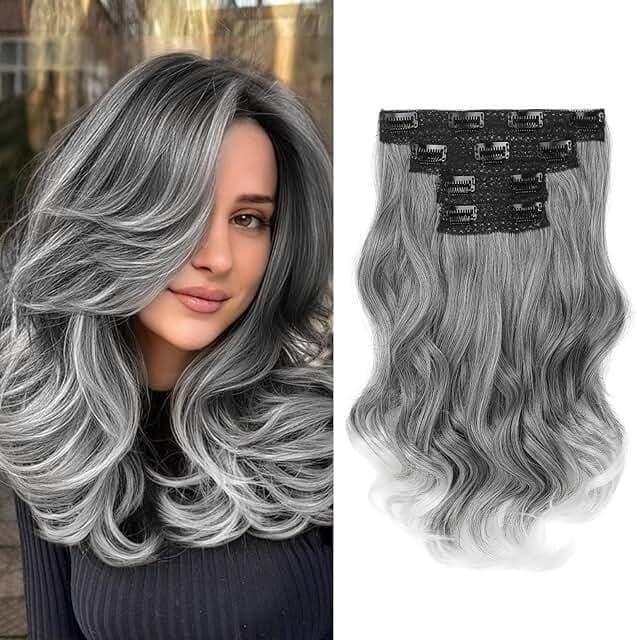 beginners, choose heat-friendly models only if you plan to use styling tools.
A: Ensure correct cap size, try a wig grip or silicone strip, and wear a breathable wig cap to reduce irritation. If itchiness persists, consult the supplier about cap material alternatives.
A: Custom wigs offer the best fit and natural look but are more expensive. Many beginners find mid-range ready-to-wear wigs comfortable and realistic; upgrade to custom if fit and longevity become priorities.
In short, approach my first wig with curiosity and care: select the right cap and fiber for your lifestyle, learn gentle maintenance, practice security and styling, and use tools that enhance comfort and realism. With time, your wig becomes not just an accessory but a confidence-building companion.
Related products
Blog
- was bella wearing a wig in eclipse - What the Evidence Shows, On Set Photos and Expert Insight
- how to make a wool wig step by step DIY techniques for beginners with no sew options and styling tips
- how to use a wig clip made easy Step-by-step tips for secure natural-looking wear
- Practical Guide on how to keep a wig in place 12 Expert Tips to Keep Your Wig Secure All Day
- is wigs for kids legit? Honest reviews, safety advice and buying tips for parents
- how to make cosplay wigs step-by-step for beginners with pro styling and budget-friendly tips
- why did people wear white wigs Exploring the surprising history of powdered wigs, status symbols and hygiene in 17th and 18th century Europe
- How to Make Wig Bigger with Simple DIY Stretching Tricks That Actually Work