
who makes low density wigs - top manufacturers revealed and smart buying tips for lightweight units
Understanding Lightweight Options: Who Makes Low Density Wigs and Why It Matters
If you've ever asked who makes low density wigs while researching lightweight hairpieces, you're not alone. Many wig shoppers want units that breathe, feel natural, and avoid the overly full look of traditional wigs. This guide dives deep into the makers, the materials, construction styles, and smart purchasing tips so you can make an informed decision without confusion or buyer's remorse.
In this extensive write-up we cover brand types, manufacturing approaches, what "low density" truly means, and how to match a low-density wig to your lifestyle, head shape, and style goals. We'll also highlight practical maintenance advice and shopping strategies for people seeking a lighter, subtler hair unit.
What Does "Low Density" Mean in Wig Terminology?
Low density refers to the amount of hair ventilated into the cap compared to medium or high density wigs. While no universal percentage is enforced across the industry, low-density wigs typically sit in the ~80-120% range relative to natural hair fullness, whereas medium sits around 120-150%, and full-volume wigs can exceed that. The result of a low-density build is a lighter cap, less bulk, and a more realistic silhouette for people with fine hair or those seeking a less dramatic look. When evaluating "who makes low density wigs" you should consider whether brands offer density-specific lines or customizable density options.
Key Manufacturers and Designers to Watch
The market includes established manufacturers, boutique ateliers, and larger fashion houses that produce low density units. Below is a curated list of makers known for producing lighter-density options, with notes on their strengths and signature features. Remember to search the phrase who makes low density wigs alongside these names to find specific product lines and density tags.
- Specialty Wig Houses — These creators often build custom density units and hair-by-hair ventilated fronts (lace fronts and full lace) that allow precise density control. They are ideal if you want bespoke density, cap sizing, and hair placement.
- Retail Wig Brands with "Light" Collections — Several mainstream brands produce collections labeled "natural," "light," or "fine density." These are easy to find in salons and online stores, offering predictable fits and return policies.
- Human Hair Artisans — Small-batch human hair wig makers usually offer density customization as a standard service, allowing you to pick a lighter hair count for a softer, more realistic outcome.
- Medical Wig Providers — Providers focused on comfort often prioritize lighter caps and lower density to accommodate sensitive scalps or people undergoing treatment. These are worth consulting if comfort is a primary concern.
Well-Known Names Often Associated with Lightweight Units
While the market evolves rapidly, these categories and examples help answer the question who makes low density wigs for various budgets and needs: mainstream fashion brands that release "lite" versions of popular styles; boutique designers offering customizable density; and specialist human-hair craftsmen able to hand-tune hair counts. When you search for low-density solutions, pair the keyword with phrases like "light cap," "fine density," "sheer volume," or "breathable wig" to discover targeted products and makers.
Materials and Constructions That Favor Lower Density
Choosing the right material and cap construction is as critical as the maker. The following elements help achieve a comfortable, lightweight result:
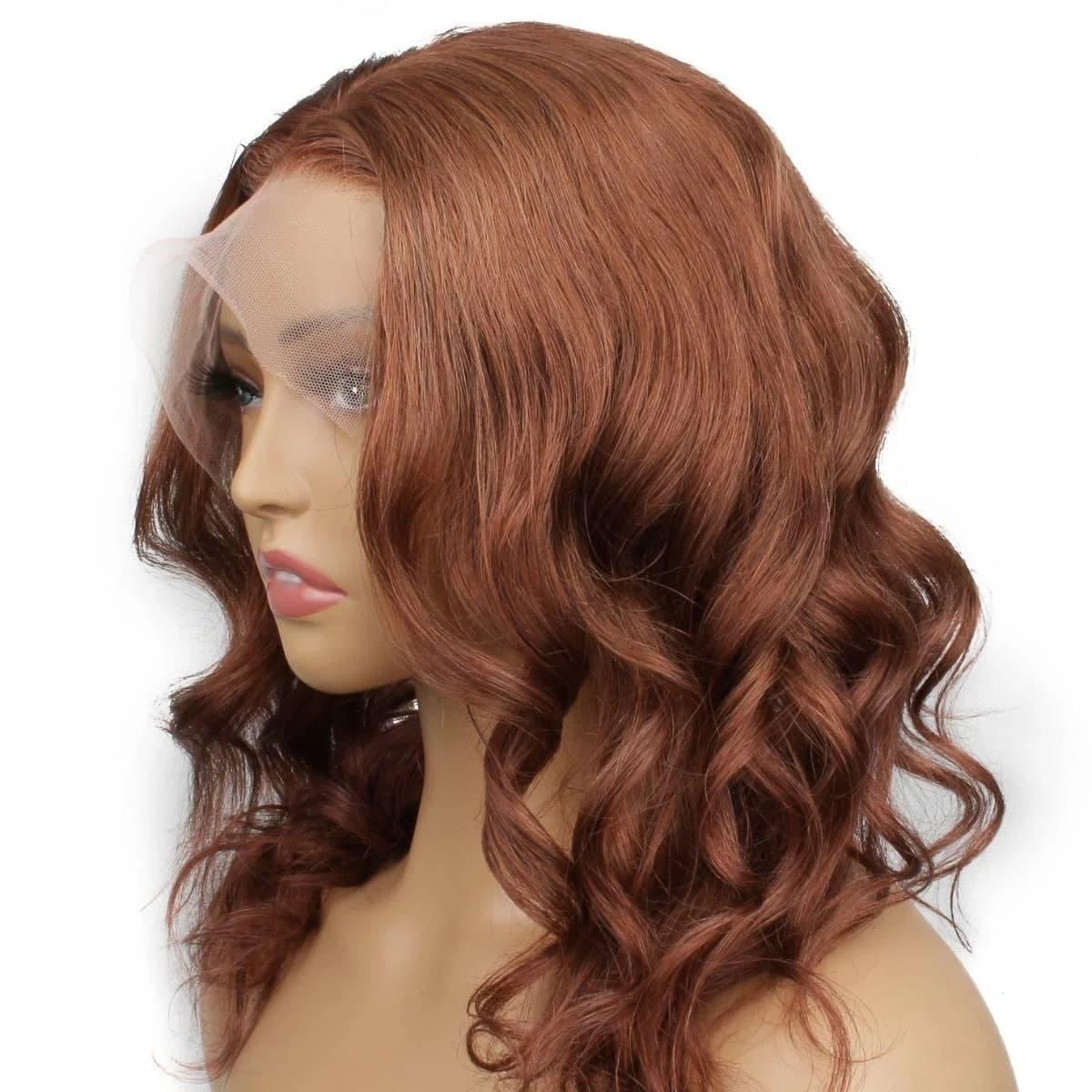
- Lace Fronts and Monofilament Tops — These constructions allow realistic parting and require less hair to look natural because the scalp illusion is already convincing. A low-density lace front can look fuller than it is because of visible scalp textures.
- Thin Caps and Sheer Bases — Caps made with stretchable fine mesh or ultra-thin polyurethane reduce weight and minimize bulk. They are often paired with lower densities to preserve a natural profile.
- Hand-Tied Sections — Hand-tied caps may allow each hair to move independently; with less hair required to create a natural look, they pair well with low-density designs.
- Human Hair vs. High-Quality Synthetic — Both human hair and premium synthetic fibers can be produced in low-density formats. Human hair offers styling versatility, while modern heat-friendly synthetic fibers provide consistent shape and reduced maintenance.
How to Search Effectively: Tips for Finding Makers
Use targeted phrases like "who makes low density wigs" combined with modifiers: "human hair," "lace front," "custom," "medical," or "light cap." Search engine optimization (SEO)-friendly queries often produce better brand discovery and product pages that list density metrics. Also consider searching marketplace filters and salon inventories that allow you to filter by density or fullness.
Pro tip: When browsing, check product photos for side profiles and crown area — a low-density wig will show a subtler silhouette and less bulk at the nape.
Buying Tips: What to Ask the Manufacturer or Retailer
Be prepared with a short checklist when you contact brands or retailers known to offer lighter units. Ask about density percentage, cap materials, return/exchange policy, recommended styling products, and recommended cap modifications for a better fit. If you're consulting a custom maker, request a pre-production mock or density sample patch to verify the look before final construction.
- Density Specification: Request a percentage or descriptive term (e.g., "light/low density").
- Cap Type and Materials: Lace, monofilament, stretch cap — each affects breathability and weight.
- Customization Options: Hair color matching, part depth, root shading, and density adjustments should be clear.
- Maintenance Instructions: Lighter density wigs might require gentler styling to avoid exposing wefts or undersides.
Styling Strategies for Low Density Units
Styling low density wigs focuses on enhancing perceived fullness without adding weight. Use layering, texturizing, and strategic blowouts to achieve volume where you want it. Avoid heavy conditioners or oils near the roots that can weigh down fibers. Consider light mousse, root-lifting sprays, volumizing powders, and gentle heat styling for human hair or heat-friendly synthetics to create a fuller silhouette while preserving the low-density feel.
Cutting and Customization
Ask your stylist to thin minimally — paradoxically, cutting can add movement that makes a low-density wig read as fuller. Face-framing layers and soft tapering at the ends create shape without bulk. When working with a maker, request reduced density only where needed (for example, lower density at the crown and slightly fuller sides) to keep overall balance.
Durability and Maintenance Considerations
Low density does not mean fragile. However, because fewer hairs are ventilated into the cap, each strand may bear more stress during brushing and styling. Use wide-tooth combs, detangling brushes, and low-heat tools. Store your wig on a stand and rotate styles to extend lifespan. If you plan to wear a wig daily, consider investing in slightly higher-end bases to reduce cap wear over time.
Budgeting: Price Ranges and What Affects Cost
Pricing depends on materials, brand reputation, custom work, and cap construction. Mass-produced synthetic low-density wigs can be economical, while custom human hair low-density units are more expensive but offer superior realism and longevity. When considering "who makes low density wigs," weigh the cost of customization, shipping, and any salon services for cutting and cap alterations.
Where to Shop: Retailers, Salons, and Direct Makers
Explore multiple channels: established e-commerce stores, specialized wig boutiques, salon networks, and direct-to-consumer artisans. Salons often have display units you can try on, which is extremely helpful for density evaluation. Online shops may list density or show comparison photos — use these to narrow down your options. If you prefer a tailored fit, look for makers offering custom sizing and density adjustments.
Checklist Before Purchase
- Confirm who makes low density wigs in the line you're interested in and whether the brand lists density metrics.
- Ask for side-profile photos and crown-closeups to evaluate actual volume.
- Verify return/exchange policy in case the unit reads denser or sparser than expected.
- Request realistic styling photos on different face shapes and skin tones.
Common Misconceptions and How to Avoid Them
Many shoppers think "low density" equals "cheap" or "insubstantial." In reality, a well-constructed low-density wig can appear the most natural and be premium in feel. Conversely, some cheap wigs are engineered to look on-trend but use false density cues (backcombing or glued-in fillers) that compromise comfort. To answer the recurring query who makes low density wigs, prioritize transparency from the manufacturer about construction and density so you avoid surprises.
Conclusion: Making a Confident Choice
Finding the answer to who makes low density wigs is the first step toward achieving a lightweight, natural-looking hairstyle. Whether you opt for a handmade human hair piece, a high-quality synthetic, or a medical-grade unit, the right maker and cap type will deliver comfort, realism, and the look you want. Use the search tips and buying checklist above to vet brands, compare offerings, and choose a unit that aligns with your lifestyle.
Remember: density is just one piece of the puzzle. Cap construction, hair type, cut, and maintenance routines all influence the final aesthetic. With informed research and the right questions, you can identify manufacturers and artisans that specialize in lower-density, breathable wigs that meet your expectations.
FAQ
Q1: How can I tell if a wig is truly low density from product photos?
A: Look for side and crown views, inspect the hairline for visible scalp texture, and check the product description for density terms like "light," "fine," or explicit percentages. If in doubt, contact the seller to request additional images.
Q2: Are low density wigs suitable for medical use?
A: Yes, many medical wig providers prioritize lighter caps and lower density for comfort. Seek providers who explicitly list low-density or "comfort" options and verify return policies.
Q3: Can I customize a ready-made wig to reduce density?
A: A stylist can sometimes thin or shape a wig to change how fullness reads, but removal of hair from a wig is delicate work and can affect longevity. For significant density changes, custom or maker-built options are safer.
If you're still wondering who makes low density wigs, start with small-batch human-hair artisans and specialty wig houses, then compare mainstream brands that list "light" or "natural" collections. Use the criteria above to evaluate quality and fit, and remember that the most convincing units pair appropriate density with a realistic hairline and cap construction.
Related products
Blog
- How to Tell If Someone Is Wearing a Wig - 9 Subtle Signs, What to Look For and How to Ask Politely
- why did men wear white wigs in the 1700s and what powdered hair reveals about health class and fashion
- can you wash a wig with regular shampoo - expert tips, safe methods and common mistakes
- How to Smooth a Synthetic Wig - Quick Heat-Free Steps and Pro Tips for a Sleek Finish
- Why powdered wigs were worn and the surprising social hygienic and political reasons behind them
- why doesn't george clooney just wear a wig - separating rumor from reality and what his hair choices reveal about Hollywood
- Master how to pluck lace front wig with easy step by step tips for a natural hairline
- Which method is recommended for drying a wig after cleaning — expert tips to preserve shape and extend fiber life