
how to use a wig clip - 6 simple steps to secure and style your wig like a pro

Simple steps to secure and style a wig with clips
Mastering the basics: how to use a wig clip with confidence
If you're new to wigs or seeking a more secure fit, learning how to use a wig clip can transform the way your wig feels and looks. This guide covers practical materials, a step-by-step approach to fastening wig clips, styling tips, troubleshooting tricks, and maintenance advice so you can achieve a comfortable, natural appearance every time. Whether you wear wigs daily or for special occasions, these techniques help ensure your piece stays in place while allowing easy removal and adjustment.
Why wig clips matter
Wig clips are small, discreet fasteners sewn into the wig cap that anchor the wig to your natural hair or a wig cap. They offer several advantages: increased security, minimized slipping when moving or in wind, freedom to style without exposed combs, and the ability to create a snug, natural hairline. Understanding how to use a wig clip is essential for beginners and valuable for experienced wig wearers who want professional results.
What you'll need
- Wig with sewn-in or attachable clips (snap-in or metal wig clips)
- Hairbrush or wide-tooth comb
- Non-slip wig cap or stocking cap
- Bobby pins and hair ties
- Scissors and sewing kit (if you plan to add permanent clips)
- Mirror and good lighting
- Optional: wig glue or adhesive for extra hold (use safely)
Preparing your natural hair
Before attaching clips, prepare your hair for a secure base. For short hair, a non-slip wig cap often provides enough grip. For longer hair, braid or flatten into cornrows or a low bun, and cover with a wig cap to create a smooth foundation. Tuck loose ends and use hairpins as needed. This preparation improves comfort and reduces pressure on your scalp while demonstrating safe practice for how to use a wig clip effectively.
Step-by-step: 6 practical steps to secure and style a wig like a pro
- Inspect and position the wig: Hold your wig and identify where the clips are positioned—typically at the temples, nape, and occasionally near the crown. Turn the wig partially inside out to see the clips clearly if they're hidden under the cap. Put the wig on at a slight angle and align the front hairline with your natural hairline or desired placement. Knowing how to use a wig clip starts with proper alignment so clips attach at the most secure points.
- Open each clip: Wig clips usually snap open by lifting a small tab. Open the clips you plan to use; leaving them closed will make attachment impossible. Open clips also allow you to slide a small amount of natural hair or the wig cap fabric into the clip teeth for better hold.
- Attach at the temples: Gently press the wig down at the temples and slide a bit of your hair or wig cap fabric into the clip teeth, then snap the clip closed. The temple clips are crucial because they prevent the wig from shifting side to side when you move or turn your head. For an extra secure hold, you can cross small bobby pins over the clip base, anchored into your hair.
- Secure the nape clip: With the temple clips fastened, bend slightly forward and attach any nape clip(s) at the base of your skull. This clip prevents the wig from lifting away from the neck and keeps the overall fit snug. Make sure the clip catches some of the wig cap and either your hair or the wig cap material, then snap it closed.
- Check the crown and adjust: If your wig has clips near the crown or sides, fasten these last to fine-tune the fit. Avoid over-clipping in a way that causes tension or discomfort. Slight adjustments here allow you to center the wig, control volume, and ensure your hairline looks natural. Knowing how to use a wig clip includes learning how much tension is right: secure, but comfortable.
- Style and finalize: Once all clips are fastened, style the wig to blend with your look. Use heat tools only if the wig is heat-safe. Use styling products sparingly to avoid build-up on clip bases. When you're satisfied, perform a gentle shake test—tilt your head and move; if the wig feels secure, you're ready to go. If you notice movement, reopen and reposition the relevant clips until you're confident.
Helpful tips and techniques
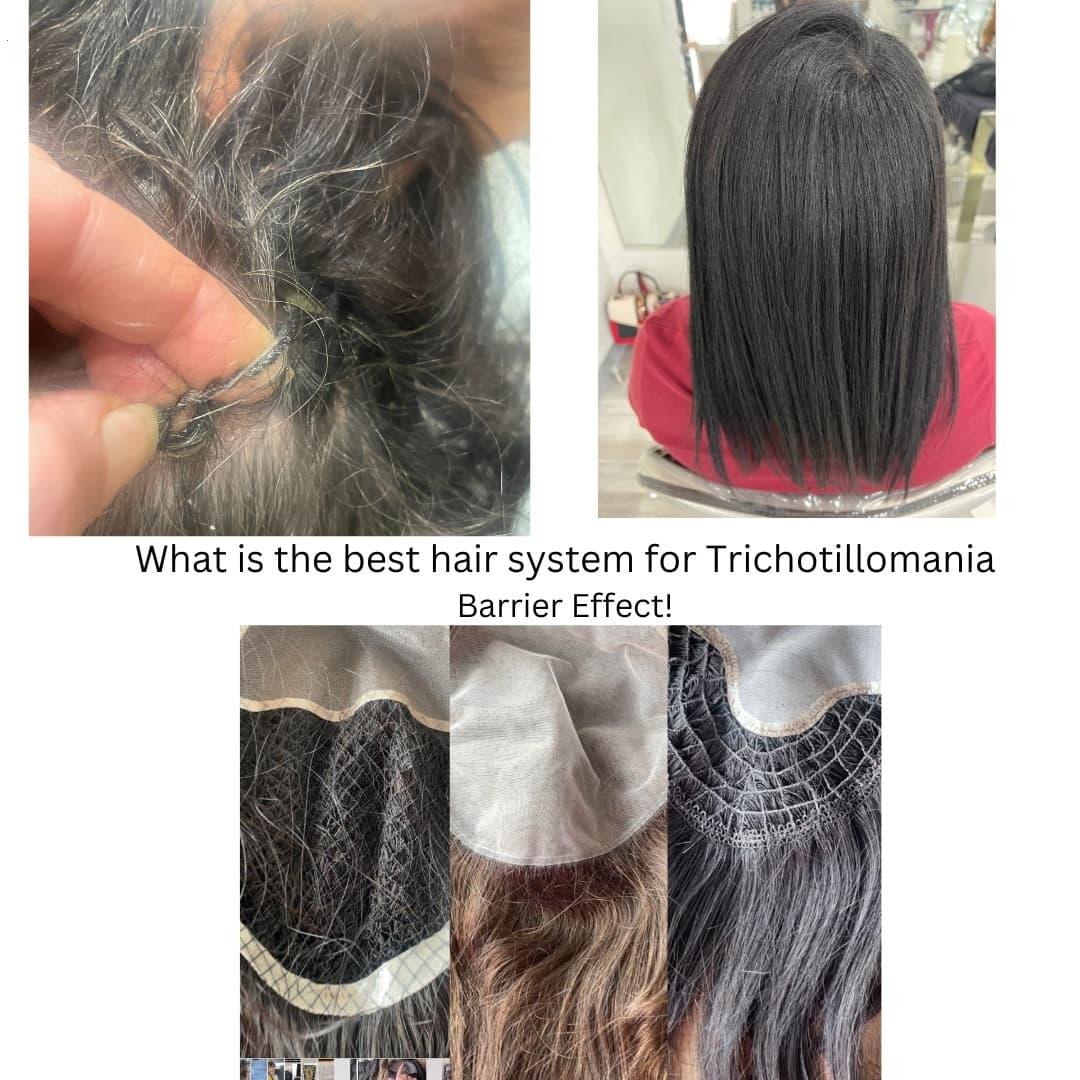
Many small techniques make a big difference when learning how to use a wig clip. Use a non-slip wig cap for smooth hair to give the clips something to grip. If you have thin or slippery hair, sew small loops of elastic or ribbon near the clip base on the wig cap; these loops create extra anchoring points. Consider adding additional clips for heavy or voluminous wigs, but space them evenly to distribute pressure. For lace front wigs, clip only on the cap beneath the lace to avoid shifting the lace hairline.
Choosing the right clips
Not all clips are created equal. Look for wig clips with silicone or fabric-lined teeth to protect delicate hair. Snap-in metal clips are common for sew-in applications, while plastic snap clips are useful when adding a quick-attach solution. If you plan to remove clips frequently, choose durable clips rated for many snaps. Quality clips improve performance and comfort when you learn how to use a wig clip in different situations.
Advanced adjustments for a flawless finish
For those who want a professional finish, consider these advanced touches: slightly trim the wig cap at the nape for better alignment, softly backcomb or thin the wig near attachment points to hide bulk, and use small sections of your natural hair to blend with the wig hair for a seamless transition. If you need maximum hold for activity or windy conditions, pair clips with a thin strip of wig tape at strategic points—just follow manufacturer instructions for safe adhesive use.
Common problems and fixes
- Clips slipping: Reposition the clip to catch fabric or hair differently; use a non-slip cap; add a small silicone strip to the cap where the clip sits.
- Discomfort or pressure: Reduce the number of clips or reposition to distribute pressure evenly; switch to clips with softer linings.
- Visible clip bases: Tuck the clip bases under hair or trim wig cap material carefully; place clips slightly behind hairline to hide the base without compromising hold.
- Damaged hair: Avoid clipping directly onto fragile hair; instead attach to thicker sections or sew in a thin mesh strip that clips can anchor to.
Maintenance and care
Proper maintenance extends the life of both your wig and the clips. Clean clips regularly by snapping them open and wiping away dirt or product residue. If you sew clips into a wig, reinforce stitching periodically to prevent loosening. When washing or storing your wig, open all clips to avoid bending or damaging the teeth. Store wigs on a stand to preserve shape and keep clips protected. These practices help maintain performance when using how to use a wig clip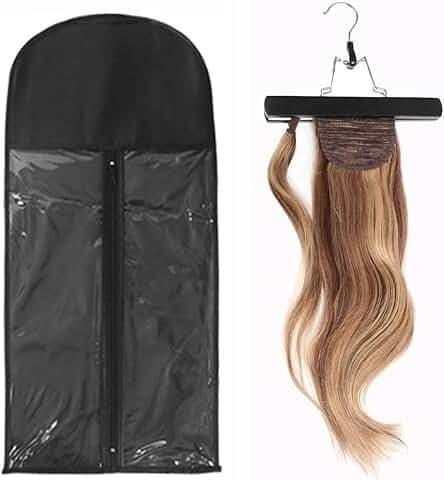 techniques repeatedly.
Styling ideas with clipped wigs
You can experiment with many styles while keeping clips secured. Create volume at the crown by backcombing beneath the clips, pull hair into low ponytails that incorporate your natural hair under the wig, or style side-swept looks that hide clip placements. For an updo, use the clips to anchor the wig and then pin sections strategically to mimic natural growth. Learning different ways of integrating clips into styling expands the versatility of your wig wardrobe.
Safety and scalp health
Keep scalp health in mind: avoid overly tight clip attachments that can tug at follicles and cause irritation. If you notice redness or soreness, give your scalp a break and switch to looser fitting methods like wig grips or adhesive strips used less frequently. Rotate wig styles and attachment methods to prevent constant pressure in the same spots, ensuring long-term comfort while practicing how to use a wig clip.
Pro tip: Periodically check clip integrity—replace bent or rusted clips immediately. A small replacement is far less costly than repairing a damaged wig.
Portable solutions for quick changes
For fast on-the-go adjustments, carry a small wig kit: spare clips, a needle and thread, a few bobby pins, and a mini comb. With these items you can reinforce clips or make temporary fixes in minutes. This is especially useful for events or travel where re-securing a wig quickly keeps you confident and comfortable.
Troubleshooting a loose fit step-by-step
If your wig still feels loose after clipping, follow this checklist: 1) Confirm clips are open and fully snapped closed. 2) Ensure clips attach to hair or cap fabric—not just wig layers. 3) Reposition the front and nape to balance tension. 4) Add an additional clip at the crown or temples if necessary. 5) Use a thin strip of wig tape only as a last resort for extra hold. These steps reflect practical methods for refining your approach to how to use a wig clip.
When to seek professional help
If you frequently experience slipping or discomfort despite using clips and adjustments, consult a wig technician. Professionals can customize clip placement, sew in additional anchors, or recommend alternative attachment systems like combs, elastic bands, or lace front adhesives tailored to your needs. A one-time professional tweak may save time and frustration and improves your long-term experience wearing wigs.
Cost-effective modifications
Small, inexpensive modifications can dramatically improve fit. Sew in extra snap-in clips where needed, replace old clips with silicone-lined versions, or integrate a slender elastic band that ties at the back of the head inside the wig cap for adjustable tension. These DIY upgrades are economical and compatible with the basic instructions on how to use a wig clip.
Summary and quick checklist
- Prepare hair: braid, flatten, or use a wig cap.
- Open clips before attaching.
- Fasten temples first, then nape, then crown.
- Use bobby pins for supplemental anchoring.
- Perform a shake test and adjust tension for comfort.
- Maintain clips and wig cap to prolong lifespan.
Final thoughts
Becoming comfortable with how to use a wig clip takes practice. Start with small steps, experiment with clip placement, and gradually refine techniques that fit your hair type and lifestyle. With the tips above, you'll achieve a secure, natural-looking result that lets you enjoy your wig with confidence and style. Remember that comfort and scalp health are as important as security—balance them to get the most out of your wig wearing experience.
FAQ
 How often should I replace wig clips?
 A: Inspect your clips every few months; replace sooner if you notice bending, rust, or failure to close securely to avoid unexpected movement.
A: If used carefully on healthy hair and spread across several anchor points, clips are generally safe; avoid clipping directly to fragile hair and rotate methods to reduce stress.
A: Yes, but place clips beneath the lace edge on the cap to preserve the hairline; mix clips with adhesive sparingly if needed for extra hold.
A: Absolutely—use a strong thread and small, even stitches to fasten clips to the wig cap; if unsure, a wig stylist can sew them professionally.
Related products
Blog
- which method is recommended for drying a wig after cleaning — gentle expert techniques to dry and preserve wig fibers
- where can i buy a costume wig - 12 trusted stores and online options to find the perfect look
- what does wig mean gay slang explained with origins examples and how to use wig today
- what do you wear under a wig - expert 2025 guide to caps liners tape and comfort tips
- a family affair nicole kidman wig revealed — how the iconic hairstyle was created and where to buy replicas
- Why Do Blacks Wear Wigs Exploring Cultural Roots History and Practical Haircare Reasons
- how to trim a lace front wig step by step at home expert tips for a flawless finish
- why is cecily tynan wearing a wig Explored Reasons Fans Are Discussing Her Hairstyle and Health