
best wigs 2025 buying guide and top picks for human hair, lace front and synthetic styles

Choosing the best wigs in 2025: a practical and modern buying compass
Finding the best wigs today means balancing natural looks, long-term value, and ease of maintenance. Whether you are seeking human hair pieces, delicate lace front systems, or advanced synthetic styles, this guide is designed to walk you through every step of choosing, customizing, and caring for a wig that fits your lifestyle. Expect clear comparisons, style suggestions, and expert tips to help you select the best wigs for longevity, realism, and comfort.
Why the term "best wigs" matters for search and selection
When shoppers type "best wigs" into search engines they are looking for authority, tested recommendations, and practical buying criteria. To get value from those results, evaluate options by material (human hair vs synthetic), cap construction (lace front, full lace, monofilament, basic cap), density, and user reviews focused on fit and durability. Use this guide to decode marketing terms and focus on the features that determine whether a piece is truly one of the best wigs for your needs.
Quick primer: human hair, lace front, synthetic — what to know
- Human hair: the closest to natural, allows heat styling, color changes, and usually offers the longest lifespan when well maintained. Top choices among the best wigs lists are often human hair units because of their versatility and natural movement.
- Lace front: offers the most realistic hairline; combines well with other cap constructions like monofilament or full lace. Lace front pieces rank highly in "best wigs" roundups for frontward realism and easy styling options.
- Synthetic: improved fiber technology has created heat-friendly and ultra-realistic synthetics that are budget-friendly and low maintenance. The best modern synthetic wigs mimic natural shine and cannot be easily distinguished at a glance from human hair in many cases.
Cap constructions explained
The cap structure affects breathability, natural movement, and parting options. When shopping for the best wigs, check whether the cap is monofilament (single-fiber appearance at the crown), full lace (most versatile for updos), lace front (most realistic hairline), or basic machine-tied (more affordable but less flexible). Each has pros and cons that influence comfort and styling.
How to determine your goals before buying
Start by asking: Do you need daily wear durability or an occasional style upgrade? Are you prioritizing heat-styling versatility? Are you sensitive to adhesives or do you prefer clip-in systems? List your priorities and filter options: human hair for styling freedom, lace front for realism at the hairline, synthetic for fuss-free upkeep. These priorities will narrow down the best options among the many "best wigs" lists.
Measuring and fit: getting the right cap size
Measurement errors are the most common reason for returns. Learn to measure head circumference, front-to-nape distance, and ear-to-ear across the hairline. Most brands offer small, average, and large caps; however custom or adjustable caps can provide the most secure experience. A well-fitting cap helps a wig look like natural hair and keeps it listed among the best wigs for comfort.
Color and shade matching techniques
Selecting the right shade is both art and science. Examine the wig in natural light, compare against your skin undertone, and remember that human hair wigs can be professionally dyed while synthetic pieces cannot (except for specialized fibers). When in doubt, choose a slightly darker shade and lighten via coloring or sun exposure to achieve a natural gradient. The most convincing entries in "best wigs" roundups often offer a wide shade range and realistic root shadowing.
Density, volume, and natural movement
Density is usually described in percentages: 120% (light), 150% (medium), 180% (heavy). The ideal density depends on your desired look: natural everyday wear typically reads best at 120-150%, while dramatic styling or high-volume looks lean toward 180%. The top-rated best wigs often provide realistic density options and layered constructions for natural movement.
Styling capabilities and tools
Human hair wigs allow curling, straightening, and chemical services, while heat-friendly synthetic fibers tolerate moderate temperatures. Check the manufacturer's heat-styling guidelines and consider using lower-temperature tools to extend life. The most useful "best wigs" reviews highlight how easily a piece can be styled and re-styled.
Customization tips: making any wig look bespoke
- Trim and thin: Have a stylist thin the density and shape layers to match your face.
- Pluck the hairline: A few well-placed plucks can remove a stock wig's uniform density and create a softer, realistic hairline.
- Bleach or tint knots: Knot-bleaching on lace fronts reduces visibility of knots; root shading can add depth.
- Create baby hairs: Short, wispy baby hairs contour the face and simulate natural regrowth.
These customizations are common among the best wigs in independent tests because they elevate a stock piece into a wearable, natural-looking style.
Care and maintenance: extend longevity
Adopting the right care routine can double or triple the lifespan of a quality wig. For human hair, use sulfate-free shampoos, deep conditioners, heat-protectant sprays, and try to air-dry on a wig stand to preserve cap shape. Synthetic pieces benefit from specialized cleansers and detanglers; avoid high heat unless the fiber is labeled heat-friendly. The "best wigs" maintainers recommend periodic professional maintenance, especially for high-investment human hair units.
Adhesives, tapes, and attachment techniques
Choice of adhesive depends on skin sensitivity, activity level, and how long you want the installation to last. Tapes and medical-grade adhesives offer secure wear for lace front and full lace units. For temporary wear, wig clips or combs inside the cap work well. Many users of the top-rated best wigs prefer a combination: clips for everyday convenience, adhesives for special occasions or active use.
Budgeting: what to expect to pay
Prices vary widely. Expect entry-level synthetic wigs to be the most affordable, mid-range human hair wigs to cost more, and premium full lace human hair systems to be the highest investment. Lifetime and styling flexibility should factor into your calculation — a high-quality human hair wig that can be re-styled, re-colored, and professionally serviced often becomes a better long-term purchase than multiple cheaper synthetics.
Where to buy: shop smart for the best wigs
Buy from reputable retailers or directly from established manufacturers that provide clear return policies, shade swatches, and cap specifications. Check user photos and independent reviews. When online shopping, use brand-specific sizing charts and ask customer service about construction details. Trusted sellers will list cap type, density, fiber origin, and care instructions — all markers of pieces that appear in "best wigs" compilations.
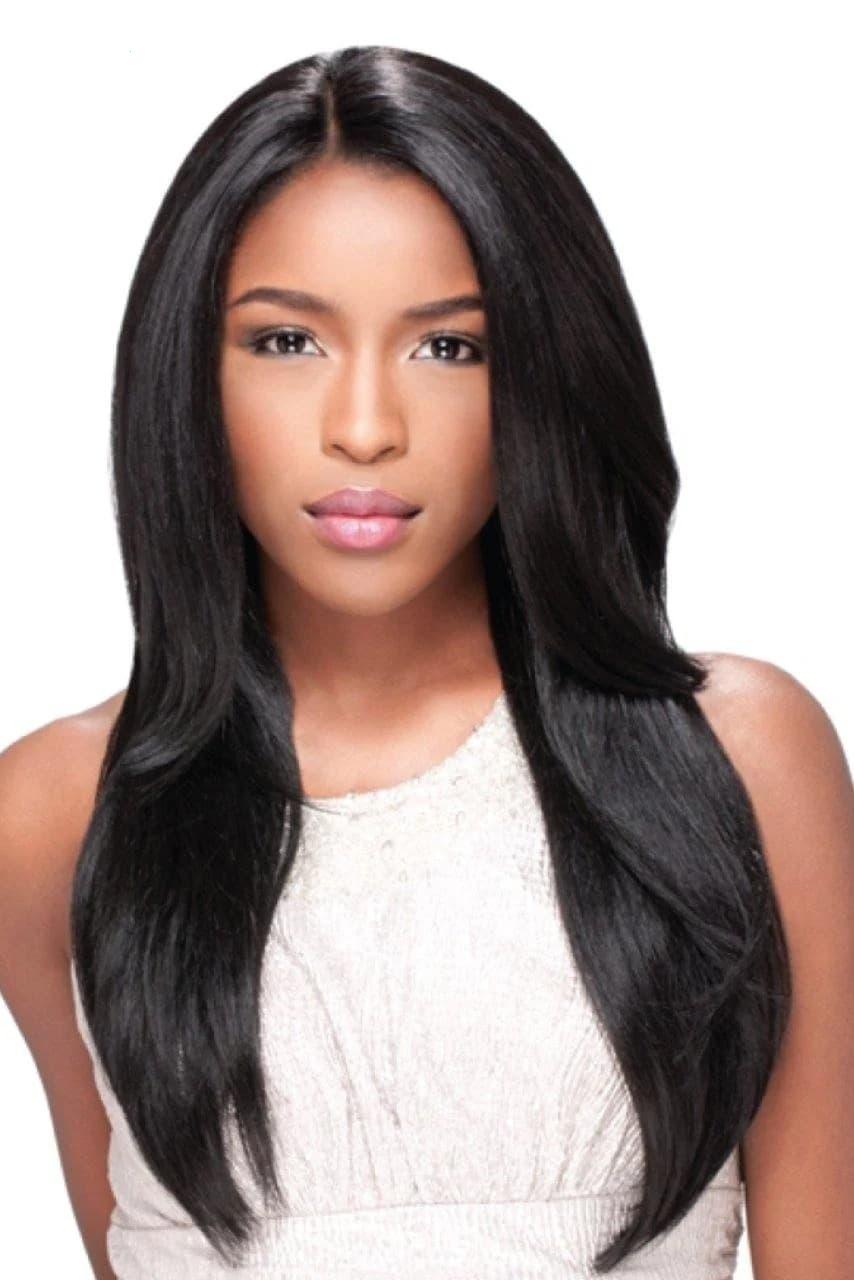
Top features that consistently make a wig "best"
- Realistic hairline (often lace front)
- Natural density and movement
- High-quality fibers (Remy human hair or premium heat-resistant synthetics)
- Secure, breathable cap construction
- Good customer support and transparent product information
When comparing candidates for the best wigs, score pieces across these attributes to identify winners that suit your priorities.
Specific style recommendations by use case
Daily wear and comfort: Look for monofilament or lace front with medium density and adjustable straps. Occasional glam: Full lace or lace front human hair with higher density and longer lengths delivers red-carpet movement. Budget-friendly and low care: Modern heat-friendly synthetics with memory-style fibers often top "best wigs" lists for casual users who want style without salon time.
Common pitfalls and how to avoid them
Avoid pieces that advertise vague terms like "premium fiber" without specifications. Misleading product photos and unclear cap details often indicate low-quality wigs. Request close-up photos of the hairline, cap interior, and the nape area. Also be cautious of excessive shine — a telltale sign of low-quality synthetic fibers. The true best wigs display realistic luster and movement rather than glossy plastic-like shine.
Practical longevity tips: rotate multiple wigs to reduce wear, use silk or satin pillowcases, and store wigs on a stand to preserve shape. Regular maintenance extends life and keeps your investment among the best wigs in terms of cost-per-wear.
Environmental and ethical considerations
For conscious consumers, check the sourcing practices of human hair vendors. Traceability, fair compensation, and ethical procurement are increasingly important. Some of the most recommended "best wigs" brands highlight transparency in sourcing and sustainable practices for packaging and shipping.
How to read wig product descriptions like a pro
Look for specific fiber type (Remy, non-Remy, heat-friendly synthetic brand names), cap construction (lace front vs full lace vs monofilament), density percentage, base measurements, and recommended styling temperatures. The best product pages will have detailed photos showing the hairline, nape, and internal cap. These are indicators often present in the top-rated best wigs entries.
Health and scalp considerations
People with sensitive scalps or medical hair loss should consider lightweight monofilament caps and hypoallergenic adhesives. Breathability is essential to prevent irritation. Consult with a wig specialist or dermatologist if you have specific medical concerns. Many medical-grade wigs that rank among the best wigs prioritize scalp-friendly materials and construction techniques.
Before and after: realistic expectations
You may need minor professional customization to achieve a natural look: tinting lace, plucking hairline, and layering to fit face shape. These adjustments often convert an off-the-rack wig into one of the best wigs for your personal use.
Checklist: 10 questions to ask before you buy
- Is the fiber type explicitly listed?
- What is the cap construction?
- Are measurements and density provided?
- Is there a clear return policy?
- Are user photos available (not just studio images)?
- Can the piece be heat-styled or colored?
- What is the expected lifespan with regular care?
- Is the hair ethically sourced (if human)?
- What attachments or adhesive options are recommended?
- Does the seller provide shade guides or samples?
Answering these will bring you closer to selecting one of the truly best wigs for your situation.
Real-world testing: what reviewers look for
Reviewers test wearability, naturalness of the hairline, shedding, tangling, and color fidelity after washing and styling. The highest-ranked products in aggregated "best wigs" lists consistently demonstrate low shedding, stable hairline integrity, and realistic parting. Photos over time are especially useful — look for consistent performance in longer-term wearer reviews.
Maintenance products that earn the most praise
Invest in a wig-specific shampoo, conditioner, detangling spray, and heat-protectant. For lace front wigs, a gentle lace cleanser and brush with soft bristles will maintain the hairline. Using the recommended products extends life and keeps your unit among the best-performing wig options.
Summary: finding your best wig in 2025
To find the best wigs that will serve you in 2025, prioritize realistic hairline construction, appropriate fiber type for your styling needs, transparent product details, and reputable sellers. Customize and maintain consistently to get the greatest value from your purchase. With careful selection, any well-made wig can become your signature look.
Top quick tips
- Test cap fit before styling
- Start with medium density for the most natural look
- Choose lace front for front realism, full lace for updos
- Reserve human hair for heat styling and longevity
- Pick heat-friendly synthetics for low maintenance
Expert tip: If you are new to wigs, start with one high-quality synthetic and one human hair option; this lets you compare care routines and visual performance before investing in a premium full lace unit.
FAQ
Q: Are human hair wigs always better than synthetic?
A: Not necessarily. Human hair offers more styling freedom and longevity, but modern heat-friendly synthetics can be more convenient, lighter, and very realistic. Prioritize based on your lifestyle.
Q: How often should I wash my wig?
A: Wash frequency depends on wear: weekly or biweekly for daily wear, or less frequently for occasional use. Use gentle, wig-specific products.
Q: Can I swim or sleep in my wig?
A: Swimming is not recommended unless using a secure, swim-rated cap; salt, chlorine, and prolonged water exposure can damage both human and synthetic fibers. Sleeping in a wig shortens lifespan — use a silk bonnet if you must.
Related products
Blog
- did sly stone wear a wig Exploring the Evidence, Rare Photos and Eyewitness Accounts
- where to donate wigs - top charities, local programs, free pickup options and tax deduction tips
- how do you keep a wig on your head 10 Easy Comfortable Methods That Really Work
- How to Wear a Short Wig with Long Hair - 7 Insider Tips for a Seamless Natural Blend
- Why does lawyers wear wigs and how this centuries-old courtroom tradition shapes modern justice
- how long does a synthetic wig last A 2025 guide to typical lifespan, care tips and when to replace
- Expert tips and step-by-step advice on how to care for wigs synthetic for longer wear, shine, and style
- how to install a wig with glue step-by-step guide for beginners to achieve a natural secure hold