
Glossary: short terms
- Bleached knots: Process to lighten knots so they are less visible.
- Ventilation: The method of hand-tying hair into lace.
- Lace tint:
 Makeup or spray used to blend lace with scalp tone.
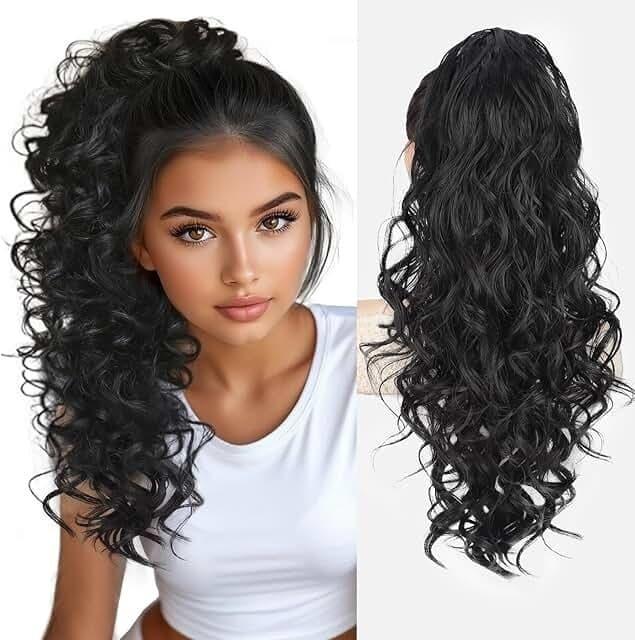
If you've ever wondered how to use a lace front wig to achieve a realistic, confident look, this comprehensive guide walks you through step-by-step techniques, product recommendations, common pitfalls and pro tips that stylists rely on. Whether you're new to lace-front systems or updating your routine, you’ll find practical, actionable advice on preparation, application, customization, security and maintenance designed to extend the life of your investment and keep your hairline looking flawless.
Lace-front wigs simulate a natural hairline by using a sheer lace material at the front where individual hairs are knotted. This creates the illusion that hair is growing from the scalp. The benefit is a virtually undetectable perimeter and the ability to style hair away from the face. Understanding the construction helps when learning how to use a lace front wig with care: lace type, knot color, density and cap construction all influence the final effect.
Great results start before the wig touches your skin. Follow these preparatory steps to ensure a smoother, longer-lasting hold and a more natural look when learning how to use a lace front wig:
Options include lace wig glue, tape, gel adhesives, and elastic bands. Each has pros and cons for wear time, strength, and skin sensitivity. When practicing how to use a lace front wig, start with tape or a low-strength glue to learn the process before moving to stronger adhesives. Tools to keep on hand: an angled edge brush, small scissors, scalp protector, alcohol wipes, and a stability band or scarf for drying.
Applying a lace-front wig is both technical and artistic. These core application methods help you blend the lace seamlessly with your skin.
For sensitive skin or short-term wear, sew an elastic band inside the cap to keep tension along the perimeter. This method minimizes adhesive use and is ideal for daily wearers who remove their wigs nightly.
Even with quality lace, minimal customization makes a huge difference in realism. When studying how to use a lace front wig, learn to refine these small details:
Most human hair lace-fronts can be heat-styled like natural hair. Always use a heat protectant and work on low to medium settings. Synthetic variants often require steam styling or cannot be heated — check the manufacturer's recommendations.
Long-term wear requires consistent maintenance. Security methods and daily habits keep your lace-front wig looking fresh and natural.
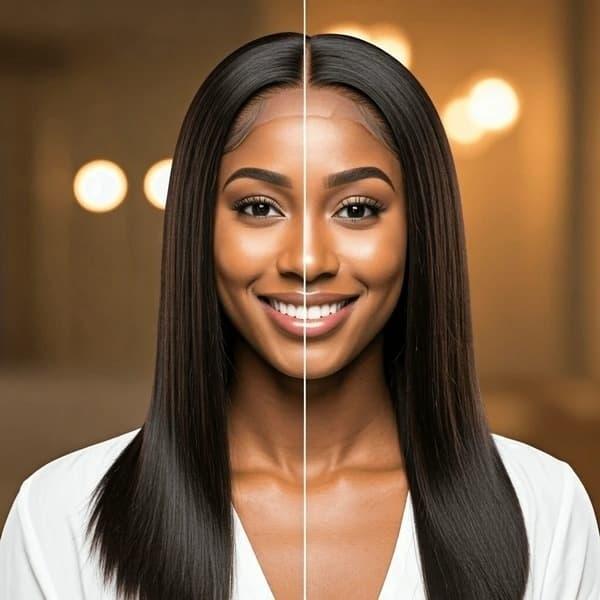
Washing frequency depends on activity level and product buildup. When washing, remove adhesives with a gentle remover and shampoo from roots to ends, avoiding the lace base as much as possible to protect knots. Deep condition hair but keep treatments away from the knots and lace cap; soak and air dry on a wig stand to preserve shape.
Learning how to use a lace front wig involves avoiding a handful of repeated errors that compromise realism and longevity:

If your lace lifts at the temples, focus on better adhesive application and cap fit. Itchiness often stems from product residue or reaction to adhesive; try a skin-friendly adhesive or a barrier like scalp protector. Visible knots can be softened with tint, plucking, or professional re-knotting.
Versatility is one of the main appeals of lace-front systems. Below are go-to looks and how to achieve them while maintaining a realistic hairline.
When dyeing a human-hair lace-front, do a strand test and consider seeking professional colorists who are experienced with units. For added volume or length, sew-in wefts inside a ventilated cap and blend carefully to preserve the natural perimeter.
With consistent care, a quality human-hair lace-front can last months to years depending on frequency of wear and styling. Store on a mannequin head to retain shape, limit heat exposure, and avoid sleeping with heavy product buildup. Rotate between multiple units to extend each wig’s life.
Annual or semi-annual professional services such as re-lacing, deep cleaning, and style refreshes restore life to older units and maintain a convincing hairline. Professionals can also thin and tint lace more safely than at-home attempts.
Soak the adhesive line with remover and let the product dissolve glue before gently lifting. Pulling off without adequate softening can tear lace or displace hair. After removal, cleanse the scalp and the lace base thoroughly, and apply nourishing treatments to both your hair and the wig.
Mastering how to use a lace front wig takes patient practice. Small refinements — like subtle plucking, correct lace tinting and practicing glue application — yield dramatic improvements. Keep a reference photo of the hairline you like and work in small steps rather than radical immediate changes. The combination of good preparation, proper adhesives, realistic customization, and routine care is what produces a believable, comfortable and lasting look.
When assembling your toolkit, prioritize scalp protectors, skin-friendly adhesives, lace tint, a fine-tooth edge brush, wide-tooth comb, silk scarf, and a breathable wig stand. If you’re seeking a one-on-one upgrade, consult a wig technician for trimming, bleaching knots, or bespoke coloring.
Makeup or spray used to blend lace with scalp tone.Most beginners feel comfortable after several practice sessions; expect a learning curve of a few applications to a couple months for confident, consistent results.
Swimming removes many adhesives and can tangle hair. Use secure tape and a swim cap, or opt for a sports-specific wig; for heavy sweating, reinforce the adhesive and clean after activity.
Bleaching knots risks weakening the lace or discoloring hair; if you’re new to the process, seek a professional. If you attempt it, follow strict timing, use recommended products and restore moisture afterward.