Whether you're a veteran wig wearer, a cosplay enthusiast, a stylist, or someone exploring a fresh look, understanding what’s new helps you decide with confidence. The world of arda wigs in 2025 blends advanced cap technology with fashion-forward colors, sustainable fibers, and realistic styling possibilities. This comprehensive guide will walk you through trending silhouettes, practical care, value-focused price insights, buying strategies, and styling tips that make your next purchase smart and satisfying.
Brands like arda wigs emphasize fit, longevity, and believable texture. Consumers want convenience without compromising realism. Advances in lace and ventilation, improved heat-resistant synthetic fibers, and refined human-hair blends mean a wig can perform like natural hair while being easier to manage. arda wigs often appear in runway-inspired looks and everyday wear because they balance quality with accessible price points.
Knowing the material helps you align expectations. Synthetic arda wigs are pre-styled, often budget-friendly, and available in bold colors. Heat-friendly synthetics let you shape curls and waves with controlled heat. Human-hair arda wigs deliver the most natural movement and versatility, though they need more care and may cost more. Hybrid or blended caps combine synthetic durability with human hair’s texture, offering a middle ground for many buyers.
Cap style affects comfort and longevity. Look for adjustable straps, breathable lace, and secure comb placements. Many arda wigs now offer monofilament crowns that mimic natural scalp parting, and machine-tied or hand-tied lace fronts that enhance realism. If you have sensitive skin, check for soft, non-abrasive cap linings and hypoallergenic materials.
The measurement process is straightforward: use a soft tape to measure hairline-to-hairline across the forehead, temple-to-temple over the top, and nape circumference. Compare these to the sizing chart provided by the seller. Reputable arda wigs retailers include clear measurement guides—choose custom or adjustable caps if standard sizes don't fit well.
Color is a defining part of modern arda wigs. Natural brunettes and soft balayage remain popular, while fashion-forward users choose pastel blends, vibrant jewel tones, or two-tone ombrés. When picking colors online, use high-quality product photos and read reviews for color accuracy. If exact color match matters, look for sellers offering color swatches or dyeable human hair options.
arda wigs can be styled like natural hair when they are human or heat-resistant synthetics. Tips include using low heat settings, protecting fibers with thermal sprays, and avoiding heavy oils that weigh strands down. Use wide-tooth combs for detangling and work from ends to roots to prevent shedding. For lace fronts, specialty adhesives and proper blending techniques with makeup or concealer will perfect your hairline.
1. Pre-shape on a wig stand; 2. Use heat protectant for styling; 3. Finish with a light-hold spray; 4. Reposition lace and secure for all-day wear.
Long-term value of arda wigs depends on care. For synthetic pieces, use cool water and a wig-specific shampoo, reshape while damp, and air dry on a wig stand away from heat. For human-hair arda wigs, treat them like expensive extensions: sulfate-free shampoo, deep conditioning occasionally, and minimal heat styling. Store wigs on breathable stands to maintain shape and reduce tangling.
Weekly: detangle and spot-clean; Monthly: deep wash and condition; Seasonal: refresh cap elastic and check for wear.
Strong adhesives keep lace-front arda wigs in place during active use. Choose medical-grade adhesives for sensitive skin and ensure you follow removal instructions carefully. For temporary wear, use forehead tape or wig grips. Blending techniques like plucking, baby hairs, and using lightweight concealer products help just-right hairlines that appear natural in photos and close-up shots.
Test adhesives on a small skin patch, never sleep with strong glues on unless specified safe, and store adhesives per manufacturer instructions. Remove gently and use recommended removers to protect both lace and skin.
Price varies with fiber, cap construction, and brand reputation. Budget synthetic arda wigs can start at affordable tiers, mid-range heat-resistant synthetics and basic human-hair options sit in a moderate bracket, while premium custom human-hair systems command higher prices. Balance cost with expected lifespan: a well-cared-for human-hair arda wigs piece may last significantly longer, offsetting the initial investment.
Trusted sources matter. Purchase arda wigs from established retailers, verified brand shops, or boutique specialists that offer fitting and aftercare. When buying online, read verified customer photos, check seller return policies, and confirm shipping and customs details if ordering internationally. Boutique purchases often include professional styling and fitting services, which can be worth the premium.
Verify cap size, fiber type, return policy, shipping timelines, and review authenticity badges or certificates. For custom orders, confirm lead times and any additional alteration costs.
Many arda wigs owners choose to customize: cutting to face shape, tinting lace, or adding highlights. A skilled stylist can thin heavy fronts, adjust bangs, and add layers to suit your facial proportions. Custom ventilating or hand-tying increases natural movement but may raise cost; weigh these upgrades against your desired outcome.
Oval faces suit most lengths; round faces benefit from longer layers and side parts; square faces soften with wispy bangs; heart shapes often balance with chin-length styles. Try virtual try-on tools when available for arda wigs before committing.
Sustainability is rising in importance. Seek arda wigs options made from responsibly sourced hair, recyclable packaging, and eco-friendly synthetic alternatives. Brands increasingly offer transparency about sourcing and labor—look for certifications and verify supply chain practices when possible.
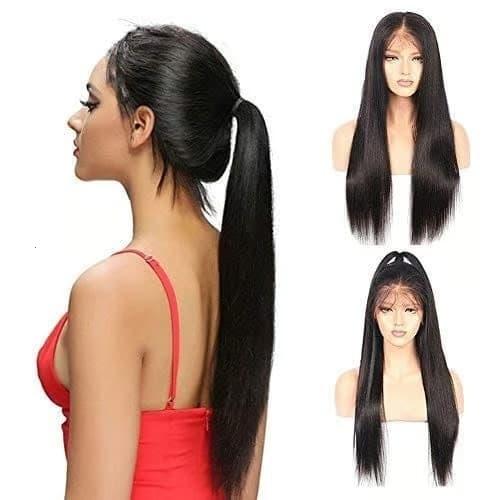
One of the biggest pitfalls is choosing based solely on photos without checking caps and sizing. Avoid over-styling heat-sensitive synthetics, neglecting cap hygiene, and skipping return policy checks. Also, beware of deals that seem too good—authentic arda wigs quality often reflects in price and seller reputation.
1. Confirm measurements. 2. Read multi-angle photos and reviews. 3. Purchase from verified sellers. 4. Keep receipts and packaging for returns.

Buy mid-season sales, bundle with styling tools, or select interchangeable cap options. Consider a versatile base color that takes subtle tinting better than extreme shades. If you’re new, start with a synthetic arda wigs to experiment, then upgrade to human hair for staple looks.
If you’re preparing to purchase, compile photos of colors and styles you like, note your budget, and list must-have features (e.g., lace front, monofilament, heat resistance). Communicate clearly with sellers about dyeability and post-purchase support—many arda wigs sellers offer useful guidance for first-time buyers.
Essential items for arda wigs care include a wide-tooth comb, wig brush, non-abrasive stand, wig shampoo, silicone-free serum for human hair, heat protectant for heat-styling fibers, and breathable storage solutions. Keep a small emergency kit with bobby pins, tape strips, and a compact wig grip for on-the-go fixes.
Label your storage containers with purchase date and care notes—this small habit helps track usage and decide when to refresh or replace your arda wigs.
Rotate wigs if you own several pieces, minimize frequent heat, avoid sleeping in your wigs, and address tangles gently. For human-hair arda wigs, occasional salon-grade conditioning treatments performed professionally preserve softness and reduce breakage.

Many retailers now offer AR and virtual try-on tools allowing you to visualize length, color, and face-framing effects. Use these tools with an eye on screen color calibration—comparing several simulated images helps reduce color surprises when your arda wigs arrives.
Keep all original packaging for returns. Document any manufacturing defects as soon as you receive your arda wigs and contact the seller promptly. Understand what counts as normal wear versus defect to avoid complications with warranty claims. Some sellers provide repair services for lace or cap elastic, which can be a cost-effective option.
1. List must-haves and nice-to-haves for your new arda wigs.
2. Measure your head and consult sizing charts.
3. Choose fiber type aligned with your daily routine.
4. Prioritize trusted sellers with clear return policies.
5. Plan for accessories and aftercare to maximize lifespan.
The 2025 landscape for arda wigs offers exciting choices: realistic caps, sustainable options, and bold colors converge with accessible pricing bands. Your ideal purchase balances realistic expectations with lifestyle needs and long-term care. With the right research and a few practical habits, your next arda wigs can transform your look and provide years of reliable wear.
A: With regular care, synthetic arda wigs can last several months to a year depending on frequency of wear and maintenance; heat-resistant fibers may last longer if used carefully.
A: Yes, human-hair arda wigs can often be dyed, but it’s best handled by a professional to avoid damage and ensure even color results.
A: Lace fronts greatly improve hairline realism and parting; however, good-quality monofilament or well-constructed caps can also achieve a convincing look depending on style and fit.
