
how to remove smell from human hair wig fast natural at home remedies and pro tips for lasting freshness

how to remove smell from human hair wig — practical fast solutions and longer-lasting routines
Freshening a human hair wig quickly and keeping it smelling clean doesn't require expensive salon-only treatments. This comprehensive guide covers fast at-home remedies, gentle cleaning steps, pro-level tips for lasting freshness, and storage and maintenance routines to prevent return of odors. Throughout this article you will find actionable steps, natural ingredients, and product suggestions that address common causes of unpleasant scents in human hair wigs.
Why natural human hair wigs smell and how to think about odor control
Understanding the source of an unpleasant aroma is the first step to effectively neutralizing it. Common causes include trapped sweat and skin oils on the wig cap or lace, product buildup (hairsprays, serums, dry shampoo), environmental factors (smoke, cooking smells), improper drying after washing, and long-term storage in a damp or airtight place. Identifying whether the smell sits on the strands, the cap, or both will dictate the most efficient solution when learning how to remove smell from human hair wig.
Quick checklist to diagnose the smell
- Smell strongest near the roots or cap: likely sweat, oils, or mold on the cap or base.
- Smell evenly distributed across lengths: product buildup or environmental absorption.
- Smell only after rain or humidity: possible mildew or insufficient drying.
- Smell like smoke or food: surface absorption, needs deodorizing and airing.
Fast, immediate solutions to neutralize odor at home (under 30 minutes)
If you need urgent deodorizing for a wig you'll wear soon, try these quick, gentle methods that are safe for human hair wigs when applied properly.
1) Air and sunlight (natural, zero-chemistry)
Place the wig on a breathable wig stand or padded mannequin head in a shaded but well-ventilated spot for 20–60 minutes. Direct harsh sunlight can dry or fade hair fibers so prefer indirect sun. Air circulation helps volatile odor molecules dissipate; this is often enough for light smells like cooking or perfume transfer.
2) Alcohol-based quick spray (DIY)
Mix 1 part isopropyl alcohol (70%) with 3 parts distilled water in a spray bottle and mist lightly from 12–18 inches. Alcohol evaporates fast and carries away odor molecules; it also has light disinfecting properties. Test a hidden section first, especially on dyed wigs, and avoid saturating the cap or lace.
3) Vodka or clear liquor spray (gentler scentless option)
Plain vodka diluted with water acts similarly to isopropyl alcohol but may be less drying. Use a mix of 1 part vodka to 4 parts water, add a few drops of essential oil if desired. Shake well and mist lightly. This is a favorite pro trick for last-minute refreshes because vodka dries odorless and removes odors without leaving residue.
4) Baking soda quick dust
For surface-level smells, sprinkle a light dusting of baking soda onto the inside cap and through the mid-lengths, let sit for 10–20 minutes, then gently shake out and brush the wig with a soft brush. Baking soda adsorbs many odor molecules. Avoid heavy application near lace or glued areas.
Deep cleaning routines for strong or persistent odors
When smells persist after quick fixes, a careful deep wash is necessary. Human hair wigs tolerate many of the same cleansing methods you use for natural hair, but they require extra gentleness around the cap, lace front and any stitching. Follow these steps to deep-clean while keeping hair healthy.
Tools and supplies you'll need
- Gentle sulfate-free wig shampoo or baby shampoo
- Light conditioner or a silicone-free wig conditioner
- Wide-tooth comb or wig brush
- Large basin or sink, towel, and a wig stand
- Optional: white vinegar, baking soda, activated charcoal sachets
Step-by-step deep wash method
- Fill a basin with cool to lukewarm water and add a small amount of mild shampoo. Avoid hot water which can open cuticles and strip color.
- Gently submerge the wig and use your fingers to distribute shampoo; do not rub or twist. Focus on the cap and hairline first if those areas are odorous.
- Rinse thoroughly under cool running water until water runs clear.
- Mix a cup of water with 1/8 to 1/4 cup white vinegar for a clarifying rinse if odors persist. Vinegar neutralizes alkaline residues and many odor-causing compounds; briefly pour through the wig then rinse lightly.
- Apply a small amount of conditioner to the mid-lengths and ends, comb gently with a wide-tooth comb while conditioner is in, then rinse with cool water.
- Blot excess water with a towel and place the wig on a stand to air-dry completely before storing. Ensure the cap is fully dry to prevent mildew formation.
Natural deodorizing ingredients and how to use them safely
Many household items neutralize odors without harsh chemicals. Use them carefully and sparingly so they don't damage hair or leave residues that attract dirt.
White vinegar (acetic acid)
Safe when diluted; clarifies and neutralizes odors. Mix 1 part vinegar to 4 parts water for a rinse and follow immediately with a clear water rinse to remove vinegar smell.
Baking soda (sodium bicarbonate)
Works as an odor adsorbent. Use as a light powdering for interiors or pre-wash soak (1–2 tbsp in basin) to lift odors; always rinse fully to avoid chalky residue.
Lemon juice
Has fresh scent and mild bleaching action, useful in tiny amounts for very light-colored wigs. Dilute heavily and avoid sun exposure after application to prevent unwanted lightening.
Activated charcoal
Place small sachets of activated charcoal in the storage container or near the wig to passively adsorb odors over days. Do not place charcoal directly on hair fibers.
Essential oils
Lavender, tea tree, or rosemary oils can add a pleasant scent and antimicrobial benefits when used in tiny dilutions (1–2 drops per ounce of carrier like distilled water or vodka). Avoid applying undiluted oils directly on the wig cap or lace.
Professional tricks and products for lasting freshness
For regular wearers or stylists, these pro-level solutions deliver durable results and reduce repeated need for heavy cleaning.
- Clarifying shampoos: Use monthly to remove styling product buildup that traps odors. Follow with a deep conditioner.
- Anti-odor sprays and sanitizers: Shop for salon-grade wig sanitizers formulated for human hair which deodorize without drying. Use sparingly and test compatibility.
- Steam treatments: Professional steam can relax the hair cuticle and release trapped residues and smells. Consult a professional stylist to avoid heat damage.
- Ultrasonic cleaners for caps: Some clinics use gentle ultrasonic baths for caps to dislodge particles—widely available only to professionals.
Preventive maintenance for long-term odor control
Prevention reduces how often you need deep cleaning. Implement these routines to keep a fresh-smelling wig longer.
Daily and weekly habits
- Brush gently nightly to remove product residue and tangles.
- Allow the wig to air out after each wear—use a breathable stand, avoid sealed boxes for several hours.
- Use a light mist of vodka or a fabric-safe deodorizing spray after wearing, focusing on the cap and underlayers.
- Rotate between two or more wigs if possible to allow complete airing and reduce buildup.
Storage tips
Store the wig on a stand in a cool, dry, odour-free area. Use breathable boxes or cotton bags; add a sachet of activated charcoal or cedar to the storage for passive odor control. Avoid plastic bags for long-term storage—they trap moisture and odors.
Special considerations: dyed, heat-treated, or vintage wigs
Treated or color-processed hair requires extra care. Use color-safe, sulfate-free formulas and avoid excessive vinegar or alcohol treatments that strip dye. For vintage wigs, leaning on very gentle clarifying and professional deep-clean services is wiser than repeated home remedies.
Common mistakes to avoid when trying to remove wig odors
Many well-intentioned fixes can cause damage or make odors worse:
- Do not soak lace fronts in boiling or hot water—heat can damage knots and lace glue.
- Avoid excessive use of scented products that temporarily mask smells but add buildup.
- Don't use bleach, harsh detergents, or concentrated perfumes directly on hair or cap.
- Never store a damp wig in a sealed container; this invites mildew and strong, hard-to-remove smells.
How to test if your deodorizing method is safe
Before any new treatment, pick a small, inconspicuous section near the nape or inside the cap and apply the chosen method. Wait for full dry to evaluate for color change, texture change, or residual scent. Proceed with the full treatment only if the test area shows no adverse effects.
Pro tip: Keep a small travel kit for quick refreshes containing a detachable spray bottle of diluted vodka, a small comb, a microfiber towel, and a few blotting papers to absorb scalp oils after wearing.
When to seek professional help
If smells return repeatedly despite proper cleaning, there may be underlying issues like mold inside the cap or a chemical reaction from previous treatments. A professional wig clinic or experienced stylist can help deep clean, replace the cap, or recommend restorative services to extend the life of the wig.
Throughout this guide you have seen multiple safe, tested approaches to learn exactly how to remove smell from human hair wig quickly and for the long term. Combining immediate fixes (airing, vodka misting, baking soda) with careful deep washing, periodic clarifying, proper storage, and proactive daily habits will keep wigs smelling fresh and extend their usable life.
Summary checklist: quick reference
- Avoid sealing damp wigs—air-dry fully on a stand.
- Use diluted vodka or isopropyl alcohol sprays for fast deodorizing.
- Deep wash with mild shampoo + optional vinegar rinse for persistent odors.
- Employ baking soda or activated charcoal for passive odor absorption.
- Rotate wigs and maintain gentle daily care to reduce buildup.
FAQ
Q1: Can I use fabric softener or dryer sheets to make my wig smell good?
A1: Not recommended. Dryer sheets and fabric softeners leave residues that attract dirt and may coat fibers, causing buildup and reducing natural movement. Instead, use the light vodka spray method or a few drops of essential oil diluted in water for a fresher scent.
Q2: Will vinegar ruin colored wigs?
A2: When diluted (1 part vinegar to 4 parts water) and used sparingly as a clarifying rinse, vinegar usually won't ruin color, but always spot-test first. For vivid or fragile dyes, use a color-safe clarifier or consult a professional.
Q3: How often should I deep wash a frequently worn human hair wig?
A3: For everyday wear, deep wash every 1–3 weeks depending on product use and exposure to odors. Light-use wigs might only need monthly cleaning. Between washes, use light airing and quick deodorizing sprays.
Q4: Is steaming a safe method to remove smells?
A4: Professional steaming can help release odors and refresh hair fibers safely when done by experienced technicians. At home, avoid excessive steam or direct heat near the cap and lace; controlled, gentle steam is best left to pros.
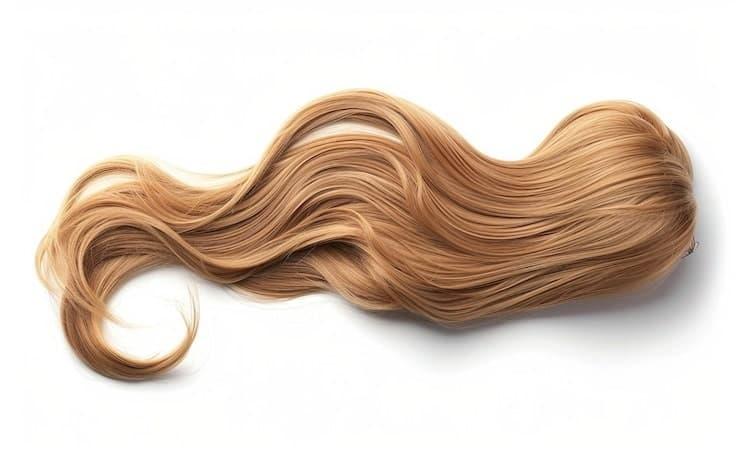
By following these layered strategies—immediate fixes, thorough cleaning, professional options, and disciplined storage—you can master effective ways to remove smell from human hair wig and keep it smelling clean and fresh for long periods.
Related products
Blog
- dolly parton wig shopping and styling guide to recreate the iconic country star look
- why did founding fathers wear wigs - surprising social political and practical reasons revealed
- Gentle at home routine on how to wash a synthetic wig without wig shampoo and keep fibers soft
- is a weave a wig explained with clear differences, styling tips, upkeep advice and common myths
- cheap human hair wigs buying guide for natural looks and budget friendly styling
- can you try on wigs at a wig store - a practical shopper's guide with etiquette tips and what to expect
- Investigating does meghan markle wear wigs with expert insight, photos and stylist analysis
- why do orthodox jewish women wear wigs — history, religious reasons and modern choices explained