
Gentle at home routine on how to wash a synthetic wig without wig shampoo and keep fibers soft
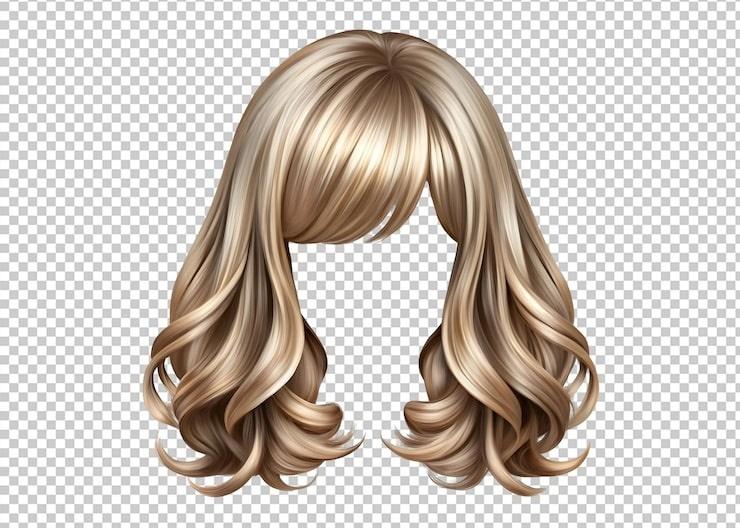
Practical guide: how to wash a synthetic wig without wig shampoo and preserve soft fibers
Maintaining a synthetic hairpiece at home doesn't require specialized cleaners to stay clean, bouncy and soft. Many readers search for simple, safe methods that avoid commercial wig shampoo yet still keep fibers looking natural. This extended guide offers a gentle at-home routine that emphasizes fiber care, safe cleaning agents, step-by-step technique, and long-term storage tips for anyone learning how to wash a synthetic wig without wig shampoo. The aim is to deliver an SEO-friendly, practical resource that answers the key question while expanding into related best practices for longevity and softness.
Why you might skip wig shampoo
There are several reasons people prefer alternative cleaning methods: cost considerations, sensitivity to ingredients in wig shampoo, limited availability, or simply wanting to use gentle household products. Note that genuine wigs are delicate: the fibers are either heat-sensitive synthetic, heat-resistant synthetic, or a blend. Using harsh detergents or too-hot water can damage the curl pattern, cause frizzing, or make hair look dull. Learning how to wash a synthetic wig without wig shampoo means choosing low-impact cleaners and a patient, careful approach.
Quick overview of what works well
- Gentle dish detergent or mild baby shampoo diluted in cool water is often enough to remove oils and light buildup.
- White vinegar in a weak rinse can help remove residue, neutralize odors, and add shine when used sparingly.
- Fabric softener diluted in a final rinse can temporarily reduce static and improve softness — use very small amounts and rinse thoroughly.
- Detangling conditioners for synthetic hair, or lightweight silicone serums, can help smooth fibers after washing.
Materials you will need
Before you begin, assemble everything so you can work efficiently and avoid stressing the wig: a basin or sink, cool to lukewarm water (never hot), a measuring cup, a gentle liquid detergent (dish soap, baby shampoo, or sulfate-free mild soap), optional white vinegar, a wide-tooth comb or wig brush designed for synthetics, a microfiber towel, a wig stand or foam head for drying, and clips to hold shape if needed. If you have a heat-resistant synthetic wig, check manufacturer instructions for maximum safe styling temperature before attempting heat styling later.
Step-by-step gentle routine
1. Pre-clean inspection and light detangling
Before any wetting, gently inspect the wig for tangles, matted areas, or visible residues such as hairspray, makeup, or topical oils. Use a wide-tooth comb or a wig brush to remove loose tangles working from ends toward the roots. This reduces stress on fibers during washing and helps cleaning solution penetrate evenly. Pretreat heavily soiled spots by applying a tiny amount of diluted detergent directly and letting it sit for a few minutes — avoid scrubbing.
2. Prepare a gentle wash solution
Fill a basin with cool to lukewarm water. Add one teaspoon of baby shampoo or a mild dish soap per liter/ quart of water; you want a mildly soapy solution, not sudsy. If you choose to use household soap, avoid those with bleaching agents or strong fragrances. For those learning how to wash a synthetic wig without wig shampoo, the principle is dilution and gentleness: concentrated chemicals are the enemy of fiber flexibility.
3. Submerge and soak
Lower the wig into the basin carefully, letting water soak through the fibers by gravity rather than rubbing. For a full-length simulation: hold the wig by its cap and gently press it down so water moves from top to bottom. Allow the wig to soak for 5–10 minutes to loosen oils and dirt. Avoid twisting, wringing, or aggressive agitation — think of bathing the wig, not laundering a towel.
4. Gentle movement and spot cleaning
After soaking, you can swirl the wig gently in the water for 10–20 seconds. If you must remove stubborn dirt, lightly press soapy water along the affected strands with your fingers. A soft toothbrush can be used sparingly on the nape area where buildup often accumulates, but only with very gentle pressure.
5. First rinse
Lift the wig from the basin and drain the soapy water. Refill with cool, clean water and submerge the wig to rinse. Repeat until the water runs clear and there are no visible soap suds. Rinsing thoroughly is critical: residual detergent left in synthetic fibers can cause stiffness or attract dust.
6. Optional vinegar rinse for shine
For an extra softening step, prepare a weak vinegar rinse by mixing one tablespoon of white vinegar per cup of water (approx. 15–30 ml per 250 ml). Lightly submerge or pour the mixture over the wig, then immediately rinse again with cool water. This helps remove lingering residues and can depose a faint sheen on synthetic fibers. Use vinegar sparingly and always perform a small patch test if you're unsure how the fibers react.
7. Remove excess water carefully
Never wring or twist a synthetic wig. Instead, lay the wig flat on a clean microfiber towel and gently blot to absorb moisture. You can fold the towel over and press lightly to speed water removal. Some prefer to pat with two towels for maximum absorption. Keep the wig shaped naturally while blotting, especially if it has curls or waves that need preserving.
8. Conditioning and detangling while damp
Once excess water is removed, apply a small amount of leave-in conditioner designed for synthetics or a diluted fabric softener solution (a teaspoon in a cup of water) sprayed lightly. Work the product through with fingers or a wide-tooth comb starting at the ends and moving upward. This step is key for keeping fibers soft and manageable. Avoid heavy oils or products meant for human hair that may weigh down synthetic strands or leave residue.
Drying, shaping, and styling
Air-dry on a wig stand for the most natural shaping. Place the wig on a foam head or a wig stand with good air circulation and let it dry completely out of direct sunlight and away from heat sources. For short styles, you can shape strands while damp using fingers and clips to create volume. For curly synthetics, allow curls to air set. If you own a heat-resistant wig and wish to use a low-heat tool, follow the manufacturer's max temperature guidelines and test on a small hidden section first.
Storage and long-term care
Store synthetic wigs on a stand or inside a breathable bag to prevent dust accumulation and flattening. Avoid hanging heavy wigs by clips for long periods and never store next to direct heaters, radiators, or in tightly sealed plastic for prolonged times. Routine maintenance — light brushing, occasional spot cleaning, and minimal product use — will extend time between full washes and keep fibers soft. For those practicing how to wash a synthetic wig without wig shampoo, consistency and gentleness are the habits that deliver the best results.
Common mistakes to avoid
- Using hot water — heat can melt or permanently deform synthetic fibers.
- Brushing a wet wig aggressively — this can cause stretching and breakage.
- Overusing conditioners or heavy oils — synthetics don’t absorb them the same way human hair does and residue builds up quickly.
- Skipping thorough rinsing — leftover soap causes stiffness and picks up dust faster.
Troubleshooting specific problems
Frizz and fuzzy texture
Light frizz can often be reduced by a careful dip in a diluted fabric softener rinse followed by careful shaping. For severe frizz, a commercial synthetic fiber restorer may be necessary; use sparingly and as a last resort.
Tangles at the nape
Tangles at the back can be prevented by storing the wig properly and avoiding sleep in a wig. For existing mats, use a detangling spray and work from ends up in small sections with a wide-tooth comb.
Loss of curl pattern
If a synthetic wig loses its curl, restoring the shape without using heat requires patient resetting: dampen small sections, wrap them on foam rollers or formers, let dry fully on a stand, then remove. For heat-safe synthetics, very low heat can be used cautiously if the label allows it.
DIY product alternatives that work
Many household items can substitute for wig shampoo when used carefully: a tiny amount of mild dish soap to cut grease, baby shampoo for gentle cleansing, a diluted vinegar rinse for residue removal, and a light fabric softener dilution for softness. For scented finishes, opt for fragrance-free products to avoid depositing perfumes into the fiber that attract dust.
Routine schedule
How often to wash depends on wear frequency and exposure to oils, styling products, smoke, or pollutants. For daily wear, a gentle wash every 6–8 wears is reasonable; for occasional use, once every 10–12 wears or even less. Between washes, use a soft brush and light deodorizing sprays created for wigs — or a tiny spray of diluted vodka/water mix to help neutralize odors (test on a small section first).
Eco and budget-friendly tips
Reusing rinse water to water non-sensitive plants (if no vinegar or oils are present) can reduce waste. Small amounts of diluted mild detergent are effective, meaning a little goes a long way — this is economical and eco-friendly. Store concentrated alternatives in small bottles to avoid buying proprietary shampoos with single-use plastic packaging.
When to seek professional help
If your wig has severe damage, significant shedding, or stubborn discoloration, a professional wig stylist or a salon that specializes in wigs can perform deep conditioning treatments, reshaping, or re-coloring more safely. Professionals also have tools and products specifically formulated for synthetic fibers that may be unavailable for home use.
Summary and quick checklist
In short, the best approach to how to wash a synthetic wig without wig shampoo is gentle: dilute mild soap, cool water, minimum agitation, thorough rinsing, light conditioning, blot-dry and air-dry on a stand. Keep a regular maintenance schedule and store wigs properly. Follow these steps and your synthetic piece will remain soft, realistic, and easier to style.
Extra practical tips
- Always perform a small patch test with any new household product on an unseen part of the wig.
- Use microfiber towels for blotting to reduce friction and snagging.
- Label your storage containers with the wig style and last wash date to track care.
- Keep styling products to a minimum; synthetics are more easily overwhelmed by heavy sprays and oils.

Related search phrases that may help
Readers often search variations such as "clean synthetic wig without wig shampoo", "washing a synthetic wig at home", "home remedies for synthetic wig care", and "how to clean a synthetic wig safely". Including these variants in your internal notes can improve discoverability and provide a wide net of helpful information to visitors.
how to wash a synthetic wig without wig shampoo is a practical skill that can be mastered with patience and the right low-impact materials. Follow this routine and adapt the small details to your wig's fiber type and usage pattern.
Optional FAQ
Answer: Regular household laundry detergents and harsh shampoos can be too aggressive for synthetic fibers; if you must substitute, use only tiny amounts of mild dish soap or baby shampoo diluted in cool water. Avoid detergents with optical brighteners, bleach or high-sudsing agents.
Q2: Will vinegar ruin my synthetic wig?Answer: A very weak vinegar rinse, used briefly and followed by a clean water rinse, generally will not harm synthetic fibers and can remove residue. Always test a small, hidden section first to ensure there is no adverse reaction with your particular wig material.
Q3: How do I keep a wig soft without using commercial conditioners?Answer: Light applications of a dilute fabric softener or specially formulated leave-in sprays for synthetics help maintain softness. Also, avoiding overheating, minimizing heavy products, and storing correctly contribute to tactile softness over time.
Related products
Blog
- will you wear wigs Discover why will you wear wigs is trending and how to choose flattering styles for every face
- Find the Best wig store Near You for Natural, Lace Front and Affordable Human Hair Wigs
- Women Wigs Buying Guide - Top Styles, Care Tips and Best Picks for Every Face Shape
- Discover human hair wigs near me today with top local salons, styling tips and honest price comparisons
- Top Tips for Buying a Blonde Lace Front Wig in 2025 for Natural Style and Easy Care
- what is a u part wig explained — a practical guide to wearing, styling, maintenance and choosing the best option
- does emily belle freeman wear a wig? Investigative look with photos, expert analysis and stylist clues
- how do you wear a half wig pro tips and easy steps for a flawless natural blend