
how to put on a wig cap for beginners - easy 7-step guide with pro tips to secure and style your wig
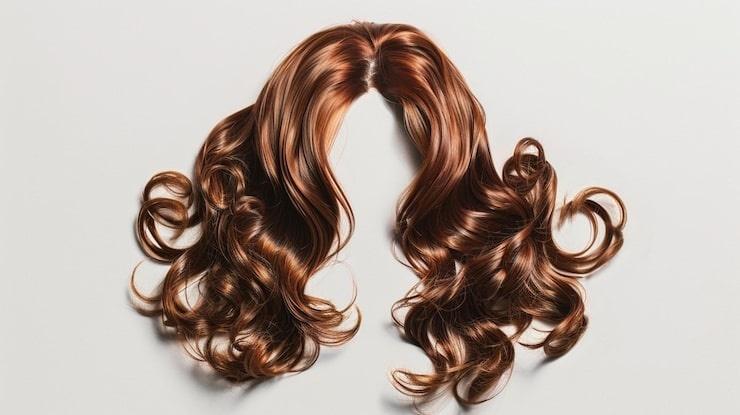
how to put on a wig cap for beginners: an easy, practical overview
If you're learning how to put on a wig cap for beginners, this long-form walkthrough will take you from preparation to a secure, natural-looking base for any wig. Whether you're preparing for everyday wear, a performance, or just practicing styling, the fundamentals remain the same: flatten your natural hair, choose the right cap, and secure it comfortably. This guide blends step-by-step instructions, pro tips, and troubleshooting so you can feel confident every time you fit a wig cap.
Why a wig cap matters
Using a wig cap creates a smooth foundation that keeps your natural hair in place, reduces bulk, and prevents slippage. For individuals with longer hair, a cap also protects strands from friction and helps wigs sit closer to the scalp, improving comfort and realism. Search engines respond to depth and relevance; by addressing the question how to put on a wig cap for beginners thoroughly, this page aims to be a helpful resource for new wig wearers and stylists alike.
What you'll need before you start
- Two wig caps (nylon/stretch and breathable mesh are typical options)
- Elastic bands or hair ties
- Bobby pins or hair clips
- Edge gel or holding spray if you have short layers
- Wig clips or adjustable straps (optional, for extra security)
- A mirror and good lighting
Choosing the right wig cap
There are several cap types: nylon/spandex caps for a tight, low-profile finish; mesh caps for ventilation; and full-coverage caps for medical use. Beginners usually benefit from a two-cap method: a thin nylon cap to compress hair and a mesh cap to create a non-slip layer. When considering how to put on a wig cap for beginners, cap material and fit are essential because a too-tight cap can cause discomfort while a too-loose cap lets the wig shift.
Preparation: flattening your natural hair
Start by detangling hair and smoothing it as flat as possible. For short hair, use a product to flatten baby hairs and flyaways. For medium to long hair, braid hair into 2-4 tight braids or create a low, flat bun. Use hair ties that won't slip, then gently smooth with a brush. Remember: the flatter and more even your foundation, the more natural the wig will sit.
7-Step method for beginners (easy and repeatable)
- Step 1 — gather and test fit the cap: Put the cap on briefly to ensure it fits your head circumference comfortably. If it feels too tight, try a larger size or a cap with more stretch. If it's loose, you can secure it later with pins or a small sewn elastic.
- Step 2 — position hair inside the cap: Carefully tuck braids, ponytails, or buns under the cap. For long hair, wrap braids around the base of the skull then pin flat. Ensure there are no lumps near the hairline. A mirror helps; if you're new to how to put on a wig cap for beginners, practicing this step a few times makes a big difference.
- Step 3 — pull the cap down to your hairline: Align the cap so the front edge sits at your natural hairline. For those with very fine hair or receding hairlines, position the cap slightly behind the hairline and blend later with makeup or baby hair styling techniques.
- Step 4 — secure with bobby pins or stitches: If you prefer not to use adhesive, secure the cap at the temples and nape with a few bobby pins. For long-term wear or active situations, sew a small elastic band inside the cap across the back to tighten the fit.
- Step 5 — add a second cap (optional but recommended): Layering a second cap helps contain flyaways and creates a grippier surface. Put a mesh cap over the nylon cap, smoothing it down to the hairline. Many stylists recommend this duo when teaching how to put on a wig cap for beginners because it minimizes shifting and improves breathability.
- Step 6 — check and adjust: Look in the mirror and run your hands over the cap to feel for bumps. Tuck or re-pin areas that feel loose. This tactile check prevents surprises once the wig is applied.
- Step 7 — optional adhesive for extra security: If you plan long wear or want an ultra-flat look, use wig tape or skin-safe adhesive along the hairline. Apply small amounts, let it become tacky, and press the cap edge (or the wig lace later) into place. Remove carefully with adhesive remover to protect your skin and the cap.
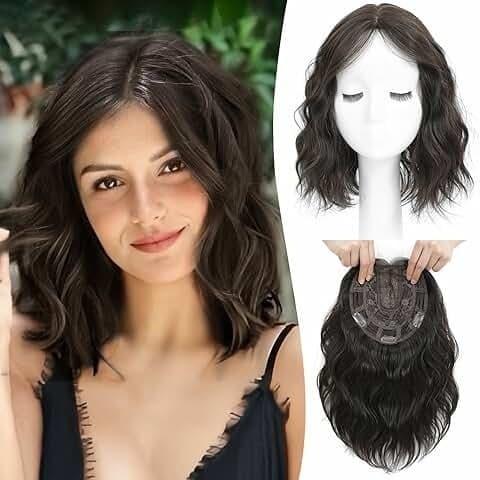
Pro tips to secure and style your wig
For a natural hairline, create small baby hairs with edge gel or a toothbrush. If the wig still shifts, sew snap-ins or wig combs into the wig's interior and clip them to your cap or hair. When learning how to put on a wig cap for beginners, experiment with each securing method to find a combination that fits your comfort level and activity needs. Use lightweight silicone or gel strips to add friction between cap and scalp without glue.
Common mistakes and how to avoid them
- Too many layers of product: Heavy gels can create lumps under the cap. Use lightweight smoothing serums sparingly.
- Improper cap size: Caps that are too tight cause headaches; too loose leads to movement. Measure your head if unsure.
- Skipping the tactile check: Always feel for bumps and re-pin before applying the wig.
- Using unfamiliar glue: Test adhesives on a small skin patch to check for irritation before full application.
How to adjust for different hair lengths and textures
Short hair: Use one thin cap and smoothing product to keep short layers in place. Medium hair: Braid or twist into flat pin-up styles then cap. Long, thick hair: Divide hair into sections, coil tightly and pin as flat as possible; consider tucking ends under a folded cap brim. Curly hair: Lightly flatten with a silk scarf overnight or use a breathable ribbed cap to hold curls compactly without crushing the hair's natural texture.
Maintenance and hygiene tips
Wash caps regularly—about every 1-2 weeks if worn daily. Nylon caps can be hand-washed gently in cool water with mild detergent, then air-dried away from direct heat. Replace caps when they lose elasticity; a stretched-out cap undermines the secure fit that beginners rely on when they practice how to put on a wig cap for beginners.
Styling the wig after cap application
Once the cap is secure, place the wig starting at the front hairline and glide it back over the head. Use wig clips or the built-in adjustable strap to secure the interior. Trim and style lace as desired. If you're blending your hairline with make-up, use foundation or concealer that matches your skin tone to reduce any visible cap edge. Styling should be done after confirming the cap is comfortable and stable.
Tip: When fitting a lace front wig, press the lace gently onto tacky adhesive or tape and hold for a few seconds; this simple step dramatically enhances the natural look along the hairline.
Quick checklist for first-time wearers
- Measure head circumference and choose the right cap size.
- Flatten hair with braids or twists.
- Put on the first thin cap, then optional second mesh cap.
- Secure at temples and nape with pins or sewn elastic.
- Apply wig and check alignment; style edges as needed.
Products and accessories that help beginners
Consider a wig grip band if you prefer to avoid adhesives; it surrounds the head and creates a non-slip surface. Wig tape and skin-safe adhesives provide stronger hold but require careful removal. Small wig combs sewn into the wig are helpful anchors to clip into your cap or hair. A satin scarf is useful to press everything flat while waiting for adhesives to set.
Troubleshooting guide
If the cap shows lines or bumps, remove it and re-tuck hair more carefully. Persistent slipping? Add more pins, a wig grip, or a small strip of double-sided wig tape between cap and scalp. If you experience redness or irritation, discontinue adhesives and consult a dermatologist if symptoms persist. Mastery of how to put on a wig cap for beginners involves iteration — try a new method each session until you find the right fit and comfort level.
Advanced adjustments for specific looks
For film or cosplay, secure a cap with hidden stitches and use spirit gum for a seamless lace front. For everyday natural wear, opt for breathable caps and minimal adhesives. If you plan to swim or exercise, secure both cap and wig with a combination of adhesive and sewn elastic to prevent movement under stress.
How often should you practice?
Practice frequently — the first few fittings may take 10–30 minutes depending on hair complexity. As you become familiar with the sequence of steps explained above, you can often complete the process in under 10 minutes. Repetition builds muscle memory and reduces errors when focusing on how to put on a wig cap for beginners.
Checklist before leaving the house
- Mirror check — front, sides, back (use two mirrors if possible)
- Edge styling and baby hair blending
- Secure inner wig straps or clips
- Carry a few pins and a small tube of edge gel for quick fixes

Summary
Learning how to put on a wig cap for beginners is a straightforward skill that improves with practice. Prioritize a flat foundation, correct cap sizing, and secure anchoring to ensure comfort and a realistic wig fit. Use lightweight products sparingly, and keep tools on hand for quick adjustments. With the steps covered here — from preparation through optional adhesive techniques — you'll gain consistent, salon-like results.
FAQ
Q1: How tight should a wig cap be?
A: A wig cap should be snug but not painful. It needs enough tension to hold hair flat and prevent slipping, but excessive tightness can cause headaches and circulation issues. If you feel discomfort, try a larger cap or add interior elastic to a looser cap to fine-tune fit.
Q2: Can I wear a wig cap with very short hair?
A: Yes. For very short hair, a single thin nylon cap is often sufficient. Smooth any baby hairs with light gel and ensure the cap sits at the natural hairline. If extra grip is needed, a mesh cap over the nylon cap provides stability.
Q3: Is it necessary to use adhesive every time?
A: No. Adhesive is optional and mostly used for extended wear or film-grade realism. For daily wear, secure caps with pins, wig grips, or sewn elastic. Save adhesives for special occasions when you need maximum security.
By following these techniques and experimenting thoughtfully, any beginner can learn a reliable routine for comfortable, secure wig cap application and build toward more advanced styling methods over time.
Related products
Blog
- how to cut lace front wig - 7 easy steps and pro tips for a natural finish
- Gabor Wigs Buying Guide 2025 Top gabor wigs Picks for Natural Style and Comfort
- does billy crystal wear a wig Revealed by Photos and Experts Unpacking the Actor's Hair History
- why does nicole kidman's hair look like a wig A stylist's insider breakdown of wigs extensions and red carpet styling
- does vince vaughn wear a wig — debunking rumors and revealing his hairstyle secrets
- how wash wig - 7 Simple Steps to Clean, Condition and Revive Your Wigs
- bob wig with curls - 10 pro styling and care tips for a natural-looking curly bob
- How to Make a Wig at Home with Weave - Easy Step by Step DIY Guide for Beginners to Create Natural Budget Friendly Wigs