
Gabor Wigs Buying Guide 2025 Top gabor wigs Picks for Natural Style and Comfort

Choosing the Right gabor wigs for a Natural Look and Comfortable Fit
If you are researching modern alternatives to change your hairstyle with confidence, the search for gabor wigs often leads to a balance between realistic appearance, lightweight wear, and everyday durability. This long-form guide walks you through the thoughtful considerations that will help you pick a piece that blends seamlessly with your life and personal style. We focus on fit, cap construction, fiber technology, color matching, maintenance, and curated styles to make the decision easier and more confident.
Why many stylists and wearers recommend gabor wigs
Professional stylists recommend certain brands and constructions because they address common concerns: natural hairline replication, breathable caps for all-day comfort, and fibers that mimic natural movement and texture. The name gabor wigs has become shorthand in conversations about mixes of realistic design elements with practical wearability. Below we unpack what makes a well-designed wig stand out and how to map those features to your priorities.
Key features to prioritize when choosing
- Cap construction: monofilament crowns, lace fronts, and hand-tied pieces provide different levels of realism. Lace front pieces often give a superior hairline while monofilament crowns allow multi-directional parting.
- Fiber type: premium synthetic fibers and human hair blends both have advantages; synthetics are low-maintenance while human hair offers heat-styling flexibility.
- Weight and breathability: a lightweight cap with strategic ventilation improves comfort for long wear.
- Adjustability: adjustable straps or stretch caps ensure a secure, custom fit.
- Color depth: multi-tonal colors and subtle highlights create a lifelike appearance.
Understanding cap constructions and why they matter
Cap design is foundational when selecting gabor wigs. The three most common options are machine-made caps, hand-tied caps, and monofilament or lace-front hybrid caps. Machine-made caps are cost-effective, offer volume, and maintain style well; however, their parting and hairline can look less natural. Hand-tied caps usually appear more realistic because each hair is individually secured, allowing softer movement and natural fall. Monofilament and lace-front combinations add realism at key visual points — the part and the hairline — while retaining structure and support. If realistic scalp simulation is a priority, look for a delicate monofilament top or an extended lace front.
Monofilament vs. lace front vs. hand-tied: quick comparison
- Monofilament: smooth, breathable, allows natural-looking part; excellent for sensitive scalps.
- Lace front: near-invisible hairline, ideal for styles that sweep away from the face.
- Hand-tied: highest movement and flexibility; tends to be pricier but superior for realism.
Fiber choices explained for durability and appearance
When searching for gabor wigs, you will encounter synthetic fibers, heat-friendly synthetics, human hair, and blended options. High-quality synthetic fibers now replicate natural luster and texture remarkably well and often come pre-styled to hold shape even in humid conditions. Heat-friendly synthetics allow low-to-moderate heat styling, while human hair can be colored and styled with the same tools you use on natural hair — but requires more care and often a higher initial investment.
The choice depends on lifestyle: choose premium synthetics if you want minimal upkeep and consistent style, choose human hair if you prefer the option to change the look with tools and dyes. Blends strike a middle ground; they offer improved realism over pure synthetics and require less care than full human hair pieces.
Color selection strategies to achieve a natural result
Selecting the right color is where many wearers achieve the most believable look. Multi-dimensional shades with subtle highlights, lowlights, and root depth mimic natural hair more convincingly than flat, single-tone colors. Whether you are matching to existing hair or choosing a totally new hue, consider skin tone, eye color, and wardrobe. Try to swatch in natural light and, if ordering online, look for detailed color charts and user-submitted photos to calibrate expectations. The term gabor wigs frequently appears in product descriptions emphasizing natural color blends and subtle shading because these attributes significantly improve realism.
Practical tips for color matching
- Match root shadows to the natural growth pattern to avoid a “wig wig” effect.
- Choose warmer tones for warm skin undertones and cooler tones for cool skin undertones.
- Use highlights sparingly if you want depth without bold contrast.
Face shape guide: pick a silhouette that flatters you
Different wig lengths and styles accentuate different face shapes. For example, shorter, layered shapes often suit oval and heart-shaped faces; longer, softly layered styles soften round faces; chinskimming bobs emphasize jawlines beautifully on square faces. When making a choice among gabor wigs, review styling suggestions and try virtual try-on tools when available. Many brands include recommendations like “best for round faces” or “ideal for heart-shaped faces” to help you narrow options.
Style shortlist by face shape
- Oval: versatile — try classic bobs, long layers, or soft waves.
- Round: choose longer silhouettes with vertical lines to add perceived length.
- Square: soft layers and side-swept bangs can minimize angular jawlines.
- Heart: chin-length volume and side parting balance a narrower chin.
Fit and comfort: technical considerations
Comfort matters as much as looks. A properly fitting wig not only looks better but feels better for prolonged wear. Look for features like light stretch caps, adjustable tabs, flexible wefts, and density control to reduce bulk. Many modern designs, including those marketed under the gabor wigs label, prioritize breathable fabrics and adjustable sizing. If you have a sensitive scalp, a monofilament or silicone-lined cap may reduce friction and irritation.
How to measure your head correctly
Measure circumference, front to nape, and ear-to-ear across the forehead. Most wigs provide a size guide (petite, average, large). If you fall between sizes, adjustable straps typically help fine-tune the fit, while professional fittings can offer custom solutions when needed.
Styling and maintenance: extend wear life
Proper care will lengthen the lifespan of any wig. For synthetics, mild detergents and specialized conditioners help maintain shape and softness. Avoid high heat unless the fiber is heat-friendly. For human hair, use gentle shampoos, deep-condition as needed, and store on a wig stand to maintain shape. Regular trims will keep the silhouette crisp. Many owners of gabor wigs report that treating the piece like real hair — but with slightly gentler handling — yields the best long-term results.
Cleaning routine
- Detangle gently with a wide-tooth comb before washing.
- Use cool water for synthetics, lukewarm for human hair.
- Pat dry on a towel; never wring. Air dry on a stand to maintain shape.
Budgeting: what to expect at different price tiers
Budget often influences choices. Entry-level pieces offer good value with stable, pre-styled shapes. Mid-range wigs provide improved fibers, color depth, and partial hand-tying. Premium options feature full-hand-tied caps, luxury fibers, and meticulous construction for the most natural movement. When shopping for gabor wigs, factor in not only the initial price but also potential costs for styling, alterations, and maintenance products.
Where to buy: online vs. boutique shopping
Buying online gives access to a huge selection and price transparency, while boutique shopping offers hands-on fittings and personalized guidance. If you buy online, choose retailers with generous return policies, accurate color swatches, and clear cap size information. Many online communities and review sections provide user-generated photos that can help you set realistic expectations for what a color or style will look like in everyday lighting.
Top selection criteria used by experts and seasoned wearers
The best picks typically meet these standards: realistic hairline, comfortable fit, reliable color rendering, low-maintenance fiber properties or easy-to-manage human hair options, and consistent construction quality. When assembling your personal shortlist, check the itemized specs: cap type, fiber description, weight in grams, available colors, and user reviews that describe long-term wear.
Making your first purchase: a step-by-step checklist
- Measure your head and identify cap size.
- Decide between human hair, synthetic, or blended fiber based on lifestyle.
- Choose cap construction emphasizing a natural part and hairline.
- Pick 1-3 colors and review real-user photos.
- Check return policy and warranty coverage.
- Order and allow a break-in period to evaluate fit and appearance.
Top style categories to consider in current trends
Trend wise, gentle waves, textured bobs, and shoulder-length layers remain popular because they frame faces softly and hide the plug-and-play nature of changed hair. Natural root shadowing and hand-painted highlights are popular coloring methods for realistic depth. Brands that market as gabor wigs often highlight these contemporary trends in their seasonal lineups to balance current looks with timeless shapes.
Styling tools and techniques
For heat-friendly fibers and human hair, use medium heat settings and heat protectants. For synthetic fibers that are not heat-friendly, use steam styling or rollers designed for wig care. Use a wig-specific brush to detangle and a light serum to reduce frizz. Avoid heavy products that build up quickly on synthetic fibers and can prematurely alter the texture.
Customizing your wig: small adjustments for a big impact
Minor customizations such as trimming bangs, thinning bulk at the crown, or creating a more natural hairline with plucking can drastically improve realism. Seek a professional stylist experienced in wig customization to avoid irreversible alterations. Many users of gabor wigs choose to have a professional make small adjustments on first wear to align the piece precisely with their head shape and personal styling preferences.
Accessories that improve wearability
- Silicone wig grips and headbands to prevent slipping.
- Breathable liners to protect the cap and extend hygiene between washes.
- Tiny wig clips for extra anchoring when needed.
Common pitfalls and how to avoid them
Buying the wrong size, neglecting return policies, and underestimating maintenance are common missteps. Read reviews for longevity reports and color fidelity notes. If possible, order two sizes or shades and return the one that fits or looks less natural. Many who have successful experiences with gabor wigs emphasize the value of trial, patience, and incremental adjustments rather than immediate custom cutting.
Environmental considerations and storage
Proper storage away from direct sunlight and heat preserves color and fiber integrity. Use breathable bags and stands. For long-term storage, wrap in soft tissue and keep in a cool, dry place. Consider materials that minimize environmental impact: some synthetic fibers now incorporate recycled elements, and human-hair sourcing policies may vary by brand — always review sourcing transparency if sustainability matters to you.
Evaluating brands and warranties
Look for brands that publish detailed construction specs and warranty terms. Warranties often cover manufacturing defects but not normal wear. Seek brands with responsive customer service and robust return policies. Users comparing multiple sellers of gabor wigs often weigh the clarity of product data and the quality of post-sale support heavily in their decision-making.
How to test for real-life comfort and appearance
After receiving a piece, wear it around the house in different lighting for at least 24–48 hours. Take photos from multiple angles and ask for second opinions if possible. Walk outside to observe how the wig behaves in wind and sunlight. Comfort should be assessed for friction points, heat buildup, and weight distribution.
Summary: Prioritize what matters most to you
The ideal choice depends on whether you value low-maintenance wear, ultimate realism, flexible styling, or budget constraints. To recap, focus on cap design for realism, fiber type for styling and maintenance, and proper fit for comfort. A clear checklist and informed shopping approach will make the process efficient and enjoyable.
Recommended questions to ask before you buy
- What is the cap construction and where are the natural parts located?
- Are the colors multi-tonal and do sample photos reflect everyday lighting?
- Is a return or exchange policy offered in case of size or color mismatch?
- What care products are recommended and are they included?
Closing advice for confident selections
Invest time in research and experimentation. The right piece can renew confidence and provide a low-fuss method to change your look instantly. Whether you prioritize everyday comfort, a realistic hairline, or a style that holds in varied weather, a careful approach to selecting gabor wigs will reduce surprises and increase satisfaction.
Community and further learning
Join online communities and forums to compare user experiences, view unedited photos, and get styling tips from seasoned wearers. Trends evolve, and user-shared content often reveals practical insights not found in polished product pages.
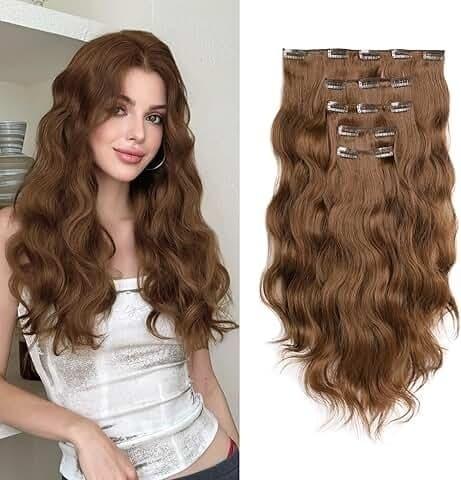
If you need a quick reference, return to the checklist in this article and prioritize cap type, fiber type, color realism, and return policy. These four checkpoints explain more about long-term satisfaction than price alone.
FAQ
Q1: How can I tell if a color shown online will match my skin tone?
A1: Compare product photos in natural daylight, review user-submitted images, and if available, request a sample swatch. Choose tones with similar root depth and undertone (warm or cool) to your natural complexion.
Q2: Are synthetic gabor wigs worth the cost over human hair?
A2: Synthetic pieces are worth it if you value low upkeep and consistent style retention; human hair gives styling versatility but requires more maintenance. Evaluate lifestyle and maintenance willingness when selecting between the two.
Q3: What is the best way to extend the life of a wig?
A3: Use gentle cleansing routines, avoid unnecessary heat on non-heat-friendly fibers, store on a stand away from sunlight, and use appropriate detangling techniques. Regular professional trims help maintain the silhouette.
End of guide — remember that careful measurement, realistic color comparison, and an understanding of cap construction and fiber properties are your best tools to secure a comfortable, natural-looking fit. Consider these insights and use them to refine your shortlist of gabor wigs so you can invest confidently in a piece that suits your lifestyle and aesthetic goals.
Related products
Blog
- How to Use a Wig Clip Step by Step Guide for Beginners to Secure Natural-Looking Styling
- Where to get wigs for cancer patients - expert guide to retailers free programs and styling advice
- why does kim zolciak wear wigs - The Real Reasons Styling Secrets and Fan Reactions
- Black Wig Trends 2025 Styling Ideas and Care Tips for Effortless Glam
- why is andrea walker wearing a wig — fans speculate and plausible explanations explored
- why lyle menendez had a wig revealed by new accounts and trial records
- do you wear a wig? Essential tips for choosing, styling and caring for your look
- how do you make a wig look natural practical step-by-step tips from stylists to blend secure and style for lifelike results