
how to cut lace front wig - 7 easy steps and pro tips for a natural finish

Cutting and Customizing a Lace Front for a Truly Natural Look
Why learning how to cut lace front wig matters
If you wear wigs regularly or you're preparing to style a new lace front, mastering how to cut lace front wig is a game changer. Proper trimming and shaping can transform a manufactured hairline into something that reads like natural growth, reduce bulk, and give you the confidence to wear the piece every day. This guide focuses on practical steps, professional tips, and common pitfalls so you can achieve a seamless finish at home or in a salon. Expect clear steps, tool lists, safety reminders, and styling advice to customize any lace front unit regardless of length, texture, or density.
Overview: What to know before you pick up the scissors
Before you dive into cutting, it's essential to understand the construction of a lace front unit. Lace front wigs have a sheer lace strip at the hairline where knots are tied individually; this section is designed to be trimmed and glued to mimic a natural scalp. The remainder of the cap may have wefts or a full lace base. Learning how to cut lace front wig involves trimming the excess lace, creating baby hairs, shaping the hairline, and sometimes thinning density. Preparation reduces mistakes and increases the likelihood of a natural outcome.
Tools you'll need
- Sharp hairdressing shears (do not use household scissors).
- Fine-tooth comb and wide-tooth comb.
- Thinning shears or a razor comb for soft edges.
- Mannequin head or your own head if you are experienced.
- Hair clips to section: duckbill clips are ideal.
- Rat tail comb for parting and precision.
- Isopropyl alcohol and adhesive remover for prep and cleanup.
- Wig stand and pins to secure the wig if working on a mannequin.
- Optional: lace tint or foundation to match the lace to your skin tone.
Understanding lace types and hair textures
The technique for how to cut lace front wig varies with lace transparency (transparent, medium, dark), knot type (single vs double), and the wig's texture (straight, wavy, curly, coily). For curly or textured wigs, cut less length initially because curls spring up. For straight wigs, you can be a bit more precise and remove small amounts gradually. If the lace is very dark compared to your skin, consider tinting or using foundation before trimming to preview the final hairline appearance.
Step-by-step: 7 practical steps to trim and customize
Step 1 — Prep and fit
Place the wig on your mannequin or wear it to determine the natural placement. Secure it firmly. If you are wearing the wig while cutting, fasten it with wig tape or pins, but do not glue it down until the lace is trimmed. Mark the hairline with a removable eyebrow pencil or a dots method to follow your natural contour. This step ensures you know where the hairline will sit and helps answer core questions about how to cut lace front wig strategically rather than arbitrarily.
Step 2 — Trim excess lace
Using sharp scissors, carefully trim the excess lace leaving about 2-3 mm of lace beyond the visible hairline. Many beginners make the mistake of cutting too close; this can expose tied knots or damage the hairline. Cut in small, angled snips rather than a straight line. Keep the scissors parallel to the curve of the forehead and work slowly. Remember, it's easier to trim more later than to replace lace.
Step 3 — Create a baby-hair perimeter
To emulate natural hair growth, create delicate baby hairs along the hairline. Isolate thin sections of hair and trim gently with small, controlled snips. Alternatively, you can pull the hair forward and use thinning shears or a razor at a slight angle to feather the ends. Avoid uniform blunt cuts; baby hairs should be irregular and varied in length. This is a key professional tip for how to cut lace front wig that provides realism and softens the transition from lace to skin.
Step 4 — Soften and shape the hairline
Use a razor or thinning shears to remove density and to give the hairline an uneven, natural finish. Working in small sections, make shallow cuts and step back frequently to assess balance. Thin the underside if the frontal feels bulky. For a widow's peak or specific hairline shapes, mark the area and remove hair conservatively. For curly units, stretch a small section and then make tiny cuts; avoid cutting when highly stretched because curls will spring back unpredictably.
Step 5 — Bleaching knots and tinting (optional but powerful)
Bleaching knots minimizes the visibility of tied knots on the lace. Apply a controlled bleach mixture to the underside of the lace for a short period; rinse immediately to avoid damage. If bleaching is not suitable, use lace tint sprays or foundation on the lace surface to match your complexion. This is a delicate chemical process—always perform a strand test and follow manufacturer instructions. Bleaching and tinting are advanced steps in mastering how to cut lace front wig for an ultra-natural finish.
Step 6 — Secure and style
Once trimmed and treated, secure the lace front with your preferred method—tape, adhesive, or temporary glue. Press the lace gently to adhere and use a scarf to tie down for 10-20 minutes to create a good bond. After securing, style using heat tools if the fiber allows (human hair vs synthetic has different heat tolerances). Use low heat and comb through to check for any visible lace edges. If they remain visible, add more baby hairs or layer blowouts strategically.
Step 7 — Final touches and maintenance tips
After cutting and styling, evaluate the overall silhouette. Trim any uneven areas, soften edges as needed, and keep a small pair of scissors handy for touch-ups. Maintain the lace by cleaning adhesive residues with safe removers and store the unit on a mannequin to preserve shape. Regular deep-conditioning (for human hair) and careful brushing for synthetic units will prolong the life of your trimmed and customized wig. These maintenance steps are part of the long-term strategy when learning how to cut lace front wig properly.
Pro tips and advanced techniques
- Less is more: remove small amounts at a time and check frequently.
- Angle is everything: cut at a slight angle for feathered, natural edges.
- Patch test any chemical: whether bleaching knots or using lace tint, always test on a small area.
- Use a magnifying mirror or bright light to inspect knots and lace edges while cutting or bleaching.
- For wispy bangs: dry-cut bangs rather than wet-cut to see the natural fall.
- When creating a side part, shift sections and trim asymmetrically to avoid a factory-perfect look.
- For density control, use thinning shears vertically into the hair shaft rather than horizontal slicing.
Common mistakes to avoid
- Cutting lace too close and exposing knots.
- Creating a perfectly straight hairline—real lines are irregular.
- Over-bleaching knots and causing hair shedding.
- Not securing the wig during cuts; movement can lead to uneven lines.
- Using home glue or adhesive without skin testing.
Customizing for different hair types
Straight wigs: Work in small horizontal sections, use sharp shears, and refine with a flat iron if human hair. Wavy wigs: Cut in dry state to better see wave pattern and curl spring. Curly/coily wigs: Cut conservatively, favor point-cutting techniques, and avoid aggressive thinning which can lead to frizziness. Each texture changes the approach to how to cut lace front wig, but the core principle remains: trim gradually and check often.
How to preserve the hairline after cutting
After you've created a natural hairline, preservation is essential. Avoid heavy gels at the hairline that attract buildup. Use lightweight hair oils or serums sparingly. Clean the lace with a gentle adhesive remover and shampoo to avoid weakening the knots. Store the piece on a foam head or silk pillow to maintain shape. Document your process—take before-and-after photos—so you remember the angles and amounts removed when you need to refresh the look.
When to seek a pro
If you are unsure, have a high-value unit, or need structural adjustments (cap resizing, re-knotting, or transplant-style hairline work), consult a professional wig technician. Experienced pros can perform hand-tied density adjustments, advanced bleach-and-tint color matching, and precision shaping that may be difficult to achieve at home. Learning the fundamentals of how to cut lace front wig still helps you communicate effectively with a stylist about your goals.
Step-by-step quick checklist
1. Fit and mark the hairline.
2. Trim lace leaving 2-3 mm beyond hairline.
3. Create baby hairs and feather edges.
4. Thin and shape hairline using razor or thinning shears.
5. Bleach knots or tint lace if needed.
6. Secure wig and style as desired.
7. Maintain and store properly.
Styling ideas after cutting
After mastering how to cut lace front wig, try variations: soft curtain bangs, face-framing layers, blunt bob with softened edges, or layered long styles. For a youthful finish, keep subtle baby hairs and avoid over-plucking. For a high-fashion look, experiment with dramatic parting and light mousse for texture. When heat-styling, always use a heat protectant and check the fiber's tolerance.
Safety and product recommendations
Choose adhesives designed for cosmetic use and skin-safe lace tint products. Use alcohol-based adhesive removers cautiously and moisturize the hairline area after removal. Always use salon-grade shears and replace dull blades to avoid jagged cuts. Keep disinfectant for tools to prevent contamination when working on multiple wigs.
Checklist of what to do if something goes wrong
- If you cut too much lace: consider applying an invisible lace strip or seek patchwork extension from a technician.
- If knots are visible after trimming: bleach carefully or use a concealer that matches your skin tone.
- If density is uneven: strategic clip-in pieces or small wefts can fill thin spots, or a professional can re-knot.
- If hair becomes frizzy after thinning: deep condition and use smoothing serums; for synthetic fibers, use specialty conditioners.

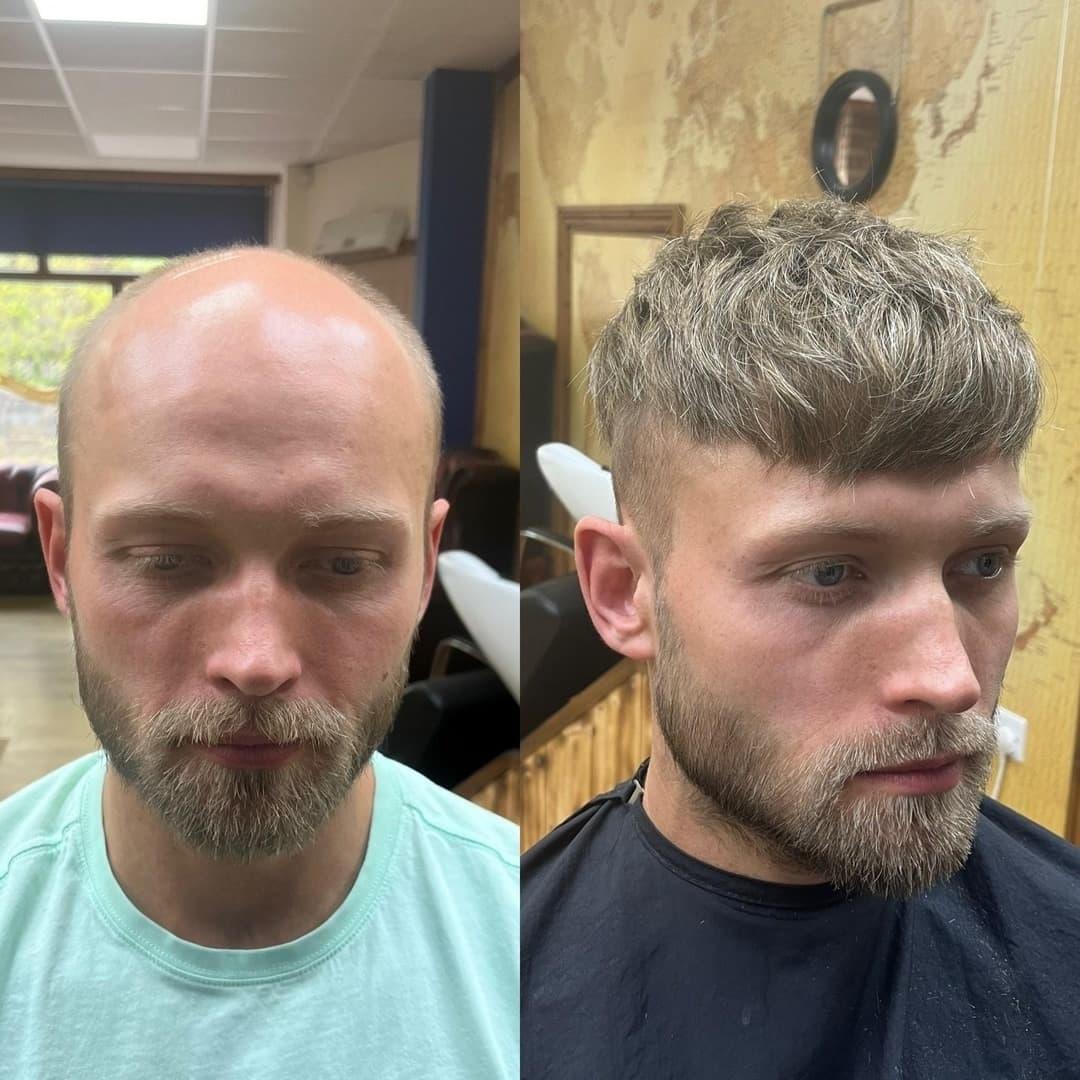
Mastering how to cut lace front wig is an evolving skill; the more you practice on cheaper or secondary units, the more confident you'll become when approaching premium pieces. Each wig presents unique opportunities to refine technique, and incremental adjustments will lead to a more convincing, comfortable, and flattering result.
Maintenance schedule
After customization, follow a monthly care routine: cleanse adhesive residues, deep condition (for human hair), detangle gently, and store on a stand. Verify the integrity of the lace and knots quarterly to catch issues before they worsen. Small, routine care sessions extend lifespan dramatically and keep your customized hairline looking fresh.
Resources and further learning
Follow credible wig stylists, watch step-by-step tutorials from professionals, join wig care forums to ask specific questions about brand, cap construction, and adhesives. Hands-on workshops are invaluable; consider a short course for professional-grade skills if you plan to cut lace fronts for others. Reinforce your learning by practicing how to cut lace front wig on multiple textures and densities.
Quick FAQ
A: Leave about 2-3 mm of lace beyond the hairline and trim in small angled snips to avoid exposing knots.
Q: Can I bleach knots myself?
A: Yes, but only with a strand test, proper ventilation, and following product instructions. Rinse promptly and avoid over-processing.
Q: What's the best tool for creating baby hairs?
A: Small shears, a razor, or thinning shears used delicately will create soft, varied baby hairs.
Q: How do I prevent a straight, artificial-looking hairline?
A: Feather the edge, vary lengths, and add sparse baby hairs. Avoid uniform trimming; real hairlines are asymmetric.
Final thought: investing time in learning controlled, conservative cutting and finishing techniques for lace front wigs will save money and yield a more convincing natural look. Whether you are a beginner curious about how to cut lace front wig or an experienced stylist refining your craft, approach each unit with a plan, patience, and professional tools to achieve the best results.
Related products
Blog
- Complete wig install tutorial with step-by-step tips for beginners and pro natural results
- How to Put on a Glueless Lace Front Wig Step by Step Guide for Beginners to Achieve a Natural Secure Fit
- Curious where can i buy human hair wigs Discover top online retailers local salons and budget friendly tips
- what are synthetic wigs made of - uncover the fibers, manufacturing methods and essential care tips
- why did colonists wear wigs uncovering fashion status and hygiene in early America
- From fiber choice to final styling - how wigs are made in a step by step guide
- have you worn wigs interview guide - expert answers, body language tips and follow up strategies
- does joanna lumley wear a wig Uncovered The Truth About Her Hairstyles Stylists and Photo Evidence