
Playful Portraits and Practical Tips for a Charming cat with wig
If you've ever scrolled through social feeds and paused at an adorable snap of a feline sporting a tiny hairpiece, you know the irresistible appeal of a cat with wig. This guide explores playful looks, safe styling advice, and photography strategies so you can create charming images of your furry friend while keeping comfort and wellbeing front and center. We'll move from quick styling tricks to DIY wig ideas, props, lighting, and caption inspiration to help your content stand out and stay search-friendly for anyone looking up "cat with wig" and related inspiration.
Why the cat with wig aesthetic works
People love novelty combined with a hint of anthropomorphism. A well-chosen wig can suggest personality, era, or character—immediately making an image shareable. For SEO purposes, including phrases like cat with wig in headings and image alt text helps align your site with search queries from pet lovers, photographers, and meme-hunters. But remember: behind the giggles is a living creature, so practice consent, patience, and safety first.
Top 10 playful wig styles to try (and why they pop)
- Retro bob: A tidy bob evokes mid-century charm and frames a cat's face for close-ups.
- Punk mohawk: Spiky or faux-fur mohawks create contrast with a relaxed cat expression.
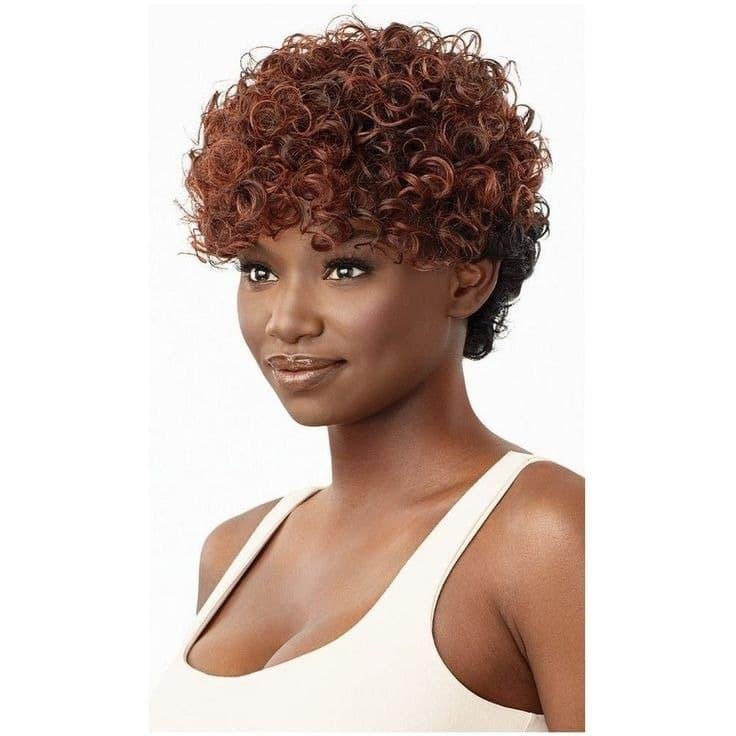
- Curly perm: Soft curls add visual texture that photographs well in soft light.
- Mini afro: High-contrast, fun, and perfect for wide-angle portraits.
- Elegant updo: Use lightweight materials to craft a fanciful, regal silhouette.
- Beach waves: A tousled look matches outdoor shoots near water or sand.
- Long flowing mane: Use a sleek synthetic piece for dramatic wind-swept frames.
- Funny bangs: Short bangs can create irresistibly human-like expressions.
- Color burst: Pastel or neon wigs make images pop against neutral backgrounds.
- Tiny hat-wig hybrid: Combines headwear and wig elements for a whimsical cameo.
Choosing a wig film-safe and cat-friendly
Always select lightweight, breathable materials and avoid items with small detachable parts that a curious cat with wig could ingest. Soft synthetic fibers are often easier to clean and less likely to tangle with fur. For DIY options, use felt bases or elastic bands that loop gently behind the ears rather than under the chin; elastic under the chin can cause stress if it tightens. Reinforce all attachments so they don't shed beads or adhesives—safety, fit, and quick release are priority considerations.
Before you place any piece on your cat
- Introduce props gradually: offer the wig as a treat-associated object first.
- Let your pet sniff and explore while it's off the head; positive reinforcement is key.
- Choose calm moments—after play or meals are often ideal.
- Keep sessions short: 30-90 seconds is usually plenty to capture a great frame.
- Watch for signs of distress: ears flattened, dilated pupils, or attempts to flee mean remove the item immediately.
Simple styling hacks for busy creators
For content creators wanting quick setups: use hair clips that are padded and covered in felt so they don't pinch. Velcro straps can be disguised with ribbon and adjusted for fit. A beanie or bandana can hide the base of a wig and reduce slipping. Remember to protect the cat's fur and skin: never glue directly to fur, and avoid adhesives near the face. If you're photographing a cat with wig for the first time, have an assistant ready with treats and a favorite toy to direct the gaze.
Lighting and composition tips that flatter
Natural, diffuse light reduces harsh shadows and captures subtle fur detail—aim for windows with sheer curtains or shaded outdoor areas for golden-hour portraits. Use a low-angle perspective to emphasize personality; eye-level shots feel intimate, while slightly lower camera angles can add humor. When styling a cat with wig, try simple backgrounds that contrast with the wig color to maintain focus on the subject. Use a shallow depth of field to blur distractions and make the wig the star.
Camera settings and practical photography approach
Fast shutter speeds help freeze tiny head turns—1/250s or faster for energetic cats. Use continuous autofocus tracking and burst mode to capture fleeting expressions. If you must use flash, bounce it off a ceiling or wall and soften it with diffusion to avoid startling the animal. Tag images with descriptive filenames and alt attributes like "cat-with-wig-retro-bob.jpg" and include a short caption and metadata referencing cat with wig to enhance discoverability across search engines and social platforms.
DIY wig building: tools, materials, and step-by-step
For makers: start with a soft felt base cut to fit the top of the head, add a flexible elastic loop that sits gently behind the skull, and secure fibers using stitching rather than glue. Use breathable fabrics and trim excess weight. For color effects, temporary hair chalk or pet-safe dye alternatives can be used on removable wigs for quick swaps between shots. If you're planning multiple looks, craft modular pieces that clip onto a neutral base for speed and variety.
Training your cat to tolerate accessories
Training revolves around desensitization. Reward calm behavior with small treats and gradually increase wig-on time. Keep sessions upbeat and end on a positive note. Over time, your cat may associate gentle headwear with play or treats and become more tolerant of brief styling for a photoshoot. Always prioritize the cat's comfort—no photo is worth distress.
Props, outfits, and staging ideas
Complement wigs with small collars, scarves, or themed backdrops—seasonal props like pumpkins or holiday ribbons can increase shareability. Use textured rugs, vintage trunks, or simple paper fans to add depth. Keep the number of items minimal so the viewer's eye lands on the cat with wig. Test different color contrasts: a pastel wig against a dark blanket or a bright wig on neutral tones enhances visual impact.
Editing and caption strategies for social reach
Light retouching—exposure, contrast, and a subtle clarity boost—can highlight the wig's structure without overprocessing textures. Use descriptive, searchable captions that incorporate "cat with wig" and related keywords like "pet cosplay," "feline fashion," or "cute cat accessories." Hashtags help on social platforms: #catwithwig #petfashion #catphotography and variations will reach different audiences. For SEO on websites, craft an H2 or H3 tag that includes the phrase and use it naturally in alt text and the opening paragraphs.
Where to buy or commission custom pieces
Small Etsy shops, pet costume stores, and cosplay prop makers often produce lightweight, cat-safe wigs. Look for vendors with clear photos, size guides, and quick-release designs. If you commission a piece, ask about materials, weight, and attachment methods—vendors who understand animal comfort will provide better, safer solutions. When listing a product on a site, include long-tail phrases such as "lightweight cat wig for photos" and ensure product descriptions repeat "cat with wig" sparingly but thoughtfully to aid search relevance.
Legal and ethical considerations
Never force an animal into a costume for entertainment. Some jurisdictions and platforms have rules against depicting animal harm or distress—photographers should be mindful and transparent. If monetizing images, disclose whether any props or treatments were used, and highlight your focus on welfare. For SEO compliance and trust-building, include a short note on safety and consent when publishing galleries of a cat with wig.
Creative caption and title ideas that convert clicks
Humor plus clarity draws clicks: "Fur and Flair: Tiny Wig, Big Personality" or "5 Seconds of Fame: A Playful cat with wig Steals the Show." Combine searchable keywords with emotional triggers—cute, hilarious, adorable, regal—to increase shareability. Use long-tail queries in subheadings and ALT tags to capture users searching for specific looks, such as "retro bob cat wig tutorial" or "how to style a wig on a cat safely."
Common pitfalls and how to avoid them
Over-styling, heavy adhesives, and ignoring signs of distress are the main issues. Keep sessions short, use treats liberally, and have an exit plan—if the cat seems unhappy, stop and try a different approach later. Never wrap items tightly around the neck or face. Test materials on a small patch of fur for sensitivity before prolonged use.
Checklist: Preparing for a quick wig photoshoot
Before you start: 1) wig cleaned and fitted, 2) treats and favorite toy ready, 3) assistant on hand, 4) camera settings prepped (burst mode, fast shutter), 5) safe backdrop and good natural light, 6) time limit set to keep the session brief. Check off each item to ensure a calm, efficient shoot and a happy cat.
Monetizing or sharing responsibly
If you're posting images of a cat with wig to monetize—through prints, social channels, or product pages—be transparent about the process and include a short welfare statement. Consider donating a portion of proceeds to cat welfare groups to reinforce ethical branding. Quality captions and SEO-rich descriptions with the keyword "cat with wig" placed naturally increase discoverability while maintaining trust with your audience.
Advanced ideas for series and themes
Create a character series (e.g., "Decades of Cats" featuring 1920s waves, 1970s shag, and 2000s emo) to build episodic content. Pair each image with a short micro-story and relevant keywords to target niche searches. Use consistent titling patterns such as "Cat Character: [Name] — [Wig Style]" and include the phrase cat with wig in the image metadata and gallery descriptions.
Community engagement and collaborations
Collaborate with pet stylists, prop makers, and animal welfare influencers for cross-promotion. Host a gentle "best wig" contest with clear rules emphasizing welfare and consent, and ask entrants to tag photos with #catwithwig to build a crowd-sourced gallery that boosts SEO via user-generated content. Encourage captions that describe how the look was achieved and what safety measures were taken.
Final thoughts: balance joy with kindness
The sight of a playful cat with wig can spark laughter and brighten timelines, but the magic works best when the animal's comfort is respected. By combining safe materials, patient introductions, short shoots, and mindful post-processing, you can produce delightful imagery that delights audiences and ranks well in search results. Use accessible language in captions and alt text, and always keep your subject's welfare at the forefront.
FAQ
- Is it safe to put a wig on a cat?
- Yes, if the wig is lightweight, free of small parts, introduced slowly, and removed immediately if the cat shows signs of stress. Always prioritize safety over a photo opportunity.
- How long should I keep a wig on my cat?
- Sessions should be very short—usually under two minutes—and only longer if the cat is relaxed and accustomed to wearing accessories. Start with a few seconds and build up slowly with positive reinforcement.
- What materials are best for cat wigs?
- Soft synthetic fibers on a felt or fabric base with elastic loops that sit gently behind the ears are commonly best. Avoid adhesives and heavy ornamentation.
By combining creativity with responsibility, you can capture whimsical portraits of a cat with wig that are both charming and ethical—perfect for social media, calendars, or just a treasured memory in your photo library.