
How a really cool wig lyrics Sparked a Viral Trend and What the Lines Really Mean
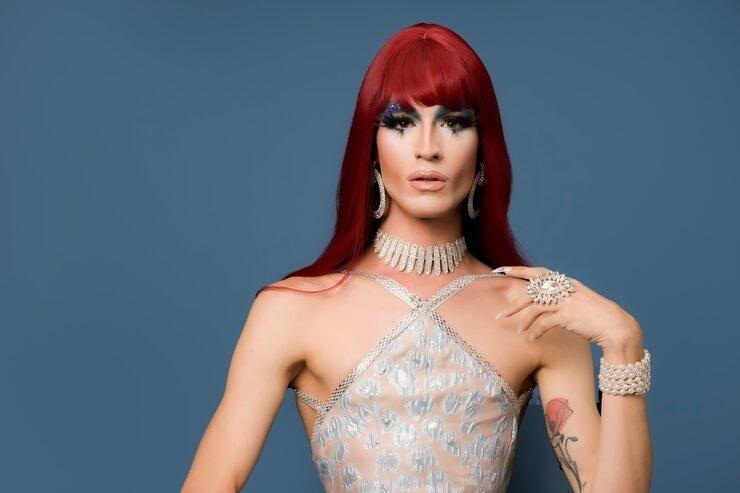
Why the phrase "a really cool wig lyrics" became an instant earworm and what listeners are actually singing along to
Introduction: In the fast-moving universe of short-form video and shareable audio snippets, a handful of memorable lines can ignite a global conversation. One such phrase, a really cool wig lyrics, has transcended its original song context to become a meme, a soundtrack for countless clips, and a subject of lyrical analysis. This long-form piece dives into the origins, the musical and cultural reasons why a really cool wig lyrics spread so quickly, what the individual lines likely mean, and how creators and listeners alike can think about repurposing it responsibly.
Where it started: tracing the genesis of the hook
To understand the viral lifecycle of a really cool wig lyrics, you need to look at three elements that commonly power breakout hooks: relatability, rhythmic simplicity, and visual potential. The line in question combines playful imagery with an easily hummable melody, and it appears in a recording that intentionally leaves space for reaction shots and edits. Musically, the cadence of the phrase is simple enough that non-musicians can clap or snap along, which makes it ideal for social formats. From a lyrical standpoint, a really cool wig lyrics operates as both literal and metaphorical material — it can be read as a fashion choice, an identity play, or a humorous disguise, depending on the visuals that accompany it.
Timing and placement: why a short chorus line matters
Lyric anatomy: what the lines mean when you listen closely
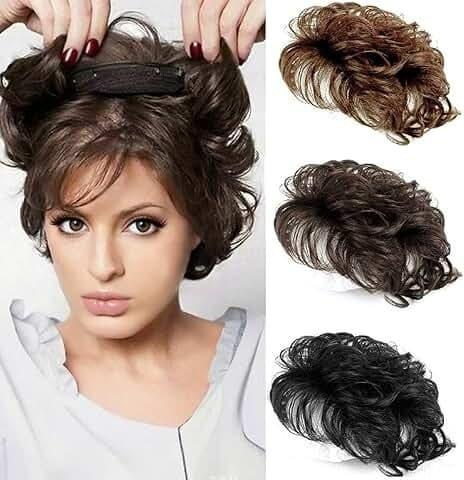
On the surface, the words that contain a really cool wig lyrics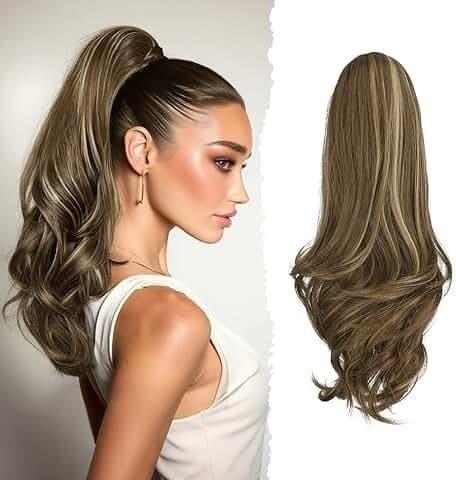 are straightforward and humorous. But beneath that surface there are multiple layers that explain its resonance. First, there's visual specificity: "wig" is an object you can easily show in a short clip, and wigs have strong associations with transformation and play. Second, the modifier "really cool" is casual and contemporary; it functions as both endorsement and irony, depending on delivery. Third, the surrounding syllables in the melody create an unforgettable stress pattern — a combination of strong and weak beats that aligns with how listeners naturally tap their feet or nod their heads.
Line-by-line: a close reading
- Opening line(s) — Often the phrase appears early on, setting the scene. It introduces a prop and an attitude, establishing the speaker as playful and confident. When paired with a confident visual reveal, the line becomes performative: it's not just about the wig, it's about owning the act of performing.
- Contrast lines — In many recordings, the main line is contrasted with quieter, reflective moments or with a sudden instrumental break. That contrast intensifies the phrase's impact, making a really cool wig lyrics sound like a punchline after a short pause.
- Repetition — Repetition is where the hook lives. Repeating a really cool wig lyrics lets it lodge in the listener's memory and gives creators multiple moments to synchronize video edits.
How creators adapted the line for social formats
Creators transform songs into actions. With a really cool wig lyrics, the most common patterns of adaptation are: (1) transformation reveals (before/after wig shots), (2) comedic mismatches (serious situations undercut by silly wigs), and (3) mashups with other trending audio. Each adaptation shifts the line's perceived meaning slightly. For example, when the phrase accompanies a glamorous reveal, it reads as aspirational; when it’s used in a parody, it reads as ironic. Creators benefit from this flexibility because it lets them ride the trend while still expressing individual style.
Production techniques that amplified the impact
Producers and DIY musicians who study virality often look for production details that increase snippet-ability. For a really cool wig lyrics, those include a short intro that leads directly into the hook, a clean sonic space around the lyrics (so the words are intelligible in vertical video), and a percussive hit or string scrape that coincides with a visual moment. When these technical features align, the audio is easier to repurpose, and that technical repurposability is one of the reasons the line traveled so far.
Social psychology: why people imitate and remix the line
Two psychological levers fuel imitation: the desire for social connection and the desire for attention. When creators see that a line like a really cool wig lyrics yields likes and shares, they recreate the structure while adding a personal twist. The line's brevity lowers the cognitive barrier to participation; it's easier to copy a 4–8 second snippet and add your own visual punch than to craft an entirely new concept. The meme economy rewards recognizable templates, and a really cool wig lyrics fit the template perfectly.
Language play: why the literal and figurative coexist
The phrase blends literal objecthood with figurative identity play. A wig literally changes appearance; figuratively, it lets performers experiment with gender, age, fashion, or persona. In linguistic terms, the wig becomes a synecdoche: a part stands for a larger act of transformation. Because transformation is a universally relatable theme, listeners and viewers make quick associative leaps — and those leaps help a line like a really cool wig lyrics move beyond its musical context into broader cultural meaning.
Gender, drag, and identity contexts
Wigs carry particular cultural weight in drag and performance communities. When a really cool wig lyrics is used in clips that reference drag culture, the line's playful endorsement signals safety and celebration. Creators who borrow the phrase for drag-related content are drawing on a lineage where wigs are not just accessories but tools for self-expression and community signaling.
Legal and crediting considerations for creators
When a short lyric becomes a trend, rights questions emerge. Platforms typically allow short snippets under specific licensing agreements, but creators should still be mindful of proper credit: naming the original artist, tagging the song, or linking to official releases helps maintain transparency and supports the people who made the work possible. Misattribution or claiming authorship of an original hook can create community pushback. For long-term use — for example, if a creator builds merchandise or a monetized routine around a really cool wig lyrics — formal licensing may be necessary.
How media outlets and commentators covered the phenomenon
Journalists who reported on the trend emphasized three story arcs: the origin story of the recording, the most memorable remix variations, and the sociocultural implications. Smart coverage avoided treating the viral moment as trivial; instead, it situated the line within ongoing conversations about viral culture, creative labor, and authorship. The better pieces highlighted not only the funniest remixes but also the creators whose innovative edits helped the phrase gain momentum.
Case studies: the most creative uses
- Transformation clips — Makeup and drag artists who used a really cool wig lyrics as the climax of a reveal. These often used a match cut or whip pan timed with a beat in the music.
- Social commentary — Videos that paired the line with unexpected contexts (e.g., board meetings, classroom settings) to satirize norms.
- Remix collaborations — Musicians and producers who layered new harmonies or beats under the line, creating fresh moods while keeping the original hook visible in the mix.
Metrics that define a trend
For an audio clip to become a true trend, platforms measure multiple signals: number of distinct videos that use the audio, total views across those videos, the velocity of growth, and cross-platform spread. a really cool wig lyrics checked all these boxes: a rapid first wave on one platform, followed by replications on adjacent platforms, and then media attention that further amplified the cycle.
Tips for creators who want to join a lyric-driven trend responsibly
If you plan to use a catchy line like a really cool wig lyrics, consider these guidelines: credit the original source, add unique value (a new narrative, better production, or an unexpected twist), and be mindful of cultural contexts. Avoid using the phrase in ways that mock marginalized communities or obscure the original creator's contribution. Memes are powerful tools for community building when used with care.
How musicians can design future breakout lines
Producers aiming for shareability should think about how a lyric will function as a short clip. Key considerations include: rhythmic simplicity, a clear emotional cue, sonic contrast surrounding the line, and a visual affordance (something that can be shown simply on-screen). The mechanics that propelled a really cool wig lyrics are replicable in principle: craft a hook that invites imitation and leaves space for visual storytelling.
Note: The phenomenon demonstrates how modern musical hooks exist simultaneously as audio content, visual prompts, and communal language — a multidimensional asset in a platform-driven culture.
Long-term cultural impact: will the phrase endure?
The lifespan of viral lines varies. Some fade after a single trend cycle; others become catchphrases embedded in everyday speech. a really cool wig lyrics has attributes that increase its chances of lasting longer than a single season: it denotes transformation (a timeless theme), it is concise and image-friendly, and it has already been integrated into different creative contexts. Whether it becomes a permanent catchphrase depends on continued cultural resonance and whether creators find new, meaningful ways to repurpose it.
What this teaches us about modern songwriting
Contemporary songwriting increasingly considers non-traditional metrics: will this hook stitch into another user's short video? Is the syllabic pattern amenable to lip-sync? Can the line carry a visual gag? These questions reflect a shift in how songs and fragments of songs are designed and evaluated. Rather than undermining artistry, the shift simply expands the parameters of what constitutes a successful musical idea: it's not only about radio plays and album sales anymore, but also about moments that travel through participatory culture.
Conclusion: The simple, memorable line a really cool wig lyrics offers a powerful example of how a few words, when combined with favorable production choices and social affordances, can spiral into a global creative conversation. For listeners, it’s a catchy hook that invites play. For creators, it’s a template to innovate upon. For songwriters and producers, it’s a case study in designing with virality in mind while preserving artistic integrity.
FAQ — common questions about the trend and the lyric
- Q: Who originally wrote the line featuring a really cool wig lyrics?
- A: The original writer and performer are credited on the official release; when using the line, it's best practice to link back to the artist's official upload or profile.
- Q: Can I monetize videos that use this lyric?
- A: Monetization rules vary by platform and by how much of the song is used. Short-form platforms often have licensing in place, but consult the platform's policies and consider securing rights for larger commercial projects.
- Q: Is it culturally insensitive to use the phrase in a joke?
- A: Context matters. Using the lyric to mock marginalized identities or to belittle cultural practices can be harmful. Aim for humor that targets situations and behaviors rather than identities.
Related products
Blog
- where can i donate used wigs and how to find trusted charities shelters and wig banks to help cancer patients
- 10 Easy Tips for how to keep a wig from slipping and stay confident all day
- why did egyptians wear wigs Uncovered - surprising fashion hygiene and ritual reasons from ancient Egypt
- does rhonda walker wear a wig Unpacked with Photos and Expert Insight
- Fresh Looks and Care Tips for the coral wig 2025 How to Choose and Style the coral wig Confidently
- Expert stylist guide how to make a wig look natural with 10 pro tricks for seamless undetectable results
- how to make a wig step-by-step for beginners - essential tools methods and pro tips to craft a natural-looking custom wig
- Pro tips on how to lay hair flat under wig without braids for a sleek natural finish