
Belletress Wigs Buyer Guide 2026 - Best Styles Honest Reviews and Easy Care Tips
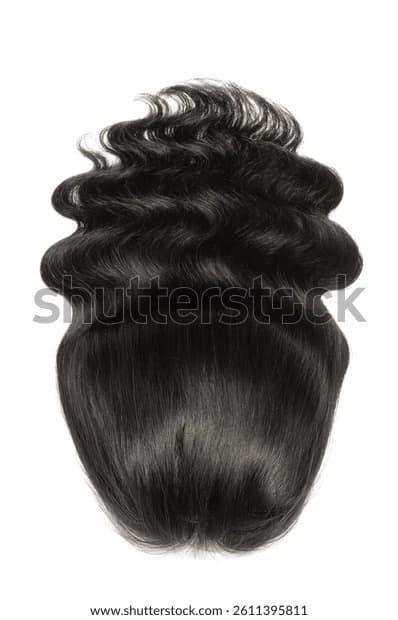
A practical, long-form guide to choosing and caring for belletress wigs in the modern era
This comprehensive resource is written for shoppers who want reliable, searchable, and practical advice about styling, maintaining, and selecting top-tier belletress wigs. It blends buyer-savvy thinking, product-minded comparisons, and realistic care routines so you can feel confident about your purchase and keep your investment looking fresh. Throughout the guide you will find clear decision points, pro tips, and realistic expectations—useful whether you're a first-time wig shopper or an experienced wearer looking to refine your routine.
Why focusing on the right brand and model matters
The marketplace for hairpieces is crowded, and the best outcomes come from matching personal goals—comfort, cost, longevity, or specific style—with a wig that suits your daily life. belletress wigs often rank highly for accessible styles, clear size guides, and a broad color palette. Still, the ideal approach is to align the wig's construction (cap type, fiber) and styling potential (heat tolerance, cut) with how you plan to use it.
Key decision factors before buying
- Purpose: Everyday wear, special event, stage, or medical use—each implies different priorities.
- Budget: Price bands will influence fiber type and construction—synthetic, heat-friendly synthetic, and human hair each carry trade-offs.
- Comfort and fit: Cap size, adjustable straps, and breathable construction matter most for long-term comfort.
- Maintenance level: Decide how much time you'll invest in washing, detangling, and restyling.
- Longevity: If you want a multi-year piece, prioritize human hair or premium heat-friendly synthetics and soft construction.
Understanding cap construction and why it matters
The internal architecture of a wig determines its fit, comfort, and how natural it looks at the hairline. Typical cap styles include full lace, lace front, mono-top, and basic machine-wefted caps. For wearers seeking realism at the forehead and part lines, lace front or full lace wigs deliver the most natural effect. For budget-conscious shoppers who prioritize volume and durability, machine weft caps are a sensible choice. Many belletress wigs models use lace fronts with adjustable straps and flexible combs—design choices that balance realism and everyday practicality.
Cap Types and Common Wear Profiles
- Full lace: Maximum styling versatility; can be parted anywhere and worn in updos, but typically higher cost and delicate.
- Lace front: Natural forehead and part but more affordable than a full lace piece; great for everyday looks.
- Mono top: Better part realism with less expense than full lace; ideal for center or side parting without full versatility.
- Machine weft: Most economical and durable; less realistic hairline but excellent for density and budget builds.
Fiber choices and trade-offs: synthetic vs human hair
belletress wigs come in multiple fiber options. Each fiber type influences styling, maintenance, and longevity.
- Synthetic fibers: Low maintenance and pre-styled; hold curls and color well but can tangle and are sensitive to heat unless specifically labeled heat-resistant.
- Heat-friendly synthetic: Can be restyled with moderate heat (<350°F/177°C) and offers a compromise between affordability and versatility.
- Human hair: Highest styling flexibility and most natural movement; requires more maintenance and is price-sensitive.
Real-world styling tips for everyday wearers
Styling expectations should be set based on fiber type. For synthetic belletress wigs, choose styles that benefit from long-lasting set curls or waves and avoid high heat. For heat-friendly synthetics, use lower temperature tools and a heat protectant. With human hair wigs, treat them like natural hair: invest in a quality shampoo/conditioner, use a wide-tooth comb or paddle brush, and plan periodic trims to remove split ends. For all types, secure the wig with discreet adjustable straps or wig tape for extra stability during active days.
Daily styling checklist
- Comb gently from tips to roots with a wide-tooth comb.
- Use leave-in conditioner on dry human hair wigs only; avoid applying heavy oils on synthetic fibers.
- Store on a wig stand to retain shape and airflow.
- Use a silk or satin pillowcase when sleeping in a wig to reduce friction.
Color selection: how to match shades and undertones
Choosing a color should consider natural skin undertone, lifestyle, and lighting. Cooler skin tones often pair well with ashier shades; warm undertones look great with golden or honey tones. When considering a bold change, request manufacturer swatches or color charts for belletress wigs to see how lighting affects perceived shade. Avoid buying a significantly darker color online if you cannot return it easily—good retailers include clear color swatches and return policies to mitigate this risk.
Sizing, adjustments, and fit tuning
Accurate head measurements are essential. Measure around the widest part of the head and across the front hairline to the nape. Most commercial wig lines, including many belletress wigs collections, offer small, average, and large sizes plus adjustable straps to fine-tune fit. If you fall between sizes, the adjustable features usually suffice; for consistent custom comfort, seek professional fitting or a custom cap.
Common fit issues and quick solutions
- Slipping: Use a wig grip, combs, or discreet adhesive for secure placement.
- Tension at the ears: Loosen straps slightly or consult a stylist to adjust ear tabs or trim excess cap material.
- Visible lace: Bleach knots or tint lace to match skin tone for a more seamless transition.
Top styles and silhouettes to consider in current trends
belletress wigs collections typically include classic bobs, beachy waves, long layered cuts, and glam curls. Trend-forward shoppers often prefer versatile warmth-controlled synthetic options or human hair pieces with long layers for effortless movement. A reliable approach is to select 2 silhouettes: one low-maintenance everyday style and one statement piece for special occasions.
Style suggestions by face shape
- Round faces: Longer layers and side parts to elongate the face.
- Oval faces: Most styles work; try blunt bobs or mid-length waves.
- Square faces: Soft layers and curtain bangs to soften angles.
- Heart-shaped faces: Chin-length bobs or mid-length waves balance a narrower chin.
Practical maintenance routines that extend lifespan
Routine care dramatically affects how long a wig looks new. For synthetic belletress wigs, washing is infrequent—typically every 8–12 wears—using a mild synthetic-specific shampoo. For human hair wigs, wash every 7–14 days depending on usage and product buildup. Always air-dry on a stand away from direct sunlight, and avoid heavy brushing when wet. Store wigs on a stand or in breathable bags to preserve shape and reduce dust collection.
Step-by-step washing guide
- Detangle gently with a wide-tooth comb before washing.
- Fill a basin with cool water and add a small amount of wig-appropriate shampoo.
- Submerge and gently swirl; avoid rubbing or twisting fibers.
- Rinse in cool water until water runs clear.
- Apply conditioner sparingly (human hair) or use a specialized conditioner for synthetics.
- Rinse again and blot with a towel; do not wring.
- Place on a wig stand and allow to air dry.
Styling tools and product recommendations
For human hair and heat-friendly synthetics, use a clamp iron with adjustable temperature and always start at a lower heat. For synthetics that are not heat-friendly, rely on setting techniques like flexi-rods and mousse-forming sprays. Lightweight detangling sprays help maintain body without weighing fibers, and silicone-free serums work well on human hair to reduce frizz. Keep abrasive or high-alcohol products away from lace and adhesive areas to preserve adhesives and delicate lace edges.
How to evaluate reviews and honest feedback
Reading user reviews helps identify consistent strengths and weaknesses but take single reviews with caution. Look for patterns in feedback: repeated notes about cap fit, shedding, or color accuracy are more meaningful. Photographs in reviews are valuable; compare them under different lighting. For a targeted search, combine the brand keyword with specific queries, e.g., "belletress wigs lace front longevity" or "belletress color match reviews" to surface detailed experiences rather than general praise.
Questions to ask when reading a review
- How long did the reviewer use the wig before reviewing?
- Was the product used daily, or for occasional wear?
- What fiber type was purchased (synthetic vs human)?
- Were modifications performed by a stylist?
Common issues and realistic expectations
No wig is permanently maintenance-free. Expect light shedding during initial wear-in, potential tangling in high-friction areas (nape, under-collar), and color variation due to photography and lighting. belletress wigs provide many practical designs but require realistic upkeep. If you prefer an almost zero-maintenance option, select pre-styled synthetics designed to maintain their set without frequent styling.
Shopping tips: online vs in-store strategies
Shopping in-store lets you try cap sizes, color swatches, and immediate hands-on inspection, which reduces returns and uncertainty. Online shopping offers variety and often better pricing; mitigate risks by verifying return policies, reading detailed sizing guidance, and comparing seller reputation. Trusted retailers usually provide high-resolution photos, color numbers, and sometimes dedicated fit videos—use those resources to match expectations.
Checklist for online purchase
- Confirm size chart and measure your head.
- Read return and exchange policy carefully.
- Check delivery timelines and packaging condition notices.
- Look for verified customer images and third-party reviews referencing longevity.
Accessories and small investments that add value
Invest in a few essentials: a breathable wig stand, silicone wig grips, a lightweight detangling spray, and a small heat tool capable of controlled lower temperatures if you plan to restyle. These items protect your wig and speed daily routines. Many fans of belletress wigs also recommend keeping a travel kit with a compact brush, pins, and a small bottle of leave-in spray for quick touch-ups between events.
Ethics, sourcing, and transparency considerations
As sustainability and ethical sourcing gain attention, review the brand's transparency about hair sourcing, labor practices, and packaging. Some shoppers prioritize companies that disclose sourcing, offer recycled packaging, or support community initiatives. If ethical supply chains are a priority, include this criterion in your decision and look for brand statements or verified certifications.
Budget planning and lifecycle cost
Plan a total cost of ownership rather than focusing only on the sticker price. Consider the initial cost of the wig, maintenance products, occasional professional styling, and eventual replacement. A higher upfront cost for a more durable human hair or heat-tolerant synthetic piece can be justified if it reduces annual replacement frequency. For budget planning, calculate how many months you expect the wig to last under your usage pattern and estimate an annualized cost to compare options side-by-side.
Where to seek professional help
When in doubt about color match, cap alternation, or lace customization, seek a skilled wig stylist. Professionals can tint lace, ventilate hairlines for a natural density, and recommend secure fastening solutions. They can also trim and shape a wig to harmonize with facial features—an often worthwhile service that enhances realism and longevity.
Summary checklist: decisive steps before checkout
- Measure your head and check the size chart.
- Decide the fiber type based on styling ambitions and maintenance willingness.
- Confirm return policy and shipping timelines.
- Read multiple reviews focusing on longevity and color accuracy.
- Plan accessories and a care routine to protect your purchase.
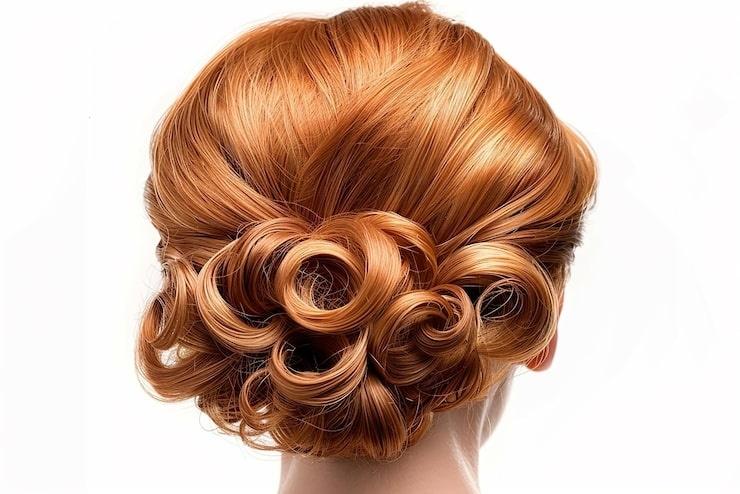
To summarize succinctly: choose the cap that suits your styling needs, select the fiber that aligns with your maintenance preference, and plan for realistic upkeep. For shoppers focused on accessible everyday looks, many belletress wigs options offer a well-balanced mix of affordability, style, and ease of maintenance. For those pursuing maximum versatility and naturalness, human hair or full lace constructions are prime candidates.
Closing guidance
Make incremental investments: start with one versatile piece that matches your daily priorities, learn its care rhythm, then expand to statement pieces if desired. Keep records of colors and styles that work well so future purchases are more predictable. Thoughtful decisions and consistent care will make your wigs look better for longer and help you get the most value from each investment.
FAQ
A: For synthetic styles worn regularly, washing every 8–12 wears is typical; reduce frequency if you wear it only on special occasions. Use synthetic-specific formulas and air dry on a stand.
A: Yes—only when explicitly labeled heat-friendly. Start low (below 350°F/177°C), use a heat protectant, and avoid repeated high-heat exposure to preserve fiber life.
A: Lighting, monitor settings, and photography affect color perception. Request swatches, view customer photos, and confirm return options before purchase to protect against color mismatch.
Related products
Blog
- does lori from shark tank wear a wig? Stylists and medical experts weigh in on the truth
- Can You Wear a Wig After Hair Transplant and How Soon Is It Safe to Wear a Wig After Hair Transplant
- Does Malin Akerman Wear a Wig in Hunting Wives — Behind the Scenes Hairstyle Facts and Expert Insight
- Wigs for Kids Guide - Best Comfortable Safe and Stylish Hairpieces with Easy Care Tips
- Walmart Wigs Trend Report 2025 — How to Choose, Style and Care for Affordable Looks
- did michael jackson wear wigs Exploring the truth behind his hairstyles, timeline and photographic evidence
- why is jodie sweetin wearing a wig explained A closer look at the possible reasons and fan reactions
- 10 Pro Tips for Choosing, Styling and Maintaining a Blonde Lace Front Wig That Looks Naturally Flawless