
Can You Curl a Costume Wig Learn Safe Heat Methods, Best Tools and Aftercare Tips
Practical Guide: Is It Possible to Curl a Costume Wig and How to Do It Safely
Many cosplayers and partygoers ask a simple question: can you curl a costume wig? The short answer is: yes, but the long, useful answer depends on the fiber, the construction of the wig, the tools you choose, and the techniques you use. In this extensive guide we unpack safe heat and no-heat options, recommend the best tools for lasting results, describe careful aftercare that preserves the style, and give troubleshooting tips so your costume hair looks great across multiple wears.
Understanding fibers: why material matters
There are two broad families of wig fibers: human-hair and synthetic. Human-hair wigs behave similarly to your own hair when heated: they accept curling irons, blow-drying, and styling products well and can be reshaped repeatedly. Synthetic costume wigs, however, are far more common in cosplay and party contexts and can be made from heat-resistant synthetic fibers, or non-heat-resistant plastics like Kanekalon or Toyokalon. Before you answer "can you curl a costume wig?" you must identify the fiber. Often the manufacturer or seller labels the wig "heat-resistant" or gives maximum safe temperatures. If in doubt, assume low or no heat.
How to identify if your wig can be heat-styled
- Check the label and product page for "heat resistant" or a maximum temperature (often 250°F / 120°C or lower).
- Perform a hidden strand test: choose a small section at the nape or under layers and try a low-heat touch test for 1–2 seconds. If it melts, smells like plastic, or becomes sticky, stop immediately.
- Observe fiber behavior: shiny, glassy strands are often non-heat-resistant; matte, softer synthetic fibers are more likely engineered for styling with heat.
Can you curl a costume wig? Heat vs no-heat pathways
The question "can you curl a costume wig" is nuanced: many costume wigs can be curled with heat if they are heat-friendly; many cannot. Use a decision tree approach: if fiber = human hair → use standard curling irons with heat protectant; if fiber = heat-resistant synthetic → use low-temperature irons and short contact times; if fiber = regular synthetic → use no-heat methods like foam rollers, braiding, or steam backup techniques.
Low-heat methods for heat-resistant synthetics
- Curling wand or straightener at the lowest effective temperature (usually 100–150°C / 212–302°F depending on manufacturer guidance).
- Use a thin heat-blocking cloth between iron and hair for extra protection.
- Work in small sections, set with cool air from a blow-dryer (if fiber allows) or let cool completely before releasing the curl.
No-heat methods for non-heat-resistant wigs
- Foam rollers: wrap dampened (lightly misted) strands and allow to dry overnight to form waves without heat.
- Twist and pin: twist sections around the finger, secure with bobby pins and let set.
- Braiding for textured waves: braid while slightly damp and remove when dry for beach waves.
- Steam styling (careful): some stylists use controlled steam from a distance to relax fibers and create shape; this is risky and should be tested on a hidden strand first.
Step-by-step: How to curl a costume wig safely (heat-resistant synthetic example)
1) Prep: Place the wig on a sturdy mannequin head, secure with pins so the cap doesn't shift. Brush gently with a wide-tooth wig comb to remove tangles. 2) Test: Take one small hidden strand and try the chosen method at the lowest recommended temp for a couple of seconds. 3) Protect: Apply a wig-safe thermal spray if available, or lightly mist with water—avoid heavy products that can gum the fibers. 4) Section: Divide the wig into small, even sections. Smaller sections produce tighter curls. 5) Heat: Use a ceramic curling wand or small-barreled iron, wrap hair around the barrel without clamping too hard, and keep contact under the recommended time. For most heat-resistant synthetics, 3–8 seconds may be enough; human hair often needs longer. 6) Cool set: Let each curl cool entirely before touching—pin it up against the scalp with a clip for a stronger hold. 7) Finish: When fully cooled, remove pins and gently separate curls with fingers. Use lightweight wig hairspray formulated for synthetic fibers if you need extra hold.
Best tools for curling costume wigs
Choose the right tool for the fiber: can you curl a costume wig successfully often comes down to tool selection. Here are top picks:
- Ceramic curling wand with adjustable low-temp settings: smoother heat distribution and less hot spots.
- Mini flat iron with digital temp control: good for precise bends and short synthetic bangs.
- Steam styler (professional): can be very effective for heat-resistant fibers when used by experienced stylists.
- Foam rollers and velcro rollers: indispensable for no-heat curling and quick styling on set.
- Heat-resistant gloves and a heat mat: protect hands and surfaces while working.
Temperature guidance and timing
One of the most frequent misconceptions is that higher heat is better. For costume wigs, lower and controlled heat is critical. If using a tool with temperature control, keep it under 200°F (93°C) for many heat-resistant synthetics, and use 250–350°F (121–177°C) for human hair. If a product explicitly states a maximum, never exceed it. Timing per section will be shorter for synthetics—often only a few seconds—while human hair curls will hold with longer application. Always err on caution: melted or singed fibers cannot be restored.
Products that make a difference
Quality products tailored for wigs protect longevity. Recommended categories include:
- Wig-specific heat protectant sprays (lightweight, non-gumming).
- Anti-static serums for synthetic fibers to reduce flyaways.
- Lightweight styling mousse for human-hair wigs to hold curls without stiffness.
- Wig-friendly hairspray for final setting—look for formulations that avoid sticky residues.
Aftercare: preserving curls and extending wig life
Aftercare is where many people trip up. Once you've asked and answered "can you curl a costume wig" for your piece and styled it, maintain it with consistent care:
- Storage: Keep the wig on a stand or mannequin head to preserve shape and reduce tangles. Use a breathable bag for travel—never a sealed plastic bag long term.
- Brushing: Use a wide-tooth comb or a wig brush and start detangling from the ends upward; avoid brushing when the wig is wet unless it's human hair and you use a detangler.
- Washing: Follow manufacturer directions. For synthetic wigs, use cool water and wig shampoo; for human hair wigs, use sulfate-free products and deep condition periodically to maintain curl elasticity.
- Re-setting curls: For synthetic wigs, you can rewrap on rollers and set with cool air; for human hair, reapply heat-protectant and refresh with low heat if necessary.
Troubleshooting common problems
Problem: Curl falls out quickly. Fix: Ensure curls cooled completely in pinned position, use small sections, and finish with wig-safe hairspray. Problem: Fibers look melted or sticky. Fix: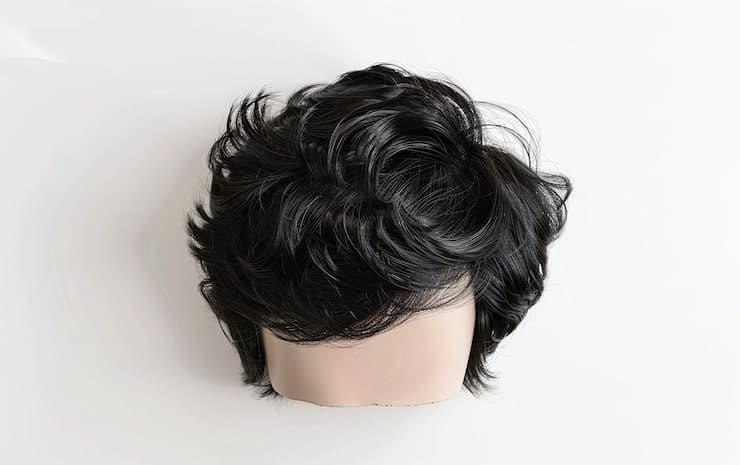 Stop using heat; trim affected ends if necessary and avoid heat in future—consider replacing the wig if damage is severe. Problem: Tangling after styling. Fix: Use an anti-static spray and store on a stand; avoid sleeping in costume wigs unless they are secured with a sleep-cap designed for wigs.
Special considerations for cosplay and performance
Performance wigs often face sweat, friction from collars, and repeated styling. To keep curly styles intact during a show:
- Use inner wig caps to reduce scalp oils transferring to the wig base.
- Pack a small emergency kit: bobby pins, a travel-size wig brush, wig-safe hairspray, and a spare piece of hair for quick repairs.
- Consider styling with multiple hold layers: setting curls, pinning to cool, and a final light mist of spray.
Styling variations: from tight ringlets to loose waves
Depending on desired effect, adjust barrel size, section widths, and technique. For tight, character-specific ringlets, use small-barrel irons and curl each section tightly and pin to cool. For soft, romantic waves ideal for many fantasy costumes, use larger rollers or a large-barrel wand and brush out gently with fingers or a wide comb for a natural finish.
Environmental and safety tips
Heat styling on synthetic wigs creates risks: avoid open flames, be mindful of smoke detectors when testing, and always work in a ventilated area in case of off-gassing from heated fibers. Keep heat appliances away from children and never leave an iron unattended. If the wig cap or label warns against heat, adopt only no-heat methods to avoid releasing toxic fumes or destroying the piece.
When to consult a professional
If your wig is expensive, custom-colored, or especially delicate, consult a professional wig stylist who can apply professional techniques like re-kinking, steam shaping, and thermal re-setting under controlled conditions. They can also advise on dyeing, trimming, and re-laying lace fronts without compromising lace or hairline integrity.
Myths and misconceptions
Myth: All synthetic wigs melt instantly under any heat. Fact: Many modern costume wigs are engineered for low-heat styling and can accept limited, controlled heat. Myth: Once a synthetic wig is damaged, it's irreparable. Fact: Minor singe issues can sometimes be trimmed and blended; severe melting requires replacement.
Quick checklist before you start curling
Use this pre-styling checklist to answer "can you curl a costume wig" for your particular wig:
- Identify fiber (human vs synthetic vs heat-resistant synthetic).
- Read any manufacturer instructions.
- Perform a hidden-strand test.
- Gather correct tools and protective products.
- Plan section sizes and final style.
Cost considerations and replacement strategy
Cheap costume wigs are plentiful and sometimes treated as disposable—if you're experimenting, consider buying a practice wig before altering a prized piece. High-quality heat-resistant synthetics or human-hair wigs are investment pieces; treat them like investment hair with careful styling and maintenance to maximize lifespan.
DIY vs professional care: choose based on value and complexity
Straightforward curling with tested low heat on a heat-safe synthetic wig is a practical DIY project. However, for complex styles, lace-front integration, or vintage wigs, professional intervention reduces risk and can yield superior, longer-lasting results.
Summary: Making the right decision about curling a costume wig
To conclude the core question—can you curl a costume wig—the honest and SEO-optimized reply is conditional: yes, many costume wigs can be curled, but success depends on fiber type, temperature control, proper tools, testing, and aftercare. A mindful approach that prioritizes testing, safety, and suitable products will deliver the best results and keep your wig looking vibrant for multiple wears.
Useful resources and quick links
Find manufacturer guides, reputable wig product reviews, and professional stylist forums for up-to-date advice: Wig Care Forum | Heat-Resistant Fiber Overview | Professional Wig Stylists Association
Travel and cosplay staging tips
When transporting a styled wig to a convention or event, store it on a wig head or in a sturdy travel case with padding to prevent crushed curls. Carry a small styling kit: travel-size hairspray, pins, a mini brush, and a few elastic ties to re-section and re-pin curls if needed between performances.
Environmental impact and disposal
Synthetic wigs are plastic-based; when a wig reaches the end of its life, consider repurposing for crafts, study, or donating to theatrical programs. If replacing frequently, consider human-hair wigs or higher-quality synthetics that last longer to lower waste over time.
FAQ
A: Only after testing a hidden strand at very low heat and confirming no melting or odor; otherwise use no-heat methods to avoid damage.
A: Start under 200°F (93°C) and adjust based on manufacturer guidance and test results; keep contact time minimal.
A:
 Rewrap sections on foam rollers with a light mist of water or wig conditioning spray and let dry fully; you can also use pin curls and let them set.
A: Wash after 4–8 wears depending on sweat, product build-up, and smell; use wig-specific shampoos and always condition human-hair wigs.
Related products
Blog
- Stunning styling ideas using a picture of a wig to transform your look today
- 10 Easy Tips for how to keep a wig from slipping and stay confident all day
- Understanding what is a wig grip and why every wig wearer needs one
- how to make a wig cosplay step by step guide with pro tips for beginners
- how do i make a wig look real 12 salon pro techniques for undetectable hairlines and natural movement
- do judges in the uk wear wigs - clear guide to history, etiquette and modern practice
- Find the Best human hair wig near me — Local Shops, Prices, Styling and Care Tips
- Ultimate wig buying guide on shopee with wig care tips and best shopee deals