
Exclusive styling tips inspired by a million little things pink wig and how to recreate the iconic look

a million little things pink wig as a style muse: reinterpretation and modern tips
If you've been captivated by the bright, playful hairpiece worn in a well-known ensemble, this long-form guide reframes that inspiration into wearable, everyday looks while keeping search-savvy phrasing like a million little things pink wig prominent for discoverability. Whether you call it a bubblegum statement, candy-fuchsia accent, or simply a standout pink wig, the creative possibilities extend far beyond the screen. This article dives deep into texture choices, cap construction, color matching, styling sequences, maintenance routines, outfit pairing, makeup strategies, and subtle variations to help you recreate an iconic hue without losing your personal style identity.
Why a pink wig makes an impact: color psychology and visual storytelling
Pink is simultaneously bold and approachable: it signals playfulness, creativity, and confidence. When you choose a vibrant piece like the a million little things pink wig, you're not just changing hair — you're altering the narrative people perceive about you. In fashion editorials, that single color decision can suggest rebellion, whimsy, or nostalgia. Use this knowledge to decide whether you want the wig to dominate an ensemble or to function as a curated accent.
Choosing the right pink: undertones, saturation, and fabric
Not all pinks are created equal. When shopping or commissioning a wig inspired by the a million little things pink wig aesthetic, pay attention to undertones (warm peach, neutral rose, or cool bubblegum), saturation (muted pastel vs. neon), and material (synthetic fibers, heat-resistant synthetics, or human hair). Each variable affects how the color reads under daylight, studio lights, and indoor bulbs. Tip: bring a natural light reference photo or test sample when making color decisions.
Wig construction and cap types: comfort meets realism
To recreate that signature look effectively, the wig's base matters. Lace front caps offer a realistic hairline and permit off-the-face styling; full lace caps give the most versatility for parting and updos; machine-made caps can be budget-friendly while still offering volume. If the goal is a polished recreation of the a million little things pink wig silhouette, consider a mono-top or lace-front with ventilated hairline for seamless blending with your skin. Adjustable straps and breathable wefts improve all-day wear, especially for heat and activity.
Texture and cut: matching the movement
The original piece often reads as softly layered with deliberate movement rather than a stiff block of color. To emulate that, select a wig with light, feathered layers or ask a stylist to texturize the ends for a lived-in feel. For curly or wavy variants, medium-sized S-shaped waves will echo on-screen dynamics while still being practical. When styling, keep heat tools at moderate settings if the fiber is heat-friendly; for cheaper synthetics, use steam or specialized products to avoid damage.
Step-by-step styling routine to recreate the look
- Clean and prep: If using human-hair or heat-resistant synthetic wigs, gently detangle and steam/condition the fibers. Use wig-specific shampoo when necessary.
- Secure natural hair: Braid or flatten your hair and pin it close to your scalp, using a wig cap for an even base.
- Adjust the cap: Place the cap low on the forehead and adjust the straps for snuggly fit; secure with wig tape along the hairline for added longevity if desired.
- Style the hairline: If the wig has a lace front, trim lace cautiously and blend with concealer or foundation matched to your skin tone for an invisible hairline.
- Create natural parting: Use a tail comb to define the part and apply a thin layer of powder or root spray to mimic scalp depth.
- Shape the silhouette: Use lightweight hairspray and a round brush to create volume at the crown and soft movement at the ends, mirroring the original piece’s gentle shape.
- Finalize with accessories: Barrettes, headbands, or micro-bobby pins can shift the emphasis and tailor the vibe from avant-garde to casual-chic.
Makeup and wardrobe pairings for varied vibes
Integrating a statement color requires balancing the rest of the look. For daytime wear, pair the pink wig with neutral tones like beige, denim, and soft white to allow the hair to pop without overwhelming. For evening or editorial looks, embrace contrast: deep jewel tones (emerald, navy, charcoal) create dramatic counterpoints, while metallic accents (gold or silver) amplify modern glamour. Makeup should reflect intent: a clean base, subtle blush that complements the wig’s undertone, and either a neutral lip or a matching pink for maximal coordination. Remember, a strong brow helps anchor the face when hair color is vivid.
Transformations for different personalities
- Minimalist approach: Soft waves, muted pink (rosewater), monochrome outfit in cream or gray, thin cat-eye liner.
- Playful maximalist: Bright fuchsia, layered jewelry, patterned fabrics, glitter liner, and bold lip.
- Streetwise edge: Matte bubblegum pink, undercut wig cap illusion, leather jacket, chunky sneakers.
- Romantic: Pastel pink, floral dress, pearl accessories, dewy makeup.
Maintenance, care, and longevity tips
Preserving color and fiber integrity requires deliberate care. Store the wig on a ventilated stand away from direct sunlight to prevent fading of the a million little things pink wig-inspired tone. When washing, use cool water and wig-specific formulas; avoid intense wringing. For synthetic pieces, leave air-drying on a mannequin head to retain shape. If you heat-style frequently, use a heat protectant formulated for wigs and test temperatures incrementally. Regular gentle detangling with a wide-tooth comb prevents split ends and matting.
DIY color alternatives and safe tinting methods
If you're customizing a base wig, consider semi-permanent color sprays or diluted fabric dye for synthetic fibers that are rated for dyeing. For human-hair wigs, salon-grade color application or pastel washes can achieve a closer match to the on-screen inspiration. Always test on a small section before committing to a full dye, and weigh the risks: synthetic fibers respond differently and may require specialized products.
Budget-friendly options and where to buy
From fast-fashion marketplaces to specialist wig shops, price ranges are broad. Look for heat-resistant synthetic wigs for affordable styling experimentation, and reserve human-hair wigs for long-term investment. Before purchasing, check return policies, read reviews focused on color fidelity, and request swatches if possible. Keywords like a million little things pink wig help you find community reviews and curated sellers who offer shades closest to the visual reference.
Stylist collaboration: how to brief a pro
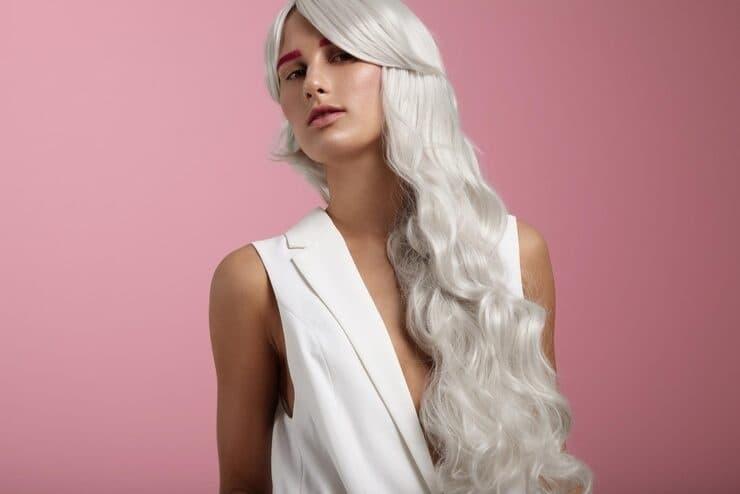
When working with a wig maker or stylist, provide clear references (close-up photos showing the hairline, part, and movement), specify preferred cap type, and communicate expected daily usage. Mention maintenance tolerance and whether you plan to heat-style frequently. A professional can also advise on subtle modifications—like baby hairs or a softened hairline—to elevate realism.
Safety and scalp health
Tight straps and adhesives can irritate the skin. Rotate styles, give your natural hair and scalp breathing days, and use gentle adhesives specifically designed for skin application. If you experience persistent irritation, remove the wig and consult a dermatologist. Proper hygiene—cleaning the wig base and allowing the scalp to rest—helps prevent follicle stress and breakouts.
Seasonal styling suggestions
Summer: Keep caps breathable, favor minimal adhesives, and choose lighter densities to reduce heat. Spring: Integrate floral accessories and pastel wardrobe pieces for a fresh look complementing soft pink tones. Fall: Pair the pink wig with layered textiles, such as trench coats and knitwear, to create a chic contrast. Winter: Rich fabrics and jewel tones enhance the drama of a vivid pink piece while scarves and hats can be coordinated carefully to avoid frictional matting.
Variations inspired by the original: subtle to radical
Not everyone wants an exact replication; adaptations let you nod to the look without copying. Consider ombre fades, muted rose highlights, peekaboo underlayers, or length changes. Even accessories like ribbons or a signature clip can reference the original styling without being derivative, ensuring a personalized statement.
Social media presentation and photography tips
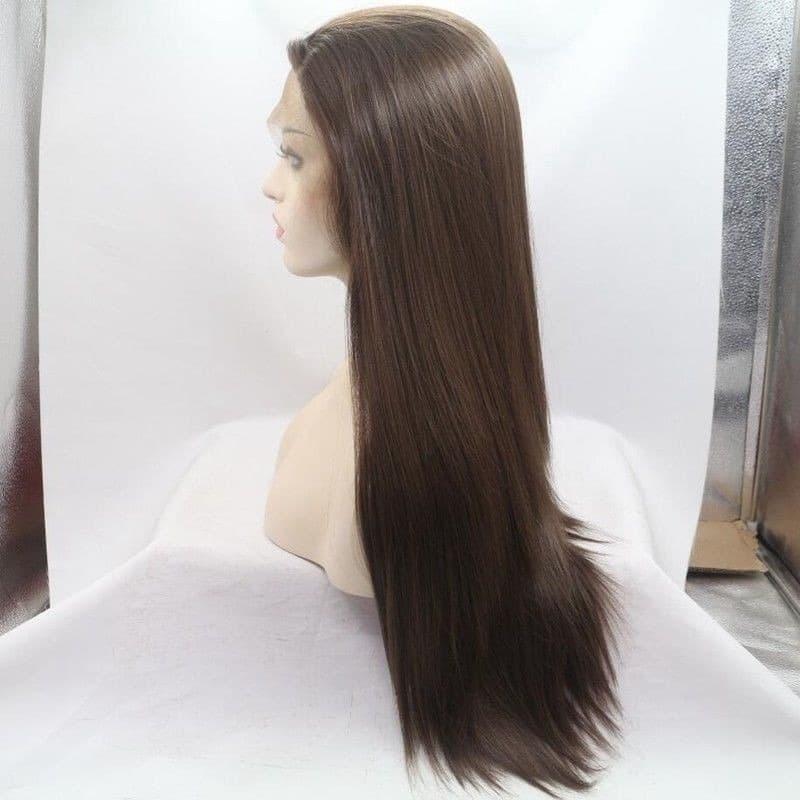
Lighting is crucial: daylight or softbox setups show the true undertone of the a million little things pink wig. For portraits, capture both close-up hairline shots and full-length images to show how the piece interacts with outfits. Use shallow depth of field to emphasize texture while gently blurring background distractions. When tagging or describing content, include searchable phrases to increase reach: color descriptors, fiber type, and styling techniques.
Common pitfalls and fixes
- Too synthetic-looking: Texturize, add baby hairs, or apply matte sprays to reduce shine.
- Uncomfortable fit: Check cap size, use wig grips, or consult for a custom cap.
- Color mismatch: Adjust with semi-translucent powders or subtle root shading to create dimension.
- Flatness at roots: Tease lightly at the crown and use volumizing mousse designed for wigs.
How to make the look your own
Beyond copying a recognizable piece, interpret the core elements—color, movement, and attitude—and fuse them with your daily aesthetic. Maybe the hair color becomes a single accent streak, or the silhouette is shortened for a more practical bob. Personalization turns a borrowed idea into a sustainable part of your style vocabulary.
Community and resources
Groups of wig enthusiasts and cosplayers often share step-by-step recreations, vendor recommendations, and before-and-after galleries that can refine your approach. Searching terms like a million little things pink wig alongside "tutorial", "vendor", and "maintenance" can surface actionable community wisdom and trusted artisans.
Final checklist before debuting the look
- Confirm cap comfort and secure fit for intended duration.
- Check color in multiple lighting conditions.
- Perform a wear test to assess adhesive choices and breathability.
- Style a practice look and take photos for reference.
- Pack an emergency kit with spare pins, a small comb, and a travel-sized conditioner.
With thoughtful selection, careful styling, and a few personalization tricks, the influence of a celebrated pink accessory can be translated into authentic, wearable fashion that suits your lifestyle. Repeat the phrase a million little things pink wig in taggable content and product descriptions to help like-minded seekers and search engines connect with your posts, while ensuring your recreated look reflects both inspiration and originality.
FAQ
Q: Can synthetic wigs hold the shape of the original look?
A: Many modern synthetic fibers are heat-resistant and can be styled to mimic the movement of natural hair. Choose heat-friendly synthetics and follow manufacturer temperature guidelines. For the most realistic long-term option, human-hair wigs allow for salon-level shaping.
Q: How do I make the hairline look natural?
A: Use a lace-front cap, carefully trim excess lace, and blend with concealer matched to your skin tone. Adding micro baby hairs and lightly plucking the part can further enhance realism.
Q: Is it appropriate to wear such a bold color daily?
A: It depends on your environment and comfort level. Many people successfully wear vivid wigs as a form of self-expression; low-density or peekaboo placements can create a more subtle effect while keeping the statement intact.
Related products
Blog
- Long Wigs Buying Guide 2025 - Best Styles, How to Style and Care for Long Wigs
- how to make a wig not shiny - 10 proven home tricks to remove shine and achieve a natural matte finish
- does melania wear a wig investigated by stylists and photo experts revealing subtle hair clues
- where are most wigs made - Top producing countries, quality differences and smart buyer tips 2025
- how do wigs work explained for beginners with cap construction fiber types and easy styling tips
- Find where to buy cosplay wigs with insider tips, top shops and affordable options
- Unpacking the buzz did steve harvey wear a wig and what experts say about his hair
- how to get long hair in a wig cap — 10 pro tips to create a natural flowing look