
did woody harrelson wear a wig in hunger games revealed behind the scenes hair truth about Haymitch
Did Woody Harrelson wear a wig in The Hunger Games? A concise on-set look
When fans ask "did woody harrelson wear a wig in hunger games", they're really asking two intertwined questions: what was the makeup and hair process behind Haymitch's iconic look, and how do film crews decide between natural hair, wigs, and hairpieces for a character? This article dives into the behind-the-scenes hair truth about Haymitch, explores industry practices, and offers evidence-based observations so readers can understand whether Woody's grizzled appearance was achieved with his own hair, a wig, or a combination of hairstyling techniques.
The character and the look: why Haymitch's hair mattered
Haymitch Abernathy, portrayed by Woody Harrelson, is a world-weary victor and reluctant mentor. His appearance—rumpled clothing, stubble, and that disheveled, often-gray hair—contributes to the character's backstory without a single line of exposition. For productions like The Hunger Games (and sequels such as Catching Fire and Mockingjay), maintaining visual continuity is crucial across scenes shot out of chronological order. That desire for continuity often dictates whether an actor wears a wig, hairpiece, colored dye, or simply styles their natural hair. So when readers search for "did woody harrelson wear a wig in hunger games", they want to separate rumor from craft.
The simple answer, summarized
The short, careful answer is: primarily Woody Harrelson's own hair was used and styled, with occasional enhancements such as hairpieces, wigs or subtle prosthetic blends in select scenes for continuity, stunts, or safety. This approach is common in film hair departments that prefer to work with an actor's natural hair when possible because it often looks more realistic on camera and moves more naturally in close-ups. However, to be precise, the full truth is nuanced—costume and hair teams sometimes supplement an actor's hair with wigs or pieces to achieve a consistent, character-specific silhouette across different shooting days and stunt sequences.
Evidence from behind-the-scenes materials and interviews
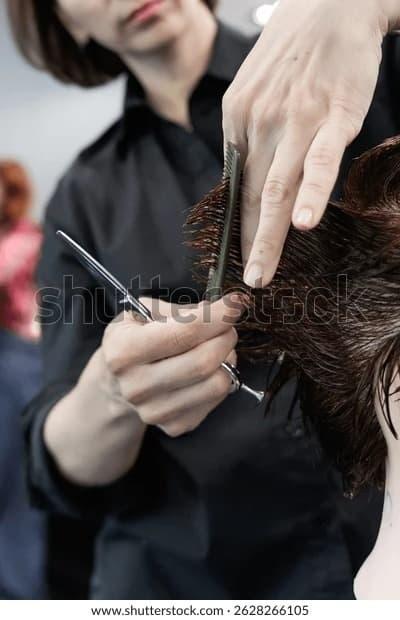
Fans and analysts who have scoured press junkets, DVD/Blu-ray behind-the-scenes featurettes, and interviews with makeup and hair departments note a few consistent themes: the production favored practical styling; Haymitch's gray/salt-and-pepper tones were achieved with dye and makeup; and when continuity or safety was a concern, hairpieces or wigs were employed. There are on-set photos showing Woody Harrelson in chair with stylists working on his hair, which supports the idea of a collaborative process rather than a single wig solution. When people repeatedly ask "did woody harrelson wear a wig in hunger games ", they encounter these visual cues and official comments.
Why productions choose natural hair vs. wigs
- Realism and camera movement: Natural hair often reads as more authentic under close cinematic lighting. Directors of photography and hair stylists often prefer natural hair for emotional close-ups because it reacts realistically to wind, gestures, and camera movement.
- Continuity: When scenes are shot across many days, stylists may use wigs to ensure an identical cut, length, or color. If Woody needed to keep the exact same unkempt length across months of shooting, a wig or hairpiece could help maintain that look without repeatedly re-dyeing or cutting.
- Stunts and safety: For dangerous sequences, stunt doubles sometimes wear wigs that match the actor's hair so that the stunt team can replace or modify the wig as needed without subjecting the principal actor to risk.
- Comfort and time: Wigs can be quicker to apply on days when hair continuity matters but the actor's personal schedule or comfort restricts long salon sessions.
Specifics for Haymitch: what patterns emerged
Analyzing the films and available making-of content suggests that Haymitch's hair is a hybrid approach: Woody Harrelson's natural hair was the base, enhanced by coloring and styling, with selective use of hairpieces and modest wigs in scenes that demanded perfect continuity or when additional volume was necessary. That hybrid approach explains why some close-ups look very natural while some action or crowd scenes appear slightly different—the production balanced authenticity and practicality.
How hairstyling and makeup created the Haymitch persona
Beyond wig-versus-natural debates, the hair department collaborated with costume, makeup, and the director to produce a consistent archetypal image: messy, slightly neglected, and aged. The dark roots, gray highlights, and uneven trims were likely achieved via a combination of dye, stippling, and texturizing gels. Costuming choices—looser fabrics, darker tones—reinforced the visual impression of weariness, making any hairpiece blend more seamless. This layered approach—hair color, styling, stubble makeup, and wardrobe—makes it harder to identify a single element like a wig because everything works together.
Examples from other productions to contextualize the choice
In many high-profile films, actors alternate between natural hair and wigs: a lead may keep their own hair for intimate scenes and don a wig for dangerous stunts or scenes requiring a dramatically different silhouette. Notable examples include actors who shaved or dyed their hair between scenes or used wigs to represent a single character across multiple time periods. The strategy conserves the actor's natural hair while providing production flexibility. So when viewers wonder "did woody harrelson wear a wig in hunger games" they should understand it's common practice to combine approaches.
Close observation: telltale signs of wigs or hairpieces
For enthusiasts trying to spot a wig on screen, common signals include an unnaturally consistent hairline across many takes, a slightly different texture in wide shots versus close-ups, or altered movement during action sequences. In Haymitch's case, most of these indicators favor the presence of natural hair as primary material: varied texture, subtle changes in lighting, and fluid movement during close-ups. That said, you may spot moments—often during high-paced sequences or when a wig must be swapped quickly—where the hair appears slightly more uniform, which suggests the discreet use of alternates.
Interviews, stylists and what they reveal
While specific head hairstylists for The Hunger Games did discuss the overall makeup and costume strategies in interviews, many behind-the-scenes contributors emphasize discretion and the collaborative nature of the craft. Hairstylists generally avoid revealing proprietary techniques, but they do describe the philosophy of mixing natural hair with augmentation: preserve the actor’s comfort, keep the character consistent, and use wigs only where necessary. Therefore, most public statements align with our conclusion: Woody Harrelson's Haymitch was largely his own hair, staged and adjusted by professionals, and sometimes augmented for particular needs.
Addressing fan photos and viral claims
Online, fan forums and social posts sometimes claim definitive answers, but photographic evidence can be misleading due to lighting, resolution, and selective framing. A wide shot of Haymitch in a crowd might make hair appear more volumized or uniform than close-up footage. Conversely, stills taken from promotional shoots—where stylists had more time—may show an artificially perfected silhouette. Hence, repeat searches for "did woody harrelson wear a wig in hunger games" often return mixed signals. Critical thinking and consulting multiple sources (official making-of, interviews, high-resolution behind-the-scenes photos) produces the most reliable picture.
Technical reasons productions modestly rely on hairpieces
- Backup continuity units: productions keep spare wigs and hairpieces to match a look instantly if the actor's hair changes between shoots.
- Damage control: dyeing, bleaching, or excessive styling can damage hair; temporary wigs protect the actor’s natural hair in long productions.
- Camera vs. life: hair that looks convincing in person might react differently to high-resolution cameras and lighting rigs; stylists adjust using pieces or wigs as needed.
What this means for viewers and fans
For fans wanting a clear verdict on "did woody harrelson wear a wig in hunger games", the responsible conclusion is that the look was achieved through a professional blend of Woody Harrelson's natural hair, coloring and styling, and occasional supplemental hair pieces or wigs used for practicality, continuity, or stunt purposes. Appreciating this nuance helps fans better read behind-the-scenes content and respect the craftsmanship that goes into character design.
Practical tips if you want to recreate Haymitch’s look
Cosplayers or hair enthusiasts trying to emulate Haymitch should focus on texture, messy layering, and a salt-and-pepper color treatment rather than solely seeking a single wig. If you do use a wig, pick one with natural-looking part lines and a realistic hairline, and consider blending with your own hair for the most authentic results. For authenticity: use matte styling products, avoid glossy hair sprays, and add subtle tone variation with temporary color sprays or chalk to mimic a lived-in, slightly disheveled appearance.
Final takeaways
When you type or read "did woody harrelson wear a wig in hunger games" across forums and articles, keep in mind the hybrid and practical nature of film hairstyling. It's rare for a production to rely exclusively on one method; instead, multiple tools are used to deliver a consistent, believable character across months of fragmented shooting. In Haymitch's case, the predominant material was Woody Harrelson's own hair, carefully styled, toned, and occasionally supplemented with hairpieces for the demands of a major motion picture.
FAQ
- Q: Did Woody Harrelson shave his head or change his hair for the role?
- A: No dramatic shaving was required for Haymitch. The role called for a messy, unkempt look achieved primarily through styling and color rather than drastic cutting or shaving.
- Q: Are there scenes where a wig is obviously used?
- A: If you look very closely, some wide or stunt-heavy shots show a slightly different hair profile, which suggests the use of backup wigs or pieces for continuity and safety.
- Q: Why not use a wig for the entire shoot?
- A: Directors and hair teams often prefer an actor’s real hair for emotional close-ups; real hair moves and catches light more naturally than a full wig, making it a better choice for many scenes.
Ultimately, the answer to the persistent question "did woody harrelson wear a wig in hunger games" is best framed as a nuanced reality: primarily natural hair, supplemented when production logistics demanded it, showcasing the careful collaboration of hair, makeup, and costume departments to bring Haymitch to life on screen.
- Previous:There’s no reliable public evidence that either Menendez brother definitively wore a wig; some tabloids and online rumors have suggested Erik Menendez may have used a hairpiece at times, but mainstream reporting and trial footage do not confirm that claim
- Next:Best Grey Wigs Buying and Styling Guide with Care Tips for a Natural Look
Related products
Blog
- Find the best wig shop near me with expert tips, style guides and honest local reviews
- wrexham vs wigan athletic match preview and score prediction as wigan hunt upset against wrexham
- Lace Front Human Hair Wigs Guide to Choosing, Caring and Styling for a Natural Look
- can you dye fiber wig — step by step guide to coloring and caring for synthetic wigs
- What is human hair wigs made of and how to spot real human hair vs synthetic
- did jon heder wear a wig in napoleon dynamite Revealed The Truth About Jon Heder's On Screen Hair
- can you style a wig with confidence — simple step by step techniques for natural results
- bride of frankenstein wig trends 2025 - styling tips, care advice and best buys