
can you dye fiber wig — step by step guide to coloring and caring for synthetic wigs

Practical advice for coloring and caring for synthetic hairpieces
If you've wondered "can you dye fiber wig?" — this comprehensive, step-by-step resource explains when it's possible, what methods work, what to avoid, and how to keep results lasting. This guide is written for wig wearers, stylists, and DIY enthusiasts who want clear, SEO-friendly guidance on recoloring and maintaining synthetic fiber hair that looks natural and lasts longer. Throughout the article we repeat and emphasize the core query can you dye fiber wig and related phrases in ways that help search engines and readers find the answer quickly.
Quick answer: can you dye fiber wig?
The short response is: sometimes. The success of coloring a synthetic wig depends on the fiber type and the coloring method you choose. Most synthetic wigs are made from heat-sensitive acrylics, modacrylic, polyester, or polyvinyl chloride derivatives. These fibers do not absorb traditional hair dyes the way natural hair does. However, there are safe and effective ways to change or enhance the color of many synthetic pieces. Below you'll find an organized approach that answers can you dye fiber wig step by step, including professional options and at-home techniques.
Why many people ask "can you dye fiber wig"?
Search volume and interest come from consumers who want color flexibility without the commitment of human hair. Synthetic wigs are less expensive, hold styles longer, and often have beautiful synthetic blends. People ask whether they can transform these affordable options into custom shades. Understanding material properties and dye chemistry is the key to answering the question accurately.
Understand the fiber: which synthetic wigs can be colored?
Synthetic fibers fall into several categories and each reacts differently:
- Modacrylic: Common in many synthetic wigs; can accept specialty dyes like disperse dyes, fabric dyes formulated for synthetics, or professional salon products. Results vary by density and sheen.
- Polyester and polyolefin: Often more resistant to dye and may require specific disperse dyes + heat application.
- Acrylic blends: May be treated to accept surface coloring such as spray paints or direct-fiber colors but rarely take permanent dye.
- Heat-resistant synthetic fibers: Some modern fibers are engineered to take certain types of color better, but always test first.
Key insight
Because of fiber chemistry, the answer to "can you dye fiber wig" is nuanced: you can change or tint many synthetic pieces, but the technique must match fiber type to avoid damage or color failure.
Safety and preparation: before you start
Never guess: follow these steps before attempting any color change.
- Label check: inspect any tags or seller details to learn fiber composition.
- Test strand: always work on a small, hidden lock to confirm color and texture changes.
- Heat tolerance: read fiber heat limits—some synthetic strands melt or warp above low heat settings.
- Gather tools: gloves, apron, fine-tooth comb, stainless steel bowl, measuring spoons, dye bottle, plastic sheeting, clips, and color-correcting supplies.
- Ventilation: work in a well-ventilated area when using sprays or solvents.
Methods to color a synthetic wig
Below are the most practical and commonly used approaches. Each method answers the core question "can you dye fiber wig" from a different technical angle.
1) Fabric or disperse dyes (heat-assisted)
Disperse dyes and some fabric dyes can work on synthetic fibers if heat is used to open fiber cuticle and allow dye penetration. The process involves submerging the wig or strands in a dye bath and applying consistent low-to-moderate heat (often with a stovetop or heated water bath) for a controlled time. This is more successful on polyester and modacrylic blends than on basic acrylics.
Steps
1) Pre-wash the wig with a mild detergent.
2) Mix disperse dye following manufacturer instructions; use gloves and containers resistant to staining.
3) Heat water to recommended temperature; keep it steady.
4) Submerge strands or the whole wig, agitating gently.
5) Monitor color take and test frequently.
6) Rinse in cool water until clear, then air-dry on a wig stand away from direct heat.
Tip: never exceed heat limits printed for the fiber to avoid warping.
2) Acrylic paint/glue wash for ombré and fashion color
For bold, semi-permanent colors or dip-dye effects, thinning acrylic paint with textile medium or a fabric dye fixative can coat fibers without relying on absorption. This is a surface-level color that can be vibrant and durable if properly sealed.
Steps
1) Create a diluted paint mix (paint + textile medium + water).
2) Apply with sponge or brush to targeted sections.
3) Gently heat-set if the fiber can tolerate low heat, or air-dry and seal with a compatible spray.
4) Test wash resistance on a small sample before finishing the entire wig.
3) High-quality permanent markers or alcohol-based inks
Alcohol markers and inks can tint synthetic strands with great precision, ideal for highlights, lowlights, or custom streaks. The color is often long-lasting but may fade with washing and UV exposure.
Steps
1) Work on clean, dry strands.
2) Use gloves and apply color in thin layers, allowing drying time between passes.
3) Seal with a light spritz of fabric-safe fixative to prevent transfer.
4) Fabric spray paints and aerosol dyes
Sprays can convert a synthetic wig into fashion hues quickly and evenly. They are surface-level and easiest to apply on heat-tolerant fibers. Protect surroundings and use layers to build depth.
Professional options and salon-grade products
Many professionals use specialized synthetic fiber dyes or color sprays designed for wigs and theatrical hairpieces. Consulting a wig studio ensures correct product selection and color predictability, particularly for high-value or complex wigs. When searching for help or a service, remember to use the target phrase naturally: "can you dye fiber wig — consult a pro for expensive pieces."
Step-by-step home method: a reliable approach
Here's a practical home procedure combining safety and achievable results.
Step 1 — Evaluate and test: identify fiber and test a strand.
Step 2 — Choose method: disperse dye if fiber-accepting and heat-safe, or surface options like sprays or diluted paint for fashion shades.
Step 3 — Prepare workspace: lay plastic, wear gloves, use dedicated dye pots.
Step 4 — Apply: follow method steps carefully, avoid overlapping wet areas that create uneven tones.
Step 5 — Rinse and neutralize: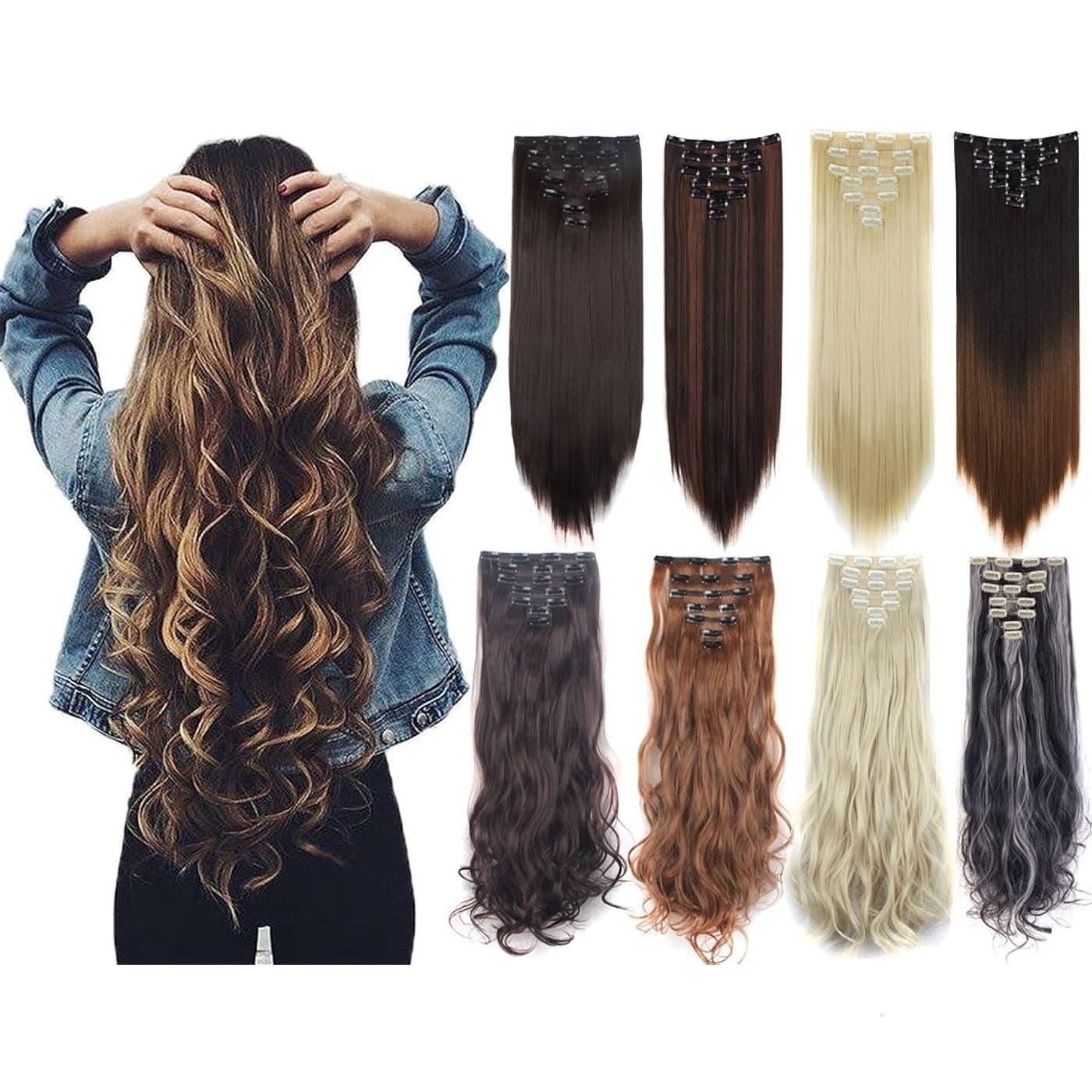 rinse until water runs clear; some dyes need a gentle conditioner to smooth fibers.
Step 6 — Dry and style: use a wig stand; avoid direct heat unless fiber is heat-friendly.
Maintenance after coloring
Colored synthetic wigs require different care than human hair. To extend color and shape:
- Wash sparingly with sulfate-free, silicone-free shampoo.
- Use cool water; hot water can cause color loss and fiber damage.
- Avoid frequent friction (pillow rubbing, tight collars).
- Store on a wig stand away from sunlight to prevent UV fade.
- Use leave-in conditioners made for synthetics to maintain shine and reduce tangles.
Common mistakes to avoid
Answering "can you dye fiber wig" means understanding pitfalls:
- Not testing a hidden strand first — every fiber batch behaves differently.
- Overheating — many synthetics melt or deform easily.
- Using hair color meant for human hair — traditional oxidative dyes won't bond with synthetic polymers.
- Skipping aftercare — colored synthetics need gentle handling.

Color removal and correction
Removing color from synthetic fibers is often harder than applying it. Surface dyes can sometimes be washed out with repeated mild detergent soaks or alcohol-based cleansers; disperse dyes are more permanent and may require professional re-dyeing or careful bleaching methods, which can damage fibers. If you plan to change color frequently, consider wigs designed for re-coloring or use wig caps and layering techniques to protect the original shade.
Tips for natural-looking results
To get salon-like outcomes:
- Work in thin, graduated layers for depth.
- Combine two complementary techniques (e.g., base dye + surface highlights).
- Blend colors at joins using a damp sponge for seamless transitions.
- Consider toners (surface sprays) rather than full immersion for subtle shifts.
When to consult a professional
High-value or lace-front wigs, complex color blends, and requests for close-to-skin color matches should be handled by a trained wig colorist. They have access to specialty products and controlled heat chambers that improve consistency and minimize the risk of irreversible damage.
Cost considerations
Home coloring is typically less expensive upfront but carries greater risk of inconsistent results. Professional recoloring costs more but reduces risk and often includes styling and long-term care tips for your specific piece.
Environmental and safety notes
Use non-toxic, well-ventilated products. Dispose of used dye baths responsibly following local guidelines. Avoid mixing chemicals that may release harmful fumes. Always keep dyes and solvents out of reach of children and pets.
Summary: a practical verdict
So, can you dye fiber wig? Yes — with caveats. The method depends on fiber type and desired permanence. Surface techniques (sprays, paints, inks) are great for fashion colors and temporary looks; disperse dyes + heat can produce more lasting results on certain synthetic materials. The best outcomes come from testing, patience, and appropriate post-color care.
Checklist before you begin
Use this compact checklist before starting: fiber ID, strand test, chosen dye method, safety gear, controlled heat source (if needed), ventilation, and storage plan. Keep a small notebook to record ratios and times for reproducible results.
Useful search phrases to explore further
For deeper research use variations like: can you dye a synthetic wig, dyeing modacrylic wig, disperse dye synthetic hair, how to color heat-resistant synthetic wig, staged costume wig coloring tips. Repeating the main phrase in different contexts helps both human readers and search engines find your content: can you dye fiber wig remains central, and pairing it with "how to", "step by step", and "care" will improve discoverability.
Practical examples and mini case studies
Example 1: A polyester-crimped wig accepted a blue-tinted disperse dye after a controlled 20-minute bath at specified temperature, producing an even, semi-permanent shade with minimal texture change.
Example 2: A fashion acrylic wig achieved an eye-catching pink ombré using diluted acrylic paint with textile medium and careful sealing, delivering vivid color ideal for cosplay but with limited wash resistance.
Both examples reinforce that the answer to "can you dye fiber wig" is method-dependent.
Final recommendations
Start small, invest in test swatches, and document your process. For valuable pieces, lean toward professional services. If trying at home, choose surface techniques first to minimize risk. Remember: some fibers will never accept permanent dye, so plan for reversible or temporary changes where possible.
FAQ
Q: Will store-bought hair dye work on my synthetic wig?
A: Most store-bought oxidative dyes designed for human hair will not chemically bind to synthetic fibers. Use specialized disperse dyes, fabric-safe sprays, or surface techniques; always test a strand first.
Q: How long will dyed synthetic wigs hold color?
A: Longevity varies by method. Surface sprays and inks may last weeks to months depending on care; disperse dyes under proper conditions can be more durable. Avoid frequent washing and sunlight exposure to prolong color.
Q: Can I bleach a synthetic wig to go lighter?
A: Bleaching is risky and often ineffective on synthetic fibers, and it may ruin fiber texture. Consider purchasing a lighter wig or using lightening sprays designed for synthetics as a safer alternative.
Whether you're answering curiosity about "can you dye fiber wig" or preparing to start a creative project, the keys are proper material understanding, testing, and patient technique. Good luck and experiment safely.
Related products
Blog
- Why Do Lawyers Wear Wigs in England and What Does Wearing Wigs Mean for Court Tradition and Authority
- does dean koontz wear a wig Examining the Rumors Photos and Evidence Behind the Question
- how long will a synthetic wig last Discover realistic lifespan expectations and top care tips to extend your synthetic wig life
- Where to get wigs for cancer patients - expert guide to retailers free programs and styling advice
- do you wear wigs guy? 7 Practical Tips to Choose, Fit, and Rock Your Look
- How to Put a Wig Made Simple - Beginner Friendly Guide with Pro Styling Tips
- why do dagestanis wear wigs - Unraveling surprising cultural, religious and practical reasons behind the trend
- How to wear a wig with thick hair - step by step guide to prepping, securing and styling for a flawless natural look