
Lace Front Human Hair Wigs Guide to Choosing, Caring and Styling for a Natural Look
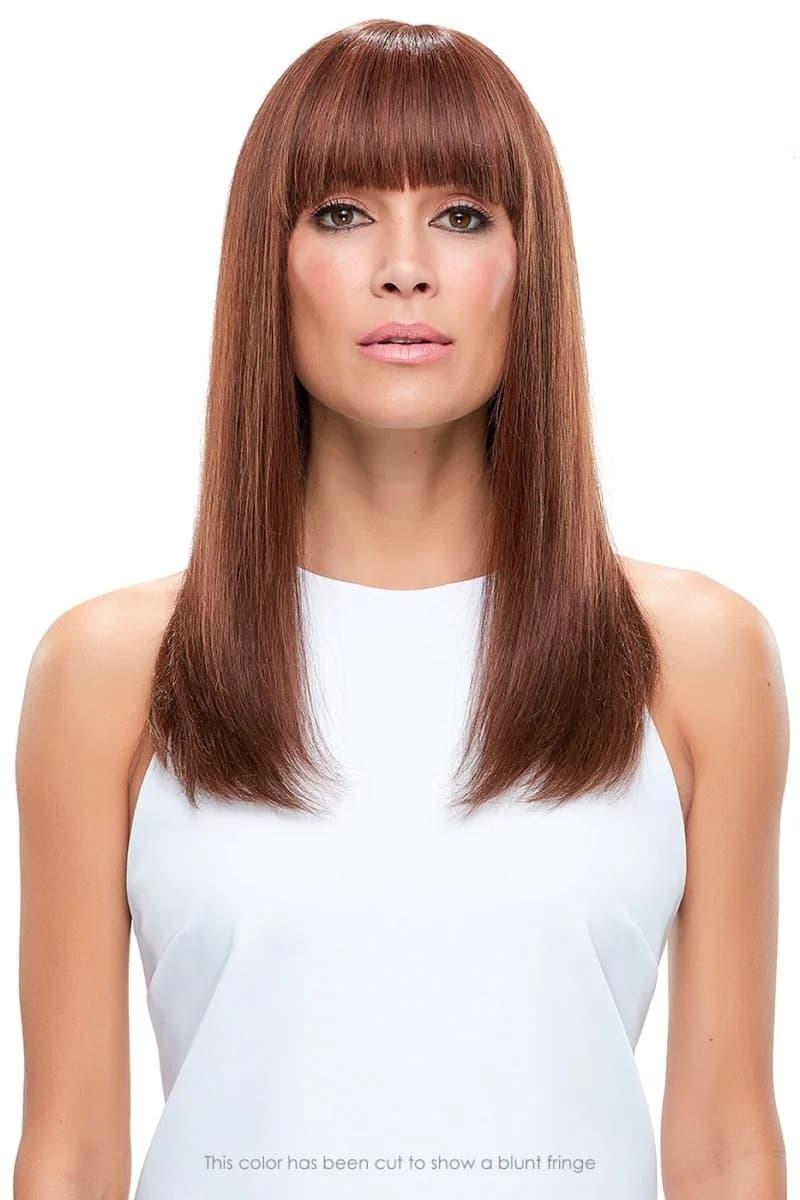
Essential Advice for a Natural, Confident Look with Lace Front Human Hair Wigs
If you're exploring high-quality solutions to transform your look, lace front human hair wigs are among the best investments you can make for realism, styling versatility, and longevity. This comprehensive guide covers everything from material selection and cap construction to wash routines, styling techniques, and long-term care. Whether you're new to wigs or upgrading your collection, this article is structured to help you make informed choices and maintain an authentic natural appearance consistently.
Why Choose Lace Front Human Hair Wigs?
When comparing options, lace front human hair wigs stand out for several reasons: exceptional realism at the hairline, the ability to part hair naturally, and the freedom to style with heat tools safely. Unlike synthetic or full-lace alternatives, lace front pieces combine a discreet, sheer front lace with wefted or hand-tied cap constructions that balance comfort, airflow, and cost. For people prioritizing a seamless hairline and multipurpose styling, lace front human hair wigs are an excellent choice.
Realism and Styling Versatility
Natural hair strands allow for bleaching, dying, and heat styling—meaning you can curl, straighten, or create beach waves just as you would with your own hair. The lace front makes it possible to mimic the natural hairline, enabling front-facing styles and middle or side parts that appear indistinguishable from biological hair.
Comfort and Breathability
High-quality lace front caps are designed to be breathable and lightweight. The lace itself is thin and often ventilated, reducing scalp sweating and irritation. For users who wear wigs daily, cap comfort is a crucial factor, and many modern designs prioritize soft, stretchable materials and adjustable straps.
How to Choose the Right Lace Front Human Hair Wig
Selecting the right wig involves understanding multiple variables—hair origin, density, cap size, lace type, color, and the finish of the hair. Each characteristic affects how the wig looks, feels, and behaves over time.
Human Hair Origin and Hair Quality
Human hair used in lace front human hair wigs typically comes from donors across Asia, Europe, and Latin America. Remy-grade hair (where cuticles align in the same direction) is highly prized because it tames tangling and mimics the natural movement of real hair. Virgin hair has not been chemically processed and offers the best longevity for repeated coloring and heat styling. When vendors explain hair origin and grading, prioritize clear descriptions and photos showing natural shine and minimal processed texture.
Lace Types: Swiss vs. HD vs. Transparent
Different lace materials affect the look of the hairline. Swiss lace is durable and blends well with many skin tones; HD lace is ultra-thin and almost invisible on camera; transparent lace is versatile and can be used with lighter complexions. If you want a wig that reads perfectly on photographs or video, HD or transparent lace can be ideal, though they can be a bit more delicate.
Cap Construction and Fit
Cap types vary: full lace, lace front with wefted back, and monofilament tops. For cost-effective realism, lace front human hair wigs with a wefted back offer a great balance—realistic hairline and firm structure. Monofilament crowns allow multi-directional parting and a scalp-like appearance where hair is parted frequently. Always measure your head circumference accurately and consult size charts. Many manufacturers give adjustable straps or multiple cap sizes (petite, average, large).
Density, Length, and Color
Density affects fullness and styling potential. Standard densities range from light (110%) to medium (130%) to heavy (180%+). If you want natural everyday wear, medium density balances weight and volume. For dramatic styles or updos, heavier densities provide more coverage. When selecting color, consider purchasing a slightly darker shade that can be lightened by styling or softened by a tint spray—this is typically safer than starting with an overly light color.
Preparing and Customizing Your Lace Front Human Hair Wig
Out of the box, a lace front human hair wig can look great, but small custom touches take the appearance from "wig" to "natural hair."
Bleaching Knots and Plucking
Bleaching knots on the lace front reduces the appearance of hair growing from a mesh base; however, this should be done carefully to avoid damaging the hair. Plucking some hairs along the hairline and around the part can create a less uniform and more natural density. Many users prefer having a professional stylist perform these tasks the first time to avoid over-plucking or chemical mistakes.
Trimming and Layering
Wigs often arrive with blunt ends and heavy layers to protect the hair during shipment. Tailored trimming—especially around the face—adds realism and frames features better. Use sharp shears and cut conservatively, or visit a stylist experienced with human hair wigs for precision shaping.
Coloring and Highlights
Because lace front human hair wigs are real hair, professional colorists can add lowlights, highlights, and fashion colors. If you plan to color, request virgin or Remy hair to ensure better uptake and reduced damage. Always conduct a strand test before overall coloring to confirm desired results and minimize risk.
Application: Achieving a Seamless Hairline
Proper application is essential for a natural finish. Preparing the natural hair, choosing the right adhesive, and securing the lace front are key steps.
Prepping Your Scalp and Natural Hair
For short hair, flatten with a wig cap and apply scalp-friendly barrier products. For longer hair, braid into flat cornrows before wearing the cap. Cleanse the skin around the hairline to remove oils and dead skin. If you use foundations or toners under the lace, select breathable products to avoid irritation.
Adhesives and Tapes
There are several methods for securing lace front human hair wigs: medical-grade adhesives, wig tape, elastic bands, or comb clips inside the cap. Adhesives deliver long-wear security for active days or workouts; tapes offer a simpler, less permanent option. For sensitive skin, hypoallergenic tapes and silicone-free glues reduce irritation. Always patch-test any new adhesive 24–48 hours before full application.
Blending the Lace
After securing the lace, use tinted powders, liquid foundations, or lace-specific tint sprays to match the lace color to your skin tone. Lightly trimming the excess lace and pressing it down with an edge brush helps the lace sit flush. Baby hairs can be styled to mask the hairline transition and provide a lived-in look.
Daily Care and Maintenance
Routine care keeps lace front human hair wigs looking fresh and extends their life cycle dramatically. Establish a weekly or fortnightly routine depending on wear frequency.
Washing and Conditioning
Gently detangle from tips to roots using a wide-tooth comb before washing. Use lukewarm water and sulfate-free shampoos formulated for color-treated or human hair. Focus shampoo on the cap and roots, and condition mid-shaft to ends. Leave-in conditioner and deep conditioning masks can restore moisture—especially for wigs worn frequently or heat-styled often.
Drying
Pat excess water with a microfiber towel; avoid wringing. Place the wig on a wig stand to air dry for best shape retention. If you use a blow dryer, employ a diffuser or low-heat setting and protect hair with a thermal spray. Never store a wet wig, as trapped moisture can promote odor or damage the lace.
Styling Tools and Heat Protection
Because lace front human hair wigs are real, they can tolerate heat, but repeated high-temperature styling will shorten the wig's lifespan. Use ceramic tools, moderate temperatures (below 350°F / 180°C), and always apply a heat protectant. For curl longevity, opt for rollers or low-heat setting irons and allow curls to cool before setting.
Long-Term Storage and Care
Store your lace front wigs on a stand or mannequin head to maintain shape, protect the lace, and prevent tangling. Keep them away from direct sunlight to avoid premature color fading. For travel, use a padded wig case or breathable bag and secure the lace carefully to preserve the hairline.
Common Problems and Smart Fixes
Even the best lace front human hair wigs encounter occasional challenges. Here are practical solutions:
- Shedding: Light shedding is normal; excessive loss may indicate poor-quality knots or aggressive handling. Use gentle detangling and avoid tugging on wet hair.
- Tangling at the nape: Use a silicone-based serum on ends and wear a silk or satin scarf at night.
- Lace lifting: Re-clean scalp oils, reapply adhesive or tape properly, and ensure lace rests flat before pressing.
- Dull or frizzy hair: Regular deep conditioning and occasional protein treatments restore softness and manageability.

When to Consult a Pro
Complex color corrections, lace repairs, or extensive customizations are best handled by wig professionals. If your lace front human hair wig shows excessive thinning, damaged lace, or persistent odor, a professional overhaul can extend its usable life and restore its appearance.
Cost, Value and Longevity
Expect to pay more for higher-grade hair, hand-tied caps, and professionally finished hairlines. With conscientious care, a high-grade lace front human hair wig can last from one year to several years depending on wear frequency. Lower-quality pieces may only last a few months. Consider total cost of ownership: maintenance products, occasional professional services, and adhesives all factor into the real value.
Styling Ideas for a Natural Look
Here are practical styling suggestions to achieve a believable, everyday aesthetic:
- Soft center part with loose waves for casual elegance.
- Deep side part with face-framing layers for added movement.
- Low ponytail with a wrapped strand to hide the band.
- Half-up top knot with natural baby hairs laid along the hairline.
Makeup and Hairline Integration
Subtle contouring and matching foundation on the lace help blend the hairline. A thin veil of translucent powder or a slightly darker concealer along the lace edge can reduce shine and make the transition more believable on camera.
Shopping Checklist
When browsing, verify the following points to ensure you get a reliable piece:
- Clear photos and video of the product on models and on a wig head.
- Material disclosure: lace front human hair wigs described as Remy or virgin hair.
- Return policy, warranty, and customer reviews.
- Cap size options and adjustable features.
- Details about lace type and customization options.
Final Tips
Patience and small, professional touches are the most effective ways to achieve a seamless, realistic look. Whether you're preparing for daily wear, special occasions, or performance work, investing in quality and learning best practices will maximize the lifespan and appearance of your lace front human hair wigs.
Recommended Product Types and Accessories
Complement your wig with quality brushes (wide-tooth combs and boar bristle for smoothing), a wig stand, heat protectant spray, sulfate-free shampoo and conditioners, and safe adhesives or tapes. An edge control gel and a toothbrush-size brush are useful for laying baby hairs. When carrying a spare, use a breathable bag to preserve lace and hair integrity.
For anyone new to wigs, start with one versatile lace front human hair wig in a shade close to your natural color, practice application techniques, and gradually expand your collection as you become comfortable with customization and maintenance. Investing in knowledge and the right tools can turn a wig into a believable, confidence-boosting part of your daily style.
FAQ
- How long do lace front human hair wigs last?
- With proper care and intermittent wear, a high-quality wig can last from one year to several years. Frequency of use, styling routines, and maintenance are the main factors that influence longevity.
- Can I color or heat-style a lace front human hair wig?
- Yes—human hair wigs accept color and heat styling. For best results and to prevent damage, use professional colorists for major changes and always apply heat protectant during styling.
- Is HD lace better than Swiss lace?
- HD lace is ultra-thin and blends exceptionally well in digital media and photos; Swiss lace tends to be more durable and is still very natural-looking. Choose based on your priorities—photography vs. durability.
Related products
Blog
- what does glueless wig mean Expert guide to wearing caring and styling your wig
- Is Goat Wigs a Legit Website? In-Depth Review, User Feedback and Safety Checklist
- how to install a wig on natural hair step by step for beginners with expert tips for a secure natural look
- does dolly wear a wig? Examining photos, interviews and expert opinions to find out
- does cher wear a wig Find Out the Truth Behind Chers Iconic Hair and Stylist Secrets
- does emma myers wear a wig in wednesday Answers From Costume Designers Fans and Hair Experts
- did rambo wear a wig - uncovering the truth about his hair, stunt doubles and on set makeup
- Essential Guide — what are wigs made of synthetic fibers, how to care for them and choose the perfect look