
Complete at-home guide showing how to clean a wig synthetic without damage and restore shine

Practical at-home instructions for restoring shine and learning how to clean a wig synthetic
If you wear synthetic hairpieces regularly, knowing gentle techniques for maintenance can make them look fresh and last much longer. This guide is a thorough, step-by-step walkthrough designed to teach you how to clean a wig synthetic without causing fiber damage, tangling, or loss of luster. Whether you’re new to wig care or want to fine-tune your routine, the following recommendations balance safety, effectiveness, and ease of use so you can confidently refresh your wig at home.
Why proper cleaning matters
Cleaning a synthetic wig isn't just about removing dirt—it's about preserving shape, maintaining the synthetic sheen, and preventing premature wear. Using the wrong products or techniques can cause frizz, fiber swelling, or matting. The keyword concern of many users, how to clean a wig synthetic, centers on minimizing friction, avoiding heat, and choosing appropriate cleansers and conditioners that work with synthetic polymer fibers rather than human hair products that may leave coatings or residue.
Materials and supplies you'll need
- Cold or lukewarm water (never hot).
- A basin or sink with a wide surface to lay the wig flat.
- Mild synthetic wig shampoo or a sulfate-free, gentle baby shampoo.
- Silicone-free synthetic wig conditioner or a light fabric softener alternative specifically recommended for synthetic fibers.
- A wide-tooth comb or specially designed wig brush for synthetic hair.
- A clean towel for blotting (microfiber preferred).
- A wig stand or mannequin head to dry and reshape the wig.
- Optional: leave-in detangler for synthetic fibers and a spray shine product formulated for synthetics.
Tip
Avoid alcohol-based or oil-based products that can break down the coating on synthetic strands and reduce shine.
Step-by-step: gentle wet wash method
Follow this process to address regular cleaning needs and to safely learn how to clean a wig synthetic with minimal risk.
- Detangle first: Gently brush or comb the wig starting from the ends and working upward. If the wig is heavily matted, use short, careful strokes with a wide-tooth comb and a spray detangler designed for synthetic fiber to reduce breakage.
- Prepare the wash basin: Fill a basin with enough cool water to submerge the wig. Add a small amount of wig shampoo—you want a light, soapy solution, not a bath of suds. Stir the water gently to distribute the shampoo.
- Soak—don’t rub: Submerge the wig, and tilt it gently so water flows through the strands. Let it soak for 5–10 minutes. Never scrub, twist, or wring the wig, because that causes tangles and fiber stress.
- Rinse thoroughly: Lift the wig from the basin and rinse with cool running water until no suds remain. Keep the cap area and hairline intact by supporting the base with one hand while rinsing with the other.
- Condition lightly: Apply a small amount of silicone-free conditioner to the mid-lengths and ends—avoid the roots and base if the wig has tracks or a lace front. Leave the conditioner for 2–3 minutes, then rinse gently with cool water.
- Blot to remove excess water: Lay the wig on a towel and roll it to absorb moisture without twisting. Press gently—never wring.
- Air-dry on a stand: Place the wig on a wig stand or mannequin head to retain shape. Allow it to dry completely in a well-ventilated, cool area away from direct sunlight and heat sources. Synthetic wigs should never be dried with high heat unless they are heat-friendly fibers rated for styling tools.
Surface-refresh method for in-between washes
For light refreshes, the surface-clean approach is faster and uses less water. This helps answer quick questions about how to clean a wig synthetic if you want to remove odors or a little buildup without a full wash.
- Spray a synthetic fiber-friendly detangler mixed with cool water from a spray bottle, then comb gently.
- Wipe the inside of the cap with an alcohol-free wipe to remove oils and sweat.
- Lightly spritz a fragrance-free fabric freshener or specialized wig deodorizer and let the wig air for a short period.
Restoring shine without damage
Shine on synthetic wigs is often a surface phenomenon—too much shine can even look artificial. To restore healthy-looking luster while avoiding greasy or plastic-like reflections, apply a product specifically made for synthetic wigs. If you prefer a DIY approach, use a diluted mixture of fabric softener and water (very small amount) and spritz lightly, then comb out. For best results, use a how to clean a wig synthetic routine that includes a silicone-free finishing spray to smooth cuticles and add reflective sheen.
Styling tips post-cleaning
Always style gently. For basic reshaping, use your fingers or a wide-tooth comb on dry fibers. If the wig is heat-resistant, follow manufacturer temperature guidelines and use low-to-medium heat only. For non-heat fibers, avoid curling irons and blow dryers entirely; use steam or rollers specifically meant for synthetic wigs if the style requires it.
Dealing with specific issues
Stubborn tangles and matting
For severe tangles, soak the wig in a conditioning soak for 10–15 minutes, then hold the top and carefully comb from the ends up. Use small sections, not large strokes. For built-up matting around the nape, consider professional help or a targeted deep-detangler product designed for synthetics.
Greasy or product-heavy wigs
Heavy oil or styling product buildup may need two gentle washes—first to loosen products, second to cleanse fully. Use minimal agitation and a conditioner after the second rinse to restore slip and reduce friction.
Faded or dull synthetic fibers
If a wig looks faded, it's often from wear rather than dirt. Restoring shine can be achieved with specialized spray-in gloss for synthetics. Avoid oil-based shine products that can attract dust and make fibers sticky.
Daily maintenance checklist
- Brush or finger-comb before and after wearing.
- Protect from friction by tying hair back loosely under hats or collars.
- Store on a stand to maintain style and airflow.
- Limit exposure to strong sunlight to avoid color fade.
- Adopt a washing schedule based on frequency of wear—every 8–12 wears for regular use, sooner if sweaty or product-heavy.
Extended care: washing frequency & long-term storage
How often you do a full wash depends on lifestyle: active users or those who wear the wig daily will need to wash more frequently. When storing long-term, ensure the wig is clean and completely dry, then place it in a breathable bag or on a stand in a cool, dry place. Avoid tight containers and direct light. These practices help keep your efforts in learning how to clean a wig synthetic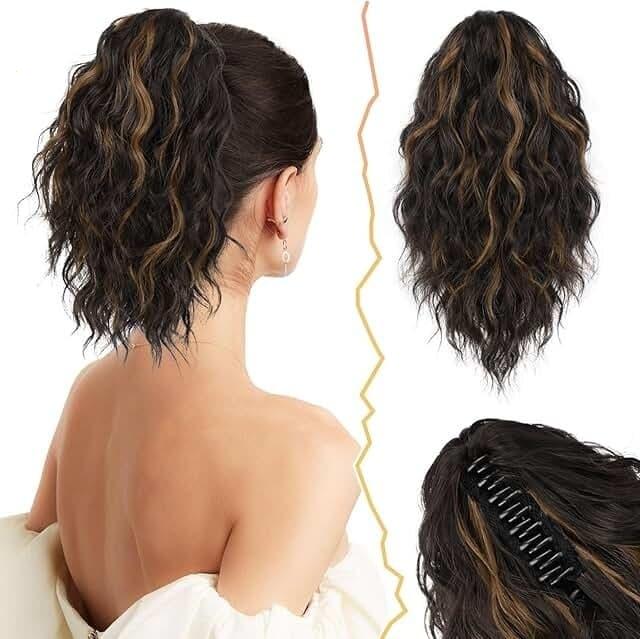 rewarding because the wig will maintain its shape and shine longer.
What to avoid at all costs
- Hot water or high dryer heat—these can melt or warp synthetic fibers.
- Aggressive rubbing, twisting, or harsh brushes that cause shedding and frizz.
- Household solvents, acetone, or heavy oils that degrade synthetic coating.
- Mismatched products—human-hair conditioners with heavy silicones may weigh down synthetics and leave residue.
Choosing the right products
Look for products labeled specifically for synthetic wigs or heat-resistant synthetic fibers. Key phrases to seek: "synthetic wig shampoo," "silicone-free," "no alcohol," and "detangling spray for synthetic hair." Packaging that lists ingredients helps you avoid drying alcohols and heavy oils. If in doubt, test a small, inconspicuous section first to confirm compatibility.
Quick troubleshooting guide
Problem: The wig feels sticky after treatment. Solution: Rinse thoroughly with cool water and repeat a light shampoo step to remove residue.
Problem: Excessive fuzz or frizziness. Solution: Use a light silicone-free smoothing spray and a gentle comb, avoid heat.
Problem: Loss of style shape. Solution: Reshape on a mannequin head and use low-heat steam for heat-friendly fibers or cold rollers for classic fibers.
When to seek professional help
For expensive or heavily styled wigs—especially those with intricate lace fronts or hand-tied constructions—consider professional cleaning if you're unsure. Professionals can deep-clean, recondition, and perform restorations that might be risky at home. Use the at-home methods described here for routine maintenance and light refreshing to avoid unnecessary professional costs.
Checklist before you begin a full wash
- Confirm the wig type and fiber rules (read manufacturer info).
- Have all supplies ready and nearby.
- Detangle thoroughly and remove any accessories like clips or pins.
- Work on a clean, flat surface with a towel ready for blotting.
Eco-friendly alternatives
If you prefer greener solutions, choose biodegradable, low-sulfate shampoos and avoid aerosol sprays with high VOC content. Small, measured amounts of mild soap reduce wastewater load, and allowing wigs to air-dry naturally uses no electricity.
Common myths debunked
- Myth: Hot water cleans better. Fact: Hot water can damage synthetic fibers—cool water is safer and equally effective with the right shampoo.
- Myth: Any conditioner works. Fact: Many conditioners for human hair contain oils and silicones that leave residue on synthetics, so choose products formulated for synthetic fibers.
To summarize, mastering how to clean a wig synthetic involves choosing low-heat approaches, using fiber-appropriate products, and handling the wig gently throughout every step. With consistent care, you can maintain shine, minimize wear, and prolong your wig's usable life.
DIY shine boost recipe
Mix a small spray bottle with 1 cup cool water and 1–2 teaspoons of a silicone-free fabric softener designed for delicates; mist lightly and comb through for a subtle gloss. Test in a hidden area first. This is a low-cost way to learn how to clean a wig synthetic for occasional brightening without heavy commercial products.
Final maintenance tips
- Label your wig care routine with dates so you know when the last full wash occurred.
- Rotate between wigs if you wear them daily—this reduces wear on any single piece.
- Keep a small travel kit with a detangler and a gentle comb for touch-ups on the go.
By following the above advice, you’ll be equipped to care confidently for synthetic hairpieces, maintaining natural-looking shine, softness, and longevity. The core ideas—gentle cleansing, careful detangling, cool rinsing, and silicone-free finishing—are the essential answers to the repeated question of how to clean a wig synthetic and will serve you well whether you own one wig or a collection.
Frequently Asked Questions
How often should I wash a synthetic wig?
Wash frequency depends on wear: for daily wear, every 6–8 wears is typical; for occasional wear, wash after 10–15 wears or when the wig feels dirty or smells. Use the light surface-refresh method between full washes.
Can I use regular shampoo and conditioner?
It's best to use shampoos and conditioners labeled for synthetic fibers or mild, sulfate-free shampoos. Regular human-hair products often contain oils and silicones that weigh down synthetic fibers and leave residue.
Is it safe to use heat on synthetic wigs?
Only if the wig is specifically labeled heat-friendly or heat-resistant. Use the lowest recommended temperature and test a small section first; default to air-drying for non-heat fibers.
Related products
Blog
- Wig Fever Unleashed - Ultimate Guide to 2025 Trends, Care Tips and Where to Buy Quality Hairpieces
- how to make braided wigs at home - complete step by step DIY guide for beginners and pros
- Belletress Wigs Buyer Guide 2026 - Best Styles Honest Reviews and Easy Care Tips
- Top Rated Wig Clips for Comfort and Hold with Simple Installation Tips
- Expert Tips and Top Picks for rachel welch wigs to Achieve a Natural Look and All-Day Comfort
- can i use eyelash glue for my wig 7 expert tips to keep your wig secure and damage free
- is bella wearing a wig in eclipse A Detailed Look at Movie Stills, Hairstylist Clues and What Fans Notice
- how to put long hair in a wig cap step by step tips for tangle free secure wear