
how to soften a wig at home using simple natural treatments for silky manageable results
how to soften a wig: practical, safe, natural approaches for silkier, more manageable hairpieces
Discovering simple, natural methods to revive stiffness and bring back softness is a common challenge for wig wearers. Whether you wear human hair or synthetic fibers, knowing how to soften a wig at home with ingredients and techniques that are gentle, affordable, and effective will save you time and extend the life of your investment. This guide explains step-by-step treatments, preventative care, styling tips, and troubleshooting to achieve silky, manageable results without relying on harsh chemicals.
Why softness matters and what makes a wig feel stiff
Softness affects not only the look but also the comfort and versatility of a wig. Stiffness can be caused by factory finishes, shipping buildup, product residue, heat damage, hard water minerals, or simply dried-out fibers. Understanding the fiber type — human hair, heat-friendly synthetic, or basic synthetic — is the first step because recommendations differ: human hair accepts oils and heat styling more readily; synthetic fibers need milder, non-oily interventions.
Types of fibers and quick rules
- Human hair: Treat similarly to your own hair: use gentle moisturizing conditioners, occasional oils in small amounts, heat treatments carefully, and deep-conditioning masks.
- Heat-friendly synthetic: Many heat-friendly synthetics respond moderately to warm water and low-heat steam. Avoid excess heat and use silicone-based synthetic conditioners sparsely.
- Basic synthetic: Do not use hot water or direct heat. Use cold-water rinses, silicone-free conditioners formulated for synthetics, and professional detanglers.
Natural ingredients that work: pros and cons
Several household items can soften fibers without causing buildup when used correctly. Below is a balanced list with application tips and warnings.
1. Mild conditioner (preferably silicone-free)
How to use: Dilute 1 part conditioner to 4 parts water in a spray bottle for an even, lightweight finish. Spray generously, comb through with a wide-tooth comb, let sit 10–20 minutes, then rinse with lukewarm water for human hair or cool/cold water for synthetics.
Why it helps: Conditioners add temporary slip and moisture; dilution prevents heavy buildup. Ideal for regular maintenance.
2. Coconut oil and light carrier oil blends (human hair only)
How to use: Mix several drops of coconut oil with a teaspoon of lightweight oil (jojoba or grapeseed). Emulsify with warm water, apply sparingly to ends and mid-lengths, wrap in a microfiber towel or plastic cap for 20–30 minutes, then wash out with a gentle sulfate-free shampoo. Avoid roots and lace areas to prevent slippage.
Why: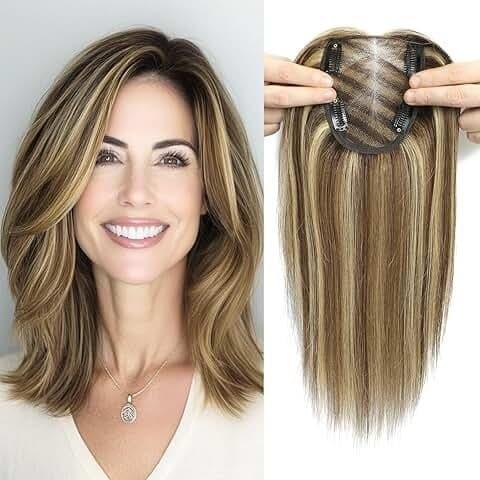 Natural oils penetrate human hair, restoring softness and sheen, but use sparingly to avoid greasiness.
3. Aloe vera gel + water (a lightweight natural softener)
How to use: Mix 1 part pure aloe vera gel with 3–4 parts water and a teaspoon of leave-in conditioner or glycerin for extra slip. Apply lightly and comb through. No need to rinse — for human hair it doubles as a leave-in; for synthetic only apply very lightly then air-dry.
Why: Aloe adds moisture and smooths cuticle without weight, good for delicate lace fronts.
4. Apple cider vinegar (clarifying rinse)
How to use: For human hair and many synthetics, mix 1 part apple cider vinegar with 8–10 parts water as a final rinse after washing. Rinse thoroughly thereafter and condition if needed.
Why: ACV removes product residue and mineral build-up that cause stiffness and dullness. Use sparingly — strong acid can dry hair with excessive use.
5. Fabric softener myth and reality
Many sources suggest dilute fabric softener; while it can soften fibers, it often leaves a residue that attracts dirt and shortens wig life. If chosen, use a very light dilution (a teaspoon in a gallon of water) only on robust synthetic wigs, rinse well, and avoid lace caps. Prefer commercial wig softeners or the natural alternatives above.
Step-by-step softening routines for different wig types
Routine A — Human hair wig (deep conditioning restore)
- Gently detangle the wig with a wide-tooth comb from tips to roots while the wig is dry.
- Wash in lukewarm water using a sulfate-free shampoo, massaging the cap gently; avoid twisting the hair.
- Apply a rich, silicone-free deep conditioner or a natural mask (coconut oil mixed with conditioner). Cover with a shower cap and sit for 20–40 minutes. For extra penetration place the wig (cap side down) over a warm towel — never apply direct heat.
- Rinse thoroughly with cool water to seal the cuticle.
- Finish with a diluted leave-in spray (1:4 conditioner to water) and comb through; air-dry on a wig stand or use very low heat if necessary.
Routine B — Heat-friendly synthetic wig (gentle steam treatment)
- Detangle after washing with cool water and a mild synthetic wig shampoo.
- Create a conditioning spray (mild conditioner diluted with water) and mist lightly.
- Use steam from a safe distance — hold the steam source 10–12 inches away and pass quickly across strands to relax fibers; avoid prolonged exposure.
- Comb gently with a wide-tooth comb and leave to air-dry. Apply a small amount of silicone-based synthetic wig spray if additional slip is necessary.
Routine C — Basic synthetic wig (no heat, no oil)
- Wash in cool water with a gentle synthetic shampoo.
- Use a conditioner formulated for synthetics, diluted heavily, and rinse once; avoid heavy products.
- Pat dry with a microfiber towel and detangle while damp with a wide-tooth comb.
- Apply a lightweight, alcohol-free detangling spray specifically made for synthetic fibers if needed.
Tools and accessories that make softening easier
- Wide-tooth comb or detangling brush: These prevent stress and breakage while distributing conditioner evenly.
- Microfiber towel: Minimizes friction and frizz during drying.
- Wig stand or mannequin head: Keeps shape while drying and when styling.
- Heat tools with precise temperature control: Only for human hair or heat-friendly synthetics — always test a small strand.
- Spray bottles: For consistent dilution of conditioners and leave-in treatments.
Daily maintenance to keep softness long-term
Consistency matters more than occasional intense treatments. Implement a gentle routine: wide-tooth comb detangling once daily, light leave-in sprays before wearing, and avoid heavy oils or alcohol-based styling products that can dry or weigh fibers down. Store wigs on stands away from dust and heat; cover them with breathable fabric to preserve moisture level and prevent tangling.
Troubleshooting common problems
1. Residue and heaviness after treatment
If the wig feels sticky or heavy, it likely has product buildup. Clarify with a diluted apple cider vinegar rinse or a clarifying shampoo, then follow with a light conditioner. Always perform a patch test on a small hidden section first.
2. Greasy look after using oils
Oils can be too heavy; wash with sulfate-free shampoo and use a lighter leave-in conditioner next time. Apply oils only to ends, not the cap or roots.
3. Static and flyaways
Static is often caused by dry synthetic fibers or cold weather. Use an anti-static spray, a tiny amount of water-based leave-in, or briefly pass through steam for heat-safe fibers. For human hair, a drop of serum distributed through lengths helps reduce static.
4. Softening makes curls limp
For curly wigs, use curl-defining leave-ins and avoid heavy conditioners that relax curl memory. Apply treatments by scrunching rather than combing to preserve pattern.
How often to soften and deep-condition
Frequency depends on wear: weekly light misting and detangling for daily wearers, deep-conditioning once every 4–6 weeks for human hair wigs, and a gentler clarifying and conditioning for synthetics every 6–8 wears. Track performance: when fibers start to feel coarse or brittle, it’s time for renewal.
Professional options and when to seek help
Some wigs, especially high-end human hair pieces or vintage synthetics, benefit from professional salon services like salon deep-conditioning, reconditioning, or fiber restoration. If your at-home attempts don’t restore softness after two treatments, consult a wig technician to avoid unintentional fiber damage.
DIY softening recipes to try
Recipe 1 — Light leave-in spray (good for human hair and heat-safe synthetics)
Ingredients: 1 cup distilled water, 1 teaspoon lightweight conditioner, 1 teaspoon aloe vera gel, 2–3 drops essential oil (optional for scent). Mix in a spray bottle and shake well before use. Spray lightly and comb through for instant slip.
Recipe 2 — Clarifying soak (for product buildup)
Ingredients: 4 cups cool water, 1/4 cup apple cider vinegar. Soak the wig for 5–10 minutes, then rinse and follow with a diluted conditioner.
Recipe 3 — Nourishing mask for human hair
Ingredients: 1 tablespoon coconut oil, 1 tablespoon conditioner, 1 teaspoon argan or jojoba oil. Warm lightly (body temperature), apply to mid-lengths and ends, cover for 20–30 minutes, wash out thoroughly.
SEO-friendly tags and content notes
To ensure discoverability, repeat keyphrases like how to soften a wig naturally within headings and paragraphs, use synonyms (revive, detangle, restore softness), and structure content with clear headings (
, , ) and bulleted lists for scannability. Also include terms users search for like "natural wig softener", "homemade wig conditioner", and "soften synthetic wig safely".Final thoughts and best practices
) and bulleted lists for scannability. Also include terms users search for like "natural wig softener", "homemade wig conditioner", and "soften synthetic wig safely".Final thoughts and best practices
Gentle, consistent care wins over aggressive one-off fixes. Whether your goal is to learn how to soften a wig made of human or synthetic fibers, prioritize fiber-appropriate products, avoid heavy oils on synthetics, perform strand tests, and favor diluted, rinse-off or light leave-in solutions. Patience during treatments and the right tools will return manageability and shine without sacrificing longevity.
FAQ
Q: Can I use olive oil to soften a wig?
A: Olive oil can soften human hair but is heavy and may be hard to remove; use tiny amounts on ends and always wash out. Avoid olive oil on synthetic wigs.
Q: Will steam ruin my lace front?
A: Brief, indirect steam can relax fibers, but avoid prolonged exposure to hot steam near the lace cap — excessive moisture and heat can loosen adhesives and distort cap shape.
Q: How do I keep a wig soft between washes?
A: Use a light, diluted leave-in spray, detangle gently daily, and store on a stand with breathable cover to maintain softness and reduce tangling.
Related products
Blog
- why did spencer wear a wig in season 5 explained behind the scenes and fan reactions
- why does kacey musgraves wear a wig - surprising reasons behind her look, style choices and stagecraft
- Find where to buy wig caps near me with 10 top local stores and affordable online picks
- 2025 Ultimate Guide to et with wig - Step by Step Styling, Care and Natural Results
- Exploring why does dolly parton wear wigs and the surprising history behind her signature look
- did britt robertson wear a wig in merry gentlemen - Truth revealed with makeup notes and on-set evidence
- how to make a wig cosplay in 8 easy steps with a beginner friendly materials list and pro styling tips
- New investigation into does judge jeanine pirro wear wigs with photos and expert analysis