
how to bleach knots on a lace wig step by step techniques for a natural looking hairline
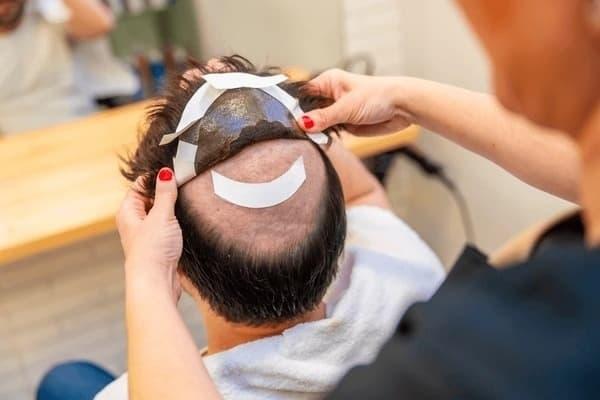
Expert Guide to Achieving a Seamless Lace Hairline
If you want a salon-worthy finish at home, this comprehensive guide explains professional techniques for creating a natural, undetectable hairline on lace units. The focus is on safe, repeatable methods so you can master the tricky parts: reducing visible knots, preserving lace integrity, and keeping hair density realistic. For those searching specifically for how to bleach knots on a lace wig, this resource provides step-by-step directions, safety notes, and practical alternatives to achieve a soft, realistic frontal.
Overview: Why Lighten Knots?
Understanding the purpose behind knot-lightening is important before attempting any chemical process. Bleaching knots reduces the contrast between the wig’s knot color and your scalp tone, minimizing the tiny dark dots that reveal the hair is ventilated. When you learn how to bleach knots on a lace wig properly, you preserve the lace, maintain strand strength, and create a virtually invisible hairline that blends with scalp skin tones.
Key outcomes you should expect
- Reduced visibility of ventilation knots
- Natural-looking parting and hairline
- Minimal damage when done correctly
When to avoid knot bleaching
- Very fine or pre-damaged hair strands
- Delicate transparent lace that tears easily
- Colored or synthetic hair—do not bleach synthetic fibers
Materials and prep: What you need
Preparation is about safety and precision. Gather quality products and set up a clean, well-lit space. Below is a curated checklist:
- Bleach powder (professional grade)
- 20 or 30 volume developer — 20v is safer for most lace units
- Tint bowl and an anti-corrosive mixing spatula
- Plastic wrap or shower cap, and a soft-bristle toothbrush or micro applicator
- Clarifying shampoo, a gentle sulfate-free shampoo, and a deep conditioner
- Gloves, timer, and a non-metallic spray bottle with water
Prep steps
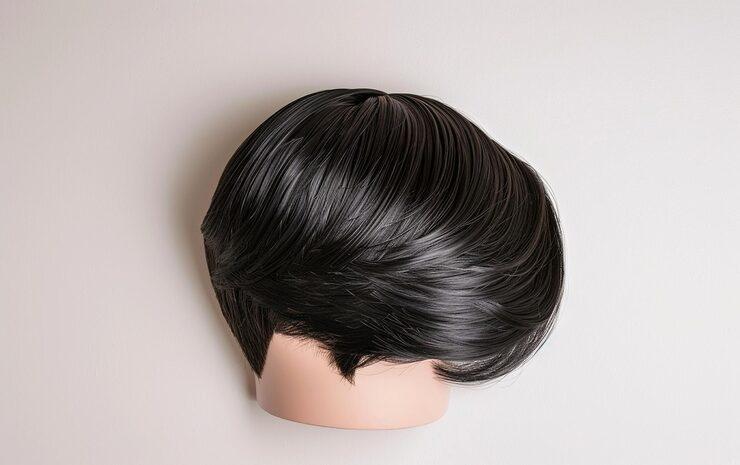
Start by washing the wig with a clarifying shampoo to remove oils and product residue. Let the lace dry completely on a mannequin head or wig stand. Inspect the lace for weak spots and map out the areas where knots are most visible—usually along the hairline and center part. If you’re new to this process, practice on an old, inexpensive wig first.
Step-by-step method for how to bleach knots on a lace wig
Step 1: Secure and section the unit
Place the unit on a stable mannequin head and secure with pins. Use clips to separate the hair away from the hairline and part area. Working with clean, dry lace gives you the best visibility and control.
Step 2: Lighten gradually — mix the right ratio
In a non-metallic bowl mix bleach powder and developer at a conservative ratio — commonly 1:2 (powder:developer) or follow the bleach manufacturer’s instructions. For most lace knots, start with 20 volume developer. The goal is to lift the knot pigments just enough to give a translucent appearance without compromising hair shafts.
Step 3: Protect the hair fibers
Before applying bleach to knots, apply a thin layer of coconut oil or a strand-protecting serum to the hair shafts to reduce direct contact with bleach. This helps prevent over-processing the hair while you focus on the lace base.
Step 4: Apply the bleach precisely
The most common technique is the “dot-and-blot” method with an applicator brush or micro-applicator. Using a small brush or a dedicated knot-bleaching tool, deposit bleach onto individual knot clusters rather than slathering the whole hairline. Work in 1-2 inch sections and keep tools steady; you want to saturate the knot center and avoid excess on the surrounding lace.
Another controlled approach is using a cotton swab to dab bleach directly onto knots, then cover with plastic wrap to retain heat and accelerate processing evenly.
Step 5: Monitor processing time
Timing is critical. Check the knots every 5-7 minutes under a bright light. Most knots will lighten sufficiently within 10-20 minutes depending on the developer strength and original knot color. Avoid leaving bleach on longer than necessary. If you notice hair strand discoloration or lace discoloration beyond the knot, rinse immediately.
Step 6: Rinse, neutralize, and tone
Once the knots reach the desired translucency, rinse thoroughly with cool water. Use a color-safe shampoo to remove all bleach residues. Apply a purple or blue toner if the bleached knots look too brassy — use lightly and target the knot area. Follow up with a deep condition to restore moisture to hair fibers.
Advanced techniques and tips
Backcombing and knot reduction
For a softer hairline, gently backcomb the first few rows of hair near the lace to create less density. When combined with subtle bleaching, it creates a convincing baby-hair effect. Use thinning shears sparingly and maintain natural growth direction.
Plucking for realism
After knot bleaching and conditioning, carefully tweeze the hairline to remove excess density. Tweeze on a mannequin head with the unit dry for more control. Pull a few strands at a time at a 45-degree angle to mimic natural hair growth. Avoid over-plucking; less is usually more for a believable result.
Creating baby hairs
Trim a few short strands along the hairline and style with a lightweight gel or edge control. The contrast of delicate, shorter hairs against a bleached knot base enhances the illusion of real and planted hair.
Safety and lace care
Always wear gloves and work in a well-ventilated area to minimize inhalation of fumes. Avoid heating bleach with high temperatures; the chemical process is exothermic and should be monitored. If lace looks fragile after bleaching, neutralize immediately with a baking soda rinse (diluted) or a mild acid rinse to stop processing. Never use bleach on lace intended for delicate vintage or silk bases without testing a small area first.
When to seek professional help
If you notice lace thinning, excessive hair breakage, or unexpected discoloration, stop and consult a professional stylist. They can recommend restorative treatments or perform a corrective color service safely.
Alternatives to bleaching
For those who want minimal chemistry, consider these alternatives: tinting the lace with lace dye or fabric tint, using makeup to match your scalp tone, or selecting a transparent lace that closely matches your skin. These less aggressive methods can produce great results without the risks associated with bleach.
Makeup and scalp tinting
Use foundation, concealer, or scalp-specific products to color the lace base. Dab and blend carefully, then set with translucent powder. This method is reversible and can be adjusted daily.
Pre-colored lace units
Purchasing lace units with pre-bleached knots or transparent bases eliminates the need to chemically alter the wig. It’s a costlier option but often worth it for beginners or frequent wearers.
Common mistakes to avoid
- Using overly strong developer leading to strand damage
- Applying bleach unevenly and causing blotchy knots
- Skipping the strand-protection step and losing shine
- Over-plucking the hairline and creating unrealistic gaps
Troubleshooting tips
If knots remain too dark after a single application, wait 24-48 hours and reassess—do not reapply bleach immediately. Slow, incremental improvements reduce cumulative damage. For brassiness, a gentle toner or purple shampoo can help neutralize orange tones.
Maintaining a natural look after processing
Aftercare preserves your investment. Use sulfate-free shampoos, avoid excessive heat styling, and apply a leave-in conditioner to maintain hair elasticity. Store the wig on a stand away from direct sunlight and refresh the lace with a light tint or concealer when needed to maintain a lifelike appearance. Remember the phrase how to bleach knots on a lace wig isn't just a single task but a part of a maintenance routine that includes conditioning, styling, and occasional touch-ups.
Daily styling suggestions
Use foam rollers or low heat to set curls rather than high-temperature irons. Lightweight oils like argan or jojoba restore shine without weighing strands down. For edges, a soft brush and a dab of edge gel give a polished finish without harsh lines.
Checklist before wearing
- Ensure knots are uniformly lightened and free of residue
- Confirm lace color blends with your scalp—use makeup if needed
- Check hairline density and make minor plucks if necessary
- Style baby hairs and secure the unit for comfortable wear
Short summary
Mastering how to bleach knots on a lace wig requires patience, correct product choice, and careful application. By following measured steps—cleaning and prepping, cautious bleaching, neutralizing, and skillful post-processing like plucking and styling—you can create a hairline that reads as natural and undetectable.
Final safety reminder
Always patch test and consider professional assistance for high-stakes or expensive lace units. Conservative methods and incremental adjustments protect the lifespan of your wig and keep the hairline realistic.
FAQ
Q: Will bleaching knots ruin my wig?
A: If done improperly, bleaching can weaken hair fibers and damage lace. Use low-volume developer, apply bleach only to the knots, and avoid over-processing. When in doubt, test on a small area first.
Q: How often can I bleach the same unit?
A: Limit knot bleaching to infrequent touch-ups. Frequent re-bleaching increases breakage risk; aim for no more than 1-2 major services a year and refresh with makeup or tinting in between.
Q: Can I bleach knots on a colored wig?
A: Bleaching colored human hair can produce unpredictable results and may damage the hair. Colored synthetic wigs should never be bleached. For colored human hair, consult a trusted colorist.
By following these guidelines and maintaining realistic expectations, you can confidently improve the hairline appearance of lace units while protecting the longevity of the wig—this is the practical, step-by-step approach to creating a natural-looking finish when learning how to bleach knots on a lace wig.
Related products
Blog
- how to style a plastic wig with easy DIY tips for a natural, long-lasting finish
- How Long Do Lace Front Wigs Last Discover Real Lifespan Care and Cost-Saving Tips
- can wearing a wig cause hair loss explained - expert tips to prevent damage
- Short Bob Wigs Trend Guide 2025 Practical Tips for Choosing Styling and Caring for Short Bob Wigs
- do judges in the uk wear wigs - clear guide to history, etiquette and modern practice
- Big Wig Tacos Menu Hacks and 9 Irresistible Recipes to Try Tonight
- Surprising reasons why did they wear wigs in the 18th century and how fashion, hygiene and politics shaped the trend
- what is frontal wig explained - the ultimate guide to frontal wig types installation and care