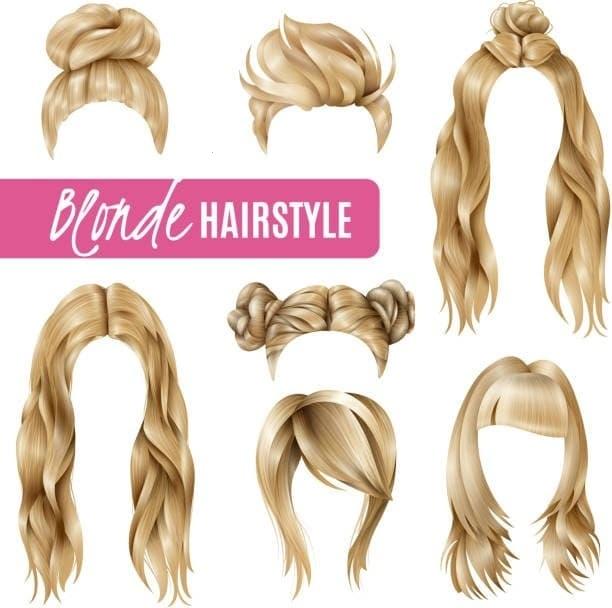
This extensive guide explores how to select the right base, apply it correctly and maintain a believable hairline so your hairpiece looks effortlessly natural. If you want comfortable, reliable results every day, learning about wig caps is essential. Throughout this resource you will find practical advice on selecting the best wig caps, understanding materials, sizing, fitting techniques, styling tips and care routines that protect both the cap and the wig fibers.
Why the base matters: an introduction to wig caps and comfort
At the heart of any realistic wig is the foundation layer—the wig caps . The cap determines breathability, fit, scalp appearance and how secure the wig feels. There are multiple constructions and fabrics to choose from, and understanding these helps you pick a cap that supports a natural look while being comfortable for long wear. Whether you prefer lace fronts, full lace, monofilament or stretch caps, each type brings different advantages for styling, ventilation and realism.
Common types of wig caps
- Lace front cap: a thin lace at the frontal hairline that creates an intimate, undetectable transition from forehead to wig hair.
- Full lace cap: a lace base that covers the entire scalp for maximum versatility in parting and styling.
- Monofilament top: a small section where individual hairs are hand-tied to mimic a natural scalp appearance; ideal for realistic parting.
- Stretch cap / capless: machine-made caps with open wefts that offer lightness and airflow, often more affordable and breathable.
Materials and breathability
Different materials change the way a cap feels. For hot summers, choose caps with breathable wefting or open-weft construction. For a closer-to-scalp feel and the most natural parting, lace or monofilament areas are preferable. If you are sensitive to fibers, hypoallergenic cap liners and soft cotton blends can reduce irritation. Always check the construction when shopping for wig caps to balance realism with comfort.
Measuring and selecting the right size
Size is a critical factor—too tight and the wig will be uncomfortable; too loose and it can shift or peek at the hairline. Use a soft measuring tape to get accurate circumference and landmark measurements (forehead to nape, ear to ear over the top). Most caps come in petite, average and large sizes, but custom caps are an option for perfect fit. Document your dimensions and compare them against the cap sizing chart provided by the retailer or manufacturer.
Tips for accurate measuring
- Measure a few times to confirm consistency.
- Measure with the hair pulled back in the style you will wear under the wig.
- Note the shape of your head—rounder versus oval—and consider how cap styles sit on different shapes.
Preparing your natural hair and scalp
Before putting on any wig, prepare your natural hair to achieve a smooth, flat base. For short hair, brush and braid or pin hair flat. For longer hair, secure it into low, tight braids or a flat wrap. Use a soft cotton or silicone wig cap to hold hair in place and to create a barrier that protects from friction. Choosing the right under-cap reduces bulk and helps the outer wig caps lay flat for a realistic silhouette.
Securing the cap: practical methods
There are several ways to keep the cap and wig secure: wig clips sewn in, adjustable straps, wig glue, tape or elastic bands. For daily wear, many prefer adjustable straps and discreet combs for easy on/off. For active lifestyles, consider medical-grade tape or a thin band to anchor the cap without damaging fragile edges.
Application step-by-step for a natural hairline
Achieving a believable hairline is where many transformations happen. Begin with a clean, oil-free forehead and apply a thin layer of adhesive if using lace front techniques. Place the cap so that the hairline aligns naturally with your forehead and press the lace gently to secure. Use a fine-tooth comb to blend edges and trim any excess lace carefully. For monofilament tops and parting, adjust the hair so the part sits exactly where you want it, and use small amounts of concealer or foundation to even out the scalp tone for a seamless finish.
Styling for realism
A few styling strategies can greatly enhance realism: mimic your natural hair part, keep baby hairs or shorter edge hairs visible, and use lightweight styling products that provide hold without stiffness. When heat styling wigs, always check the fiber type and use proper temperature settings. Cut and layer wigs to match face shape and blend with natural hair if doing partial coverage styles.
Daily care: preserving shape and comfort
Routine care of both the wig and the underlying wig caps extends lifespan and maintains appearance. After each wear, gently detangle the wig with a wide-tooth comb and store on a mannequin or stand to preserve shape. Wipe the inside of the cap occasionally with a mild, alcohol-free cleanser to remove oils and sweat. For lace fronts, avoid excessive pulling on the delicate lace area and let adhesives rest from time to time to prevent skin irritation.
Washing and conditioning
Washing frequency depends on use; for daily wear, cleanse every 7-14 days, and for occasional wear, every 4-6 weeks. Use wig-specific shampoos and conditioners for synthetic or human hair fibers. When washing, support the cap and avoid scrubbing lace directly. Rinse thoroughly and gently pat dry; never rub or twist. For human hair wigs, deep condition occasionally and use heat protectant before styling tools.
Storage, travel and long-term maintenance
Store wigs on stands or in breathable bags to prevent tangling and crush damage. Keep wig caps and wig pieces away from direct sunlight and high humidity. For travel, pack the wig in a protective case and include a small wig brush and pins. Periodically check seams, adjustable straps and any sewn-in hardware so you can repair minor issues quickly and avoid larger maintenance problems.
Repair and customization
Minor repairs often include re-sewing loose wefts, replacing wig clips, or re-tacking lace. For major customization—color blending, cutting to face shape, or advanced ventilation techniques—consult a professional wig stylist. Customization can dramatically improve how the cap sits and how the wig mimics natural growth patterns.
Common mistakes and how to avoid them
- Skipping measurement: an ill-fitting cap undermines all styling efforts.
- Overusing adhesives: rotate adhesive use and allow the skin to breathe to prevent irritation.
- Using the wrong products: avoid heavy oils and non-wig shampoos that can break down fibers or clog venting.
- Neglecting cap maintenance: a clean under-cap reduces odor and prolongs fit integrity.
For SEO-friendly reference, the phrase wig caps appears throughout this guide to highlight its central role in any wig routine. Search engines favor content where primary keywords appear naturally within headings, emphasis tags and descriptive paragraphs. We have incorporated wig caps inside semantic elements like
, , and to both guide readers and improve discoverability.Practical checklist before you purchase
- Measure your head and understand the cap sizing.
- Decide the desired level of realism: lace front, full lace or monofilament.
- Consider daily activities and choose breathable constructions for comfort.
- Plan for maintenance: determine if you will wash, style or require professional adjustments.
- Verify return policies and sample images of real-wear to judge natural appearance.
When shopping in person or online, search queries that include terms like "breathable wig caps", "lace front cap care", or "how to size wig caps" will yield more focused results. Combine product reviews with close-up photos of hairlines and cap interiors to make an informed decision.
Final tips for a natural look every day
Layering techniques, selective thinning, and subtle color blending near the hairline make a big difference. Keep edges soft and avoid overly heavy styling products that reveal the cap underneath. Proper cap selection and careful application will ensure your wig moves like natural hair and remains comfortable for hours. Treat the cap with the same level of care as the wig—clean gently, store properly and check fittings regularly.
Conclusion
Understanding the nuances of different wig caps empowers you to select a foundation that enhances realism, comfort and longevity. Whether you are new to wigs or seeking to refine your routine, focusing on cap type, fit and care practices will yield the most natural, believable results. Use this guide as a reference when shopping and caring for your wigs, and remember that incremental adjustments often make the greatest improvements to realism.
Additional Resources
Community tips and personalization ideas
Many wig wearers find it helpful to document cap preferences and fitting notes: which brand fits best, which cap materials respond to heat and sweat, and which adhesives gave the cleanest hairline. Personal logs help recreate a perfect fit and simplify replacement purchases.

Practical checklist before you purchase
- Measure your head and understand the cap sizing.
- Decide the desired level of realism: lace front, full lace or monofilament.
- Consider daily activities and choose breathable constructions for comfort.
- Plan for maintenance: determine if you will wash, style or require professional adjustments.
- Verify return policies and sample images of real-wear to judge natural appearance.
When shopping in person or online, search queries that include terms like "breathable wig caps", "lace front cap care", or "how to size wig caps" will yield more focused results. Combine product reviews with close-up photos of hairlines and cap interiors to make an informed decision.
Final tips for a natural look every day
Layering techniques, selective thinning, and subtle color blending near the hairline make a big difference. Keep edges soft and avoid overly heavy styling products that reveal the cap underneath. Proper cap selection and careful application will ensure your wig moves like natural hair and remains comfortable for hours. Treat the cap with the same level of care as the wig—clean gently, store properly and check fittings regularly.
Conclusion
Understanding the nuances of different wig caps empowers you to select a foundation that enhances realism, comfort and longevity. Whether you are new to wigs or seeking to refine your routine, focusing on cap type, fit and care practices will yield the most natural, believable results. Use this guide as a reference when shopping and caring for your wigs, and remember that incremental adjustments often make the greatest improvements to realism.
Additional Resources
Community tips and personalization ideas
Many wig wearers find it helpful to document cap preferences and fitting notes: which brand fits best, which cap materials respond to heat and sweat, and which adhesives gave the cleanest hairline. Personal logs help recreate a perfect fit and simplify replacement purchases.