
Step by Step Guide on how to style wigs for beginners with easy tools and pro tips
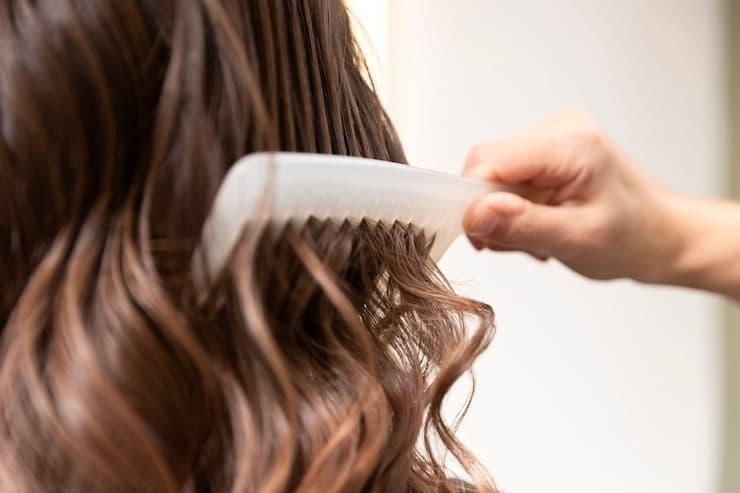
Practical Roadmap for Newcomers: A Friendly Walkthrough
Welcome to a beginner-focused, practical and SEO-aware walkthrough that teaches how to style wigs for beginners without overwhelming jargon. Whether you're just unboxing your first lace front, exploring synthetic options or planning a custom human-hair unit, this guide breaks things down into manageable steps, useful tools, and pro tips that scale with your confidence. The goal is to turn uncertainty into skill by focusing on safe techniques, common mistakes, and simple upgrades that produce salon-like results at home.
Why learning to style wigs matters
Styling a wig transforms it from a packaged piece into a wearable, flattering hairstyle. For anyone asking how to style wigs for beginners, remember: understanding fit, texture, and your desired silhouette makes every styling session faster and more successful. A well-styled wig enhances face shape, frames features, and can boost confidence instantly.
Key principles before you begin
- Know the fiber: synthetic wigs and human hair wigs behave differently. Low-heat-friendly synthetics avoid high temperatures; human hair accepts cutting and heat tools like natural hair.
- Work on a stable surface: a wig stand or mannequin head gives control for cutting and shaping.
- Manage density and cap construction: lace front vs full lace vs machine made impacts parting and styling options.
Essentials: Tools every beginner should own
Collecting a compact kit makes learning straightforward. Recommended items include:
- Mannequin head with clamp
- Wide-tooth comb and loop brush
- Tail comb and sectioning clips
- Heat protectant spray (for human hair or heat-friendly synthetics)
- Flat iron and curling iron with adjustable temperature
- Sharp shears and thinning scissors for texture work
- Hair pins, elastic bands, and styling gel for edges
- Wig stand travel pouch and satin bonnet for storage
Preparation steps: foundation before styling
Proper preparation means the difference between a quick refresh and a frustrating session. Clean the wig according to fiber type, detangle gently from ends upward, and wet the cap slightly if recommended. Secure the wig on a mannequin head and use clips to divide into working sections. If you are wondering how to style wigs for beginners, start with small sections and low heat settings — practice builds the necessary muscle memory.
Basic cutting and shaping for beginners
When cutting a wig, less is more. Use sharp hairdressing shears, point-cut for a natural finish, and always work with dry styles first to see how the hair falls. Thinning scissors can reduce bulk without changing length drastically. Beginners should avoid dramatic layering on the first try; instead, create soft face-framing pieces and adjust after wearing to confirm balance.
Heat styling fundamentals
Heat enables curls, straightening, and smoothing but must be used with care. For human hair wigs, begin at lower temperatures (250-300°F / 120-150°C) and increase only if necessary. For heat-tolerant synthetics follow manufacturer guidelines; many tops out around 300°F. Always apply a light heat protectant and test on a hidden strand first. To develop a repeatable curl pattern, use the same barrel size and wrap tension each time. If you're learning how to style wigs for beginners, document your settings so you replicate looks later.
Common heat styles and techniques
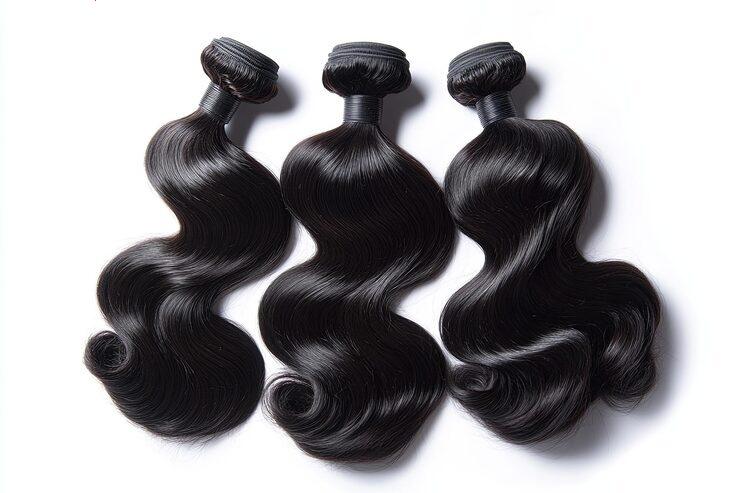
- Loose waves: large barrel curling iron, wrap away from face, brush out with paddle brush
- Sleek straight: flat iron with thin passes, finish with shine serum
- Spiral curls: smaller barrel, cool each curl clipped in place to set
- Beach texture: salt spray plus diffused heat or braiding damp hair and letting it dry
Creating natural hairlines and parting
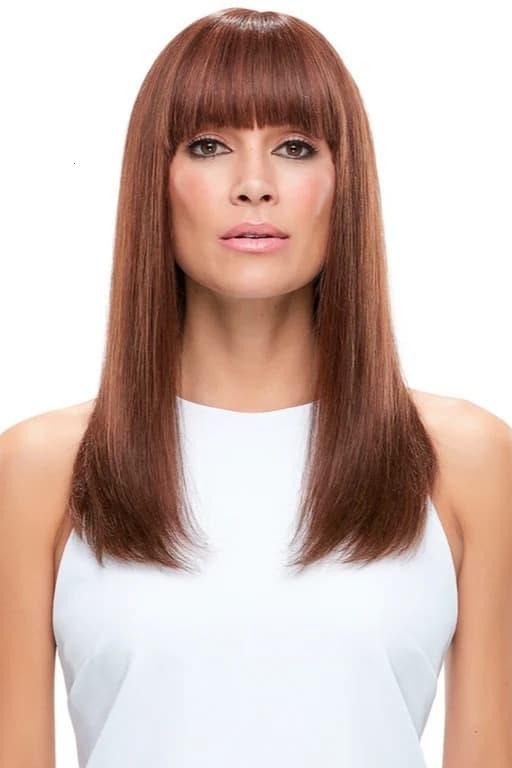
Natural hairlines make a huge difference. For lace fronts, pluck lightly along the hairline to reduce density—but do so gradually. Use a light concealer or powder matching your skin tone along the part to simulate scalp; this is a simple pro trick. For beginners exploring how to style wigs for beginners, crafting a believable part elevates the entire look.
Baby hairs and edge control
Edge styling can anchor the wig to your face. Use a toothbrush or small spoolie, a dab of styling gel, and soft, short strokes to lay baby hairs. Avoid over-application; the aim is subtle framing. Seal edges gently with an elastic band or banding technique when sleeping or transporting to keep them neat.
Layering, textures, and blending
Blending textured pieces into your base involves matching curl pattern and direction. If adding extensions or clip-ins, ensure color and luster match the wig. Texturizing sprays and dry shampoo can harmonize different sections for cohesive results. For those asking how to style wigs for beginners, experimenting with one texture change at a time reduces variables and speeds learning.
Simple styling routines to practice
Practice builds speed. Start with three foundational looks:
- Straight and sleek: section, iron, finish with shine spray
- Soft waves: curl, finger-comb, set with light hold spray
- Updo or ponytail: secure low or high, soften with face-framing strands
Rotate these looks weekly to learn how each technique affects the final wear and feel.
Color adjustments and safety
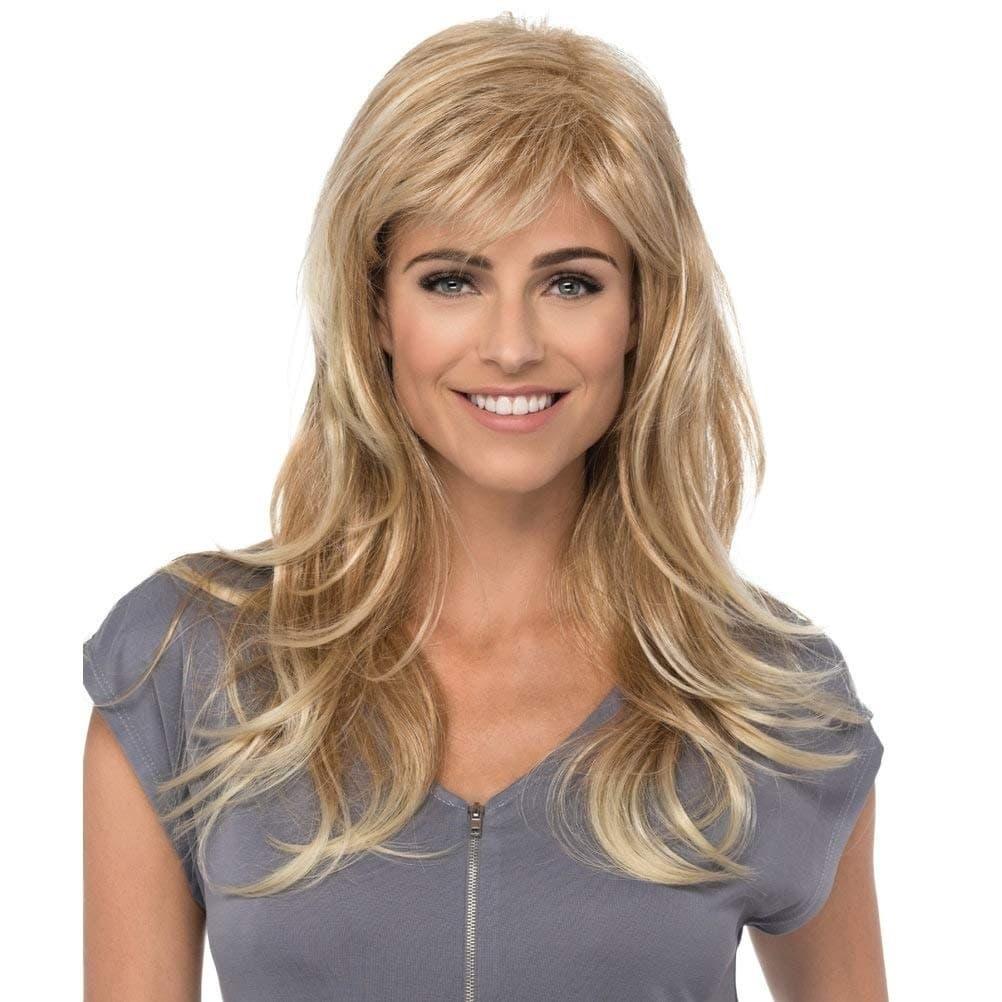
For human hair wigs, coloring is possible but proceed cautiously. Strand tests are essential: process a small hidden area to evaluate porosity and reaction. Synthetic wigs are usually not color-safe with standard hair dyes; use fabric dye or buy pre-colored units. As part of learning how to style wigs for beginners, understand maintenance implications of dyes and avoid frequent chemical stress.
Maintenance and care routines
Regular upkeep extends longevity. Recommended habits include gentle washing every 8-12 wears, conditioning human hair, detangling before washing, and storing on a stand or in a breathable wig bag. For synthetic wigs, use cold water and specially formulated products. Label your wigs with basic notes (fiber type, preferred heat settings) so each styling session starts informed.
Pro tips that make a big difference
- Keep a styling log: record temperatures, products and techniques that worked. This is especially helpful for reproducibility when preparing for events.
- Use invisible adhesives sparingly: tapes and glues help with longevity but require correct removal to protect lace and your skin.
- Emergency refresh kit: carry a small comb, dry shampoo, edge gel and bobby pins to handle quick fixes
- Blend real hair and wig carefully: if you're combining your natural hair with a wig, smooth transitions at the roots and secure with discreet pins
Styling on-the-go and long-term storage
For travel-friendly styling, roll wigs on a soft net and store in a structured box to preserve shape. When on the go, opt for low-maintenance styles that withstand humidity and require minimal touch-ups. Learning how to style wigs for beginners should include planning for wear conditions — realistic expectations save time.
Mistakes beginners often make and fixes
Common errors include over-cutting, heat damage, and using the wrong brushes. Fixes are usually conservative: trim less, use bond-repair products, and switch to gentler detangling tools. Always step back and wear the wig before making a second round of adjustments; what looks dramatic on a stand can read differently in motion.
Advanced techniques to try after basics
Once comfortable, explore dyeing human hair units, ventilating additional hairlines for realism, or customizing part density. Practice each advanced skill on a cheaper practice wig before applying to a valuable piece. For those who mastered how to style wigs for beginners, advancing slowly protects investments and builds professional-level outcomes.
Practice, patience and the right tools are the three cornerstones of successful wig styling.
Shopping tips for smart beginner buys
When choosing your next wig, prioritize cap fit and fiber quality over flashy features. Mid-range human hair units often provide the best balance for learners who want to style and maintain a real-hair look. Synthetic could be ideal for experimenting with fun colors or dramatic pre-set curls without the commitment or cost of coloring or heavy maintenance.
Checklist before styling
- Is the wig clean and detangled?
- Is the mannequin or head form secure?
- Are your tools within reach and in good working order?
- Have you reviewed heat settings and tested a small section?
Small finishing touches that read big
Finish each style with a cool blast from a blow dryer to set curls, a light mist of hold spray at arms length to avoid stiffness, and a satin wrap when storing. These small steps protect the investment and maintain shape. Remember the SEO-friendly focus: if you're searching advice about how to style wigs for beginners, look for resources that cover both technique and maintenance.
Learning resources and practice ideas
Useful practice includes following reputable video tutorials, joining online communities for feedback, and practicing on lower-cost units. Consider scheduling timed sessions to build speed: 30 minutes focused styling challenges help you progress faster than sporadic long sessions.
Summary: a simple routine to get started
1) Prep the wig and tools. 2) Section hair, choose a base style (straight, wave, updo). 3) Use conservative cutting, then heat-style in low passes. 4) Finish with shaping of hairline and light product. 5) Record your settings and store properly. Repeat and refine. This loop answers the core question of how to style wigs for beginners by creating predictable, repeatable outcomes.
Quick troubleshooting guide
If your wig feels heavy after product, try a clarifying wash. If curls fall quickly, use cool-down pinning to set. If hair looks flat, introduce lightweight texturizer and a lift at the roots with a round brush. Maintain a gentle hand: most beginner mistakes are corrected by removing product or cutting more conservatively next time.
Confidence grows with repetition. Start simple, keep notes, and upgrade tools as your skills evolve; the more you practice how to style wigs for beginners, the easier complex looks will become.
Optional FAQ
Q: Can I use regular hair products on wigs?
A: Use products labeled for the wig's fiber type. Human hair accepts traditional products, while synthetic needs specialized formulas to avoid residue build-up.
Q: How often should I wash a wig?
A: For regular wear, human hair every 8-12 wears; synthetics can last longer between washes. Always follow the manufacturer's care directions.
Q: Is it safe to heat style synthetic wigs?
A: Only heat-friendly synthetic wigs can be styled with heat and always within the recommended temperature range. When in doubt, test a hidden section first.
This comprehensive walkthrough is designed to be practical, gradual and repeatable so that learners asking how to style wigs for beginners can build competence step by step.
Related products
Blog
- How to Install, Blend and Style a frontal wig for a Seamless Natural Hairline and All Day Hold
- what season does dexter wear a wig - episode guide clues and why he wears it
- what are the best wigs Revealed 2025 Complete Guide to Top Styles, Fit and Care
- 7 Best short blonde wig styles to try this season with styling and care tips
- does hoda wear a wig - Fans Ask and Stylists Explain How TV Anchors Keep Their Hair Camera Ready
- does helly wear a wig severance - investigating the truth behind Helly's hair with costume notes, on set photos and expert insight
- what happened to vogue wigs explained by insiders and customer reviews
- Rumor Debunked - does kevin corke wear a wig and what the evidence shows about his hair and TV image