
who made the first wig and the surprising history of early wig makers
who made the first wig
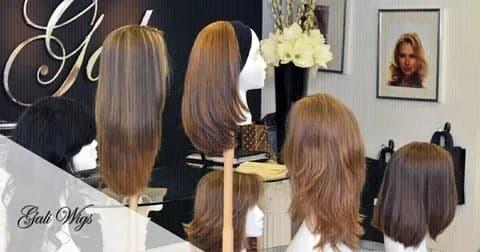
The question "who made the first wig" opens a long and textured story that travels from ancient civilizations to modern studios, from social necessity to theatrical flamboyance. This exploration does not simply answer a single inventor or a single moment; rather it traces techniques, cultural drivers, and the craftsmen—often unnamed—who created hairpieces for ritual, practicality, prestige, and performance. In this article you will discover how early wig production evolved, who the likely pioneers were, and why the identity of the "first" maker is more nuanced than a simple name. Along the way, we examine materials, regional practices, guild activity, and the social forces that turned hairpieces from pragmatic devices into powerful symbols.
Ancient origins: hairpieces as early technology and social tool
Evidence from archaeology and art shows that hair augmentation and elaborate coiffures existed thousands of years ago. In the context of ancient Egypt, Mesopotamia, and other early urban centers, artisans and attendants fashioned hairpieces to solve immediate problems: protection from the sun, concealment of hair loss due to disease or age, and the eradication of lice by shaving the head and wearing removable wigs. When asking who made the first wig it is crucial to recognize that making hairpieces in these early eras was often a collective workshop or household skill rather than the output of a named inventor. Sculptors, barbers, and textile artisans all contributed techniques that became part of wig-making traditions.
Egyptian custom and craftsmanship
In ancient Egypt wigs were worn by both men and women across social classes. Archaeologists have found wooden headrests and braided structures that supported hairpieces; tomb paintings and statues show elaborate styles that required careful construction. Craftsmen used human hair, palm fiber, wool, and even plant matter to create wigs. These artisans—often connected to temple workshops or royal households—were early specialists in wig construction. So when modern researchers ask who made the first wig, Egypt is frequently cited as the most ancient practical context in which wig-making techniques were refined and widely adopted.
Classical and medieval developments
In classical Greece and Rome, hair and hair imitation remained important for social display. Some sources suggest that wigs were used in Roman theater to represent different characters, an indication that wig-making techniques were specialized and possibly concentrated among theater craftsmen. During medieval times in Europe, hair coverings were more common, but the practice of wearing detachable hairpieces persisted among various classes. Barber-surgeons and tailors often adapted their skills to produce hair additions. At this stage, the idea of a single "first maker" becomes less meaningful because widespread needs created many independent innovators across regions.
The rise of the perruquier and the early modern "who made the first wig" story
By the 17th century the wig became a distinct craft with named professions. In France, the perruquier (wig maker) emerged as a recognized trade. Royal courts, especially under monarchs who wanted to assert grandeur and mask medical conditions such as premature baldness, fueled demand. Documents from the period show guild regulations, specialized shops, and masters who trained apprentices. In many English-language histories, when people ask who made the first wig they are often pointed toward these court perruquiers because they institutionalized wig-making as an artisan discipline and because rich documentation survives from that era.
Louis XIII, Louis XIV, and the fashion system
French kings played an outsized role in popularizing the wig. Louis XIII wore a wig to conceal hair loss, and his court set trends that spread throughout Europe. Under Louis XIV, wigs became even more elaborate, with full-bottomed, periwig styles signifying rank. The craftsmen who made these elaborate pieces—perruquiers—were often attached to royal households or worked in densely populated urban neighborhoods. These early modern wig makers refined methods for knotting hair onto caps, blending colors for natural effect, and producing long-lasting, wearable constructions. These techniques form a direct lineage to modern wig-making practices, and for many historians they represent a clear answer to "who made the first wig" in a recognizably modern sense.
Materials and methods across eras
Understanding "who made the first wig" also involves understanding what materials and techniques were available at different times. Early methods included:
- Hand-knotting hair into nets or caps using human hair or animal fibers.
- Weaving and sewing hair into strips or wefts that could be attached to a cap.
- Using adhesives or pins to secure pieces for temporary wear.
- Styling with heat, oils, powders, and other cosmetic treatments to create fashionable shapes.
Materials evolved from plant fibers and wool in early societies to imported human hair in later periods, and finally to synthetics in the 20th century. Throughout, the makers—barbers, tailors, perruquiers, theater wigmasters, and later commercial manufacturers—adapted to demand and materials. This continuity helps explain why the identity of "the first maker" is not a single person but a shared technical and cultural innovation reproduced by many hands.
Regional variations and unique traditions
Different regions developed distinct wig traditions. In Asia, Japan and China had their own approaches to hairpieces for theater (kabuki wigs, for instance) and court dress. Indigenous peoples in the Americas used hair ornaments and extensions for ceremonial purposes. The question "who made the first wig" therefore becomes pluralized: multiple cultures independently developed hair augmentation solutions for different needs. This multicultural perspective enriches modern understanding and prevents a Eurocentric oversimplification.
Wig making as an organized craft: guilds, regulations, and naming
Beginning in the early modern period, wig-making entered the formal economy. Guilds regulated standards, apprenticeships codified techniques, and titles such as perruquier or wigmaker were legally recognized. In England, wigmakers supplied not only fashionable clientele but also the legal and academic professions—hence the famous British legal wig. These institutional frameworks created archives—ledgers, contracts, and advertisements—which allow historians to pinpoint who the wigmakers were in a way that is impossible for pre-literate or poorly documented eras. So when investigating "who made the first wig" in a way that can be historically corroborated, researchers often turn to guild records and court accounts from this later period.
Theatre, opera, and the rise of specialist wigmakers
Theater and opera created intense and specific demand for wigs. Stage designers and wigmasters developed fast, reproducible techniques to transform actors rapidly. These specialists often became the most inventive wig makers, solving complex problems like quick changes, sturdy construction under hot lights, and character-specific alterations. In this context, the question "who made the first wig" can sometimes be reframed as "who standardized wig-making for theatrical use," where certain 18th and 19th century workshop leaders played critical roles.
Materials science and the modern wig industry
With the industrial revolution and the advent of synthetic fibers in the 20th century, wig production scaled dramatically. The makers shifted from small workshops to factories capable of producing wigs in volume. Advances in lace fronts, monofilament tops, heat-resistant fibers, and medical-grade adhesives made modern wigs more natural, comfortable, and accessible. Contemporary wig manufacturers, hair stylists, and specialized labs (especially for medical wigs for chemotherapy patients) are the heirs of a long line of practitioners whose anonymous hands built the craft. When a modern reader asks "who made the first wig," they must consider both ancient anonymous artisans and the identifiable early modern masters who professionalized the trade.
Key takeaway: There is no single inventor. The creation of wigs is a cumulative cultural achievement spanning millennia and many craftspeople across the globe, but the term "first" can be attributed in different senses—first practical use, first institutionalized trade, first documented specialist—which point to ancient Egypt, classical artisans, and early modern European perruquiers respectively.
How wig makers worked: an inside look at techniques
To clarify the role and identity of early wig makers, here are core steps traditional craftsmen used, many of which survive in updated form today:
- Creating a head form or block to fit the wearer.
- Constructing a cap—often from linen or canvas—that served as the base.
- Preparing hair (cleaning, sorting, dyeing) and creating wefts or hand-knotting hairs into nets.
- Attaching hair to the cap with needles, thread, or glue techniques.
- Styling and setting using heat, powder, and supports.
In historical contexts, these tasks were distributed among several artisans: hair collectors, dyers, sewers, and finishers. This collaborative model helps explain why "who made the first wig" points to networks of talent rather than a single founder.
Modern perspectives: restoration, preservation, and scholarship
Museum curators, conservators, and historians have worked to piece together the evolution of wig-making. Restoring ancient hairpieces or preserving court wigs requires knowledge of historical materials and techniques. Through such work we learn more about the anonymous makers behind priceless artifacts. Research efforts continue to refine our answers to "who made the first wig," showing that the narrative is continually updated as new evidence appears.
Ethics and sourcing: human hair across eras
The sourcing of human hair raises ethical questions in both historical and modern contexts. Historically, hair could be a trade commodity, a ritual offering, or an unfortunate byproduct of poverty. Today, the wig industry must balance supply chains, donor consent, and transparency. These considerations shift the conversation about "who made the first wig" from simple invention to a chain of economic and human practices that have always accompanied the craft.
Why the history matters for today's consumers
When people wonder "who made the first wig", they are often implicitly asking about authenticity, craftsmanship, and legitimacy. Understanding the long evolution of wig making helps consumers appreciate quality, choose ethical products, and recognize the technical skill behind bespoke pieces. It also highlights the cultural meanings wigs carry: identity, status, concealment, or empowerment.
Practical advice for buyers
Whether purchasing a wig for fashion, performance, or medical reasons, consider these tips informed by historical craft standards:
- Ask about materials—human hair, blended, or synthetic—and care requirements.
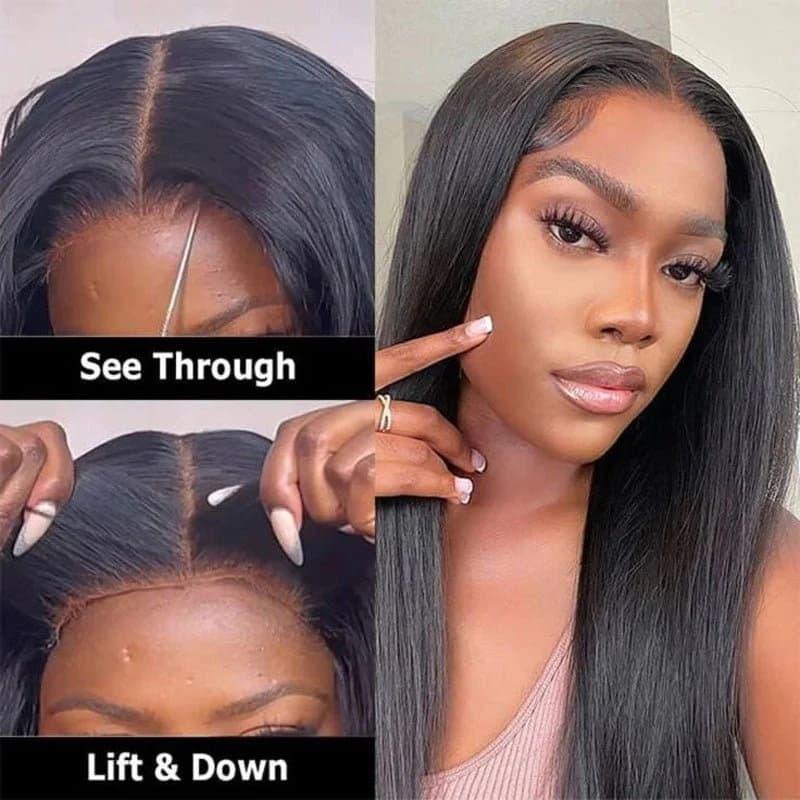
- Request cap construction details: lace front, monofilament, or full cap.
- Inspect workmanship: even distribution, secure knots, and clean finishing.
- Seek suppliers with transparent sourcing and clear return/support policies.
Conclusion: multiple answers to "who made the first wig"
To restate the central idea without repeating the original heading in full: the identity of the earliest wig maker cannot be pinned to one person. The craft grew out of multiple civilizations solving similar practical problems. Ancient Egyptian and Mesopotamian artisans created early hairpieces; classical and medieval attendants and barbers refined techniques; early modern perruquiers institutionalized the trade; and industrial and scientific development transformed wig-making into a global industry. The answer to "who made the first wig" is therefore collective and layered, reflecting cultural exchange, technological progress, and the evolving needs of wearers across time.
Further reading and resources
For readers who want to delve deeper, look for works on materials conservation of wigs, histories of European fashion in the 17th–18th centuries, and studies of theatrical costume. Museum catalogues and academic journals in costume studies or anthropology often contain detailed analyses of hairpieces that illuminate the anonymous hands that made them. Online archives of guild records can also provide fascinating primary documents about early wigmakers, demonstrating how they organized, apprenticed, and supplied clients.
Acknowledgement of uncertainty
Good historical practice accepts uncertainty. The craftsmanship behind wigs is a tapestry woven from many cultures and eras; acknowledging this complexity gives a more honest and richer answer to "who made the first wig" than any single, definitive attribution could.
FAQ
Q: Can we name a single person who invented the wig?
A: No definitive single inventor exists in the historical record; wig-making emerged independently in multiple cultures and became a named profession (perruquier) in early modern Europe.
Q: Which culture first used wigs in daily life?
A: Archaeological and pictorial evidence suggests ancient Egypt is among the earliest cultures to use wigs widely, for hygiene and status, though parallel practices existed elsewhere.
Q: What materials did early wig makers use?
A: Early materials ranged from human hair and wool to plant fibers and horsehair; techniques depended on local resources and intended uses.
Q: How did wig making become a trade?
A: Demand from courts, theaters, and legal institutions led to guilds and recognized professions; perruquiers and specialized workshop leaders formalized training and standards.
Related products
Blog
- does joe kernan wear a wig A closer look at photos interviews and expert analysis
- Do You Wear Wigs Meme Unpacked - Origins, Funny Variations and How It Spread Across Platforms
- How to Take Care of Synthetic Wigs - Essential Cleaning, Storage and Styling Tips for Longer Wear
- who wears wigs on the young and the restless today revealed 7 surprising cast members and behind the scenes facts 2025
- how do wigs work explained for beginners with cap construction fiber types and easy styling tips
- Answering when will you wear wigs with 12 occasions and practical styling tips
- do you have to take wig off at airport A Practical Guide to TSA Screening Tips and Travel Confidence
- how do i put on a lace front wig 7 easy steps for a natural seamless look and secure fit