
why does sia wear a wig and what it reveals about her artistry and privacy

Understanding the phenomenon: why does sia wear a wig?
The recurring visual of a singer who purposely hides her face has generated curiosity and critical conversation for years. At the center of that conversation is the question why does sia wear a wig, a concise search query that leads to deeper inquiries about image, artistry, privacy, and the relationship between celebrity and selfhood. This article unpacks the reasons behind Sia's choice to use a wig and explores what that decision reveals about her creative practice, her strategic approach to fame, and the cultural meanings an iconic hairstyle can carry. It also situates the practice within broader conversations about performance, identity, and mental health.
Quick context: who is Sia and what is the wig?
Sia Kate Isobelle Furler is an Australian singer-songwriter and producer whose writing credits and vocal performances span chart-topping pop hits and critically acclaimed solo work. Over the last decade she has become visually associated with a distinctive, oversized, face-covering wig often styled as a two-tone bob. When people ask why does sia wear a wig, they are asking about more than a fashion choice; they are tracing the intersection of identity and spectacle.
Primary reasons behind the choice
- Privacy and personal boundaries: One of the clearest and most consistent explanations given by the artist is the desire to maintain privacy. A wig that obscures the face enables a degree of anonymity that protects everyday life from the invasive effects of celebrity.
- Artistic persona and focus: The wig helps create and maintain a specific stage persona separate from the artist’s private self. The separation redirects attention from the individual to the art, performance, and narrative crafted for the audience.
- Visual branding: In a media environment saturated with images, a highly recognizable silhouette or prop is an effective branding tool. The wig transforms the performer into an iconic emblem that is repeatable, marketable, and memorable.
- Emotional and mental health considerations: For many performers, public exposure can exacerbate anxiety, depression, or other mental-health struggles. The wig functions as a buffer, an armor of sorts, helping the artist to manage public life with some psychological distance.
- Collaboration and choreography: Sometimes the wig becomes a part of a larger creative strategy—integrated into choreography, costume design, and narrative staging so that it is not just fashion but an active component of performance storytelling.
How a single prop changes public perception
The simple answer to why does sia wear a wig rarely satisfies because the decision resonates on multiple cultural frequencies at once. A wig that hides the face encourages speculation, but it also invites viewers to interpret the music and performance without the usual facial cues. That change can be disruptive: it forces audiences to rely on movement, voice, and context rather than facial expression. In doing so, it alters how empathy, connection, and interpretation operate in live music and video.
Concealment becomes a frame: what is hidden becomes an invitation to imagine.
Case studies: memorable uses of the wig in Sia’s work
To understand the wig’s role, look at specific projects. Music videos and stage shows often pair the wig with dancers (notably Maddie Ziegler in many signature videos), elaborate choreography, and cinematic storytelling. The visual triad—wig, dancer, song—creates an abstracted narrative where the performer’s face is intentionally absent and the choreography carries the emotional weight.
Wigs, masks, and the history of hidden performers
Artists have a long history of adopting masks, makeup, and costuming to manipulate identity. From classical theatre masks to modern performance aliases, hiding the face serves functions that range from ritual to rebellion. The question why does sia wear a wig fits into this lineage: it’s both a personal strategy and a historically resonant artistic device.
Comparative examples
- Masked musicians in experimental music and electronic genres use obscured identities to shift focus onto the sound or concept.
- Pop acts occasionally adopt uniform or character-driven costuming to build a mythology; Sia’s wig accomplishes similar ends while maintaining a link to classical pop stardom.
What the choice reveals about artistic priorities
When an artist adopts a persistent visual device, it signals certain priorities. In this case the wig reveals a commitment to:
- Conceptual integrity—a willingness to let form and visual strategy support thematic content.
- Control over narrative—using image to control what the audience sees and, equally importantly, what it does not see.
- Collaborative storytelling—inviting dancers, directors, and choreographers into the storytelling role that might otherwise be filled by facial expression.
Privacy as performance strategy
One of the most interesting elements of why does sia wear a wig is how it reframes privacy. Privacy is typically a defensive posture, but in this creative context it functions proactively as an artistic choice. The wig is not only a shield; it is also a tool for directing attention and sculpting expectation.
Marketing, mythmaking, and modern celebrity
Modern celebrity thrives on recognizable motifs. The repeated question why does sia wear a wig becomes, paradoxically, a marketing asset: curiosity drives clicks, interviews, and social conversation. But while some celebrity tactics are cynical, Sia’s approach can be read as a genuine attempt to balance commercial visibility with personal boundaries.
Ethics and reception
There are ethical considerations in evaluating such a strategy. Critics question whether anonymity is performative or substantive, and whether it can be co-opted as a gimmick. Supporters argue that the approach is an authentic, sustainable way for vulnerable artists to sustain a public life without surrendering private space.
Intersection with gender, fashion, and identity politics
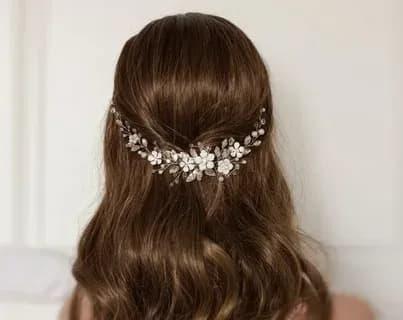
Wigs and hairstyles are deeply gendered cultural signifiers. Sia’s choice interacts with fashion studies, queer aesthetics, and notions of performativity. The wig can be read as a commentary on the pressures placed on female performers regarding appearance, age, and marketability: where many artists feel obligated to reveal more, Sia chose to reveal less, thereby questioning the norms themselves.
Performativity and the female pop star archetype
When analyzing why does sia wear a wig, consider how the wig interrupts conventional pop-star narratives, which often emphasize glamour and facial recognition. This interruption can be liberating: it allows a female artist to locate her value in composition, songwriting, and collaboration rather than in exposure or conformity to beauty standards.
Collaborators and the expanding narrative
Sia’s artistic choices invite collaboration—dancers, directors, costume designers, and cinematographers become co-authors of the public persona. The wig facilitates collaborative storytelling by shifting the visual focal point from individual identity to staged performance. The famous collaborations with dancers demonstrate how a single visual device can expand into a whole theatrical language.
How choreography replaces facial expression
Body language becomes the primary vehicle of emotional communication when faces are obscured. This is not only a practical solution; it is a creative opportunity. Choreography and movement vocabulary must carry nuance that the face would normally provide, and that often results in inventive staging and compelling visual metaphors.
Psychology and safety
Many performers experience performance anxiety and the intrusive effects of fame. The physical barrier created by a wig can reduce sensory overload and create a psychological boundary between artist and crowd. For those wondering why does sia wear a wig, this protective function is a central and humane explanation.
Boundaries that enable longevity
Art careers are marathons, not sprints; strategic boundary-setting can protect creative longevity. The wig acts as a durable boundary that helps an artist continue to create without constant erosion of personal space.
Critiques and controversies
No public choice is free from critique. Some detractors call the wig a publicity stunt or criticize the use of younger performers as stand-ins in visuals. Any artist who adopts a boundary-based approach will face questions about authenticity, agency, and the potential for exploitation. These critiques warrant serious attention because they highlight important ethical considerations in performance and representation.
Addressing exploitation concerns
Where questions arise about collaborators—especially young dancers—transparent discussion of consent, compensation, and creative agency is crucial. Evaluating why does sia wear a wig responsibly includes asking how the creative ecosystem surrounding the artist treats contributors.
How fans and critics interpret the wig
Audiences project many meanings onto the wig: mystery, bravery, protection, or defiance. Critics and scholars see it as a case study in contemporary performance practice. Its ambiguity—part branding, part sanctuary—keeps dialogues about authenticity, commodification, and theatricality alive.
Memes, parodies, and cultural diffusion
The wig’s distinct look makes it memetic. Memes and parodies amplify visibility but also loosen control over interpretation. That diffusion is part of modern fame; once an image enters public circulation, its meanings multiply in ways the originator cannot fully predict.
Beyond Sia: what this pattern suggests for future performers
Sia’s approach models one of many viable strategies for the modern artist. As public attention intensifies, more performers may adopt visual devices that protect privacy, foster collaboration, and encourage alternative modes of storytelling. The question why does sia wear a wig thus functions as a broader prompt about how artists might navigate fame differently.
Design principles for artists seeking similar paths
- Prioritize clear boundaries between public persona and private life.
- Develop a consistent visual language that supports the thematic aims of your work.
- Center collaboration so that visual decisions become integrated into the creative process.
- Attend to the well-being of all participants, especially if the performance involves younger or vulnerable collaborators.
Practical considerations: maintenance, logistics, and cost
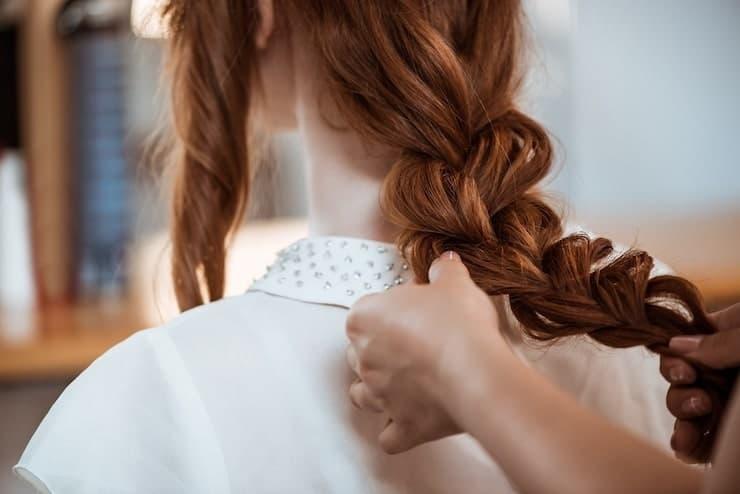
Aesthetic choices have practical ramifications. Wigs require design, fit, and maintenance; they shape choreography and staging; they affect how lighting and camera framing operate. Understanding why does sia wear a wig also means recognizing the labor and craft that go into making that image function day after day.
Technical notes
Costumers and stylists must consider airflow, heat management, and secure attachment so performers can move freely. Directors and choreographers must account for sightlines and audience perspective since obscured faces change how meaning is conveyed on stage and screen.
Conclusion: the wig as philosophy and practice
Asking why does sia wear a wig opens a window into how modern performers negotiate visibility and agency. The wig is at once a protective device, a branding tool, a theatrical instrument, and a statement about the possibilities of anonymity in an image-driven culture. It suggests that concealment can be a form of expression and that protecting the private self can coexist with powerful public art.
Final reflection
The question that begins with simple curiosity ends with a nuanced idea: visual choices are rarely surface-level; they encode values, constraints, and intentions. Sia’s wig reveals that some artists will choose strategies that prioritize artistic control, mental health, and collaborative storytelling over the relentless exposure that mainstream fame often demands.
Frequently asked questions
- Q: Is the wig purely for privacy?
- A: Privacy is a primary reason, but it’s also an artistic and branding choice. The wig serves multiple functions in performance, narrative, and marketing.
- Q: Does the wig prevent recognition?
- A: It reduces easy facial recognition in many contexts, but it does not make the artist invisible. It creates a buffer that makes everyday interactions more manageable.
- Q: Are there ethical issues around using dancers or stand-ins?
- A: Ethical issues can arise, and responsible practice requires clear consent, fair compensation, and respect for the agency of collaborators.
- Q: Could other artists adopt similar strategies?
- A: Yes. Many artists already use masks or costuming to control visibility; Sia’s approach is one influential model among many.
In short, the recurring search for why does sia wear a wig is an entry point into conversations about performance strategy, the ethics of fame, and the ways visual choices structure meaning; it is an enduring example of how a single, deliberate aesthetic decision can reshape public perception and protect creative life. Learn more about performance strategies and visual identity
Related products
Blog
- what is a hd lace wig explained — an ultimate guide to benefits, types and styling for invisible natural hairlines
- Are you allowed to wear wig for state id Learn DMV photo rules benefits and preparation tips
- Ultimate Guide to Choosing Styling and Caring for a powdered wig for Reenactments Theatre and Film
- how do i measure my head for a wig Step by Step Guide with Tape Tips and Size Chart
- why did they wear white wigs in the 1800s Discover 7 Surprising Social Fashion and Hygiene Reasons Behind Powdered Hair
- How Long Does a Wig Last on Your Head - Realistic Lifespan, Maintenance Tips and When to Replace
- will washing a synthetic wig ruin the style — 8 expert tips to preserve shape texture and shine
- how to brush a wig with curls safely and easily pro tips for detangling and maintaining bounce