
why do black people wear wigs uncovering 7 cultural protective and styling reasons
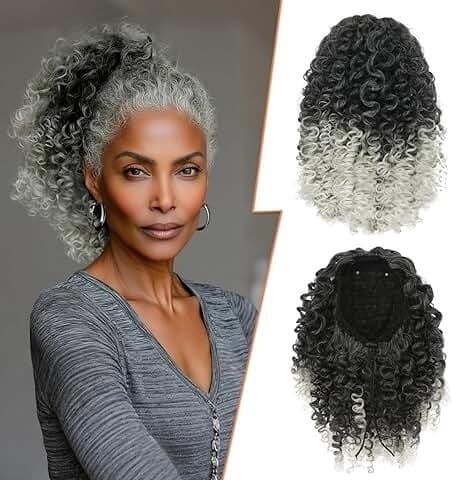
Understanding why many Black people choose wigs
The question why do black people wear wigs shows up often in searches, social conversations, and cultural discussions, and it's worth unpacking with nuance. This article explores multiple layers — historical, cultural, practical, protective, and stylistic — to explain why wigs are a prominent and meaningful option for so many people of African descent. We'll look at seven core reasons, practical tips, and respectful perspectives to help anyone seeking a well-rounded answer.
Quick summary
At a glance, the main reasons people seek wigs include: hair protection, styling versatility, time efficiency, coping with hair loss, economic considerations, cultural expression, and historical influences. Each reason can interact with the others, creating a complex but coherent picture of why wigs are common in Black communities.
1. Protective styling and hair health
One of the most cited reasons for wearing wigs is protection. Protective styles are methods designed to shield natural hair from daily manipulation, environmental stressors, and heat or chemical damage. Wearing a wig can allow someone to keep their natural hair braided, twisted, or tucked away underneath a wig cap, promoting length retention and reducing breakage. This protective function is especially relevant for textured hair, which may be more prone to dryness and breakage when exposed to frequent styling or harsh treatments.
2. Styling versatility and creativity
Wigs allow for near-instantaneous changes: length, color, curl pattern, and density can all shift without a long-term commitment. For many people, wigs are a creative outlet — an opportunity to experiment with looks that would otherwise require months of growth or damaging chemical/color treatments. The ability to test an edgy color or try a different texture for a season and then switch back is a major stylistic advantage.
3. Time-saving and convenience
Busy lifestyles make time-saving styles appealing. Installing some wigs can be faster than spending hours daily on intricate styling routines. For working professionals, students, and parents, the convenience of a ready-to-wear style that still looks polished is a powerful motivator.
4. Management of medical hair loss and thinning
Hair loss can result from chemotherapy, alopecia, hormonal changes, traction alopecia from tight styles, or other medical conditions. Wigs provide a dignified, practical solution for those coping with temporary or permanent hair loss. In these situations, wigs are not a fashion accessory only — they are a tool for emotional comfort and a way to maintain confidence while addressing medical realities.
5. Cultural traditions, identity and expression
Wigs intersect with culture in layered ways. In many Black communities, hair has long served as identity, politics, and personal expression. The reasons people wear wigs can include homage to cultural aesthetics, participation in beauty traditions, or reclaiming control over how hair is presented in public and professional spaces. Wigs can be a way to align with certain styles while preserving or protecting natural hair underneath.
6. Economic and practical considerations
High-quality wigs, extensions, and protective styles are an investment. Some people view wigs as cost-effective over time: a well-maintained wig can be reused for months or years, reducing recurring costs of frequent salon maintenance or chemical services. Additionally, wigs allow people to avoid regular coloring or heat styling that may require frequent salon visits, thereby saving time and money in the long term.
7. Historical context and beauty norms

To fully answer why do black people wear wigs, history must be acknowledged. Hair politics in the African diaspora have roots in colonialism, slavery, and immigration, shaping beauty norms and access to certain hairstyles. Historically, wigs and hairpieces have been used across cultures for concealment, status, and beauty. In Black communities, shifting norms — from straightening with hot combs to embracing natural textures — have coexisted with practical uses of wigs and sewn-in hair to navigate social expectations. Wigs are part of a broader historical narrative about appearance, identity, and autonomy.
Additional cultural and social considerations
The use of wigs is sometimes misunderstood or subjected to stereotypes. It's important to recognize that wearing a wig can be both a deeply personal choice and a cultural practice. People may wear wigs for rituals, performance, or professional appearances, and assuming that wig use is deceptive misses the fuller context. In many spaces, wigs are a form of self-care and empowerment.
Technical differences: wigs, weaves, and extensions
Clarifying terminology helps when discussing hair options. A wig typically covers the entire head and can be lace-front, full-lace, or sewn with combs and adhesives. Weaves (sewn-in extensions) are attached to braided natural hair, and clip-ins are temporary additions. Each option has pros and cons in terms of scalp access, longevity, and protection. Those seeking protective benefits often choose wig styles that allow natural hair to remain undisturbed beneath a cap or braided base.
How to choose a wig: practical tips
- Consider your goals — Are you seeking protection, convenience, or a new look? Your goal guides the type of wig and installation method.
- Quality matters — Human hair wigs offer styling versatility and longevity; synthetic wigs can be budget-friendly and low-maintenance.
- Cap construction — Lace-fronts offer a natural hairline; full-lace wigs allow more styling options such as high ponytails; machine-made caps can be more affordable but less flexible.
- Attachment method — Glued lace can provide a seamless appearance but requires careful removal; adjustable straps and combs can be gentler on the scalp.
- Maintenance — Proper washing, conditioning, and storage prolong lifespan; heat styling on human hair wigs should be done with care.
Protective practices when wearing wigs
To maximize protective benefits, follow best practices: keep the scalp clean, moisturize natural hair underneath, avoid excessively tight glue or straps, and rotate between wig use and restorative routines that focus on scalp health. Regular breaks help prevent traction alopecia from adhesives or tight fittings.
Fashion, performance and the arts
In creative industries, wigs are tools of transformation. Performers, models, and artists often use wigs to inhabit different characters or aesthetics. In Black performance traditions — from theater to music — wigs have a practical role in storytelling and visual impact, beyond everyday wear.
Workplace considerations and perceived professionalism
In some environments, appearance standards pressure individuals to present a certain hairstyle. Wigs can be a way for people to meet workplace norms while safeguarding their natural hair. Awareness and policy shifts about natural hair have improved acceptance in many places, yet wigs remain an accessible strategy for those navigating uncertain or conservative spaces.
Common misconceptions

- Wigs are only worn to hide natural hair — False. Many wear wigs to protect, experiment, or for medical reasons.
- Wigs are always obvious — False. Advances in lace and cap technology make many wigs look very natural.
- Only women wear wigs — False. People of all genders use wigs for various reasons, including men experiencing hair loss or seeking style changes.
How to talk respectfully about wigs and hair choices
When discussing why people wear wigs, use curiosity rather than judgment. Avoid assuming motives, and respect personal boundaries. If someone chooses to disclose their reasons, listen to their individual story. Language matters: focus on choices and contexts rather than implying deception or inauthenticity.
SEO-friendly insights for content creators
For writers and site owners optimizing content around the phrase why do black people wear wigs, combine keyword placement with user intent. Provide educational context, clear headings (
, , ), bullet lists, and practical tips. Use semantic HTML to highlight key phrases, include alt text for images showing wig styles, and create comprehensive sections that answer related queries like “protective hairstyles for textured hair,” “how to care for wigs,” and “medical wig resources.” Prioritize quality, originality, and respectful framing to avoid content that search engines may flag as low-value.Where to find help and resources
), bullet lists, and practical tips. Use semantic HTML to highlight key phrases, include alt text for images showing wig styles, and create comprehensive sections that answer related queries like “protective hairstyles for textured hair,” “how to care for wigs,” and “medical wig resources.” Prioritize quality, originality, and respectful framing to avoid content that search engines may flag as low-value.Where to find help and resources
Look to licensed salons experienced with textured hair, wig specialists, community forums, and medical resources for support. Many organizations and stylists specialize in working with wigs for medical hair loss and can guide sizing, cap construction, and insurance options where applicable.
Final thoughts
Answering why do black people wear wigs requires acknowledging both the everyday utility and the deeper cultural meanings of wigs. They can be protective, creative, time-saving, and essential for those dealing with hair loss. Wigs also exist within a broader historical and social framework that shapes how hair is perceived and managed. Recognizing this complexity leads to more empathetic and informative conversations.
Practical checklist before buying a wig
- Define purpose: protection, transformation, medical need, or performance.
- Choose cap type: lace-front, full-lace, or machine-made.
- Decide material: human hair for versatility or high-quality synthetic for affordability.
- Measure head size and consider professional fitting.
- Research reputable vendors and read user reviews from people with similar hair goals.
Examples of common wig-related searches people make
Queries often include: “best wigs for protective styling,” “how to care for lace-front wigs,” “wigs for chemo patients,” “difference between weave and wig,” and “how wigs affect natural hair growth.” Addressing these related questions in content helps meet user needs and boosts search relevance.
Conclusion: empathy and information together
Understanding the motivations behind wig use helps dismantle myths and supports inclusive conversations. Whether someone wears a wig for a brief stylistic change or as a long-term protective solution, the choices are valid and often multifaceted. Respect, accurate information, and accessible resources are key to supporting those who choose wigs as part of their hair care and identity strategies.
FAQ
Q: Are wigs harmful to natural hair?
A: Not inherently. Wigs can be protective when installed and maintained properly. Harm often comes from tight adhesives, lack of scalp care, or using the same tight style without breaks. Rotate styles and prioritize scalp health.
Q: Can wearing a wig help hair grow?
A: Wearing a wig can indirectly support growth by reducing daily manipulation and heat damage if the natural hair is properly cared for underneath the wig. Growth depends on overall health and consistent hair care practices.
Q: How do I make a wig look natural?
A: Choose a well-constructed cap, consider lace-front options, match your hairline and parting, and blend edges with subtle baby hairs or lace tinting if needed. Professional installation can make a significant difference.
Related products
Blog
- Does Trump Wear a Wig? Stylist Experts, Photo Analysis, and the Viral Rumors Explained
- what is a hd lace wig explained — an ultimate guide to benefits, types and styling for invisible natural hairlines
- Nels Wigs Guide 2025 - Top Styles, Care Tips and Where to Buy Nels Wigs
- did burt reynolds wear a wig - Separating Fact from Hollywood Myth with Photos and Expert Insight
- 2025 insider report does sandra ali wear a wig and what her stylists and fans say
- Does Sally Beauty Sell Wigs Discover Which Brands Styles and Prices Are Available Today
- Why peter orszag wig Is Trending Online and What the Hidden Story Reveals
- Updated 2025 guide does locks of love charge for wigs and how to apply for a free wig