
How to Comb a Synthetic Wig Gently with 7 Pro Techniques for Tangle-Free Results
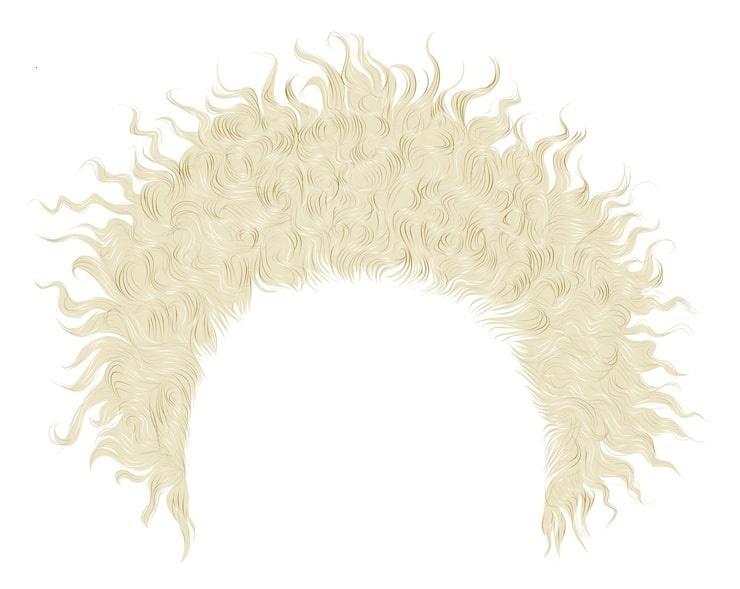
Gentle Detangling and Styling: A Practical Guide
If you've ever wondered how to comb a synthetic wig without causing frizz, shedding, or damage, this comprehensive guide breaks down the process into approachable, professional steps. Synthetic fibers behave differently from human hair, so the methods used to detangle, maintain shape, and keep a manufactured wig looking fresh require special attention. Below you will find an SEO-friendly, actionable walkthrough explaining not only the basic "how to comb a synthetic wig" question but also seven pro techniques, common mistakes to avoid, maintenance routines, and product suggestions that fit different budgets and wig types.
Why technique matters for synthetic fibers
Understanding fiber behavior is the first step in learning how to comb a synthetic wig. Most synthetic wigs are made of heat-sensitive plastics or fibers designed to hold a style. They are more prone to tangling at friction points (nape, part lines, hairline) and can lose their style if combed roughly or with the wrong tool. Using an aggressive brush or incorrect method will cause the fibers to fuzz, break, or permanently mat. Gentle, methodical detangling preserves curl patterns, body, and the life of the wig.
Key principles to keep in mind
- Start at the ends: Always begin detangling from the tips, moving slowly upward. This minimizes pulling and stress on the fiber attachment points.
- Use the right tools: Choose tools designed for synthetics—wide-tooth combs, looped bristle brushes, or silicone-bristled detanglers are preferred.
- Work in sections: Small sections let you focus on knots and prevent repeated combing over the same area.
- Keep it dry or light-mist damp: Many synthetic wigs are best detangled dry or with a light spritz of conditioning detangler. Avoid soaking unless specified by the manufacturer.
Seven professional techniques to detangle and style with care
- Preparation and inspection: Before any combing, place the wig on a stable stand or mannequin head. Inspect wefts, lace, and the cap construction for loose threads or fragile areas. This initial check helps you plan the detangling flow and prevent accidental tugging near delicate seams.
- Finger detangling first: Use your fingertips to locate the major tangles and gently separate them. Finger work reduces stress on fiber bundles and often solves shallow mats without any tools. This approach forms the foundation of how to comb a synthetic wig gently and effectively.
- Choose a sectional approach: Divide the wig into four to eight sections depending on thickness and length. Clip each section away with non-slip clips that won't crease fibers. Addressing small zones reduces frustration and ensures an even result.
- Low-resistance tools: Start with a wide-tooth plastic comb or a looped detangling brush and progress only if necessary. For curly synthetic textures, a loop brush or a rake-style detangler designed for wigs works best. Keep strokes short and patient — rapid back-and-forth motions create static and fuzz.
- Apply a synthetic-safe detangler: Spray a silicone-free, wig-approved detangler or a light fabric softener-water mix (manufacturer-permitted) on problem areas. Apply sparingly; over-saturation can loosen molded styles and make fibers slippery and harder to handle. Let the conditioning mist sit for a minute before working through the tangles.
- Heat-safe shaping (if applicable): If your synthetic wig is heat-friendly, use low heat tools (check temperature specs) and a heat protectant to reshape stubborn waves or curls after detangling. For non-heat fibers, use cold-steam shaping or rollers to refresh the style without risking damage.
- Finish with structural styling: Once detangled, gently smooth the wig with a soft brush or paddle to distribute body and seal the look with a light-hold wig spray. Avoid heavy hairsprays or oil-based products that attract dust or weigh synthetic fibers down.
Detailed step-by-step routine
Follow this routine when learning how to comb a synthetic wig, from start to finish: put the wig on a stand, finger-detangle sections, mist synthetic-safe detangler, comb from ends to roots, and reshape with low heat or rollers if allowed. Each step is deliberately slow to prevent unnecessary stress on the cap and fibers. For long wigs or elaborate curls, double the time and focus on small subsections to guarantee even detangling.
Tools and products that work best
- Wide-tooth resin combs: inexpensive and safe for most synthetics.
- Looped bristle detangling brush: prevents excessive pulling on delicate weft attachments.
- Synthetic wig detangler spray: look for alcohol-free formulas.
- Heat-defend sprays for heat-friendly synthetics only.
- Non-slip wig clips and a sturdy mannequin head or wig stand.
Always test any product on a hidden weft before full application to confirm it won’t alter texture or color.
Common mistakes that accelerate wear
- Brushing wet non-heat fibers: Many synthetic wigs stiffen or lose their style when wet and should not be combed aggressively until fully dry or as directed by the manufacturer.
- Using boar bristles or metal combs: These tools are designed for human hair and can be too harsh, creating static and fiber damage on synthetic pieces.
- Over-applying product: Heavy oils or conditioning treatments build residue that attracts dirt and flattens synthetic shapes.
- Rough towel rubbing: Never rub a synthetic wig with a towel. Pat if necessary and allow gentle air-dry on a stand.
How to comb a synthetic wig for specific textures
Short straight styles
Shorter wigs are often easiest. Finger-comb roots, then use a flat, wide-tooth comb to define the shape. Keep motions minimal to avoid lifting fibers that create unnatural shine.
Long straight wigs
Work in many small sections, supporting the hair near the base with your free hand to avoid pulling at the cap. Use downward sweeping strokes and finish with a light mist of anti-static spray.
Wavy or curly synthetics
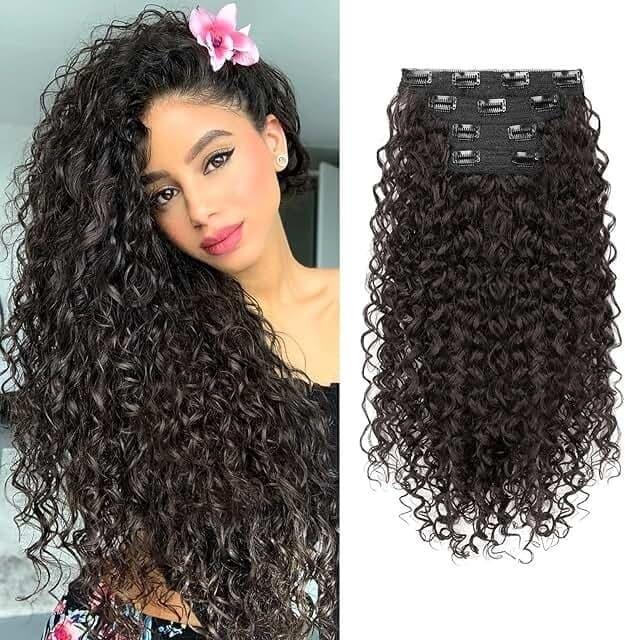
Curly textures require the gentlest approach. Use finger detangling, a wide-tooth comb or a loop brush, and always detangle from the ends inward. Consider reviving curls with cold rollers or a cold-steam setting if the fibers are heat-sensitive.
Layered or cut styles
Layered cuts can tangle at transition points. Pay attention to crown sections and nape areas where friction is greatest. Use sectioning clips to isolate layers and treat each separately.
Maintenance habits to extend life
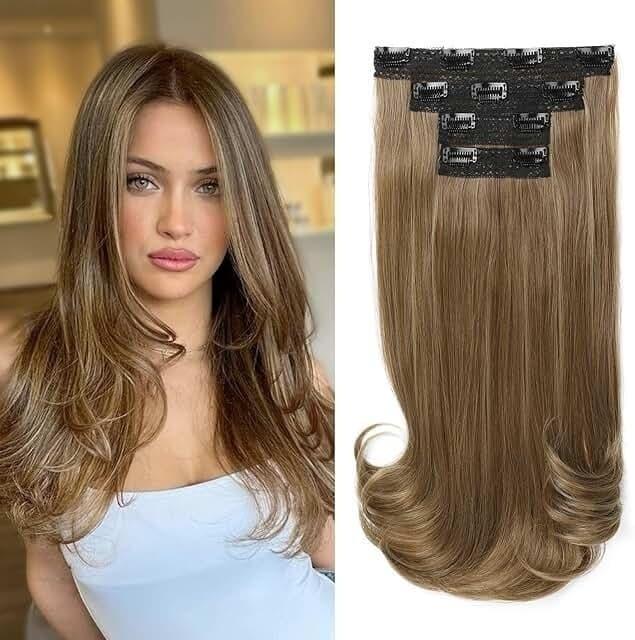
Regular, gentle maintenance helps you get the most from synthetic wigs. Store wigs on stands to retain shape, wash only when necessary (typically every 6–12 wears), and use products labeled for synthetic fibers. When traveling, place the wig in a satin bag or travel case and avoid compressing the fibers. Minor daily grooming—light finger styling and smoothing with a soft brush—keeps the wig neat with minimal intervention.
Weekly and monthly care checklist
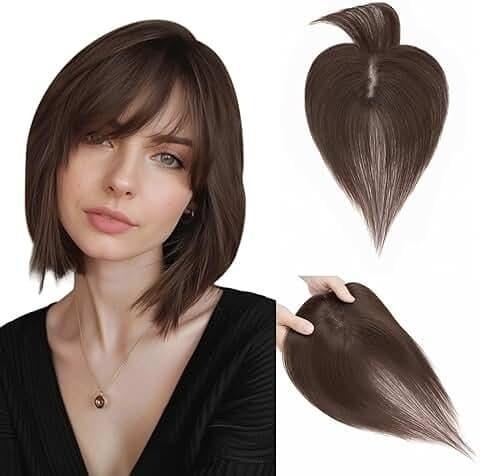
- Weekly: Light de-tangling, spot cleaning, and reshaping as needed after wear.
- Monthly: Full cleansing with a gentle synthetic wig shampoo and conditioner, deep detangling, and air-dry on a stand.
- Seasonal: Inspect the cap and wefts for loose stitching and refresh the hairline lace with gentle adhesive care if applicable.
Quick solutions for emergency tangles
If you encounter a severe mat or tangle near the nape or undercap, resist the urge to cut. Use a pinpoint approach: clip away surrounding hair, apply a concentrated detangler to the mat, hold the base of the hair to relieve tension, and tease apart the knot with a wide-tooth comb or your fingertips. For lace front wigs, be especially careful to protect the lace and avoid pulling near the adhesive edge.
Stubborn mattes and repair tips
For permanently fused matted areas that won't release, consult a professional wig technician who can either restyle the section, replace a small patch, or reweft parts without replacing the whole unit. Attempting to force removal at home can cause irreversible fiber damage.
Styling after detangling
Once you master how to comb a synthetic wig, keep the style with gentle shaping. Use foam rollers, wig-safe clips, or low-heat tools (only for heat-friendly fibers) to restore volume and definition. A few light spritzes of wig-specific styling spray seals the look and reduces flyaways. Remember: less product equals longer life for synthetic fibers.
Storage and transport
Store wigs on breathable stands away from direct sunlight and heat. When transporting, fold minimally and use a padded case or satin bag to reduce friction. Avoid storing heavy items on top of wigs or in plastic bags where condensation can accumulate.
Checklist: 10 dos and don'ts
- Do detangle from the ends up.
- Do use wig-safe detanglers.
- Don't use human-hair boar-bristle brushes on synthetics.
- Don't brush vigorously when wet unless specified.
- Do section hair and work methodically.
- Do test products on a hidden area first.
- Don't overuse oils or heavy conditioners.
- Do store on a stand when not wearing.
- Do seek professional repair for severe mattes.
- Do respect manufacturer care instructions.
Throughout this guide we emphasized the central query: how to comb a synthetic wig. Repeating and applying this core concept in multiple contexts increases familiarity and skill: from quick daily touchups to deep maintenance sessions, the same gentle principles apply. With practice, you'll be able to detangle faster while preserving style, texture, and longevity.
When to ask a professional for help
If a wig shows extensive fiber frizzing, thin patches where fibers have snapped, or compromised cap integrity, a trained wig technician can often restore the piece more cost-effectively than buying a new wig. Professional services include rewefting, partial replacement, restyling with heat-safe methods, and specialized cleaning that preserves synthetic finishes.
Summary and final advice
Mastering how to comb a synthetic wig is about patience, the right tools, and consistent care. Start slowly, treat fibers gently, and invest in a few high-quality wig care products designed for synthetic materials. Your wig will look better longer and maintain its intended style when handled with the techniques described above.
Frequently Asked Questions (FAQ)
Q: Can I use a regular hairbrush on a synthetic wig?
A: No. Regular brushes, especially boar-bristle or metal-bristle types, can cause friction, static, and fiber damage. Use a wide-tooth plastic comb or looped bristle detangler specifically designed for synthetic wigs to protect the fibers.
Q: Is it OK to comb a synthetic wig when wet?
A: That depends on the fiber type. Many synthetics should be detangled when dry or with only a light mist of detangler. Heat-friendly synthetic wigs may be more tolerant, but always consult the manufacturer's care instructions and avoid aggressive brushing when wet.
Q: How often should I wash and detangle my synthetic wig?
A: Wash a synthetic wig after roughly 6–12 wears, depending on product build-up, sweat, and environmental exposure. Light detangling can be done after each wear to prevent mats from forming.
Q: What's the best tool for curly synthetic styles?
A: For curls, finger detangling combined with a wide-tooth comb or a loop brush yields the safest results. Avoid brushing when curls are dry and tight; instead, refresh curls with steam or cold rollers if the fiber allows.
By following these steps and adopting the gentle, sectional approach outlined above, you will confidently know how to comb a synthetic wig while preserving its style, texture, and lifespan. Experiment carefully, stay patient, and your synthetic pieces will reward you with long-lasting wearability and polished looks.
Related products
Blog
- how to put on costume wig - pro tips and 7 simple steps for a secure natural look
- How to Cut Short Wig at Home Easily with Pro Tips for a Flawless Finish
- Beauty insiders answer does oprah winfrey wear wigs and reveal the truth behind her signature styles
- why do married orthodox jews wear wigs a clear guide to halachic reasons modesty customs and modern wig options
- how to keep wig in place - 12 pro tricks and everyday fixes for secure all day wear
- how to remove wig glue from your skin safely with oil based cleaners and gentle techniques
- Ultimate 2025 Guide to Choosing and Styling a Wig with Bangs for a Flawless Natural Look
- How to Spot a Bad Wig Before You Buy and Simple Fixes to Save It