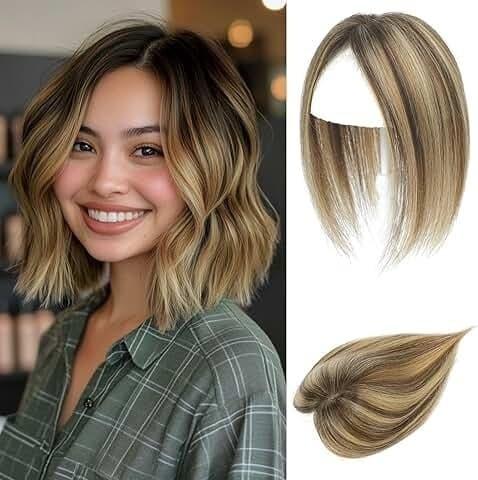
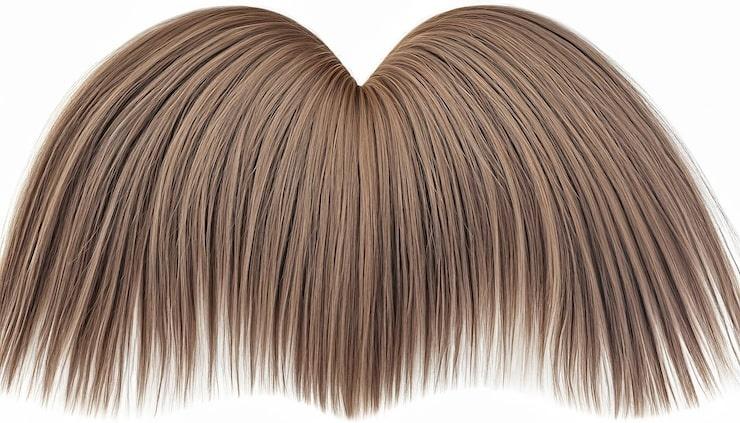
what is a wig made out of Guide to Materials from Human Hair and Synthetic Fibers to Lace Front Caps
:Time:2025-11-26T09:27:24+00:00Click:Person
Understanding Wig Materials: a Practical Guide to What Wigs Are Composed Of
When people ask what is a wig made out of, they are often expecting a short answer like "human hair or synthetic fiber." The reality is richer and more nuanced: a wig is a combination of raw fibers, manufacturing techniques, cap constructions and finishing treatments that together determine appearance, feel, durability and cost. This comprehensive guide explains the common materials used in modern wigs, contrasts their properties, and offers practical advice for selection, styling and care.
Core Fibre Categories: Human Hair vs Synthetic Fibers
At the highest level, wig fibers fall into two main categories: human hair and synthetic. Each category contains several subtypes and processing methods that affect texture, longevity and styling options.
Human Hair: Types and Treatments
Human hair wigs are prized for realistic movement and styling versatility. Within this family you'll see terms like virgin hair, remy, non-remy, processed and bleached. Virgin hair refers to hair that has not been chemically treated; it retains cuticle alignment and can be more expensive. Remy indicates the cuticles are aligned in the same direction during collection, reducing tangling. Non-remy hair may have cuticles misaligned and is often processed to remove cuticles, making it cheaper but potentially shorter-lived.
Human hair types also vary by origin—Asian, European, Indian and Brazilian hair differ in texture, thickness and wave patterns. Manufacturers and wigmakers may further process human hair with color treatments, perming, or heat texturizing to achieve consistent batches for wig production.
Synthetic Fibers: Varieties and Characteristics
Synthetic wigs are made from manufactured polymers designed to mimic the look and feel of real hair. Popular synthetic fibers include kanekalon, toyokalon, modacrylic, and newer heat-friendly fibers. Kanekalon and toyokalon are soft and natural-looking and are commonly used for braided wigs and cosplay pieces. Modacrylic is flame-resistant and durable, often used in commercial and costume wigs.
Modern heat-resistant synthetics allow for low- to medium-heat styling, expanding their versatility. However, synthetic fibers typically cannot match human hair's full range of heat styling, color processing and long-term restyling.
Cap Constructions: Where Materials Meet Design
A wig is more than the hair; the cap—the base that holds fibers and fits the head—greatly influences comfort, ventilation and realism. Cap constructions include lace front, full lace, monofilament, hand-tied, wefted and stretch caps.
Lace front: Lace along the hairline creates a natural-looking edge and allows for styling away from the face. Lace may be Swiss lace or French lace and comes undyed or pre-tinted.
Full lace: A full lace cap allows parting and styling across the entire scalp area and is typically used in high-end wigs made from human hair.
Monofilament: A fine, sheer material where each hair is hand-knotted to simulate natural growth from the scalp; excellent for realistic parting.
Hand-tied caps: Every hair is tied by hand to breathable material, producing lightweight, natural movement but at higher cost.
Wefted caps: Machine-sewn rows of hair (wefts) attached to a cap; cost-effective and durable but may be less realistic at the hairline.
Attachment Details: How Hair Is Secured to a Cap
The method of attaching hair to the cap affects durability and movement. Common techniques include machine wefting, hand-knotting, ventilating (single knot) and double-knot methods used for different price points and lifespans. Remy human hair wigs often use hand-tied knots for realism, while synthetic wigs frequently rely on machine sewing for cost efficiency.
Tip: Knot Types and Visibility
Small knots can be bleached or tightened to reduce visibility against the scalp. Lace colors and bleaching techniques are used to match the client's skin tone and create an undetectable hairline.
Specialized Materials and Treatments
Beyond basic fiber types, wig construction often uses specialized materials. Elastic bands, silicone grippers, adjustable straps and combs are used inside the cap for fit. Adhesives and tapes, such as medical-grade lace tape, secure lace fronts to the skin. Around the edges, a silicone or polyurethane strip may be added for adhesion and comfort, especially in 360 lace wigs designed for ponytail styles.
Fibers and caps may also receive finishing treatments: anti-frizz coatings, UV protectants, shine enhancers and anti-static agents. While these improve appearance and manageability, repeated chemical finishes can affect longevity, especially on human hair that has not been chemically stabilized.
Blended Wigs: Best of Both Worlds
Some wigs combine human and synthetic fibers to balance cost and performance—these are commonly called poly-blend or mixed-fiber wigs. A typical design uses human hair on the crown for realistic parting and synthetic fibers at the ends for body and shape retention. Blends are engineered to provide better styling hold than pure human hair while offering a more natural look than pure synthetic.
Specialty Fibers and Innovations
Advances in fiber science have produced premium synthetic fibers that closely imitate cuticle reflection and movement. New-generation heat-friendly fibers can endure styling at moderate temperatures, while micro-thin lace and silicone bases enhance comfort. Eco-friendly fibers and improved sourcing transparency are emerging trends in the wig industry, responding to consumer demand for sustainability and ethical practices.
Cost Drivers: Why Some Wigs Are Pricier
Price differences arise from raw material cost, manufacturing technique and labor intensity. High-end human hair wigs with hand-tied, monofilament caps and custom coloring require skilled labor and quality hair bundles—therefore they command higher prices. Machine-wefted synthetic wigs mass-produced with lower-cost fibers are comparatively inexpensive. Additional features like custom cap sizes, ventilation systems and permed color work also add to cost.
How Long Do Different Materials Last?
Lifespan depends on material and how the wig is used and cared for. A human hair wig worn daily and properly maintained can last a year or more; with rotation and careful care high-quality human hair wigs can last several years. Synthetic wigs typically last 4–6 months with daily wear but can last longer for costume or occasional use. Heat-friendly synthetics may have a shorter lifespan if frequently styled with hot tools.
Practical Care Advice by Material
Human hair care: Use sulfate-free shampoos, deep conditioner, minimal heat styling unless necessary, gentle detangling, and store on a mannequin head. Periodic professional reconditioning and trims keep the wig healthy.
Synthetic care: Wash less often, use products designed for synthetics, avoid high heat unless fiber is labeled heat-resistant, and detangle starting at the ends. Synthetic wigs benefit from cool air drying and are best stored on a stand.
Blends: Follow the more delicate of the two care requirements, typically treating it like human hair on the root area and synthetic on the ends.
Coloring, Chemical Processing and Heat Styling
Only human hair can safely undergo full-color services like balayage, bleaching and permanent waves. Even then, processing can damage the hair, so experienced colorists who work on wigs are essential. Synthetic fibers cannot be dyed using conventional salon dye; specialized dyes for synthetics are limited and often not colorfast. Heat-friendly synthetics allow low-temperature styling, but repeated high-heat applications will cause irreversible damage.
Ethical Sourcing and Quality Labels
Consumers increasingly ask where wig hair comes from. Ethical sourcing and transparent supply chains are growing concerns. Look for sellers who provide information on collection methods, whether donations were voluntary, and if hair is labeled as virgin or remy. Certifications and supplier disclosures are signs of reputable practices; high-quality manufacturers will often provide origin details and processing histories.
Choosing the Right Wig for Your Needs
When deciding "what is a wig made out of" for your personal purchase, consider lifestyle, budget and desired styling flexibility. Key questions include: Do you need daily wear or occasional use? Will you dye or heat-style the wig? Is scalp realism essential? Answering these helps determine whether human hair, synthetic, or a blend is best. For medical hair loss, look for caps designed for breathability and secure fit; for theatre or costume work, durability and flame resistance may be prioritized.
Checklist: Selecting a Wig Material
Realism needed? Human hair or premium synthetic.
Budget constraints? Synthetic or blended options.
Willingness to maintain? Human hair needs more care.
Coloring and heat styling planned? Choose human hair.
Sweat, climate and medical needs? Evaluate cap breathability and hypoallergenic adhesives.
Installation and Attachment Options
Wigs can be secured with clips, bands, adhesives, tapes, elastic straps or sewn-in methods. Lace fronts often use adhesive for undetectable hairlines; full lace pieces may be glued or clipped. For temporary wear, wig grips and headbands are non-adhesive solutions that increase comfort. For long-term use, consult a professional wig fitter for correct sizing and secure application.
Special Considerations: Allergies, Scalp Health, and Comfort
Some people have sensitivities to adhesives, lace dyes or fiber finishes; patch testing and using medical-grade materials can help. Breathable cap materials and appropriate liners protect sensitive scalps. When evaluating "what is a wig made out of," remember that cap materials (mesh, cotton, silicone) and seam placement influence daily comfort as much as the hair fiber itself.
Environmental and Sustainability Aspects
Synthetic fibers are petroleum-based and less biodegradable, while human hair is biodegradable but requires ethical sourcing. Recycled synthetic fibers and responsible hair sourcing initiatives are developing, and some makers offer repair, overhaul and recycling services to extend a wig's life and reduce waste.
Industry Trends and Future Materials
Technology advances are introducing fibers that mimic cuticle structure, smart textiles for temperature control, and improved eco-friendly synthetics. Lace and cap materials continue to refine hairline realism, and automated hand-ventilation techniques are reducing production time while preserving hand-tied quality.
Summary: Practical Takeaways
Answering the core question, what is a wig made out of, requires a layered response: a wig comprises the visible fibers (human hair, synthetic polymers or blends), the cap construction (lace, monofilament, hand-tied, wefted), and various attachments and finishing treatments that together determine function and value. Your choice should be driven by desired appearance, lifestyle, budget and care commitment.
Quick Comparison Table (Key Points)
Human hair: Most realistic, highest styling flexibility, higher cost, longer care requirements.
Synthetic: Affordable, low-maintenance, limited heat/color options, great for defined styles.
Blends: Balanced cost and realism; compromises in heat/coloring.
Cap types: Lace front/full lace for realism; wefted for economy; monofilament/hand-tied for scalp realism.
Maintenance Checklist
Maintain your wig by following these steps: gentle cleansing with products designed for the fiber type, conditioning human hair wigs regularly, avoiding high heat on non-heat-friendly synthetics, storing on a mannequin head or stand, and scheduling professional maintenance for high-end pieces. Small routine actions dramatically extend lifespan and keep the piece looking fresh.
Whether you're shopping for a first wig or upgrading to a bespoke piece, understanding the components — from raw fiber to cap and finishes — empowers better choices. Knowledge about construction and materials helps you match needs to product features and ensures satisfaction over the life of your wig.
Frequently Asked Questions
Q: Can synthetic wigs look as natural as human hair?
A: High-end synthetic fibers and modern cap constructions can appear very natural, especially for specific styles. However, human hair still offers superior versatility for heat styling and colorwork.
Q: How do I know if a wig contains real human hair?
A: Product listings, certification, and seller transparency are key. Human hair will generally be labeled as remy, virgin, or sourced by region. You can also assess feel, response to heat styling, and how it reacts to professional color treatments.
Q: Are wigs hypoallergenic?
A: Some wigs are made with hypoallergenic caps and medical-grade adhesives; however, base materials and finishes vary. If you have sensitive skin, look for label claims and consult the retailer about materials used in cap construction.
In short, the composition of a wig—what it is made of—combines fiber selection, cap engineering and finishing techniques; understanding these elements allows you to choose a wig that meets your aesthetic goals, budget and lifestyle needs. For personal recommendations, consult certified wig specialists who can align material choices with your expectations and intended use.