
How wig blonde hair Can Refresh Your Look with 10 Easy Styling and Care Tips
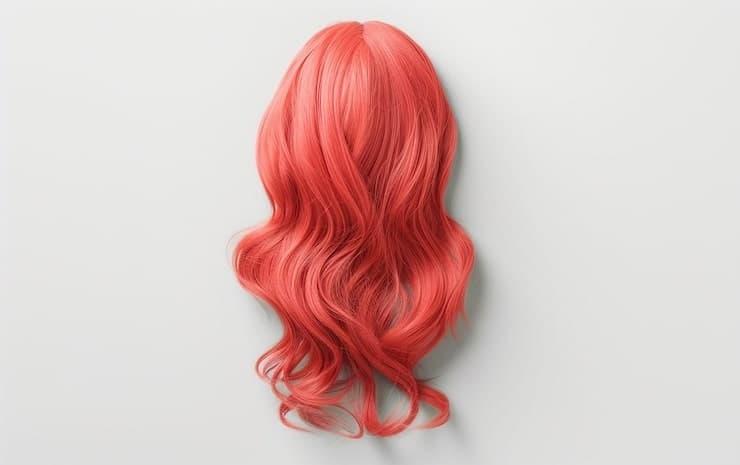
Refresh Your Image: A Practical Guide to Blonde Wig Styling and Care
Why Choose Blonde? The Appeal of Light-Toned Wigs
Blonde shades have a unique ability to brighten the complexion, soften facial features, and create contrast with eye color. A wig blonde hair option can be tailored to your skin undertone—warm honey or caramel for golden undertones, cool ash or platinum for cool undertones—making it a versatile tool for reinvention. Blonde wigs also range from full lace front human hair options to affordable synthetic pieces, so there's a fit for every budget and lifestyle.
Key Benefits of Wearing a Blonde Wig
- Immediate transformation with no chemical damage.
- Versatility to experiment with different lengths and textures.
- Low commitment compared to dyeing natural hair.
- Convenience: swap styles quickly for events or photoshoots.
- Protection: wear a wig to give your natural hair a break.
How to Choose Your Ideal Blonde Shade
When shopping, consider these tone categories to find the most flattering wig blonde hair:
Ash Blonde: Cool, smoky, and modern—works well for cool undertones.
Platinum: Bold and striking; requires higher maintenance for human hair pieces but striking for low-maintenance synthetics.
Honey/Golden Blonde: Warm and luminous—ideal for warm skin undertones.
Beige/Neutral Blonde: Versatile and soft—an easy everyday shade.
Always check product photos under natural light and, if possible, request a swatch or watch a video to assess how the color reflects light.
Blonde Wig Types: Human Hair vs Synthetic vs Heat-Friendly
Human Hair Wigs
Human hair wigs deliver the most natural movement and can be heat-styled repeatedly. They're an investment but offer longevity when cared for properly.
Synthetic Wigs
Synthetic wigs come pre-styled and keep their shape after washing, making them ideal for convenience. Modern fibers can mimic the sheen and texture of human hair but may be less tolerant to heat.
Heat-Friendly Synthetic
These hybrid fibers accept low to moderate temperatures and allow for limited restyling with curling irons or straighteners. Always check the manufacturer's recommended heat range to protect fiber integrity.
10 Easy Styling and Care Tips for Wig Blonde Hair
Styling Tips
1. Prep Your Canvas
Before putting on your wig blonde hair, secure your natural hair with a wig cap or braids to create a smooth base. Apply a small amount of moisturizer or barrier cream on the hairline if you use adhesives to protect the skin.
2. Choose the Right Part
A center part creates a classic look, while a deep side part adds volume and drama. For a lace front blonde wig, pluck a few hairs along the part for realism and blend with concealer or pigment matched to your scalp tone.
3. Heat Styling Basics
When your wig is heat-safe, use a thermal protectant spray and a low heat setting. Start with gentle waves or loose curls to add body to straight wigs, or use a straightener for sleek, mirror-like finishes. Always test on a small section first.
4. Use Lightweight Styling Products
Opt for silicone-free serums and lightweight mousses to avoid weighing down the wig. Avoid heavy oils on synthetic fibers; for human hair wigs, a few drops of a light argan oil on the ends will maintain shine and seal split ends.
5. Layer and Trim for Natural Volume
Adding subtle layers or feathered ends can reduce bulk and create movement, making the wig blonde hair look less “wiggy.” A professional stylist experienced with wigs can customize the cut to your face shape.
Care Tips
6. Gentle Washing Routine
Wash your wig every 8-12 wears or sooner if it collects product buildup. Use a sulfate-free, wig-safe shampoo and conditioner. Fill a basin with cool water, add a capful of shampoo, and gently swish—do not rub or twist. Rinse with cool water and condition only mid-lengths to ends.
7. Drying Without Damage
Pat excess water with a towel and place the wig on a wig stand to air dry. Avoid wringing or using high heat from hair dryers on non-heat-friendly fibers. For human hair wigs, a low-heat blow dry with a round brush can create polished volume.
8. Storing Properly Between Wears
Store your wig blonde hair on a foam mannequin or a breathable silk-wrapped pillow to preserve shape. Keep away from direct sunlight to prevent premature color fading, especially with lighter blonde tones.
9. Protect the Color
Blonde shades are more prone to showing discoloration from chlorine, smoke, and air pollutants. Rinse wigs after exposure to pools, avoid smoking near your wig, and use a gentle purple or blue-toned shampoo sparingly on human hair wigs to neutralize brassiness.
10. Refresh Between Washes
Use a lightweight wig refresher spray to revive texture. For volume, apply a small amount of dry shampoo on the roots or give synthetic fibers a blast of cold air while fluffing with your fingers. For human hair, a glossing mist adds shine without buildup.
Advanced Tips: Making a Blonde Wig Look Like Your Own
Small adjustments elevate realism: tinting the lace with foundation or alcohol-based markers, plucking the hairline for softened density, and integrating clip-in bangs or layers to frame the face. Micro-bleached knots on lace front wigs reduce visible knots and create a more natural hair emergence.
Color-Tone Maintenance
For wig blonde hair, especially cool tones like platinum or ash, occasional purple-toned maintenance keeps brassiness at bay. Use a purple mask or toner designed for wigs and follow manufacturer guidance to maintain fiber health.
Daily Wear Tips and Comfort
Adjustable straps and combs on the wig cap help secure fit and prevent slippage. For full-day comfort, use breathable caps and consider rotating between two wigs to reduce wear and let each piece rest. If adhesive is part of your routine, use medical-grade removers to avoid irritation and to preserve lace integrity.
Common Problems and Quick Fixes
Flat Roots
Apply a volumizing spray at the roots and blow-dry with a round brush or use a low-heat styling tool on heat-friendly fibers. Teasing judiciously at the crown can restore lift.
Brassy or Dull Tones
Use a color-depositing mask or purple shampoo on human hair wigs; for synthetics, look for color-depositing sprays suitable for fibers or consult the manufacturer.
Shine Too Synthetic
If a wig looks overly shiny, lightly mist with a dry shampoo or wig-specific matte spray to create a more natural, soft finish.
Shopping Checklist: What to Look For
- Cap construction (lace front, full lace, monofilament) that matches your styling goals.
- Fiber type and heat tolerance.
- Length, density, and color swatches.
- Adjustability and included accessories.
- Return policy and warranty for color or construction defects.

Stylist Tips: How Professionals Approach Blonde Wigs
Longtime stylists recommend customizing wigs off the head on a mannequin to achieve face-framing angles that flatter individual bone structure. They also stress the importance of blending the hairline and using minimal, strategic styling products to maintain natural movement.
How to Make Your Blonde Wig Last Longer
Rotate between styles, avoid sleeping in the wig when possible, and remove it gently at the end of the day. Deep condition human hair wigs periodically and follow recommended cleaning schedules for synthetics to reduce fiber fatigue. Keep brushes soft and use a wide-tooth comb to detangle from ends to roots.
Inspiration: 12 Looks You Can Create with a Blonde Wig
Imagine switching between these looks with the same wig blonde hair: sunlit beach waves, sleek lob, curtain bangs, top knot with loose strands, Hollywood glam curls, braided crown, messy textured bob, side-swept romantic waves, soft layered mid-length, long straight with center part, voluminous blowout, and a playful pixie crop (if your wig offers shorter caps or you pair with clip-ins).
Budgeting: How Much Should You Spend?
Prices range widely. Synthetic wigs can be very affordable while offering pretty instant styling. Human hair wigs are pricier but offer longevity and heat styling flexibility. Consider how often you'll wear the piece and whether it's for daily use, special occasions, or transitional experimentation.
Ethical and Sourcing Considerations
When buying human hair or premium blends, ask about sourcing and manufacturing to ensure ethical labor practices. High-quality suppliers provide traceability and transparent production methods.
Quick Reference: Daily Starter Routine for a Natural-Looking Blonde Wig
1. Secure natural hair and apply wig cap.
2. Position the wig and adjust straps/combs.
3. Blend the hairline with a concealer or powder matching your scalp tone.
4. Lightly spritz leave-in spray and style desired look.
5. Finish with light hold spray and check for symmetry.
SEO Tips for Sharing Your Blonde Wig Content Online
When writing or uploading photos of your wig blonde hair, optimize alt texts (e.g., "short honey blonde lace front wig styled with loose waves"), use descriptive filenames, and include long-tail keywords like "how to style blonde wig for round face" or "maintain platinum blonde human hair wig." Use structured headings (
, , ) and sprinkle the key phrase naturally throughout content to help search engines understand the page focus. Embed high-quality images with captions and consider video tutorials for engagement.
Closing Notes: Confidence in a Cap
) and sprinkle the key phrase naturally throughout content to help search engines understand the page focus. Embed high-quality images with captions and consider video tutorials for engagement.
Closing Notes: Confidence in a Cap
Transitioning to a lighter shade like a blonde wig is about more than color—it's about how the style supports your self-expression. With the right selection, simple daily care, and a handful of styling tricks, a wig blonde hair can refresh your look and open up inspiring new styling possibilities.
Further Resources
Explore manufacturer guides for care specifics, follow wig stylists on social platforms for trend updates, and join online communities devoted to wig styling for peer tips and product recommendations.
FAQ
Q: How often should I wash a blonde wig?
A: Generally every 8-12 wears for day-to-day use; wash sooner if exposed to heavy styling products, smoke, or chlorine.
Q: Can I dye a blonde wig darker or lighter?
A: Human hair wigs can be professionally dyed; synthetic wigs are typically not dyeable with standard hair dye. For synthetic pieces, consider color-depositing sprays or swap for a different colored wig.
Q: Will a blonde wig damage my natural hair?
A: Properly applied wigs protect natural hair by reducing styling and chemical exposure. Ensure caps are breathable, avoid overuse of adhesives, and maintain a healthy scalp routine.
Q: How do I prevent brassiness?
A: Use purple or blue toning products for human hair or specific synthetic-safe color-correcting sprays. Store away from pollutants and rinse after pool exposure.
Related products
Blog
- what do i need for a lace wig install - step by step checklist of tools supplies adhesives and pro tips for a flawless DIY install
- Where to get wigs for cancer patients - expert guide to retailers free programs and styling advice
- does emmanuel macron's wife wear a wig - fact check, expert insights and photo evidence
- why is tracy townsend wearing a wig explained and the surprising truth behind her hair choice
- How to find where to buy wig caps near me quickly and affordably with local store listings and online alternatives
- Hair Wig Buying Guide — Find the Best Hair Wig Styles, Fit and Care Tips
- How to Put Up Long Hair for a Wig Step by Step Guide to Secure Natural Looking Updos
- does hoda wear a wig exploring on air transformations, stylist insights and fan reactions