
Synthetic Wig Styling and Care Guide 12 Proven Tips for a Natural Look
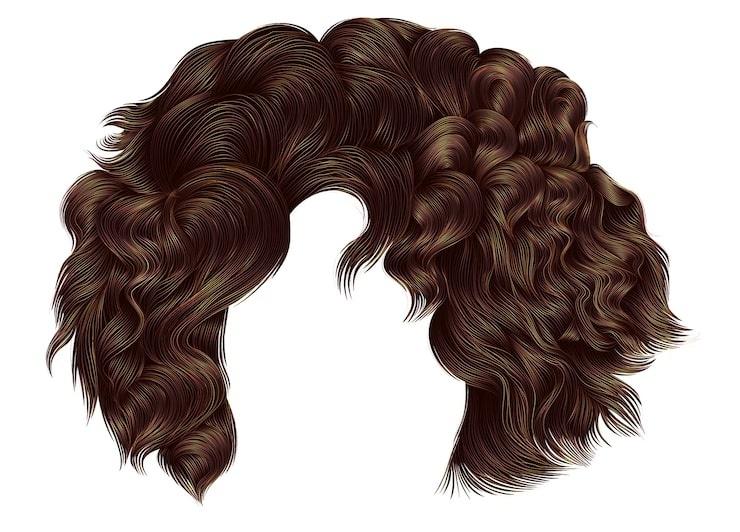
Essential Guide to Styling and Caring for a Synthetic Wig
A well-maintained synthetic wig can look remarkably natural and last far longer than many people expect. This comprehensive resource distills practical advice, long-term care strategies, styling tricks, and product recommendations so you can achieve a believable, comfortable, and low-maintenance look. Whether you are new to wearing synthetic hairpieces or looking to refine your routine, the tips below focus on preserving fiber integrity, optimizing natural appearance, and extending lifespan for every synthetic wig in your collection.
Why specialized care for a synthetic wig matters
Unlike human hair, a synthetic wig is made of heat-sensitive fibers and sometimes memory fibers designed to hold a style. Incorrect handling, high heat, or aggressive brushing can cause frizz, tangling, and irreversible damage. Thoughtful maintenance protects investment value and ensures your wig continues to mimic natural texture and movement. SEO-conscious readers will appreciate actionable, search-friendly guidance packaged below that emphasizes longevity and realistic styling.
Understanding fiber types and construction
Common synthetic fiber blends
Synthetic fibers range from basic modacrylic to premium heat-resistant blends. Basic modacrylic wigs are economical and retain shape well but are less tolerant to heat. Heat-friendly fibers allow gentle restyling with controlled warmth but still require care. The cap construction—lace front, monofilament crown, or traditional cap—affects how you style and secure the piece. A lace-front synthetic wig offers the most natural hairline, while monofilament tops mimic scalp realism where parting occurs.
How construction impacts styling choices
Choose styling approaches compatible with your wig's cap. For instance, lace-front synthetic wig designs support hairline blending techniques and lightweight adhesives, whereas full-cap wigs may need creative parting or clip-in extensions for realistic volume and movement. Knowing the structure informs safe cleaning intervals and appropriate adhesives or tapes to avoid cap damage.
12 proven tips for a natural look
- Start with correct sizing and fit. A properly fitted synthetic wig rests naturally on your scalp, preventing unnatural gaps or uneven tension that draws attention. Measure your head or get professionally fitted to reduce slippage and improve comfort.
- Trim and customize the perimeter. Professional shaping of the hairline, nape, and around the face removes bulk and creates a bespoke silhouette. Subtle thinning and face-framing layers reduce the “wiggy” outline and allow your natural features to show.
- Blend the hairline using strategic makeup. Use foundation or powder in the shade of your complexion to lightly tint lace edges. Feather micro-concealer along the perimeter for a seamless transition between skin and lace.
- Use the right brushes and combs. Invest in a wide-tooth comb or a looped bristle brush designed for synthetics. Avoid high-tension brushing when wet and detangle from tips upward to minimize fiber stress.
- Practice gentle washing routines. Wash only when necessary—typically after 10–20 wears unless exposed to sweat, smoke, or heavy product. Use a mild, sulfate-free wig shampoo and cold water to preserve fiber integrity of your synthetic wig.
- Condition with purpose-built products. Apply a silicone-based or specially formulated wig conditioner to the mid-lengths and ends; avoid the cap to prevent loosened knots. Rinse thoroughly in cold water and gently blot excess moisture with a microfiber towel.
- Air-dry on a wig stand for shape retention. Reshape the wig on a foam or adjustable stand to preserve parting and crown volume. Avoid direct sunlight while drying to limit color fade and fiber weakening.
- Employ heat carefully only on heat-resistant fibers. If your synthetic wig is labeled heat-safe, use the lowest effective temperature and test a small inconspicuous area first. Steam styling can revitalize curls and waves without direct heat contact, offering safer reshaping options.
- Refresh between washes with a dry detangler. Light mists of conditioning spray designed for synthetic fibers remove odors, loosen tangles, and improve slip—use sparingly to avoid product buildup.
- Store properly to prevent tangling and flattening. When not in use, place your wig on a stand or in a breathable satin bag. For travel, fold gently and secure with a soft net to maintain the original style and minimize friction-induced frizz.
- Use adhesives and pins wisely. For extended wear, lace-front synthetic wig users may choose skin-safe adhesives or wig tape. Rotate bonding areas and practice safe removal using proper solvents to protect both the lace and your skin.
- Refresh the look with subtle styling aids. Light-weight mousse, texturizing sprays, or low-hold hairsprays specifically formulated for synthetic fibers can add volume and definition without stiffening or weighing down the piece.
Step-by-step wash and care protocol for synthetic hairpieces
Follow this detailed process to maintain fiber quality and reduce tangling: first, detangle gently with a wide-tooth comb; next, fill a basin with cool water and add a small amount of wig shampoo; immerse and swirl gently—do not rub; soak for 5–10 minutes; rinse thoroughly in cool water; apply a wig-specific conditioner to the ends and leave for 2–5 minutes; rinse again and blot with a towel; place the synthetic wig on a stand to air-dry while reshaping the part and hairline. Once fully dry, use a wig brush or wide-tooth comb to style. This careful regimen extends lifespan and preserves the natural fall of the fibers.
Daily styling shortcuts that enhance realism
- Loosen parting—Use a small amount of translucent powder to mimic scalp color along part lines.
- Create baby hairs—Lightly trim and set a few small strands around the hairline for a soft, realistic frame.
- Alternate tension points—If using clips, spread anchoring points to avoid repeated stress that can widen cap holes.
- Rotate styles—Vary part positions and minor styling to distribute wear evenly across the wig, preventing flatness in one area.
Advanced customizing techniques
For a high level of realism, consider re-rooting, injecting a few graduated hand-tied strands at the hairline, or adjusting densities in targeted zones. These professional-level alterations make a synthetic wig mimic natural growth patterns and allow movement similar to biological hair. If you choose to accessorize with clips or decorative pins, select lightweight options to avoid pulling and reshaping the cap.
How to handle tangles and matting
Regular detangling prevents mats. For tightly tangled zones at the nape or under layers, apply a generous amount of wig conditioner or a specialized detangling solvent, let sit briefly, then gently tease out knots from the tips toward the roots using fingers first and then a wide-tooth comb. Avoid forceful pulling and never brush aggressively when the wig is wet.
Color care and minimization of fading
Although some synthetic fibers are colorfast, prolonged sun exposure, chlorine, and harsh chemicals can cause fade. Use UV-protectant sprays made for synthetic fibers when spending extended time outdoors. If you need a color change, consult a professional—dyeing synthetic fibers is limited and often requires specialist techniques or overlaying with colored hand-tied pieces.
When to seek professional maintenance
If a synthetic wig develops persistent frizz, cap damage, or severe shape loss, a professional wig technician can perform restorative services such as reshaping, partial re-wefting, or replacement of lace fronts. Regular salon check-ups can detect small problems before they affect wearability, often saving money compared to full replacement.
Accessories and complementary products
- Wig cap: use breathable nylon or cotton caps to protect your scalp and reduce friction.
- Wig stand: a tall, ventilated stand preserves shape while drying and resting.
- Heat tools: only for labeled heat-resistant synthetic wig fibers; use temperature-controlled tools and an isolating cloth.
- Gentle shampoos and conditioners: avoid sulfates and alcohol-heavy products that dry fibers.
- Detangling sprays and leave-in conditioners: select those formulated for synthetic materials to avoid buildup and dulling.
Practical tips for special situations
For active lifestyles, choose short, layered styles that resist tangling and maintain shape during movement. If you swim, secure the wig, apply a chlorine-inhibiting spray post-swim, and perform an immediate gentle rinse. For humid climates, use anti-frizz sprays formulated for synthetic fibers and consider protective styles like loose braids that reduce surface exposure to moisture.
Common mistakes to avoid
Frequent heat styling with inappropriate tools, over-washing, skipping a wig stand when drying, using heavy oils or human-hair products, and failing to rotate between multiple wigs are leading causes of premature wear. Instead, adopt a conservative and consistent routine that prioritizes fiber-friendly products and mechanical care.
Checklist for long-term wig health
Every month: deep condition and inspect cap for repair needs. Every 3–6 months: consider professional styling refresh or reshaping depending on wear frequency. Always: store in a cool, dry place and avoid getting the wig tangled with scarves or jewelry. Keep a small maintenance kit handy: wide-tooth comb, detangler spray, small scissors for micro-trims, and a lightweight net for travel.
How this guide supports SEO-focused content
By repeating the key term synthetic wig in strategic locations—titles, headings, the opening paragraph, and throughout descriptive lists—this resource aligns with search best practices while prioritizing reader utility. Use of semantically rich headings (
, , ) and emphasized inline elements (, , ) enhances crawlability, helps search engines understand the content structure, and improves the chances of appearing in related search queries.Quick styling hacks to appear more natural
- Soften shine with a light dusting of baby powder or specialized matte spray to eliminate synthetic gloss under photography lighting.
- Micro-trim ends and thin dense wefts to mimic natural tapering rather than blunt ends.
- Use a toothbrush and hairspray to lay baby hairs and soften the hairline for a polished finish.
By combining daily care, periodic professional maintenance, and conservative styling practices, any wearer can extend the life of a synthetic wig and achieve a convincing natural look that complements their features. Remember to always verify heat-compatibility before applying hot tools and to prioritize gentle, wig-specific products for cleaning and conditioning.
Conclusion: realistic expectations and value
A well-kept synthetic wig represents excellent value—offering consistent style retention, lower cost of upkeep, and immediate wearable looks without daily thermal stress. By following the 12 proven tips and the extended maintenance strategies above, you can protect your investment while enjoying an authentic, comfortable appearance.
FAQ
- Q: Can I use regular human-hair products on a synthetic wig?
- A: Avoid most human-hair products. Choose formulations explicitly labeled for synthetic fibers to prevent buildup, stickiness, or fiber breakdown. If in doubt, a product test on an inconspicuous area is recommended.
- Q: How often should I wash a synthetic wig?
- A: Wash after 10–20 wears under normal conditions, sooner if exposed to sweat, smoke, or heavy styling products. Over-washing accelerates fiber wear.
- Q: Is it possible to heat-style any synthetic wig?
- A: Only if the manufacturer states the fiber is heat-resistant. Always use the lowest setting and test a small section first. For non-heat-safe pieces, prefer steam reshaping or curling methods without direct contact.
- Q: How do I store a synthetic wig on the go?
- A: Pack it inside a soft net or breathable bag and place it in a protective box or handbag compartment to avoid crushing. On arrival, transfer it to a stand to regain shape.

With proper knowledge, the right tools, and consistent habits, a synthetic wig can deliver natural movement, convincing texture, and durable performance that satisfies both aesthetic goals and practical needs.
) and emphasized inline elements (, , ) enhances crawlability, helps search engines understand the content structure, and improves the chances of appearing in related search queries.Quick styling hacks to appear more natural
- Soften shine with a light dusting of baby powder or specialized matte spray to eliminate synthetic gloss under photography lighting.
- Micro-trim ends and thin dense wefts to mimic natural tapering rather than blunt ends.
- Use a toothbrush and hairspray to lay baby hairs and soften the hairline for a polished finish.
By combining daily care, periodic professional maintenance, and conservative styling practices, any wearer can extend the life of a synthetic wig and achieve a convincing natural look that complements their features. Remember to always verify heat-compatibility before applying hot tools and to prioritize gentle, wig-specific products for cleaning and conditioning.
Conclusion: realistic expectations and value
A well-kept synthetic wig represents excellent value—offering consistent style retention, lower cost of upkeep, and immediate wearable looks without daily thermal stress. By following the 12 proven tips and the extended maintenance strategies above, you can protect your investment while enjoying an authentic, comfortable appearance.
FAQ
- Q: Can I use regular human-hair products on a synthetic wig?
- A: Avoid most human-hair products. Choose formulations explicitly labeled for synthetic fibers to prevent buildup, stickiness, or fiber breakdown. If in doubt, a product test on an inconspicuous area is recommended.
- Q: How often should I wash a synthetic wig?
- A: Wash after 10–20 wears under normal conditions, sooner if exposed to sweat, smoke, or heavy styling products. Over-washing accelerates fiber wear.
- Q: Is it possible to heat-style any synthetic wig?
- A: Only if the manufacturer states the fiber is heat-resistant. Always use the lowest setting and test a small section first. For non-heat-safe pieces, prefer steam reshaping or curling methods without direct contact.
- Q: How do I store a synthetic wig on the go?
- A: Pack it inside a soft net or breathable bag and place it in a protective box or handbag compartment to avoid crushing. On arrival, transfer it to a stand to regain shape.
With proper knowledge, the right tools, and consistent habits, a synthetic wig can deliver natural movement, convincing texture, and durable performance that satisfies both aesthetic goals and practical needs.
represents excellent value—offering consistent style retention, lower cost of upkeep, and immediate wearable looks without daily thermal stress. By following the 12 proven tips and the extended maintenance strategies above, you can protect your investment while enjoying an authentic, comfortable appearance.FAQ
- Q: Can I use regular human-hair products on a synthetic wig?
- A: Avoid most human-hair products. Choose formulations explicitly labeled for synthetic fibers to prevent buildup, stickiness, or fiber breakdown. If in doubt, a product test on an inconspicuous area is recommended.
- Q: How often should I wash a synthetic wig?
- A: Wash after 10–20 wears under normal conditions, sooner if exposed to sweat, smoke, or heavy styling products. Over-washing accelerates fiber wear.
- Q: Is it possible to heat-style any synthetic wig?
- A: Only if the manufacturer states the fiber is heat-resistant. Always use the lowest setting and test a small section first. For non-heat-safe pieces, prefer steam reshaping or curling methods without direct contact.
- Q: How do I store a synthetic wig on the go?
- A: Pack it inside a soft net or breathable bag and place it in a protective box or handbag compartment to avoid crushing. On arrival, transfer it to a stand to regain shape.
Related products
Blog
- Why peter orszag wig Is Trending Online and What the Hidden Story Reveals
- how do you straighten a synthetic wig - expert step by step tips for heat safe and heat free styling without damage
- where buy wigs online - Your Ultimate Shopper Guide to Styles Prices and Trusted Retailers
- where can i find wigs - Ultimate guide to buying affordable human hair and synthetic wigs near you
- Where can you donate wigs for cancer patients - 12 trusted places, donation steps and what to expect
- How to Use a Wig Clip Step by Step Guide for Beginners to Secure Natural-Looking Styling
- Braided Wig Trends 2025 How to Choose, Style and Maintain a Braided Wig for Effortless Glam
- does mrs macron wear a wig? What photos and stylists actually reveal