
Simple step by step guide on how to fix the ends of a synthetic wig with heatless DIY tips for silky smooth results
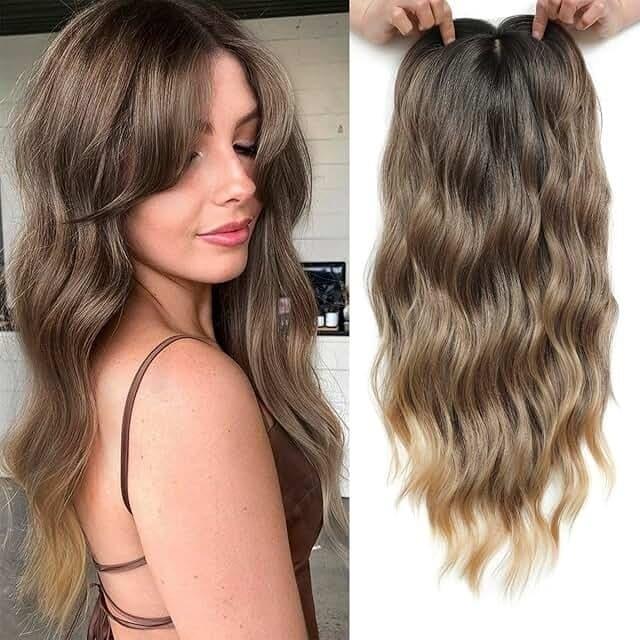
Quick overview: revitalizing frayed synthetic tips without heat
If you're searching for practical, gentle methods on how to fix the ends of a synthetic wig without risking heat damage, this comprehensive guide will walk you through proven, heat-free techniques to restore silky smooth tips, extend wearable life, and keep your wig looking fresh. Below you'll find causes, preventive care, step-by-step DIY fixes, product recommendations, troubleshooting, and maintenance routines that are friendly to most common synthetic fibers.
Why the tips of a synthetic wig get rough or frizzy
Understanding the root causes helps you choose the best approach. Typical reasons for damaged ends include friction from collars or pillows, chemical exposure (strong shampoos, alcohol-heavy sprays), improper storage, tangling from wind, and repeated brushing with the wrong tools. Over time, synthetic fibers can lose their smoothness and split or tangle at the ends. This section explains how to spot early signs and how small interventions can prevent escalation.
Essential tools and products for heatless repairs
- Wide-tooth comb or loop brush designed for wigs
- Conditioner or fabric softener diluted in water (low-alcohol, silicone-free wig sprays are ideal)
- Spray bottle for even application
- Soft microfiber towel or old T-shirt for blotting
- Sharp hair-cutting scissors or thinning shears for trimming split ends
- Fine-toothed comb for final detailing
- Optional: nylon stocking or pantyhose for smoothing ends
Pre-repair checklist (do this before any DIY attempt)
- Identify the fiber type: heat-friendly synthetic blends behave differently from classic acrylic or kanekalon—consult manufacturer guidance.
- Test any liquid on a hidden section to check for colorfastness or fiber reaction.
- Work on a wig stand or mannequin head to keep tension even.
- Gather all tools within reach to avoid interruptions mid-process.
Step-by-step heatless repair routine
Step 1 — Gentle detangle and assessment
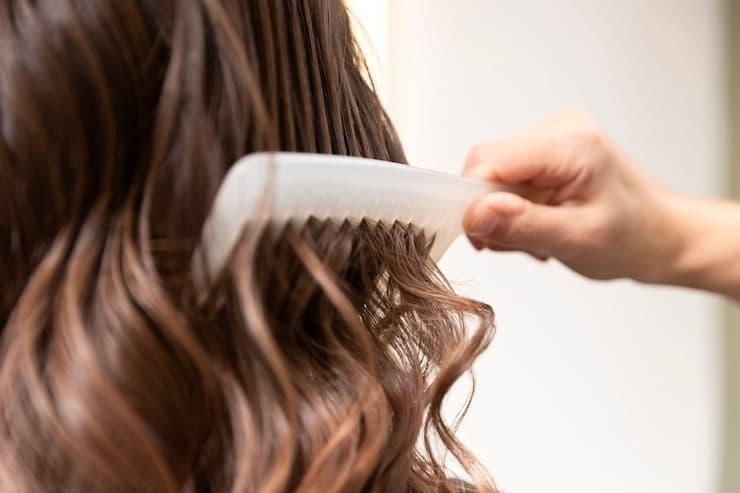
Fill a basin with lukewarm or cool water and add a teaspoon of mild wig shampoo or a capful of conditioner. Submerge the wig and allow it to soak for a few minutes to loosen surface dirt and tangles. Lift the wig and rinse with cool water; blot dry with a microfiber towel. While damp, hold strands at the root and gently comb the ends with a wide-tooth comb. This minimizes stretching and prevents further fraying. Carefully examine the tips: note any broken fibers or clusters of matting.
Step 2 — Condition and soften ends without heat
Mix a leave-in conditioner solution: one part fabric softener or wig conditioner to six parts water in a spray bottle. Lightly mist the ends—focus on small sections rather than saturating the cap. For best results, let the solution sit for 5–10 minutes, then gently finger-comb to encourage smoothing. Using the spray helps control product placement, and diluting prevents residue buildup. If you prefer store-bought products, choose a silicone-based wig serum designed for synthetic fibers and use sparingly.
Step 3 — Nylon smoothing technique for silky tips
A classic, heat-free trick is to use a cylindrical object and a nylon stocking to smooth ends. Divide the wig into small sections, wrap each section around a foam roller or a knitting needle, then slide a cut strip of nylon stocking over the roll to compress the fibers. Leave wrapped for 30–60 minutes and then gently unroll. The pressure from the nylon realigns strands and reduces frizz without exposure to heat. This is especially helpful when the ends are puffy but not physically broken.
Step 4 — Strategic trimming for immediate improvement
If you find split or uneven tips, precise trimming with sharp shears is effective. Work in good lighting, and trim tiny amounts—think micro trims, not a major chop. Point-cut at an angle to avoid blunt lines, which look unnatural on synthetic fibers. Trim while the wig is slightly damp for cleaner cuts; avoid cutting dry, which can lead to jagged tips. After trimming, reapply a light mist of leave-in conditioner and gently comb through.
DIY smoothing serums and homemade recipes
For budget-friendly options, mix a few drops of lightweight silicone-based hair serum into a spray bottle with distilled water, or create a fabric-softener rinse using a no-fragrance brand. Another gentle alternative is a small amount of baby oil diluted heavily in water — use extremely sparingly as oil can weigh fibers down and attract dust. Always use tiny amounts and do patch tests. These homemade recipes can be wrapped into the smoothing step or applied as a regular leave-in treatment to maintain silky ends.
Avoid these common mistakes
- Using household heat tools or very hot water on classic synthetic fibers — this can melt or permanently deform the cap.
- Overapplying oils or serums — excess product leads to buildup and a greasy look.
- Using regular hairbrushes with metal teeth — they can snag and cause further fraying.
- Trimming large amounts at once — always take a conservative approach and check frequently.

Advanced heatless tactics for stubborn frizz
Reweaving and sealing with gentle adhesives
For wigs suffering from loose wefts near the ends, you can carefully tuck and stitch a few stray fibers back into the weft using a curved needle. If the issue is minor and cosmetic, a tiny amount of clear fabric glue applied with a toothpick at the very tip can stop further splitting. Use adhesives specifically labeled for textiles and test small areas first. This is a semi-permanent solution and should be used sparingly.
Cold water set with roll-and-weight method
Lay the wig flat and roll ends around foam rollers. Place a light towel and a low-weight object across the rolls for an hour or two. The weight helps the fibers settle into a smoother alignment. This method is slower but commonly used by wig professionals as a non-heat way to reduce puffiness at the ends.
Regular maintenance routine to prevent reoccurrence
Prevention is more effective than repeated repairs. Adopt a weekly or biweekly maintenance routine: gently comb the ends after each wear, store the wig on a stand or in a breathable bag to avoid crushing, limit exposure to harsh sprays or sunlight, and use a leave-in wig conditioner every few wears. Rotate between wigs if you wear them daily to reduce friction and wear on any single wig's tips.
Styling tips that extend the life of restored ends
Choose low-friction hairstyles like loose braids or gentle bun styles that keep the ends protected. Avoid heavy accessories that drag on the tips. When sleeping in a wig (if you must), use a silk or satin pillowcase to reduce friction—this simple step dramatically reduces tip wear.
When to consult a professional
If the ends are severely matted, melted, or structurally damaged, professional reconditioning or reweaving may be the safest route. Wig technicians can replace wefts, reblock the cap, or apply industry-grade restoratives that are not available to consumers.
Useful product suggestions
- Leave-in synthetic wig conditioners (silicone-based, alcohol-free)
- Wide-tooth, loop, or vent brushes designed for synthetic fibers
- Mild, sulfate-free wig shampoos
- Foam rollers, knitting needles, or soft flexi rods for roll smoothing
Checklist: quick daily and weekly care
- Daily: gentle detangle before and after wear, spot-spray ends if needed
- Weekly: full rinse and condition, blot dry, micro-trim visible splits
- Monthly: deep conditioning soak and nylon smoothing session
Step-by-step condensed fix (quick reference)
1. Soak/clean gently. 2. Dilute conditioner or use wig spray; mist ends. 3. Detangle with wide-tooth comb. 4. Roll small sections and cover with nylon for 30–60 minutes. 5. Micro-trim as needed. 6. Apply a tiny amount of wig-specific serum. 7. Store properly.
How to choose products for your fiber type
Match products to fiber: heat-safe synthetics can tolerate slightly different care than classic acrylics. Always prioritize products labeled for synthetic wigs and avoid heavy, oil-rich formulations unless they are specifically recommended. If in doubt, contact the wig manufacturer or retailer for product compatibility.
Troubleshooting common scenarios
Scenario A — Ends remain puffy after conditioning: try the nylon roll method with light weight and let dry fully before unwrapping. Scenario B — Ends look coated or greasy: clarify with a very gentle shampoo and reduce product amounts in the future. Scenario C — Color bleed or feel change after DIY solution: stop use immediately and consult a pro; some dyes react unpredictably.
Environmental and storage tips
High humidity and pollution can accelerate fiber breakdown. Store wigs in a cool, dry place away from direct sunlight. Use breathable fabric bags and avoid plastic long-term, as trapped moisture promotes odor and matting.
Key takeaways:The most effective heatless approach to how to fix the ends of a synthetic wig combines gentle cleaning, a restorative leave-in or diluted fabric softener, mechanical smoothing with nylon or rollers, and careful micro-trimming. Preventative care and correct tools will extend results and reduce the frequency of deep repairs.
Final notes on safety and longevity
Always perform a patch test when trying a new product or-home remedy, keep trims conservative, and remember that consistent, gentle care is the single most powerful method to keep synthetic ends looking naturally smooth for longer.
FAQ
Q: Can I use regular hair serum on a synthetic wig?
A: Most regular hair serums contain oils and silicones that can weigh synthetic fibers down or leave residue. Choose products labeled for synthetic wigs or dilute a tiny amount in water and test first. For guidance on how to fix the ends of a synthetic wig, always opt for wig-safe formulas.
Q: Is trimming the only permanent fix for split ends?
A: Trimming removes damaged tips immediately and prevents further splitting. Other repairs may improve appearance temporarily, but trimming is the only way to permanently eliminate split fibers.
Q: How often should I perform the nylon smoothing or roll method?
A: Depending on wear frequency, every 4–8 weeks is reasonable. More frequent use is usually unnecessary and can lead to product buildup if combined with heavy conditioners.
Related products
Blog
- does tom cruise wear a wig Debunking the Rumors With Stylist Insights Photo Evidence and Movie Hair Tricks
- how do you make a lace wig explained with an easy step by step DIY tutorial and pro tips
- how wig buying guide and how wig styling tips for a flawless natural look
- Updated 2025 guide does locks of love charge for wigs and how to apply for a free wig
- what is the best lace wig glue — Expert Tested Picks, Budget Alternatives and How to Apply Them
- how to put on a halloween wig step by step guide to a secure natural fit with easy pro tips
- how to put on a long hair wig step by step guide for a natural secure fit
- Beginner Friendly Guide to how to braid hair for wig with step by step photos and styling tricks