
Pro tips on how to lay hair flat under wig without braids for a sleek natural finish
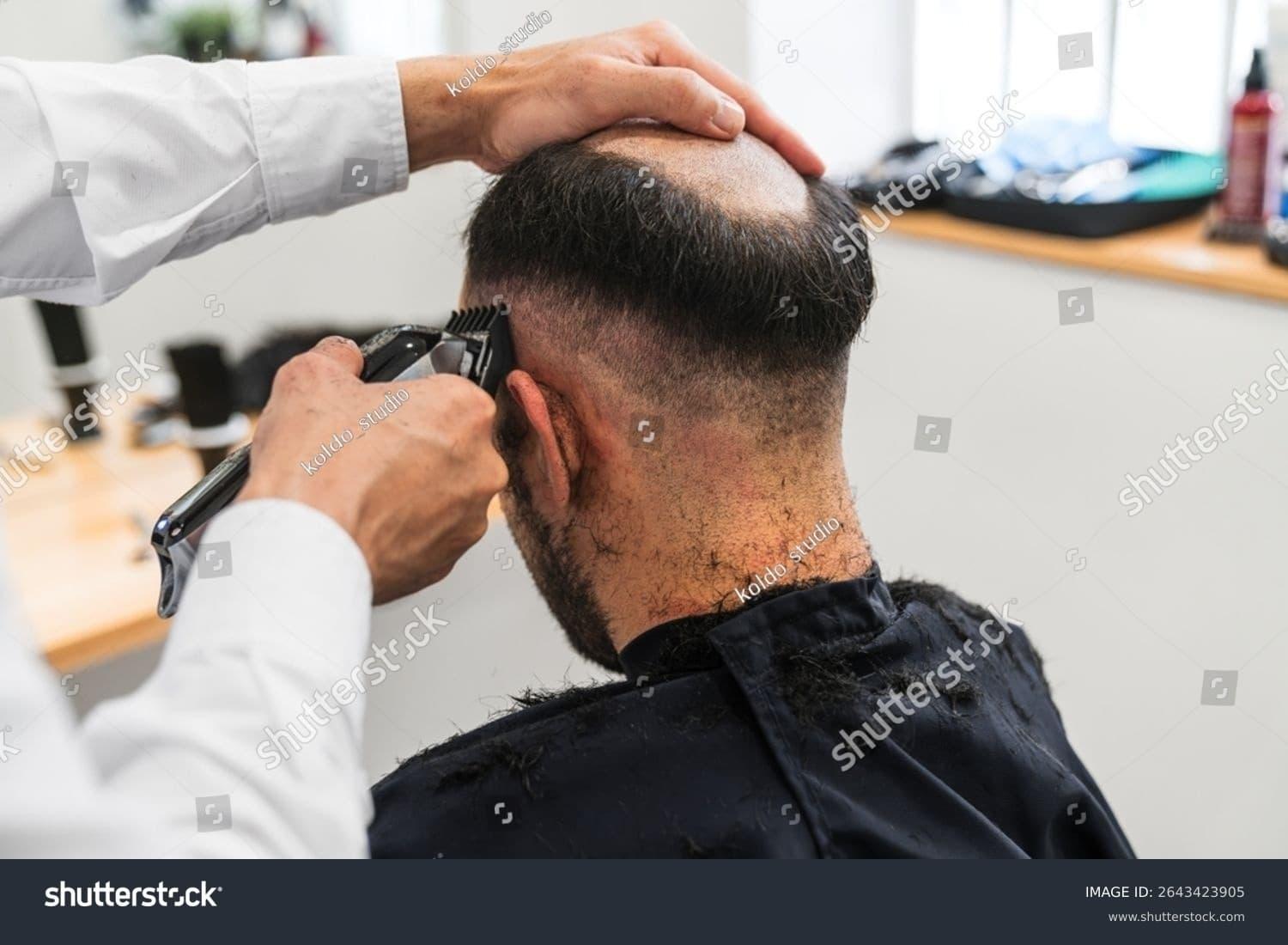
how to lay hair flat under wig without braids
Achieving a sleek, natural wig look often depends less on the wig itself and more on how the natural hair is prepared underneath. If you're asking how to lay hair flat under wig without braids, this comprehensive guide compiles proven techniques, product tips, and care routines to help you create a smooth base without committing to braids or cornrows. Whether you prefer short, medium, or long natural hair, these strategies will help you maintain scalp health, protect your strands, and achieve a seamless wig application that looks natural and stays comfortable.
Why lay hair flat under a wig?
Creating a flat surface under a wig improves the final appearance by eliminating bumps, lumps, and uneven lines that can show through the lace or cap. Flat hair provides better contact between your scalp and the wig cap, reducing shifting and making the hairline look more realistic. Additionally, a controlled base decreases tension on individual strands and minimizes friction during wear.
Key principles before you begin
- Start with clean hair and scalp — oils and heavy conditioners can prevent products from holding effectively.
- Keep tension balanced — too tight can damage edges; too loose will allow movement.
- Use breathable materials — select wig caps and scarves that allow air flow to protect the scalp.
- Lock moisture smartly — over-moisturizing will cause the hair to puff; lock in hydration then smooth.
Tools and products that matter
- Stretchy wig cap or mesh cap for smoothing and protection.
- Lightweight gel, edge control, or styling cream formulated for hold without flakes.
- Wide-tooth comb and boar bristle brush to distribute products evenly.
- Elastic headwrap or satin scarf for setting and compression.
- Clips to section hair and keep layers flat during styling.
- Heat tools — optional low-heat flat iron or blow dryer with tension brush for temporarily smoothing textured hair.
Product selection tips
Choose non-greasy, water-based formulas when possible. Heavy oils and butters can create build-up and make a wig slip. If you need extra hold, use a small amount of alcohol-free gel on the hair surface and seal with a soft scarf. For those with fine hair, a lightweight mousse can add slip and make smoothing easier. For coarse, thick, or curly textures, consider a leave-in detangler prior to smoothing so strands glide without resistance.
Step-by-step: lay hair flat under wig without braids (method 1 — wrap & compress)
- Wash and condition your hair as usual, then detangle while damp.
- Apply a lightweight leave-in or smoothing cream focusing on the lengths and roots. Avoid heavy products at the scalp.
- Part your hair into manageable sections with clips. Small sections create a flatter base.
- Take each section and gently brush it downward using a boar bristle brush to smooth the cuticle. If needed, use a blow dryer on cool or low heat to set the direction — never use high heat close to the scalp.
- Lay each smoothed section flat against your head and wrap it with the next section, using a flat wrapping technique: wrap hair clockwise around the head for the right side and counterclockwise for the left, overlapping sections to lock them in place.
- When all hair is wrapped, place a thin, breathable wig cap over the wrapped hair. Ensure the cap pulls gently without creating tight pressure points.
- Secure the wrap with a satin or silk scarf, tying it snugly but comfortably. Leave the wrap in place for 15–30 minutes to set.
- Remove the scarf, smooth the cap again if needed, and place your wig. Adjust edges and secure with clips or tape if desired.
Step-by-step: lay hair flat under wig without braids (method 2 — tension & gel smoothing)
- Begin with slightly damp hair (use a spray bottle) to provide pliability.
- Use a small amount of water-based gel or styling butter at the roots and along the surface. Work in small sections to avoid flakes.
- With a fine-tooth comb, gently smooth each section downward while holding slight tension at the root to flatten the hair against the scalp.
- Use a mesh wig cap to compress the hair after smoothing each section. The cap keeps the hair in place and makes the overall surface even.
- Finish with a silk scarf tied for 10–20 minutes to ensure the product sets and the hair remains flat before placing your wig.
Method 3: low-heat temporary flatting (for relaxed control)
If your hair texture allows, a targeted low-heat smoothing can make laying hair flat under a wig without braids faster and longer lasting. Use a heat protectant, keep the iron on the lowest effective setting, and only pass once or twice over each section. The goal is temporary flattening to make wrapping and cap application easier — not to straighten hair permanently. Follow with a cap and scarf to lock the position.
Special considerations by hair type
Fine hair
Fine hair needs less product and gentle handling. Too much gel or cream will weigh down strands and create a flat, unnatural base. Use lightweight formulas, and consider a thin cotton cap first, then a mesh cap for compression. If volume is needed at the crown, do not over-compress; instead, smooth the hair more at the hairline and allow a tiny lift in the middle.
Curly and coily hair
Curly textures benefit from detangling and sectioning. Use a hydrating leave-in to reduce friction, then employ the wrap-and-compress method. Avoid excessive tension at the edges; use edge control lightly and protect hairline with silk material. Consider using a hydration-first approach: seal in moisture, then smooth with gel to set pattern before wrapping.
Thick or long hair
With more density, work in more sections and choose a wider-brim cap to accommodate volume without bunching. Tighter wrapping can create pressure — balance the wrap so that it flattens without causing discomfort. If hair is very long, coil ends into flat rolls under the cap to reduce bulk.
Wig cap types and when to use them
- Thin mesh caps — best for minimal bulk and breathable compression.
- Double-cap (net + cap) — ideal when you need both protection and strong flattening.
- Silicone-lined caps — offer extra grip but can feel tighter; use sparingly to maintain scalp comfort.
- Satin caps — protect edges and reduce friction when wearing wigs overnight.
Edge protection tips
Edges are vulnerable; avoid over-manipulation and tight pulling when laying hair flat under wig without braids. Use a light edge control with a soft brush or toothbrush; do not use cotton that can absorb moisture from fragile edges. Consider a satin or silk lining at the front of the wig to minimize friction and keep edges healthy.
Common mistakes and how to avoid them
- Using heavy oils at the scalp — leads to slippage and product build-up.
- Over-tight wrapping — causes headaches and traction; aim for firm but comfortable tension.
- Skipping detangling — results in bumps and uneven distribution under the cap.
- Not protecting edges — can cause thinning over time; always use a gentle edge routine.
Quick troubleshooting
If your wig still shows bumps: remove wig and check for trapped air pockets, re-smooth sections, and reapply the cap with attention to problem spots. If the wig shifts during wear: secure with grips, adjustable wig straps, or low-profile tape. If hair becomes flat and lifeless after flattening: allow your natural texture time between wears to recover, and deep condition weekly.
Maintenance: how to preserve the flat base between wears
Night routine is vital. After removing your wig, unwrap gently and spritz with a light mist to restore moisture without undoing the set. Allow hair to breathe and avoid constant compression every day — rotate cap types (mesh one day, satin the next) and give your scalp breaks. Periodically cleanse the scalp with a gentle shampoo and clarify any product build-up from gels or edge controls. A monthly deep-conditioning treatment will keep strands resilient.
Scalp health reminders
Keeping the scalp healthy ensures the base you create is sustainable. Use lightweight scalp serums or toners if you experience dryness, but avoid heavy emollients at the root. If you notice irritation, loosen compression and consult a dermatologist or trichologist if problems persist. Adequate hydration, balanced nutrition, and gentle care preserve edges and general scalp condition, making it easier to lay hair flat under a wig without braids long-term.
Enhancing realism at the hairline
To make the hairline appear natural when you lay hair flat under wig without braids, do subtle customization: lightly pluck a few hairs from the wig’s hairline if needed, blend with your natural hairline using baby hairs, and use a small amount of concealer or foundation along the lace to match skin tone. Use how to lay hair flat under wig without braids techniques to make these transitions seamless by ensuring the cap and natural hair are aligned and flat at the front.
Temporary vs long-term flattening: pick the right approach
Decide if you want a short-term base for a single wear or a longer-term style. Temporary methods focus on minimal product and gentle setting, ideal for daily wig wearers who switch wigs often. Long-term flattening (multi-day wear) requires careful product choice, regular scalp checks, and periodic re-smoothing to avoid damage. No matter which you choose, maintaining proper hygiene is essential.
Low-commitment styling alternatives
If you're not ready to commit to wrapping or using gels, consider these low-commitment methods: use a padded wig cap to create a smooth silhouette; style your wig with thicker fronts to distract from minor bumps; choose a cap with adjustable straps to reduce shifting. These are temporary fixes but can be effective when combined with subtle smoothing of your natural hair.

Checklist: morning routine before placing a wig
- Detangle and lightly moisturize if needed.
- Smooth hair in small sections toward the head using a boar-bristle brush or comb.
- Apply a light water-based gel to hold surface direction.
- Place a breathable wig cap and tie a silk scarf for 10–20 minutes.
- Remove scarf, adjust cap, and put on wig; secure as desired.
Pro stylist tips
Professional stylists often combine two or more methods for the most reliable results. For example, a brief low-heat pass to reduce bulk, followed by gel smoothing and a tight mesh cap, sets a very flat base without the need for braids. They also recommend rotating cap materials and avoiding daily heavy compression to protect hair density and scalp circulation.
Remember: technique matters more than force. Gentle, consistent smoothing and proper product selection will yield a natural finish while preserving hair health. If you're experimenting with how to lay hair flat under wig without braids, start conservatively and refine your routine until you find the combination of products and wrapping technique that works for your hair type and lifestyle.
What to expect and how long it lasts
A properly flattened base can stay smooth for 1–3 days depending on activity level, humidity, and product choice. In humid climates, you may need stronger hold products or re-wrapping to maintain the flatness. Always remove wigs and let your natural hair rest between long wears to prevent moisture imbalance and stress on the hairline.
Summary: key takeaways
- Use small sections, lightweight products, and proper compression to lay hair flat under wig without braids effectively.
- Protect edges and scalp health by avoiding over-tightening and heavy product build-up.
- Choose cap types and wrapping techniques that match your hair density and texture.
- Maintain a restorative routine to keep hair healthy between wears.
Further reading and resources
Explore tutorials from licensed stylists for visual guidance and seek advice tailored to your hair type if you’re uncertain. Community forums and stylist blogs often share custom hacks that can be adapted to your routine. Search for terms like "flat wrapping techniques," "wig cap selection," and "edge protection for wig wearers" to expand your knowledge.
Optional FAQ
How often should I flatten my hair under a wig?
Flattening frequency depends on how often you wear wigs. For daily wear, aim to reset the base every 1–3 days and give your hair a rest day each week. For occasional wear, prepare the base each time to ensure smoothness.
Can I use oils to help flatten my hair?
Avoid heavy oils at the scalp when your goal is a flat base; they can create slippage and prevent the cap from gripping. Lightweight serums applied sparingly to lengths can help reduce frizz but keep the roots clean.
Will this method damage my natural hair?
When done properly—gentle tension, breathable caps, and avoiding excessive heat—these techniques are low-damage. Problems arise from over-tightening, daily heavy compression, or harsh products. Monitor your edges and scalp and adjust as needed.
Related products
Blog
- Arda Wigs Buying Guide 2025 Discover Trendy Styles Care Tips and Price Insights
- DIY step by step how to melt lace on wig at home for a flawless natural hairline
- how long can you wear a wig install Expert guide to safe wear times care and styling tips
- did elvis wear a wig Uncovering the Evidence Behind Elvis Presleys Iconic Hairstyle
- how to get long hair in a wig cap - easy step by step tricks for fuller natural length
- where to buy human hair wigs guide 2025 - best online stores, boutique salons and money saving tips
- how to make a big wig step by step DIY guide with materials and pro tips for dramatic volume
- cheap human hair wigs buying guide for natural looks and budget friendly styling