
Practical Guide on how to keep a wig in place 12 Expert Tips to Keep Your Wig Secure All Day

Essential strategies for keeping your wig secure
Keeping a wig in place all day requires a combination of the right tools, correct application, and a little routine. Whether you wear synthetic lace-front pieces, hand-tied human hair wigs, or machine-made caps, practical approaches make the difference between a mid-day adjustment and confident, uninterrupted wear. This guide explores professional-tested methods and everyday tips on how to keep a wig in place that work for most hair types, lifestyles, and budgets.
Why wigs slip: common causes
Understanding why a wig slips is the first step toward a lasting solution. Typical reasons include an ill-fitting wig cap, excess oil on the scalp, sweaty conditions, incompatible cap construction, or activities that create friction. Address these root causes and you'll significantly increase timespan between adjustments.
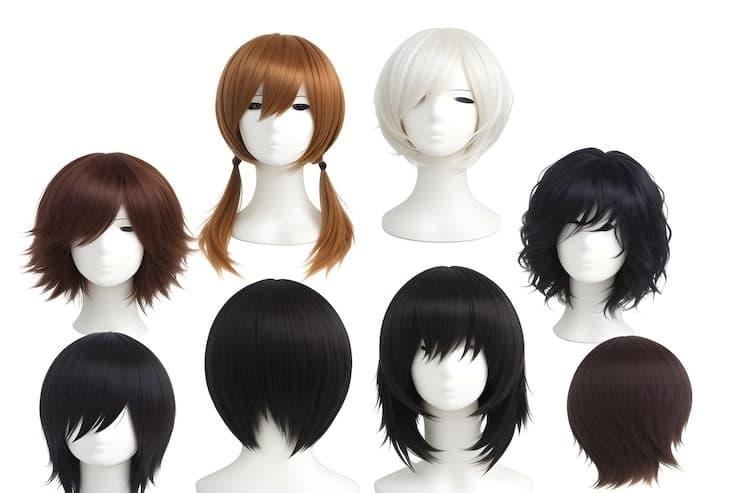
Cap fit and size
An accurate fit is the most reliable prevention against shifting. Measure your head circumference and compare with the manufacturer's sizing chart. If standard sizes feel loose, use adjustable straps, wig clips, or a wig grip band to customize the fit. For those who prefer a more permanent fix, consider getting a custom cap built to exact measurements.
Scalp preparation
Preparing the scalp improves adhesion and grip. Cleanse away excess oils before application with a gentle, alcohol-free cleanser when possible, or use a light powdering of baby powder or a dry shampoo to absorb oil. If you have very oily skin, a mattifying primer or scalp powder can create a dryer base for tapes and adhesives.
Top tools and products to secure a wig
- Wig caps — Nylon or mesh caps compress natural hair and provide a smooth surface to anchor the wig.
- Wig grips — Velvety headbands made to sit between the hair and wig; especially helpful for lace fronts and longer wear.
- Clips and combs — Sew-in or built-in clips attach to remaining hair; combs can add stability for intermittent movement.
- Adhesives — Tapes and liquid glues provide strong hold for lace fronts but require skin-safe products and proper removal agents.
- Fashion tape — Double-sided tape strips offer quick fixes and are great for one-day events.
- Wig caps with silicone edges — These combine the smoothing function of a cap with an anti-slip silicone grip around the perimeter.

Step-by-step daily routine for secure wear
- Start clean: Wash and dry your natural hair and scalp regularly to reduce oils that erode adhesives and grips.
- Readjust natural hair: Braid, pin, or flatten your hair depending on density; a smooth, low profile prevents lumps under the cap.
- Apply a wig cap: Use a nylon or mesh cap; for extra security choose one with grippy silicone or use a double cap method (thin cap + wig grip).
- Attach internal clips: Secure any built-in clips to your natural hair if available; place them above the ears and at the nape for balance.
- Use tape or glue for lace fronts: If you need an invisible hairline, use skin-safe adhesive or tape. Apply to dry, clean skin; press the lace into the adhesive carefully.
- Final check: Move your head, smile, and gently tug at edges to ensure firm placement before heading out.
Activity-based tips
Planning to exercise, dance, or ride a bike? Anticipate extra movement. For workouts, choose a short, snug wig cap covered by a breathable sweatband under the wig. For windy conditions, add additional tape or reinforce clips. When sleeping, either remove the wig or switch to a satin-lined cap to reduce friction and preserve adhesive bonds.
Advanced hold methods for long wear
When you need the maximum confidence — long travel days, performances, or windy events — combine multiple strategies. Use a wig grip plus a few discreet pieces of double-sided tape along the hairline. For lace adhesives, a professional-grade water-based glue often lasts longer than tapes and resists sweat better, but it also requires a proper remover to protect your skin and the wig lace.
Creating a hybrid anchor system
Many stylists recommend a hybrid system: fit the cap snugly with adjustable straps, apply a wig grip band across the forehead, secure clips to your own hair, and add a thin line of tape or adhesive at the lace front. This multi-point anchoring reduces leverage and prevents any single failure from causing a full slip.
How to keep a wig in place during hot or humid conditions
Heat increases scalp moisture and can undermine adhesives. Use moisture-wicking wig caps, a lightweight anti-perspirant on the hairline (test for irritation first), and choose adhesives labeled for high-humidity performance. Frequent small powder touch-ups can also help absorb sweat without damaging the wig fibers.
Maintenance to reduce slippage over time
Wigs and adhesive bonds wear. Clean the inner cap regularly to remove oils and product buildup, and replace tapes as instructed by the manufacturer. Human-hair wigs may require different care than synthetics; maintain proper washing and conditioning to keep hair lie-flat and reduce bulky tangles that can lift the wig.
DIY hacks and inexpensive solutions
Not every solution needs a high price. Simple items like bobby pins can create anchor points for non-clip wigs, and elastic headbands worn over the wig during the first 10-15 minutes after adhesive application can ensure a snug bond while glue sets. For temporary fashion changes, double-sided fashion tape along the hairline provides instant security without glue.
Common mistakes to avoid
- Applying adhesive to unclean, oily skin — reduces hold and can cause premature lifting.
- Using too much product — excessive glue can seep into lace and shorten its lifespan.
- Ignoring cap size — a too-large cap undermines every other method.
- Sleeping with adhesive applied — increases risk of hair loss and shortens lace life; remove before bed unless you use a protective cap designed for overnight wear.
Products worth keeping in your wig kit
Create a portable emergency kit: extra wig tape strips, a small bottle of approved adhesive and remover, a few bobby pins, a backup wig grip, travel-size dry shampoo, a soft toothbrush for lace cleaning, and a small mirror to check edges discreetly. This toolkit helps you react fast to slipping or minor displacement.
Troubleshooting guide
If your wig continuously slides even after following recommended steps, evaluate these variables: Is the cap size correct? Are you using products designed for sensitive skin? Is the wig balanced in weight (heavy extensions or thick wefts can pull at the edges)? Consider visiting a wig stylist to have clips sewn in or to get custom tailoring on the cap. Sometimes a single seam adjustment eliminates recurrent movement.
Pro tips from stylists
Experienced wig technicians emphasize testing products and methods on non-visible areas and maintaining a rotation of adhesive and tape brands to avoid skin irritation. They also suggest keeping hair at or below shoulder length under the wig to reduce bulk and using lightweight, breathable wig constructions during long hours of wear.
Safety and skin care
Always prioritize skin health: perform patch tests for adhesives, use proper removers to avoid damaging the lace or your scalp, and avoid prolonged adhesive contact without breaks. If you notice irritation, redness, or persistent itching, discontinue use and consult a dermatologist.
Key takeaway: A combination of a well-fitted cap, a discreet anchor system, and regular maintenance creates the most reliable way to ensure your wig stays put.
Quick daily checklist
Before leaving the house, quickly run through this list: secure cap and straps, attach clips, apply tape/glue if needed, check hairline in mirror, and test movement. Carry a small emergency kit to handle unexpected slips. These few minutes of preparation reduce adjustments and increase comfort.
How to keep a wig in place: a short action plan
1) Measure and choose the right cap. 2) Prepare scalp and hair. 3) Use supportive internal clips or a wig grip. 4) Reinforce the hairline with tape or adhesive for lace fronts. 5) Maintain the wig and replace tapes when worn. Repeating this process makes secure wear habitual and reliable.
Environmental considerations
Weather affects hold: wind demands extra anchoring, humidity calls for moisture-resistant products, and cold can stiffen adhesives briefly. Match your choice of adhesive and anchor to the expected conditions for best results.
Conclusion: combining methods for consistent results
No single trick works for everyone. The most successful strategy is layered: choose the correct size, prepare the scalp, combine grips, clips, and adhesives as appropriate, and maintain the wig and skin. Regular practice and small refinements will reveal the optimal routine for you and ensure confidence in public settings.
how to keep a wig in place — final reminders
Repeated attention to fit, cleanliness, and the right products is the formula professionals use to keep wigs secure. Track what works, keep your emergency kit stocked, and don't hesitate to consult certified wig technicians for custom solutions like sewn-in clips or cap alterations.
FAQ
- Q: How long should adhesive last before reapplication?
- A: It depends on the product and conditions; many tapes last 1–2 weeks for daily wear while genuine liquid adhesives can last several weeks with proper care. Always follow manufacturer guidance and monitor skin reactions.
- Q: Can I sleep in my wig safely?
- A: Generally no. Remove adhesive-front wigs at night to prevent lace damage and scalp stress, unless using a wig and cap specifically designed for overnight wear.
- Q: What is the least damaging way to remove wig glue?
- A: Use a dedicated adhesive remover designed for wigs; apply gently and follow with a mild cleanser to protect the skin. Avoid forceful pulling.
Related products
Blog
- is luvme wigs legit - Honest Review and Buyer Guide Covering Quality, Shipping, Scams and Real Customer Experiences
- Gentle at home routine on how to wash a synthetic wig without wig shampoo and keep fibers soft
- Simple step by step guide on how to fix the ends of a synthetic wig with heatless DIY tips for silky smooth results
- why did lawyers wear wigs and how this centuries old tradition shaped modern courts
- how to curl wig with flat iron Step by Step Guide for Natural Looking Waves and Heat Protection Tips
- Best Wig Grip Tips for a Secure Fit, All Day Comfort and Easy Styling
- Exploring why did bella wear a wig in eclipse and what it reveals about Bella Swan's character
- why did lawyers wear wigs exploring the historical origins rituals and modern relevance of courtroom wigs