
how to use a wig cap with long hair step-by-step tips for a secure natural-looking fit

how to use a wig cap with long hair: practical guide for a secure, natural look
If you have long hair and you're new to wearing wigs, learning how to use a wig cap with long hair can transform your experience. A properly applied cap lays the foundation for a comfortable, secure, and natural-looking wig. This comprehensive guide walks you through preparation, multiple bun and braid techniques, cap types, step-by-step application, troubleshooting, and finishing touches so that your wig sits confidently and looks seamless.
Why a wig cap matters
Wig caps serve several key purposes: they flatten and secure your natural hair, create a smooth base for the wig, protect your hair from friction, and help prevent slippage. When you know how to use a wig cap with long hair, you avoid bulk under the wig and reduce movement, which helps achieve a realistic hairline and longer wear time.
Common cap types and which is best for long hair
- Nylon or stocking caps: thin, breathable, and stretchy — great for most long hair styles because they compress the hair without too much bulk.
- Mesh caps: more durable and breathable; mesh is excellent if your long hair is thick, as it holds hair flat while allowing ventilation.
- Satin or bamboo caps: gentle on hair, reduce frizz; choose if you want extra protection for delicate ends.
- Velvet or silicone-lined caps: designed to grip; useful when you need extra non-slip security beneath an adhesive-free wig.
Preparing long hair for a cap: do these before you start
- Wash and condition the hair 24–48 hours before wearing a wig so the hair isn't slick or too soft.
- Detangle completely; remove all knots to keep hair smooth under the cap.
- Decide your flattening method: braids, flat twists, low bun, or wrap — the goal is to redistribute volume and reduce height.
Four reliable methods to flatten long hair
Below are step-by-step alternatives depending on your hair texture and length. All are compatible with standard stocking or mesh caps and work well when learning how to use a wig cap with long hair.
1) Straight-back braids (recommended for long, medium-thick hair)
- Part hair down the middle or off-center depending on your wig style.
- Braid hair into two tight, low braids. Secure ends close to the scalp with small elastics.
- Cross the braids behind the head and pin them flat using bobby pins; tuck ends underneath to create an even base.
2) Flat twists or cornrows (best for very thick hair)
- Create multiple flat twists or small cornrows close to the scalp, ending at the nape.
- Lay the ends flat and secure them with pins. This reduces bulk and keeps hair airtight beneath the cap.
3) Low bun or rolled bun (great for straight or loosely wavy hair)
- Brush hair into a low ponytail at the nape.
- Twist into a tight bun and roll or pin the bun flat, using hairpins to keep it compact.
4) Wrap method (good for extra-long hair)
- Divide hair into sections and wrap around the head horizontally, tucking ends under as you go.
- Pin sections flat so the entire hair sits flush against the scalp — this creates the flattest possible profile.
Step-by-step application: putting on a wig cap with long hair
Follow these sequential steps to ensure a secure, natural-looking foundation:
- Choose the right cap size: A cap that's too tight can stretch hair and cause discomfort; too loose can create bumps. Measure your head circumference and adjust if the cap has stretch bands.
- Contain your hair: Use the flatting method above. For most people, two tidy braids or a tight low bun work best.
- Put on the cap: Hold the cap from the front and place it at your hairline, then roll it over your head toward the nape. Smooth hair as you go to avoid lumps.
- Double-cap for extra security (optional): Wearing a second cap (a thin, breathable one over the first) can compress hair further and reduce slipping. Ensure both caps are smooth and not twisted.
- Tuck stray hairs: Use hairpins to secure any loose lengths, especially around the ears and nape. Use small, discreet pins and push them under the cap if necessary.
- Adjust the hairline: Pull the cap slightly forward so it sits just behind your natural hairline. This prevents the cap from revealing the wig's base edge when you style baby hairs.
Securing the wig for a natural finish
Once the cap is in place, the next moves make or break a natural-looking wear:
- Try the wig on and align the front edge with your natural hairline or slightly behind it, depending on how realistic you want the transition.
- Use wig clips or combs sewn into the wig to anchor to the cap; snap them in around the perimeter for added hold.
- Adjustable straps on the wig help fine-tune the fit; tighten gradually until snug but comfortable.
- For more secure days: use wig tape or a skin-safe adhesive along the perimeter. If you choose adhesive, test on a small patch of skin and follow removal guidelines to protect your scalp.
Tips for a natural hairline and realistic styling
Small details elevate realism:
- Create baby hairs by gently pulling a few short strands from the wig lace or using a toothbrush and gel to lay thin hairs along the forehead.
- Pluck the hairline on lace wigs if needed to soften density; do so sparingly to avoid obvious patches.
- Match your part to the wig's construction: center part, side part, or free part — choose what suits your face. When in doubt, a slightly off-center part looks modern and forgiving.
Dealing with seams, bumps, and bulk
Even with careful preparation, you may notice minor lumps. Here's how to fix them:
- Pin down the cap more securely at the temples and nape. A few more bobby pins can flatten raised sections.
- Smooth and press the cap edges with your hands while the wig is on to reduce visibility.
- Try a wig grip band over the cap for friction; it sits between cap and wig and prevents sliding.
Seasonal and activity-specific considerations
Think ahead depending on weather and activity:
- Hot climates: choose breathable mesh caps and wigs with lace fronts for ventilation. Keep sweat patterns in mind when using adhesives.
- Exercise: use a strong grip band or adhesive and consider sweat-wicking caps to protect your natural hair.
- Long wear: rotate caps and wash them regularly to avoid odor and buildup; use a gentle detergent and air dry.
Styling inside the wig: what to avoid
To preserve both cap and wig, avoid heavy hair products beneath the cap. Apply product to the wig itself if needed and use heat-protectant sprays on wig fibers only if heat styling synthetic or human-hair wigs according to manufacturer instructions.
Maintenance and cleaning
Clean caps and wigs on a schedule: caps every 1–2 weeks if worn daily; wigs every 8–12 wears depending on product buildup. Hand wash gently, reshape while damp, and store on a stand to maintain shape.
Common mistakes and how to avoid them
- Skipping detangling: knots create bumps — always detangle before styling.
- Overly bulky buns: use sectioning and rolling to compress rather than piling large buns at the crown.
- Wrong cap size: measure beforehand to prevent slippage or pain.
- Too much product under the cap: cause buildup and odor; keep products external when possible.
Advanced tips for professionals and enthusiasts
For stylists or frequent wig wearers who want an elevated finish:
- Customize the cap: trim ear tabs or adjust the nape on lace caps to match client anatomy carefully.
- Blend edges: use a thin layer of foundation or powder on parting space to match scalp tone for lace front wigs.
- Secure with micro-tape: ultra-thin tape near the temple provides discreet hold for long events without heavy adhesives.
Travel and quick fixes
Carry a mini kit: bobby pins, a small tube of wig glue, a travel-size cap, wig tape strips, and a spare elastic band. Quick re-tucks and fresh pins can keep a look intact for hours.
Summary: key takeaways
Mastering how to use a wig cap with long hair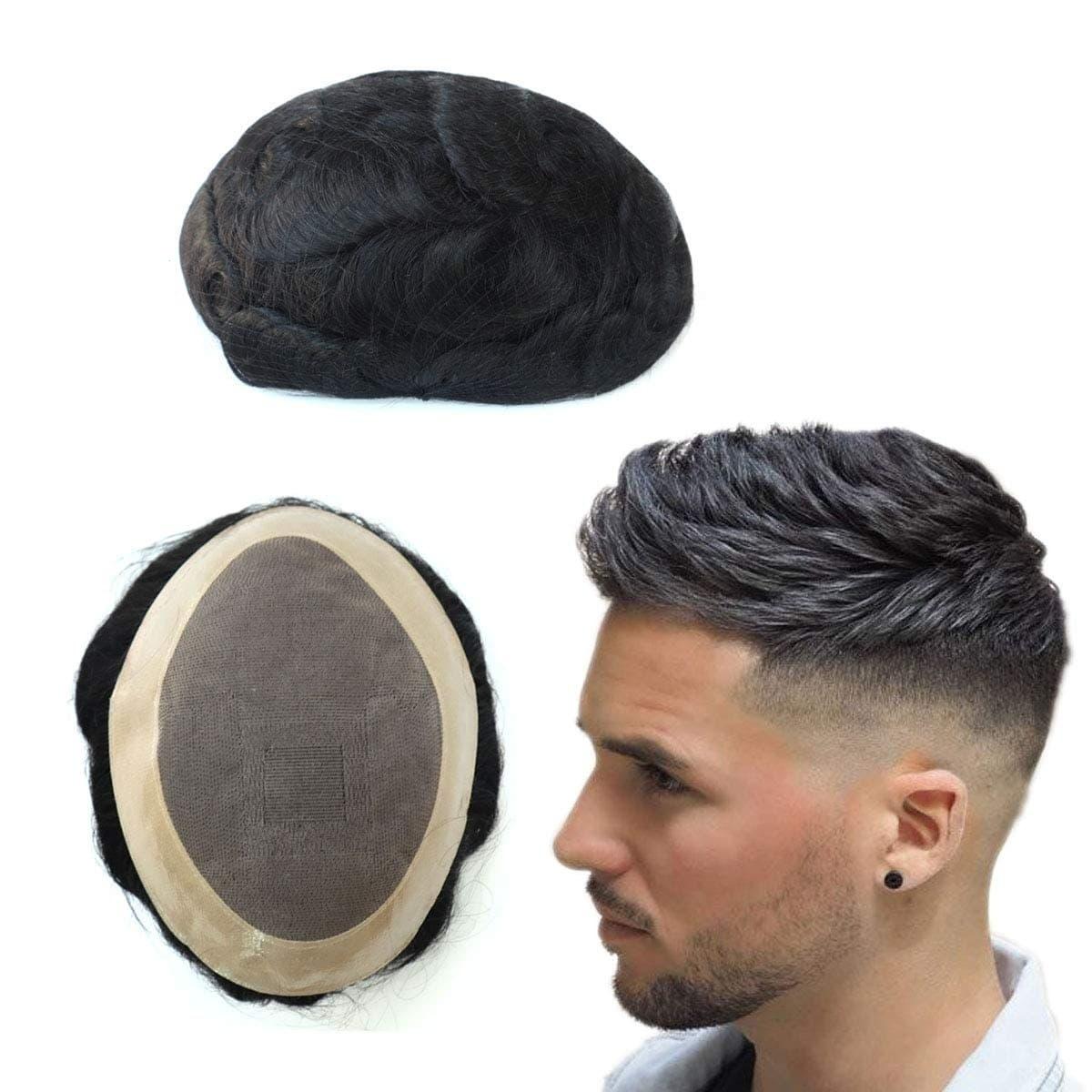 is primarily about flattening hair, choosing the right cap, and using the correct securing methods for your lifestyle. Whether you prefer braids, a low rolled bun, or wrap techniques, consistent practice and small adjustments will yield the most natural and comfortable wig wear.
FAQ
A: Yes. Use flat cornrows or multiple tight braids, choose a robust mesh cap, and consider a second thin cap for extra compression. Test a few methods to find the most comfortable approach for your density.
A: Both methods work. Clips and combs are less invasive and ideal for daily use; adhesives and tape offer superior hold for active days or windy conditions but require careful application and removal.
A: Flatten hair using braids, a rolled bun, or the wrap method; smooth the cap as you pull it on and use a thin second cap if needed. Choosing a low-volume wig base can also minimize bulk.
A: It's not recommended to sleep in a wig for prolonged periods as friction can damage both natural hair and wig fibers. Sleeping in just a soft satin cap is safer if you want to preserve your styling overnight.
Related products
Blog
- does karol g wear wigs — revealing the hairstyle tricks and backstage facts fans want to know
- why does laura woolley wear a wig and what it reveals about her style confidence and public image
- Why Is Bella Wearing a Wig in Eclipse - Behind the Scenes Reasons for Her Look and Emotional Impact
- Exploring why do judges wear wigs and the surprising syphilis myths behind courtroom tradition
- what is a synthetic wig - expert guide to types, care, styling and how to choose the right one
- does joanna lumley wear a wig Uncovered The Truth About Her Hairstyles Stylists and Photo Evidence
- How to Take Care of Synthetic Wigs - Essential Cleaning, Storage and Styling Tips for Longer Wear
- how to put a wig on for beginners - step by step cap prep, adhesive tips and natural styling tricks