
how to thin out a wig the easy way — 7 pro tips for natural-looking results
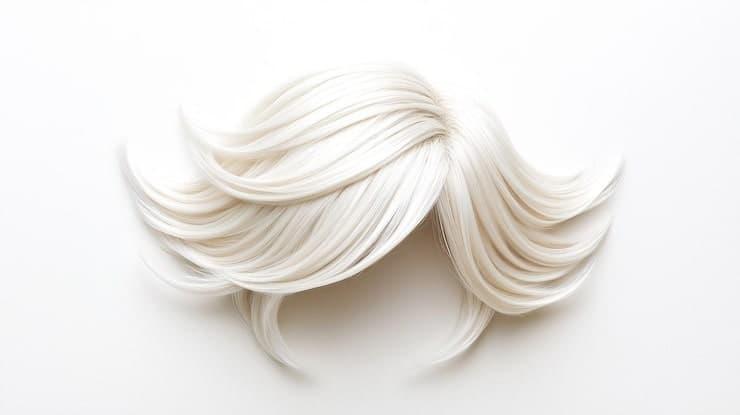
Natural-looking thinning: easy, pro-approved ways to reduce wig bulk
If you've ever stared at a new wig and wished it looked lighter, softer and more natural, you're not alone. This guide covers practical, step-by-step methods and professional tips on how to thin out a wig safely and effectively so that the finished look reads like real hair rather than a helmet. Whether your wig is synthetic, human hair, lace front or machine-tied, you'll find multiple approaches—from gentle texturizing to surgical-grade thinning shears—explained in plain language with SEO-aware emphasis on the target phrase how to thin out a wig to help you find this resource easily online.
Why thinning can make or break your wig's realism
Most wigs come with higher density than most heads naturally wear. Factory density can be great for volume on stage, but everyday wear benefits from reduced bulk at the crown, tapered sides, and a softer hairline. Learning how to thin out a wig isn't about removing random amounts of hair—it's about shaping, redistributing weight, creating movement and reducing shine that draws attention. A well-thinned wig sits more naturally, allows lighter styling, and pairs better with scalp-simulating foundations like lace or monofilament caps.
Core considerations before you begin
- Material: Human hair accepts cutting and thinning like natural hair; synthetic fibers can be thinned but can't be heat-styled unless heat-friendly.
- Cap construction: lace front or hand-tied caps benefit from delicate thinning around the hairline; machine-weft caps can handle more aggressive weight reduction but watch wefts to avoid gaps.
- Density goals: aim to remove 10–30% of visible density on the crown for a natural effect; avoid over-thinning near the parting unless you plan to re-knot or ventilate.
- Tools: invest in good thinning shears, a fine-tooth comb, a razor comb or straight razor with guard, clips to section, and a wig stand or mannequin head.
Recommended tools and why they matter
The right kit makes how to thin out a wig straightforward. Use high-quality thinning shears for controlled texturizing; a razor with a safety guard creates wispy ends and softens blunt sections; a pair of sharp hair-cutting scissors for blunt cuts; clips and a tail comb for clean sections; and a mannequin head with pins to stabilize the wig. If you're working on a lace front, a light pair of tweezers and a magnifying lamp help refine the hairline instead of removing bulk from the main density.
Method 1: Thinning shears — the pro's first choice
Thinning shears are scissors with notches that remove sections of hair without cutting a full blunt line. They are perfect for controlled, incremental thinning. Steps:
- Secure the wig on a wig stand and stretch the cap so the hair lies naturally.
- Start at the nape or mid-lengths, not the base. Use a comb to lift small vertical subsections (about 1/2 inch wide).
- Place the thinning shear about halfway to two-thirds down the length of the subsection; close once or twice depending on desired effect.
- Move across each section using light, intermittent cuts—less is more.
- Check symmetry frequently and step back from the mannequin to observe natural fall and how light passes through the hair.
Pro tip: When learning how to thin out a wig, practice on an inexpensive wig first. Thinning shears are forgiving because they remove less hair at a time; repeated, measured passes produce the softest, most natural results.
Method 2: Razor texturizing for wispy ends
A razor or a razor comb slices fibers to create soft, tapered tips that mimic natural hair shedding. This method is excellent for long wigs and layered cuts. Steps:
- Work on small sections and hold the hair away from the cap to avoid cutting too close to the base, especially on synthetic wigs.
- Run the razor lightly along the mid-lengths to ends at a 30–45 degree angle to create a feathered finish.
- Avoid heavy strokes; aim for several feather-light passes.
- If the wig is synthetic and non-heat-friendly, do not use a hot razor technique—only manual razoring is safe.
Note: Razor techniques can weaken synthetic fibers faster than shears, so apply sparingly to preserve longevity.
Method 3: Section-based weight removal
For wigs with dense crowns or thick wefts, remove weight by opening and selectively removing portions of weft tracks under surface layers. Steps:
- Interior thinning: flip the wig inside out (for machine-tied wig caps) and carefully snip small sections of the weft to reduce bulk, re-securing if needed.
- External layering: cut through a few surface wefts at an angle and blend with thinning shears.
- Test frequently by placing the wig on your head to evaluate hang and movement.
Caution: Never cut wefts on lace or hand-tied caps unless you understand ventilation patterns—accidental gaps can be difficult to repair.
How to thin out a wig at the hairline for the most realistic result

The hairline is where realism is won. For lace fronts, use tweezer plucking and soft thinning to recreate native hairline irregularity. Steps:
- Trim the lace and place the wig on your head or on a mannequin to identify the natural hairline.
- Work with a magnifier and tweezer: gently pluck a couple of hairs at a time—never yank. Patience is key.
- After plucking, use a toothbrush or spoolie and a little dry shampoo or baby powder to remove tacky shine and create scalp contrast.
- If the part looks too dense, use thinning shears parallel to the part line, removing small amounts until it reads natural.
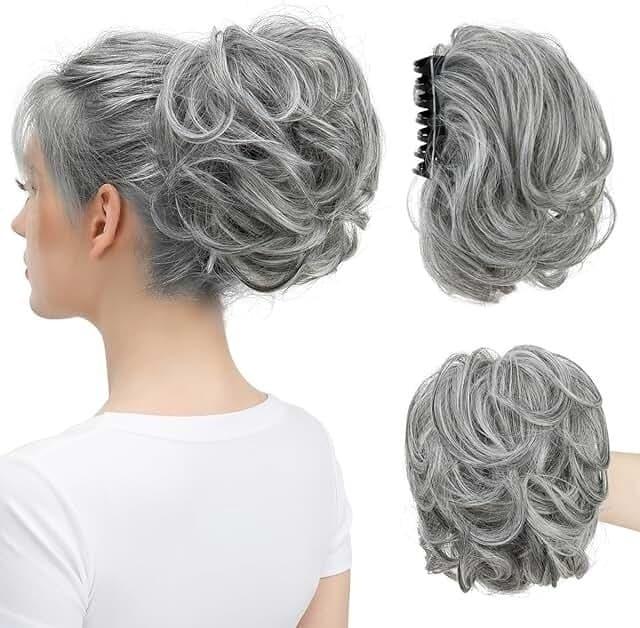
Blending layers with a haircut: making the cut look intentional
Thinning should look like a haircut, not damage. Use layered cuts to soften the silhouette: face-framing layers, long graduated layers at the back, and feathered ends will all help. If you plan an overall haircut, thin in tandem with the layering process—cut first, then thin to soften blunt edges and remove weight. Consider leaving a little extra length if you're experimenting; you can always remove more later.
How to thin out a wig depending on fiber type
Human hair: Treat like natural hair—heat styling, multiple thinning techniques, and professional shears are all acceptable. Use moisturizing products afterward.
Synthetic hair: Use only cool tools and conservative thinning. Synthetic fibers can fray or pucker if cut aggressively. Invest in a second cheap synthetic wig for practice.
Heat-friendly synthetics: Treat like human hair with caution—some heat styles are OK, but repeated high heat reduces fiber life.
Lace and monofilament caps: Thin surface density gently; avoid cutting cap base or wefts directly. When in doubt, use tweezing at the hairline rather than heavy internal thinning.
Common mistakes and how to avoid them
Knowing what not to do is as important as knowing how to thin out a wig. Mistakes to avoid:
- Over-thinning: If the cap peeks through or there are visible gaps, you removed too much. Repair can be costly.
- Thinning only at ends: This can create a chunky midsection; instead, remove weight at mid-lengths too.
- Using blunt scissors for texturizing: Standard scissors create blunt edges that reveal cut lines—use thinning shears or a razor for natural ends.
- Skipping symmetry checks: Always compare both sides and the crown in a mirror or from a distance.
Maintenance after thinning
After you thin your wig, maintain it for longevity. For human hair, use a gentle shampoo and conditioner and avoid daily heat. For synthetics, store on a stand to retain shape and brush with a wide-tooth comb or a paddle brush designed for wigs. Occasionally re-texturize with a razor to maintain feathered ends. Keep a small repair kit for loose wefts and re-tacking if necessary. Regularly rotate wigs to reduce wear on a single unit.
How to thin out a wig successfully often means thinking like a stylist: plan, reduce gradually, blend, and finish with products that enhance texture instead of weighing hair down.
At-home versus professional: when to book a stylist
Simple thinning and surface texturizing are doable at home if you take it slow and use the right tools. However, if you're working with an expensive human-hair lace wig, complex density reduction or weft surgery and resewing are best left to professionals who understand ventilation patterns and can preserve the base. If your goal is a major style change or an asymmetrical cut, consult a wig stylist to avoid irreversible mistakes.
Budget tip: Booking a consultation to get a professional to do the initial heavy work and then learning minor maintenance at home can be the most cost-effective path.
Styling and products that enhance thinned wigs
After thinning, use lightweight styling products to enhance movement. Sea salt spray or texture spray gives natural separation; lightweight serums on human hair can smooth frizz without adding weight; dry shampoo adds scalp-like matte texture for lace wigs. Avoid heavy oils or creams that bring back the bulky look you worked to eliminate. Use heat-protectant sprays when styling human hair wigs and set synthetic pieces with cool tools only.
Step-by-step quick plan: a simple at-home routine
1) Place the wig on a stand and brush gently to remove tangles.
2) Decide where the bulk feels heaviest when the wig is on your head (crown, sides, nape).
3) Use thinning shears on 1/2" vertical subsections—a few short snips per subsection.
4) Razor the ends with light strokes for soft tips.
5) Reassess on your head, touch up sparingly, and blend with scissors if necessary.
6) Style and finish with light products.
Repeat steps 3–5 in small increments; remember that restoring removed hair is impossible.
Visual cues of success
You know you've done how to thin out a wig correctly when the wig:
- Has natural light passing through the roots rather than an opaque block of hair.
- Sits close to the scalp without excess bulk at the crown.
- Allows realistic parting without visible cap patches.
- Has tapered ends that move independently rather than in a sheet.
Repair and reinforcement after aggressive thinning
If you overdo it or open a weft, fix it by re-wefting or using weft tape and a curved needle to resew tracks. For lace, if too many hairs are removed from the hairline, a pro can ventilate (re-knot) new hairs to recreate a natural line. Keep a repair budget if you experiment with advanced thinning techniques; small repairs extend wig life and maintain realism.
How to thin out a wig: a checklist before you start
• Proper tools on hand (thinning shears, razor, combs, clips).
• Wig anchored on a stand and stretched to mimic head shape.
• Clear vision of desired density and reference photos.
• Patience and time; set aside at least an hour for a careful job.
• Backup wig for practice if you're inexperienced.
How to thin out a wig: final professional tips
1. Work in natural light when possible—it reveals density issues better than artificial light.
2. Take photos at intervals so you can compare before and after objectively.
3. When in doubt, remove less rather than more; it's much easier to go back for a second pass than to add hair.
4. Use product strategically: powders and sprays can create the appearance of density in places you want it, while smoothing serums can reduce visible bulk.
5. If your wig has a structured cap, consult the manufacturer or a pro to avoid voiding any warranty.
Quick summary of methods
Thinning Shears: gradual, controlled, best for beginners and professionals alike.
Razor Texturizing: creates airy ends; use sparingly on synthetic hair.
Weft Thinning: removes internal bulk but risks gaps—use cautiously.
Tweezer Plucking: essential for lace front hairlines to recreate natural irregularity.
Professional Re-ventilation: recommended for costly lace pieces when density reduction must be precise.
Extra creative approaches
Mix methods: start with weft thinning for internal weight reduction, follow with thinning shears for surface blending, and finish the hairline with gentle plucking and a fine razor for wisps. For color-dense wigs, using lowlights or babylights can visually reduce density by creating depth without cutting more hair. Remember, visual tricks combined with minimal cutting often yield the most convincing, low-risk results.
Conclusion
Mastering how to thin out a wig is less about quick hacks and more about measured, informed steps: choose the right tools, identify problem areas, remove weight strategically, and always blend. With patience and practice, even beginners can transform bulky, artificial-looking wigs into soft, natural styles that compliment facial features and enhance everyday wear. If you value time and longevity, consider starting with a consultation for high-end wigs and practicing on inexpensive units first.
FAQ
- Q: Can I thin a synthetic wig the same way as a human hair wig?
- A: You can thin synthetic wigs, but be more conservative. Use thinning shears and manual razors only; avoid heat tools unless the fiber is heat-friendly. Test cuts on an inside section first.
- Q: How much should I thin my wig for a natural look?
- A: It depends, but removing about 10–30% of visible density in targeted areas (crown, sides) is common. Focus on reducing bulk, not length; feather ends to preserve movement.
- Q: What if I make a mistake and thin too much?
- A: Small over-thinning can be camouflaged with styling and product. For major gaps or weft damage, seek a professional repair service; they can reweft or ventilate lace to restore density.
Related products
Blog
- Can You Sleep in a Human Hair Wig - Expert Overnight Tips to Protect Your Wig and Scalp
- et in wig Styling Guide 2025 - Top Wig Trends and How et in wig Elevates Your Look
- where to buy lace front wigs – 12 top online retailers, real hair options and smart buying tips
- can i make a wig from my own hair DIY step-by-step guide for realistic results, supplies, cost and styling tips
- how to spike wigs made easy — step by step guide with tools and pro styling tips
- why do uk judges wear wigs explained history symbolism tradition and the modern debate
- Wigs for Kids Guide to Safe, Comfortable Styles and Easy Care
- 5 Simple Steps on how to wash a synthetic wig without wig shampoo and Keep Fibers Soft