
Wigs for Kids Guide to Safe, Comfortable Styles and Easy Care
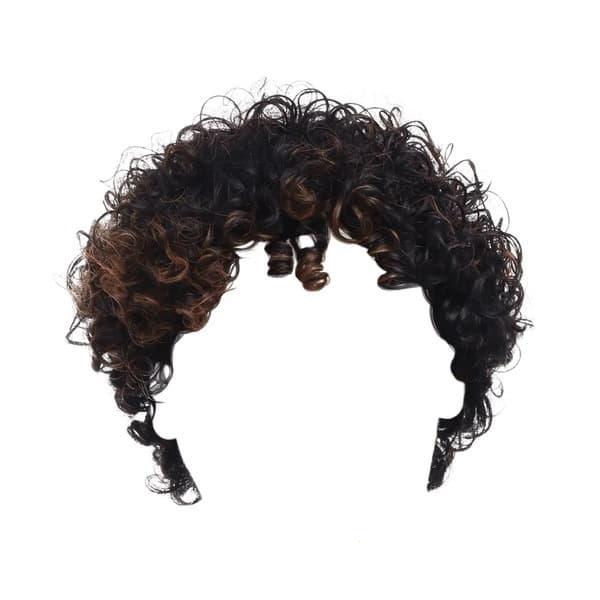
A practical parent’s handbook to safe, comfortable children's hairpieces
Choosing a hairpiece for a child can be joyful and stressful at the same time. Caregivers and guardians looking into wigs for kids need to balance safety, comfort, aesthetics, and easy upkeep. This guide explains how to pick materials, understand sizing, maintain delicate pieces, and make everyday decisions that prioritize a child's wellbeing while keeping style options open. The words used here aim to empower you with practical steps, thoughtful tips, and actionable routines to make wearing a child’s hairpiece both pleasant and safe.
Why prioritize safe materials and snug fit?
When researching wigs for kids, one of the first considerations should be the construction and materials. Children's scalps are sensitive and their activity levels are high; therefore, breathable caps, soft linings, and hypoallergenic fibers are essential. A secure yet comfortable fit reduces friction, prevents slippage during play, and helps avoid skin irritation. Lightweight designs prevent neck strain and ensure that younger wearers can keep them on for reasonable stretches, which is important for social situations like school, events, or family outings.
Types of hair fibers: synthetic, human hair, and blends
Synthetic fibers are commonly chosen for their affordability, ease of styling out of the box, and lively color options. Modern heat-friendly synthetic styles mimic real hair movement and can be lower maintenance. However, not all synthetics are created equal; for children, pick high-quality fibers labeled non-toxic and heat-resistant only if you plan to use styling tools carefully.
Human hair pieces offer the most natural look and feel, handle heat styling like real hair, and can be cut to suit a child’s face. They require more care—shampooing, conditioning, and careful drying—but often last longer with proper maintenance. Blended options combine benefits of both: affordability and a more natural texture than basic synthetics.
Cap constructions and what they mean for comfort
The cap is the part that contacts the scalp. For kids, look for features like: soft stretch lace for a gentle fit, open wefting to improve airflow, and a silicone or suede front to reduce slipping without tight straps. Adjustable straps can help fine-tune the fit as a child grows, but avoid overly tight closures. Many modern children’s hairpieces include built-in comfort liners to prevent itching. Always measure head circumference accurately to choose the right size.
How to measure for the perfect fit
Wrap a soft measuring tape around the head, about an inch above the eyebrows and ears and around the largest part of the back of the head. Record the measurement in centimeters or inches, then consult size charts supplied by manufacturers. For younger kids, allow a little room for growth and prefer adjustable features. If the scalp is delicate—due to medical conditions or recent treatments—discuss sizing with a restorative hair specialist to ensure the cap will not rub or press on tender areas.
Safety considerations and hypoallergenic options
When evaluating wigs for kids, prioritize hypoallergenic materials. Labels that mention nickel-free clips, lead-free dyes, and formaldehyde-free adhesives are indicators of higher safety standards. Patch-test adhesives and tapes on a small area of skin before full use, and avoid strong-smelling glues that might cause nausea. If a child has known allergies, consult a dermatologist to assess potential reactions to dyes, glues, or fiber blends. For children undergoing medical treatments, lightweight medical-grade caps designed to be gentle on fragile scalps are often recommended.
Styles that stay put during play
Active children benefit from secure but comfortable attachment methods. Options include: elastic bands inside the cap, soft chin straps for toddlers, non-slip silicone bands on the nape, and discreet combs or sewn-in clips for older kids with some natural hair. When selecting styles, balance fashionable looks with practicality—short bobs, layered cuts, and braided looks can be easier to manage than long lengths that tangle during recess. For very young or highly active children, shorter styles or securely fixed pieces reduce constant adjusting.
Care and maintenance made simple
Regular, gentle care extends the life of a child’s hairpiece and keeps it hygienic. For most wigs for kids the routine includes: gentle detangling with a wide-tooth comb, washing with sulfate-free or specially formulated wig shampoos, and air drying on a wig stand to preserve shape. Avoid everyday heat styling on synthetic fibers; if heat-styling is necessary, ensure the fiber is labeled heat-friendly and use low temperatures. Human hair pieces should be conditioned regularly and deeply conditioned when needed to prevent dryness. For kids, maintain a cleaning schedule compatible with their activity level—every 1-2 weeks for regular wear, or more often after sports and excessive perspiration.
Detangling and brushing tips
Use a wide-tooth detangling comb or a specialized wig brush designed to reduce breakage. Start at the ends and work upward in short, gentle strokes. Apply a leave-in conditioner or detangling spray suitable for the fiber type to make combing easier. Store longer styles on a stand or in a silk-lined box to prevent mats. For braided or styled pieces, refresh the style rather than repeatedly combing, which reduces fiber stress.
Washing step-by-step
Fill a basin with cool to lukewarm water, add a small amount of wig shampoo, and submerge the piece gently. Swish without rubbing, soak for a few minutes, rinse thoroughly, and apply a conditioner designed for wigs or human hair depending on the product. Rinse again in cool water to seal the cuticle. Press excess water out with a towel—do not wring—and place on a wig stand to air dry. For children, keep washing sessions calm and short; involve them by letting them choose a towel or a light scent-free conditioner suitable for sensitive skin.
Storage, travel, and on-the-go care
Proper storage prevents deformation and tangling. Use a breathable bag or a wig stand when storing at home. For travel, pack a soft satin storage pouch and a folding wig stand or secure the piece inside a protective box. Carry a small grooming kit with a detangling spray, a wide-tooth comb, extra clips, and a labeled pouch for adhesives if the style needs reattachment. Teach older children simple touch-up routines so they can manage their look independently when at school or camp.
Attachment systems and adhesives—what to choose
Attachment options range from clips and combs to medical-grade adhesives and tapes. For temporary or everyday usage, sewn-in combs and elastic bands are convenient and low-risk. For longer-term wear or styles requiring a very natural hairline, medical adhesives are available but should be used under guidance and after patch testing. Regluing should be handled carefully and removed with approved solvents to avoid damaging the scalp or the hairpiece. If you are uncertain, seek professional fitting from a certified stylist or a hospital-based wig consultant.
Age-specific recommendations
Toddlers and preschoolers do best with lightweight, short styles with soft linings and secure but gentle straps. School-age children can explore more style variety—longer cuts, colors, and layered looks—while maintaining breathable caps. For teenagers, the widest range of fashion-forward options become suitable, including human hair and complex styling techniques, provided the care routine is understood and followed. Always tailor the choice to lifestyle: frequent sports, sensitivity, and social settings should guide the final selection.
Color and styling ideas while keeping it natural
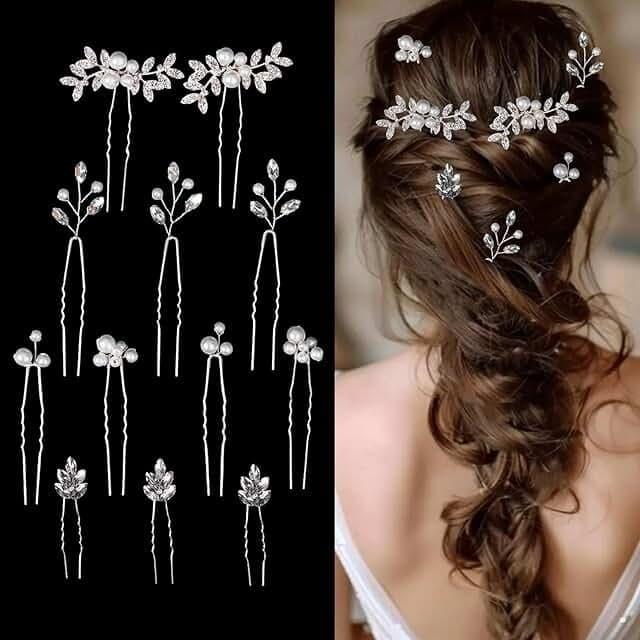
Subtle color blends and natural tones reduce the risk of unwanted attention and offer a realistic appearance. Ombre effects or soft highlights can be a playful choice for older children but select washable, non-toxic dyes and consult manufacture guidance for coloring synthetic or human pieces. For everyday simplicity, neutral browns, soft blacks, and light blondes are versatile. Accessories like headbands, soft scarves, and clips can personalize looks without permanent styling changes.
Shopping tips: online vs in-person
In-person fittings allow measurements, immediate adjustments, and tactile checks for softness and weight. Many specialty shops and hospitals provide try-on sessions and can recommend medical-grade options. Online purchases offer wider selections and price ranges; when buying online, check return policies, sizing charts, fiber details, and read reviews from caregivers of similar-aged children. If you purchase online, pick sellers with clear customer support and measurement guides, and consider ordering two sizes or styles to compare at home.
Budgeting and value considerations
Decide if you want a cost-effective synthetic piece that’s easy to replace or a higher-investment human hair piece that can be maintained for years. Factor in long-term costs: cleaning supplies, storage accessories, professional adjustments, and potential repairs. Many families create a small kit for upkeep—special shampoo, a stand, a comb, and spare clips—that minimizes unexpected costs and keeps the hairpiece in better condition, thereby maximizing value over time.
Customization and tailoring services
Tailoring a hairpiece—trimming bangs, shaping layers, or adding a natural hairline—can make a big difference in comfort and appearance. Seek stylists who are experienced with children's hairpieces and comfortable working with delicate caps. Custom linings and breathable inserts can be added to reduce rubbing and allow for better ventilation. Also consider options for detachable bangs or layers so looks can be modified without altering the entire piece.
How to help a child adjust emotionally to wearing a hairpiece
Open conversation is essential. Explain the purpose of the hairpiece in a positive and age-appropriate way. Encourage choice—letting the child pick style details or accessories increases ownership and confidence. Create milestones for wearing, such as a trial at home, followed by a short outing, then longer events, so the child gradually adapts. Praise and normalizing language are powerful tools: focus on the fun aspects of styling and caring for their hairpiece to build a routine that’s empowering rather than stressful.
Common myths dispelled
- Myth: Children can’t be active with hairpieces. Fact: With the right fit and secure attachment, many children wear pieces comfortably during play and sports.
- Myth: All synthetics are itchy. Fact:
 High-quality synthetics with soft linings can be very comfortable and are often the best option for sensitive scalps.
 - Myth: Wigs are unhygienic. Fact: Proper washing and storage keep pieces clean and safe; they can be more hygienic than neglected natural hair.
When to seek professional help
If you notice persistent skin irritation, allergic reactions, or consistent slippage despite correct sizing, consult a dermatologist or a professional wig fitter. For medical hair loss, restorative hair specialists affiliated with hospitals or cancer support organizations can provide tailored solutions and access to medical-grade options that prioritize safety and comfort.
Resources and support networks
Look for community groups, hospital programs, and online forums where other caregivers share experiences with wigs for kids. Nonprofit organizations often offer free consultations, financial assistance, or donation programs for pediatric hairpieces. These networks can provide emotional support, practical tips, and vendor recommendations.
Final checklist before buying
- Measure head circumference accurately.
- Choose breathable cap construction and hypoallergenic materials.
- Decide on fiber type based on lifestyle and budget.
- Test attachment methods and adhesives if needed.
- Plan for a simple care routine and storage solution.
- Seek professional fitting for medical or sensitive situations.
By focusing on safety, comfort, and manageable care routines, caregivers can help children enjoy the benefits of wearing a hairpiece without unnecessary complications. Thoughtful selection and ongoing maintenance allow young wearers to express themselves and participate fully in daily life. Remember that the best choice is one that fits well, feels gentle on the scalp, and is easy for families to keep clean and comfortable.
FAQ
Q: How often should a child's hairpiece be washed?
A: For regular daily wear, washing every 1-2 weeks is typical; wash more frequently after heavy sweat or exposure to dirt. Use mild products designed for the specific fiber.
Q: Are there wig options specifically designed for very young children or infants?
A: Yes, some manufacturers offer medical-grade caps and lightweight infant-friendly pieces with soft linings and secure but gentle attachments. Always consult pediatric specialists when needed.
Q: Can adhesives harm a child's sensitive skin?
A: Some adhesives can cause irritation; always patch-test and use medical-grade, hypoallergenic products. Professional application and removal reduce risk.
Related products
Blog
- how to wear wig with long hair made easy - 9 pro tips for a seamless, natural look
- how to detangle a synthetic wig with ease - expert tips, gentle tools and a quick care routine
- can wigs damage your hair — expert myths vs facts and top tips to protect your scalp
- does jane pauley wear a wig Debunking the Rumors with Photos, Expert Insight and a Timeline of Her Hairstyles
- Explore wig shop boston for Trendy Human Hair Wigs, Expert Fittings and Local Services
- how to detangle wigs without damage using gentle brushing and conditioning tips for silky tangle free results
- 10 Pro Tips for Choosing, Styling and Maintaining a Blonde Lace Front Wig That Looks Naturally Flawless
- How to Put Long Hair Up for a Wig - 9 Simple Step by Step Tricks to Secure, Braid and Smooth Natural Hair