
how to restore a synthetic wig naturally and professionally with easy cleaning repair and styling tips
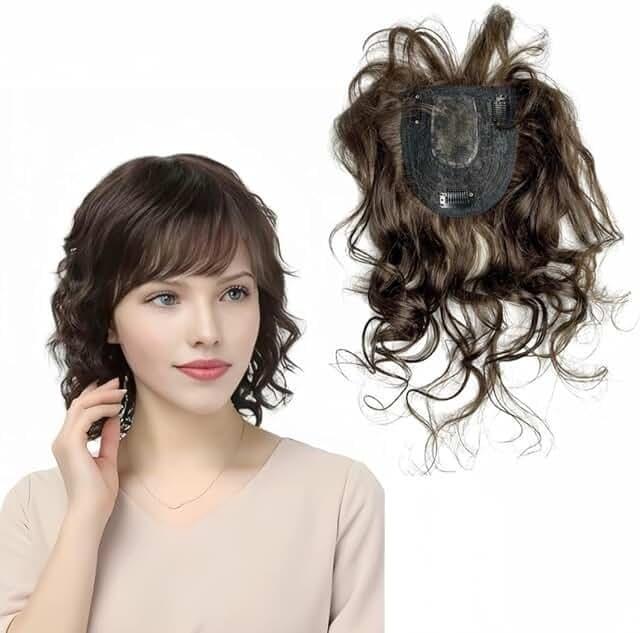
how to restore a synthetic wig: an expert, natural and professional approach
If you're wondering how to restore a synthetic wig so that it looks fresh, soft and manageable again, this comprehensive guide walks you through safe cleaning, gentle repairs, and realistic styling methods that combine natural home remedies with professional techniques. The goal is to help you revive synthetic hair fiber without unnecessary heat damage, preserve color and shape, and extend the life of your wig with easy-to-follow maintenance routines. Below you'll find a step-by-step restoration roadmap, product-friendly alternatives, troubleshooting advice, and styling tricks that are practical for both at-home enthusiasts and salon-level caretakers.
Why restoring synthetic wigs requires special care
The synthetic fibers used in wigs — typically kanekalon, toyokalon, or newer heat-resistant blends — behave differently than human hair. They are more prone to frizz, matting and permanent shape changes when exposed to high heat or harsh chemicals. Understanding the material helps explain why the methods below emphasize low heat, gentle cleansers, and reconditioning agents. When searching or optimizing around the phrase how to restore a synthetic wig, it's helpful to highlight that restoration is both an art and a science: mechanical detangling, fiber-friendly cleansing, and professional re-knotting/ventilating are all part of comprehensive care.
Overview: stages of restoration
- Initial assessment: identify fiber type, cap construction, and extent of damage.
- Cleaning and odor removal: remove oils, product buildup and contaminants.
- Detangling and smoothing: careful comb-through and conditioning to restore shine and slip.
- Repair and reshaping: fix cap issues, re-knot where needed, trim or thin fibers for a natural silhouette.
- Styling and finishing: set the style using low-heat steam, rollers or cold-set techniques.
- Maintenance plan: storage, gentle washing schedule, and product recommendations.
Assessment: before you begin
Start by gently inspecting the item for: shedding, bald patches, loose wefts, frizzed fiber, scalp stains, and the wig cap's elasticity. If you see excessive shedding or base damage, professional repair might be required. For surface tangling and dullness, most synthetic wigs can be rejuvenated at home. Always test any remedy on a small inconspicuous area first to confirm colorfastness and fiber reaction. This pre-check step is essential when learning how to restore a synthetic wig without causing further harm.
What you'll need (safe, often natural ingredients)
The following list balances accessibility and fiber-safety: baby shampoo or a mild sulfate-free cleanser, a gentle conditioner or fabric-softener dilution, white vinegar for odor and residue removal, baking soda for deep cleaning (used sparingly), a wide-tooth comb, loop-handle brush designed for wigs, microfiber towel, spray bottle, spray-on detangler (or diluted leave-in conditioner), garment steamer on low, foam wig stand or mannequin head, sewing kit for cap repairs, small scissors, and optional: wool rollers or velcro rollers for setting. Natural additions: a teaspoon of glycerin or aloe vera (diluted) can help restore pliability, while a few drops of essential oil added to storage can freshen without saturating fibers.
Step-by-step restoration process
- Gently detangle pre-wash: Lay the wig on a flat surface or stand. Beginning at the tips, carefully finger-detangle then use a wide-tooth comb to work upward to the roots. Hold the base close to the cap to avoid pulling out fibers. This reduces stress during washing.
- Pre-soak for heavy residue: For product buildup or smoke odors, fill a basin with cool to lukewarm water and add one tablespoon of baby shampoo per liter (or follow gentle cleaner directions). Submerge the wig and allow a light soak for 5–10 minutes. Avoid agitating, which causes felting.
- Use a two-stage wash: Rinse thoroughly with cool water. Refill basin with clean water and a teaspoon of white vinegar to remove residue and restore pH balance; swirl gently and rinse. Vinegar acts as a natural fabric softener and clarifier—perfect for how to restore a synthetic wig at home naturally.
- Condition and rehydrate: Use a small amount of silicone-free conditioner or diluted fabric softener as a leave-in detangler. Work evenly through the mid-lengths and ends. For a natural approach, dilute aloe vera gel with water and apply lightly to add slip and shine.
- Pat dry, never wring: Gently blot excess water with a microfiber towel. Place the wig on a foam mannequin head to air-dry away from direct sunlight. Use minimal towel friction to avoid raising the cuticle of synthetic fibers.
- Professional steaming and reshaping: If the wig needs reshaping, use a garment steamer on a low setting from a safe distance to relax fibers, then set with rollers or pins on the head form to achieve the desired silhouette. Never use flat irons above the manufacturer's recommended temperature; many synthetics will melt.
Natural home remedies that actually help
Many restorative methods use household items safely: a diluted fabric softener soak restores softness (mix 1 part softener to 3–4 parts water); white vinegar (1–2 tbsp per liter) breaks down buildup and neutralizes odors; glycerin in tiny amounts (less than 1 teaspoon per cup of water) helps with moisturization and reduces static; and a mild baking soda paste can remove stubborn grime but should be used sparingly and rinsed well. These natural tricks answer the common query of how to restore a synthetic wig using gentle, accessible ingredients.
Fixing specific problems
Matting and heavy tangles
For severe matting at the nape or crown, apply a detangling solution, let it penetrate for a few minutes, then carefully tease the mass apart with fingers before combing. If the mat is at the base near the cap and contains oils or sweat, a professional might need to cut and reattach a section of weft or re-ventilate the area. Home attempts should be cautious to avoid cutting too high into the fiber.
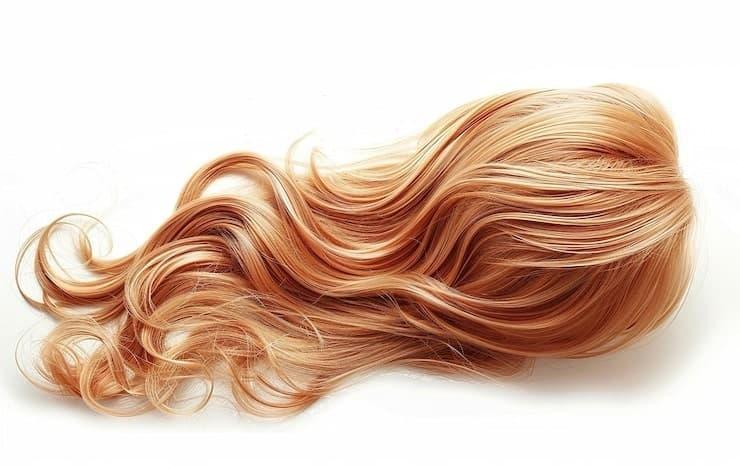
Frizz and fuzz
Light frizz responds well to a diluted silicone-free serum or a very light spritz of leave-in conditioner. Cold water rinses and vinegar clarifies can close fiber surface and reduce fuzz. Avoid heavy oils that attract dust.
Loss of style or curl pattern
Many synthetic fibers can be re-set using cold-setting techniques: wrap damp hair around foam rollers and allow to dry completely, then remove. For synthetic wigs labeled heat-resistant, a low-temperature styling iron may be used cautiously per manufacturer instructions. Otherwise, steaming and roller sets are preferred.
When to seek professional help
Take the wig to a specialist if there's cap damage, large-scale shedding, detached lace fronts, or if you need re-ventilating (re-knotting) and color corrections. Pros have specialized tools and replacement fibers and will often perform an assessment to estimate repair costs versus replacement. For complex restoration, professional rehairing or re-blocking is often more cost-effective than repeated DIY repairs.
Long-term care and preventive maintenance
Prevention extends how long your efforts last. Wash only when necessary (every 10–15 wears for daily use, less for occasional use). Always detangle before washing, store on a wig stand away from humidity and sunlight, and avoid sleeping in synthetic wigs. Use satin-lined storage or breathable covers. For daily styling, use products formulated for synthetics: low-residue leave-in sprays, anti-static products, and alcohol-free setting sprays. The phrase how to restore a synthetic wig should include maintenance tips because restoration once done must be protected to maintain results.
Professional restoration techniques summarized
At salon level, technicians may: re-knot or ventilate to replace missing strands, re-block or re-shape using professional steamers and mannequin blocks, replace damaged lace fronts, reinforce weakened wefts, and perform color toning with safe dyes for synthetic fibers. They also apply professional-grade restoring agents and silicone-based conditioners sparingly to restore slip without weight. These advanced options are essential for high-end or custom pieces where DIY falls short.
Styling tips to make restored wigs look natural
- Thin the bulk near the hairline using point-cutting techniques rather than blunt cuts for a softer finish.
- Use short layering around the face to mimic natural fall and movement.
- Cold-set curls or low-heat steam sets hold better than high-heat tools on many synthetic fibers.
- Apply minimal product: a light mist of synthetic-safe shine spray enhances appearance without weighing fibers down.
Common mistakes to avoid
- High heat: never assume all synthetics are heat-resistant—check labels.
- Over-washing: this strips protective finishes and causes dryness.
- Aggressive brushing when wet: this causes fiber stretch and breakage.
- Using oil-heavy products: they attract dust and cause matting.
SEO tip: when creating content or guides about how to restore a synthetic wig, integrate step-by-step headings, action-oriented lists, and optimized captions to increase relevance and user value—search engines favor helpful, structured content.
Cost and time estimates for typical restorations
Minor at-home restoration (deep clean, detangle, set): 1–3 hours and minimal expense (under $20 for products you may already own). Moderate professional restoration (re-shaping, partial re-knotting, steam setting): half-day to full-day and $50–$200 depending on complexity. Major rebuilds (full rehair, lace replacement): several days and potential hundreds of dollars. Consider the wig's sentimental or monetary value when deciding between DIY and professional services.
Eco-conscious restoration choices
Natural cleaning agents like white vinegar and mild plant-based shampoos reduce chemical runoff. Reconditioning with biodegradable, silicone-free products helps sustainability. When replacing fibers, ask your professional about recycled or sustainably sourced fiber options. Proper maintenance reduces waste by prolonging usable life—an important factor when answering how to restore a synthetic wig in an environmentally friendly way.
Final checklist before finishing
- Washed, conditioned and fully dry.
- Detangled and trimmed for a clean silhouette.
- Set or steamed to desired style.
- Inspected for cap integrity and repaired where necessary.
- Stored correctly on a stand with a dust cover or in a breathable bag.
With patience and the right methods, you can restore softness, manageability and natural movement to most synthetic wigs while avoiding common pitfalls. Reinforcing the keyword phrase how to restore a synthetic wig across headings and in descriptive text increases the discoverability of this guide and helps users quickly find actionable steps.

If you want a concise protocol: detangle, soak in mild solution, rinse with vinegar solution, condition lightly, air-dry on a block, steam or roller-set for shape, and protect with synthetic-friendly styling products.
Optional pro-grade products and tools
Recommended items: a low-temperature garment steamer, foam wig block, precision ventilating needle (for professionals), synthetic hair conditioner, silicone-free leave-in, spray-on detangler, wide-tooth comb and loop-structured wig brush. Brand mentions are avoided here to keep guidance evergreen and objective.
Whether you choose a natural at-home approach or partner with a professional stylist, understanding the fiber type, being conservative with heat, and following a restoration roadmap will yield the best long-term results.
FAQ:
Q: How often should I wash a restored synthetic wig?
A: Typically every 10–15 wears; more often if exposed to heavy styling products, sweat or environmental pollutants.
Q: Can I use a curling iron on a synthetic wig?
A: Only if the wig is explicitly labeled heat-resistant; otherwise use steam or cold-setting rollers to avoid melting fibers.
Q: Will vinegar damage color?
A: Diluted white vinegar used briefly and rinsed is generally safe and helps remove residue; always spot-test first.
Related products
Blog
- how wigs work and how wigs can transform your style with easy step by step care and styling tips
- what is monofilament wig explained — an easy guide to benefits, fit, care and styling for a natural looking finish
- Quick step by step tips on how to cut the lace on a wig for a natural hairline and flawless finish
- where is wigan located A clear guide with maps distances from Manchester and Liverpool plus travel tips
- how to detangle wigs without damage using gentle brushing and conditioning tips for silky tangle free results
- how to trim a lace front wig step by step at home expert tips for a flawless finish
- why did colonists wear wigs uncovering fashion status and hygiene in early America
- what is lace front wigs explained — a practical guide to types, styling and care