
how to remove glue from lace wig safely - step by step DIY methods to protect your lace and hair
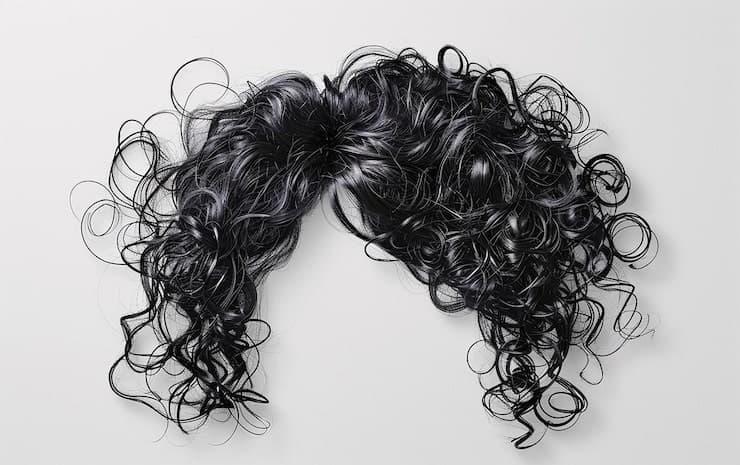
How to remove glue from lace wig: gentle, effective step-by-step guidance
If you've ever struggled with sticky residue along the lace hairline, you know that removing adhesive the right way matters for longevity and appearance. This long-form guide explains safe DIY ways to remove glue from lace wigs, helping you protect delicate lace, avoid hair loss, and keep your wig looking natural. The approaches below are practical for at-home care, whether you're dealing with dried wig glue, lace tape residue, or stubborn adhesive patches.
Why careful removal matters
Not all adhesives are the same. Some removers and solvents can dissolve lace fibers, weaken knots, or cause discoloration. When you learn how to remove glue from lace wig bases safely, you minimize the risk of tearing the frontal, stretching lace, or loosening hand-tied knots. The goal is to dissolve or loosen the adhesive without aggressive scrubbing, excessive heat, or harsh chemicals that can damage the wig or irritate your skin.
Overview of methods (what you can try)
- Oil-based removers: natural oils (coconut, olive, baby oil) or commercial oil formulas that break down adhesive gradually.
- Alcohol or solvent-based removers: isopropyl alcohol (70%–99%), alcohol wipes, or special adhesive solvent pads designed for wigs.
- Commercial wig adhesive removers: products formulated for lace wigs that remove glue safely when used per instructions.
- Gentle mechanical removal: using tools like a wooden edge tool, soft toothbrush, or tweezers carefully after the adhesive softens.
Common adhesives and how they respond
The most common adhesives are lace wig glue (waterproof liquid adhesives), lace tape, and styling glues. Water-based adhesives are generally easier to remove with warm water and gentle oil; long-wearing glues or solvent-based adhesives may require a specialist remover or isopropyl alcohol. Always test a small area on the lace or inner cap before full treatment.
Safety first: precautions before you remove glue
- Work on a clean, flat surface with good lighting.
- Use gloves if you are sensitive to chemicals or solvents.
- Ventilate the room when using strong solvents like high-concentration alcohol or commercial removers.
- Never soak lace in acetone or nail polish remover containing acetone — acetone can damage lace and fade hair color.
- Perform a patch test: apply a small amount of the remover to an inconspicuous section of lace and wait 10–15 minutes to check for damage.
Tools and supplies you'll want on hand
- Cotton pads and cotton swabs (Q-tips)
- Soft, clean toothbrush or wig brush
- Wooden or plastic edge tool (avoid metal that can tear lace)
- Microfiber towel
- Natural oils: olive oil, coconut oil, almond oil, or baby oil
- Isopropyl alcohol (70% or 91%) or adhesive removal wipes designed for wigs
- Mild clarifying shampoo, sulfate-free conditioner
- Spray bottle with warm water
- Blow dryer on low heat (optional, for softening adhesives)
Step-by-step methods
Method A — oil-based breakdown (best for tape and water-based glues)
Oil-based removers are gentle and ideal when you're learning how to remove glue from lace wig without risking lace wear. This is a top recommendation for delicate units or when the glue hasn't fully cured into a rock-hard residue.
Step 1: Prepare
Place the wig on a mannequin head or hold securely. Warm a small amount of coconut or olive oil in your hands to make it more fluid. Never over-soak the lace; the idea is to penetrate the adhesive, not to saturate the cap.
Step 2: Apply oil to the glued areas
Use a cotton swab to apply oil directly to the glue line and residue. Allow the oil to sit for 5–20 minutes depending on how stubborn the residue is. Reapply if the area dries out. Oil helps dissolve many adhesives' bonds and loosens tape residues.
Step 3: Gentle removal
After the oil has had time to penetrate, use a wooden edge tool or your fingers to gently lift softened glue. Use a soft toothbrush to brush away tiny bits of residue. Avoid aggressive pulling. Repeat oil application and brushing until the glue lifts away.
Step 4: Clean and condition
Once the glue is removed, wash the lace gently with a mild clarifying shampoo to remove oil residue, then apply a lightweight conditioner to restore softness. Rinse thoroughly and air dry on the mannequin head.
Method B — alcohol or solvent wipes (for persistent adhesive)
Isopropyl alcohol can help when oil fails, but it should be used with caution. For those asking specifically how to remove glue from lace wig remnants left by long-wear adhesives, alcohol-based techniques can be effective.
Step 1: Dilute if necessary
If you're nervous, start with 70% isopropyl alcohol. Higher concentrations work faster but can be drying. Keep a damp cloth nearby to neutralize if needed.
Step 2: Spot treatment
Soak a cotton pad with alcohol and press gently against the glue for 10–30 seconds to dissolve the adhesive. Do not rub vigorously; blot and then let the solvent work. Use cotton swabs for delicate edges.
Step 3: Mechanical removal
Once the glue softens, use a soft toothbrush or wooden tool to lift residue. Use small, careful motions to avoid tearing lace. If the adhesive resists, repeat solvent application — patience is better than force.
Step 4: Neutralize and clean
After removal, wash the wig with a gentle shampoo to remove alcohol traces, then condition. Alcohol can dry out human hair wigs, so a good conditioning step is essential.
Method C — commercial adhesive removers (fast but follow instructions)
There are products made specifically for lace and wig adhesives. Many claim to remove glue quickly without harming lace. If you choose a commercial remover, ensure it is labeled safe for lace wigs and human hair. Follow the product's directions carefully, always perform a patch test, and avoid letting remover sit longer than recommended.
Method D — steam or heat (use with care)
Low heat and steam can soften adhesives. A steam cleaner or exposing the glue line to warm steam for a few minutes can make removal easier. Keep heat moderate and avoid saturating the wig. After steaming, use oil or a remover to lift softened glue.
Special scenarios and targeted strategies
Removing glue from lace front edges
The hairline lace is the most delicate. When removing glue from the lace front, prioritize chemical-free options first: oil, warm water, and soft brushing. If adhesive remains, use solvent sparingly with cotton swabs and always work away from the visible knots along the hairline.
Dealing with adhesive on the wig cap or inside the unit
Adhesive inside the cap can often be softened with oil and gently scraped away with a wooden tool. Avoid getting oil directly onto knots as it might loosen them; instead, confine application to adhesive patches. After removal, heat-set the cap gently and shampoo inside and outside to balance textures.
Removing glue from human hair strands attached to lace
If glue has stuck to hair shafts near the knots, apply oil along the shaft and carefully comb out residue with a wide-tooth comb. For stubborn bits, use a bit of conditioner and let it sit to break down adhesive. Avoid cutting unless absolutely necessary.
Restoring lace and hair after glue removal
Once glue is gone, proper cleaning and nourishment extends the life of your wig. A clarifying shampoo removes leftover remover, oil, or debris. Follow with a rich but lightweight conditioner, a deep treatment if human hair, and gentle detangling. If lace has small tears, seek a professional for repair or use a delicate wig mending kit designed for lace. Avoid reapplying strong adhesive to a damaged lace area.
Preventive maintenance and tips to avoid heavy glue build-up
- Use a thin, consistent layer of adhesive and avoid excess product.
- Clean the lace and skin before application to minimize the need for heavy glue.
- Use adhesive seals or scalp protectors to reduce direct contact between glue and lace.
- Rotate adhesives and removers; alternating products reduces long-term buildup.
- Perform regular gentle cleanings to prevent hard crusts.
Common mistakes to avoid
- Rushing to scrape dried glue—this leads to tears. Always soften first.
- Using acetone or nail polish remover—acetone may dissolve lace or alter hair color.
- Skipping a patch test. Even safe products can react with some lace types or dyes.
- Applying heat too close or too hot. High heat weakens lace fibers.
When to consult a professional
If the lace is torn, many knots have loosened, or repeated DIY tries don't remove adhesive without damage, take your wig to a wig specialist or a professional lace technician. Professionals have specialized solvents and repair techniques that are safer for valuable units.
How often should you fully clean adhesive from a wig?
Frequency depends on use. For daily wear with strong adhesives, deep-clean every 1–2 weeks. For occasional wear, clean the adhesive after each full use or every few wears. Regular light cleanings extend lace life.
Final checklist: safe removal process summary
- Identify adhesive type (tape, water-based, long-wear).
- Gather protective tools and supplies.
- Test the remover on a small area.
- Soften glue (oil, alcohol, commercial remover, or steam).
- Gently lift softened adhesive with a wooden tool or soft brush.
- Wash and condition thoroughly after removal.
- Inspect lace for damage and repair if needed.
Remember: patience is the single best tool when you want to know how to remove glue from lace wig without causing damage. Slow, repeated rounds of softening and gentle mechanical removal almost always beats aggressive scraping. When in doubt, choose the gentlest method first and escalate only as needed.
Additional tips for longevity
- Store wigs on a mannequin or wig stand to keep the lace flat and unstrained.
- Use satin-lined caps and avoid harsh adhesives on the same spot every time to distribute wear.
- Label your products and keep an adhesive-removal kit handy so you can act quickly after a session.
Environmental and skin considerations
Some removers can dry the scalp or cause dermatitis. If you notice redness, excessive dryness, or irritation after using a remover, stop using it and see a dermatologist. Look for hypoallergenic, low-fume adhesive removers if you have sensitive skin.
Summary
Removing glue from lace wigs is a delicate process that rewards care and correct technique. For most users, oil-based methods are gentle and effective; alcohol or commercial removers are tools for tougher jobs that require caution. Use the step-by-step methods above to preserve your lace and protect the hairline. A maintenance routine that includes regular gentle cleaning will reduce how often you need aggressive removal and will help keep your wig looking natural and intact for longer.
FAQ
Q: What is the safest household item to remove glue from lace?
A: Natural oils such as coconut oil, olive oil, or baby oil are generally the safest household options for breaking down adhesive on lace wigs. They are gentle, widely available, and effective for water-based and tape adhesives when given enough time to work.
Q: Can I use acetone to remove lace glue?
A: No. Acetone and harsh nail polish removers containing acetone can damage lace material and strip color from human hair wigs. Use isopropyl alcohol or products specifically designed for lace wig adhesive removal instead.
Q: How long should I wait between removing glue and reapplying adhesive?
A: After removing adhesive and washing the lace thoroughly, allow the wig to dry completely—ideally 24 hours—before reapplying any adhesive. This ensures a clean, dry canvas for a strong, even bond.
Related products
Blog
- did woody harrelson wear a wig in hunger games revealed behind the scenes hair truth about Haymitch
- where does human hair come from for wigs A practical guide to origins, ethical sourcing, and choosing quality hair
- do judges in the uk wear wigs - clear guide to history, etiquette and modern practice
- how to make cosplay wig less shiny 7 easy DIY tricks for a natural matte finish
- Can You Wear a Wig After Hair Transplant and How Soon Is It Safe to Wear a Wig After Hair Transplant
- how to curl a cheap wig at home step-by-step heat and heatless techniques for natural long-lasting curls
- where is the wig fairy located A local guide to the Wig Fairy shop, hours, directions and insider tips
- did carolyn wiger win survivor? Complete finale breakdown, jury vote analysis and fan reaction