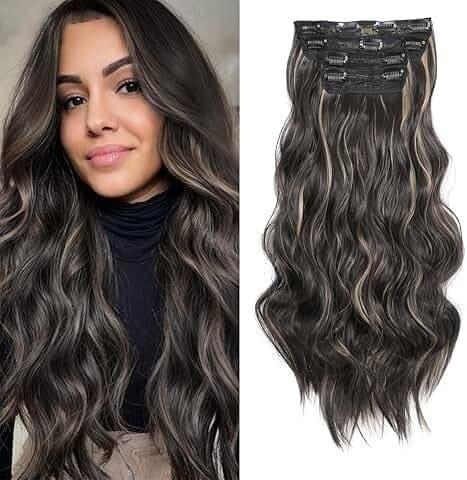
how to put long hair up for a wig - step-by-step guide to pin, braid and secure long hair under a wig for a natural finish
:Time:2025-11-26T01:20:17+00:00Click:Person
Practical guide: how to put long hair up for a wig without bulk and with a natural finish
If you have long hair and you're preparing to wear a wig, learning how to put long hair up for a wig correctly will make the difference between a smooth, natural silhouette and an uneasy, lumpy cap. This comprehensive step-by-step resource explains multiple techniques — from braids to buns to pinning strategies — to help you secure your long hair flat and comfortable under any wig. The tips below are organized for different hair lengths and textures, include tools and timing advice, and highlight pro secrets to make the wig look as realistic as possible.
Why proper hair preparation matters
Preparing your hair before placing a wig affects comfort, fit, and appearance. If long hair isn't laid flat, you may notice bumps that show through lace or a bulky area that shifts. Learning how to put long hair up for a wig means managing volume, protecting natural hair, and keeping the wig stable during wear. A good setup reduces friction, minimizes tangles, and helps preserve both your natural hair and the wig cap.
Essential tools and products
Wide-tooth comb or detangling brush
Elastic bands (no-metal preferred)
Flat bobby pins and long hairpins
Hair net or wig cap (nylon/silk)
Silk or satin scarf to smooth edges
Light-hold gel or edge control
Dry shampoo or light texturizer (optional)
Non-slip wig grips or tape for extra security
Keep all tools within reach to avoid interrupting the styling process. When you think about how to put long hair up for a wig, organization is half the success.
Prep: clean, detangle, and slightly moisturize
Start with clean hair. If you prefer to wash hair the night before, make sure it's thoroughly detangled. Lightly condition and rinse well — heavy conditioners can create slippery strands that won't stay when braided or pinned. If your hair is dry, apply a small amount of leave-in conditioner or a lightweight oil focusing on mid-lengths and ends. Avoid heavy products at the roots. Detangle gently with a wide-tooth comb from ends to roots to prevent breakage.
Step-by-step core methods
Method 1: Low braided bun (best for most long hair types)
Gather hair into a low ponytail at the nape of the neck. Use a soft elastic to secure it without creating excessive bulk.
Braid the ponytail tightly all the way to the ends and secure the braid with a small elastic.
Wrap the braided ponytail around the base to form a flat coil bun. Tuck the end under the coiled braid.
Use flat bobby pins to pin the braid securely against the scalp. Insert pins so the tension pulls the braid close to the head, not outward.
Place a hair net or wig cap over the bun, smoothing any flyaways under the cap. Optionally, wrap a silk scarf and smooth the edges for an ultra-flat finish.
This braided bun technique is a staple when learning how to put long hair up for a wig: it's low-profile, keeps length contained, and creates minimal bulk under most caps.
Method 2: Flat cornrows to the back (best for very thick or very long hair)
Section the hair into 4–6 vertical parts depending on thickness.
Braid each section tightly as a cornrow, keeping each braid close to the scalp and ending at the nape.
Gather the ends of the cornrows into a single braid or twist and coil into a flat bun.
Secure with sturdy pins and cover with a wig cap that holds each braid in place.
Cornrows reduce bulk and are ideal for longer or textured hair that resists lying flat. This method is favored in professional wig application and answers many queries about how to put long hair up for a wig when volume is the main issue.
Method 3: Two braids and flat tuck (fast and low-profile)
Part hair down the middle and create two tight braids running back from temples to nape.
Join the braid ends, wrap them into a single flat coil, and pin securely.
Apply a wig cap and smooth any edges with gel or a silk scarf.
This split-braid technique is great for hair that’s easier to control in two sections and it minimizes pressure points under the wig.
Method 4: The wrap-and-pin method (gentle on fragile hair)
Gather hair into a low, loose ponytail. Do not pull tightly if hair is fragile.
Wrap the ponytail around the base to create a flat roll, tucking ends inside the roll.
Secure with long hairpins that anchor through multiple layers for stability.
Cover with a soft wig cap; smooth with a silk scarf for 2–3 minutes to set.
This technique avoids intensive pulling and is excellent when learning careful ways to put long hair up for a wig while protecting delicate strands.
Advanced tips for a realistic hairline and secure fit
Once your hair is contained, attention to the wig base and hairline makes a big visual difference. Use these pro tips when sealing things together:
Lay edges: Use a tiny amount of edge control or gel to smooth baby hairs and edges before applying the wig cap. This helps the lace sit flush.
Use a stocking cap: A thin nylon stocking cap over the braided bun helps flatten the surface even more and prevents slippage.
Non-slip wig grip: A silicone wig band or foam grip keeps the wig stationary without adhesives.
Tape or glue: For lace fronts, skin-safe tape or adhesive can secure the lace. Apply only if comfortable and follow product instructions.
Check symmetry: Use a mirror or handheld mirror to inspect sides and back — symmetry helps the wig lie naturally.
Special considerations by hair type
Curly or coily hair
For textured hair, braiding into cornrows or two-strand twists before forming the final bun gives the flattest result. Use a small amount of leave-in to prevent frizz, and always wrap with a satin scarf to set the pattern.
Straight, fine hair
Fine hair can be slippery so use texturizing powder or dry shampoo at the roots to increase grip. Tight braids and a hair net will keep the style flat and secure.
Very thick, long hair
Divide into more sections for braiding to distribute bulk evenly. Try thinner braids coiled in overlapping layers to avoid one large knot pushing up the wig cap.
Common mistakes and how to avoid them
Too many products at roots: This causes slipping. Use light products and focus heavier oils on ends only.
Loose braids or buns: They create lumps. Tighten braids and pin closely to the scalp.
Skipping a wig cap: Without a cap, hair moves and causes shifting. Always use a cap for long hair under a wig.
Applying the wig haphazardly: Take time to align hairline and secure straps or grip for a snug fit.
Fixing these common errors will help anyone wondering how to put long hair up for a wig achieve a professional result.
Maintenance and overnight care
When removing a wig, gently peel it back from the front and lift it off to avoid snagging any pinned hair. To preserve your underlying hairstyle, wrap a silk or satin scarf around the head at night. If you sleep without the wig, use a silk pillowcase to minimize friction. Re-tighten any loose pins the next morning and touch up edges with a small amount of product.
How long does the setup usually take?
Expect a basic braided bun or two-braid tuck to take 10–20 minutes once you know the steps. More complex cornrowing or thick hair solutions may take 30–60 minutes. Practice reduces time considerably and makes the process smoother if you frequently wear wigs.
Pro styling hacks
Use clear elastics for less visible bands under lighter wigs.
Pin in an X pattern to ensure pins lock into the cap and hair for longer hold.
For lace fronts, use a thin edge of medical tape along the perimeter of the wig cap for extra adhesion.
Keep a spare set of pins and a travel-sized scarf in your wig kit for touch-ups.
Summary: key steps to remember
Consistently successful results come from three simple priorities: flatten the hair, secure it tightly and protect the hair under a cap. Whether you braid, bun, or pin, the goal remains the same: a smooth base for your wig. Revisit these methods any time you need to refresh your approach to how to put long hair up for a wig.
FAQ
Q: Can I put a wig on without braiding if I have very long hair? A: Yes — you can create a flat roll or tuck the hair into a low ponytail and wrap it tightly. However, braids generally offer the flattest, most reliable base for very long hair.
Q: Will braiding damage my hair? A: When done not-too-tight and with nourishing care afterwards, braids are safe. Avoid excessive tension and remove pins gently to prevent breakage.
Q: What if my wig still feels bulky at the crown? A: Re-check the bun and use a thin nylon cap for extra flattening. You may need to redo the braid tighter or redistribute the coil in thinner layers.
By applying these steps, techniques, and troubleshooting tips, you can master how to put long hair up for a wig so that your wig looks natural, fits securely, and feels comfortable all day. Experiment with the methods above to find the one that suits your hair type and wig style best, and remember: practice makes perfect.