
How to Put a Wig on with Long Hair Step by Step Guide for a Natural Secure Fit

how to put a wig on with long hair: Practical Steps for a Natural, Secure Fit
If you have long hair and are learning methods to ease into wearing wigs comfortably, this comprehensive walk-through is written to help you understand detailed techniques, maintain hair health, and achieve a natural hairline. Many people search for how to put a wig on with long hair, and this piece collects professional tips, do-it-yourself adjustments, and troubleshooting strategies so your wig looks seamless and feels secure all day long.
Why technique matters for long hair wearers
Long hair requires considered preparation to avoid bulk, bumps, or discomfort beneath the wig cap. Whether you wear wigs daily or occasionally, knowing the right way to arrange and secure the natural hair helps you avoid slippage, visible lines, and tension that can cause breakage. This guide emphasizes safe, repeatable techniques that minimize friction and protect your natural strands while delivering the look you want.
What you'll need
- Wig (lace front, full lace, or basic cap depending on preference)
- Two or three soft hair ties or elastic bands
- Bobby pins or U-pins with smooth edges
- Breathable wig cap(s) sized for your head
- Styling brush or wide-tooth comb
- Setting clips or duckbill clips
- Optional: wig grip band, double-sided wig tape or adhesive, edge control gel
Choose the right materials
Selecting a lightweight, breathable wig cap is vital. For long hair, low-profile caps work better because they reduce added height; if you have a lot of length, a cap with a stretch panel can compress hair more evenly. Use gentle elastic bands rather than tight rubber bands to prevent breakage when securing long hair into place. For sensitive scalps, a soft cotton cap is ideal. If you plan to use adhesives for lace front wigs, keep an alcohol-free adhesive remover on hand to preserve hair and skin integrity.
Step-by-step preparation
- Detangle and moisturize: Start with smooth, detangled hair. Use a detangling spray or a leave-in conditioner to ease knotting. Dry or slightly damp hair works best for manipulation — totally wet hair can be heavy and difficult to flatten.
- Create flat sections: For how to put a wig on with long hair successfully, section your hair into two main zones: crown and nape. Clip the crown away using duckbill clips while you smooth and braid the lower section.
- Braid or twist: Long hair is easiest to compress via multiple flat braids, two large braids, or flat twists that follow the contour of the scalp. For the smoothest silhouette, do small cornrows or three to six flat braids depending on hair thickness.
- Secure ends: Use soft elastic bands to loop the ends of the braids or twists. Tuck the ends under the braids and secure with bobby pins, creating a low-profile base. Avoid knots that push the cap up.
- Apply a wig cap: Put on a breathable wig cap, pulling it from front to back. Smooth it so there are no bumps — if you feel any lifted sections, remove and adjust the braids or redistribute hair. If you have very thick long hair, you may need two caps: a nylon cap underneath and a cotton cap on top to ease bulk and reduce sliding.
Putting the wig on
With your foundation prepared, position the wig correctly for best results. Many people wonder specifically how to put a wig on with long hair without creating a bulky crown; the trick is even distribution and careful tucking.
- Align the front: Hold the wig by the ear tabs and lean slightly forward. Place the front of the wig at your natural hairline, aligning the part and lace front where you want it. The lace or front band should sit flush with your forehead but not press painfully.
- Pull over smoothly: Ease the wig back over your head and align the nape. Smooth your fingers around the sides to check for bumps. If the wig feels lopsided, remove and reposition rather than tugging the hair out of place.
- Secure the wig: Use adjustable straps inside the cap for a snug fit. For additional hold, add bobby pins through the wig cap into the braids beneath at key anchor points: near the temples, behind the ears, and at the nape. If you need extreme hold, consider medical-grade tape or a light adhesive, but always test on a small area of skin first.
- Blend edges: If you are wearing a lace front, trim lace carefully after making sure the fit is correct. Use concealer or foundation along the lace edge for seamless blending, and apply edge gel to tame baby hairs or natural edges so they frame the wig naturally.
Advanced flattening techniques for very long or thick hair
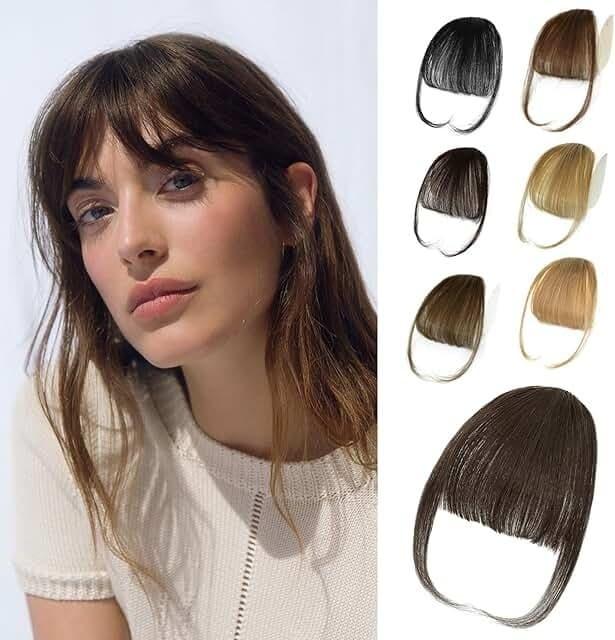
Sometimes simple braids won't reduce the bulk adequately. Consider these options to create a perfectly low-profile shape: create a flattened bun underneath by coiling the braid into a flat pancake bun and securing with pins; use a wig liner or soft foam cap to distribute volume; or create a low, tight French braid that you then flatten with pins across the nape for an ultra-slim base. These techniques are particularly effective for lace front wigs where the cap must sit flush against the scalp.
Securing options compared
- Wig grips: Comfortable, reduces slipping without adhesives.
- Bobby pins/U-pins: Reliable anchors when placed through the cap into the underlying braids.
- Double-sided tape/adhesive: Best for long wear or windy conditions, but must be used correctly to avoid scalp irritation.
Customizing the hairline
For the most realistic effect, you may want to pluck a few strands from the lace front or apply baby hairs. When learning how to put a wig on with long hair, remember that a soft, slightly irregular hairline looks more natural than a perfectly uniform edge. Use a small toothbrush and edge control gel to lay baby hairs and blend the lace with your natural skin tone using a light foundation or powder.
Styling considerations for the finished look
Style the wig after it is secured — heat styling should be applied only to heat-friendly fibers. If you want volume at the crown without adding bulk underneath, use root-lifting techniques within the wig only; do not try to add uplift by bunching your real hair, as this creates an unnatural dome. For long-haired wearers who want to integrate their natural length with a wig for a hybrid look, ensure that visible natural hair is color-matched and carefully blended at the part and hairline.
Daily maintenance and hair health
Rotate wigs to avoid constant tension on the same areas of your scalp. Nighttime care includes gently removing the wig and placing it on a stand, and if you sleep with a wig for medical reasons, use a silk or satin cap beneath the wig to reduce friction. Keep scalp and natural hair moisturized, especially under caps, to prevent dryness or irritation. If you use adhesives, cleanse the skin thoroughly to remove residue and give your scalp a break between wears.
Troubleshooting common problems
Bumps or lumps under the cap
Re-braid and reposition hair, remove the cap, and check for trapped sections. Smooth the wig cap and try again, or use a thinner cap for a sleeker fit.
Wig slips forward
Use a wig grip, secure bobby pins, or consider light adhesive along the frontal lace. Also ensure the adjustable straps are snug and the wig size is appropriate.
Visible lace or unnatural edge
Trim lace carefully, use skin-tone concealer along the lace, and style baby hairs to disguise the transition.
Tips from professionals
- Practice at home several times to master placement and speed.
- Invest in a quality wig cap and a few good bobby pins; cheap pins bend and slip.
- Mark your natural hairline lightly with a washable pencil so you can align lace precisely.
- Use minimal adhesive on healthy skin and follow product instructions to avoid irritation.
- For long hair that you want to show, blend lengths within the wig rather than simply letting natural hair peek out — this prevents a two-tier look.
Eco- and hair-friendly suggestions
Choose breathable materials and avoid daily adhesives that can dry and damage the scalp. Alternate between glued and non-glue wear days, and condition natural hair regularly. For added protection, wear a satin scarf inside the cap at night or during long-term wear to minimize friction.
Checklist before leaving home
- Check cap fit and adjust inner straps.
- Secure at least three anchor points with pins.
- Blend hairline and check under different lights.
- Bring a small edge control and a few spare pins for quick fixes.
Learning how to put a wig on with long hair is a stepwise process: prepare the base, compress the length safely, place and align the wig, secure with appropriate anchors, and finally refine the hairline for naturalism. With practice, these actions become fast and reliable, giving you confidence and comfort whether the goal is daily wear, an occasion look, or a medical necessity.
Common mistakes to avoid
- Skipping the detangling step — leads to lumps and uneven tension.
- Using tight elastics that cause breakage at the base of the braid or ponytail.
- Rushing lace trimming — always dry fit first, then trim carefully.
- Over-applying adhesives — thicker application doesn't equal more hold and can harm skin.
When to see a pro
If you experience persistent irritation, difficulty achieving a natural hairline, or want a custom-shaped wig base, professional wig stylists can perform fittings, ventilate lace, and create personalized solutions that will improve comfort and aesthetics. They can also teach you how to maintain long natural hair health under frequent wig wear.
Final practical tips
Pack a small emergency kit in your bag: a few bobby pins, a mini comb, and a small tube of edge gel. For quick touch-ups, a compact mirror and a lightweight scarf can help you retie and flatten hair on the go. Remember that patience and small adjustments yield the best results; the question of how to put a wig on with long hair is best answered by iterative practice and incremental improvements to your routine.
FAQ
Q: What's the best braid type to minimize bulk for long hair under a wig?
A: Small to medium-sized flat cornrows or well-defined flat twists that lie close to the scalp are ideal. They distribute hair evenly and reduce localized lumps. For very thick hair, consider multiple smaller braids rather than two large ones.
Q: Can I wear a wig without cutting or drastically changing my long hair?
A: Yes. Long hair can be braided, twisted, and tucked to create a low-profile base. Use soft elastics and pins to avoid cutting. If you're unsure, a stylist can show non-invasive methods to flatten length for comfortable wear.
Q: How do I prevent my wig from slipping when I have a lot of hair?
A: Ensure a snug fit via internal straps, use a wig grip or band, anchor the wig with pins into the braids beneath, and consider light tape or adhesive for longer wear. Choose a cap that matches your head size and maintain the integrity of the anchor points.
Q: Is adhesive safe for frequent wear?
A: Adhesives can be safe if chosen for skin sensitivity, used occasionally, and removed properly with a remover. Alternate adhesive days with non-adhesive days to allow your scalp to breathe, and patch-test new products before full application.
Related products
Blog
- how to make synthetic wigs less frizzy with 8 pro fixes for silky natural-looking hair
- what is frontal wig explained - the ultimate guide to frontal wig types installation and care
- does heather on young and the restless wear a wig? Expert look at hairstyles, wig rumors and on set styling
- how much lace to cut off wig - 5 expert tips to trim for a flawless natural hairline
- how to prep hair for wig - 8 salon-tested steps to protect your scalp, secure your lace and achieve a natural look
- does diana ross wear a wig the truth about her legendary hairstyles and stage looks
- how to wear a wig cap with long hair step by step tips for a secure, natural fit and tangle free prep
- where did wigs come from Discover the surprising origins and evolution of wigs from ancient Egypt to modern fashion