
how to lace front wig — Practical step-by-step approach for a natural, secure finish
This in-depth guide explains in plain English the most reliable methods and pro tips for achieving a realistic, long-lasting look when you learn how to lace front wig correctly at home. Whether you're new to wigs or refining a technique, the sections below are organized to help you plan, prepare, and execute each stage of the process so your lace front appears seamless and secure.
Why focus on how to lace front wig properly?
The way you attach and customize lace front pieces determines how natural the hairline looks, how comfortable the install feels, and how long the styling lasts. Professionals spend years mastering small details — cutting lace, tinting, knot treatment, adhesive application, and hairline customization — all of which combine to elevate a basic install into a polished finish. This article keeps the focus on practical, replicable steps any dedicated home stylist can follow.
Overview of tools and supplies
Before starting, assemble the essentials. Having everything ready reduces stress and improves results. Typical supplies include:
- lace front wig (pre-plucked or full density)
- wig cap that matches your skin tone
- wig stand or mannequin head with a clamp
- rat-tail comb and wide-tooth comb
- sharp small scissors for lace trimming
- curling iron/flat iron for styling heat-friendly units
- isopropyl alcohol and cotton pads
- adhesives: wig glue or lace tape (and remover)
- edge control, mousse, and a small toothbrush or baby brush
- concealer or foundation to match your scalp (and powder)
- needle and thread if sewing is preferred (optional)
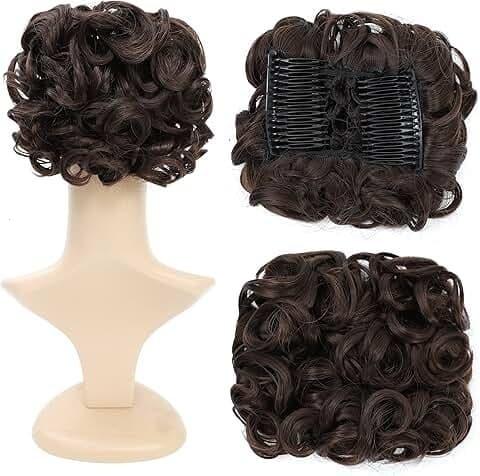
Pro tip:
Invest in a good mannequin head clamp; having a wig on a stable stand makes the customization phase far easier.
Step-by-step workflow: how to lace front wig like a pro
- Preparation and matching: Start by matching the lace color to your skin tone. If the lace is too light, a quick, thin coat of lace tint spray or makeup on the underside will make the knots less visible. Many pros use a combination of concealer and pressed powder applied sparingly on the lace base for a balanced, natural scalp reflection.
- Protect and prep your natural hair: Braid your natural hair into flat cornrows or wrap it flat. Wear a wig cap that closely matches your skin shade. Make sure the cap is smooth and lies flat without wrinkles — this prevents bumps showing through the wig and ensures a smooth bond when using adhesive.
- Customize the hairline: One of the biggest differences between amateur and pro installs is how the hairline is shaped. Lightly pluck hairs from the perimeter of the lace to reduce uniform density; mimic natural growth by removing small clusters rather than pulling single hairs in a rigid pattern. Use thinning shears or small scissors to snip tiny hairs into baby hair shapes, then lay them with edge control for realism.
- Cut the lace strategically: When cutting lace, follow the natural hairline of the wig rather than cutting one continuous straight line. Leave a small amount of lace (about 1/8" to 1/4") to allow for adhesive application and to prevent cutting too close to knots. Use small, curved scissors and make short snips for a feathered edge.
- Bleach knots with caution: If you want bleached knots for greater invisibility, do a test strand first. Mix bleach and developer carefully and apply only to the knot zones. Monitor under good light and rinse promptly to avoid weakening hair density. Note: excessive bleaching can damage hair and loosen knots; proceed conservatively or skip if lace already appears natural.
- Fit-check and marking: Place the wig on your head and align with your natural hairline. Mark the desired placement with a fabric chalk or a light liner on the wig cap. This is your reference for adhesive lines. Take photos from different angles to confirm symmetry.
- Clean the skin and apply adhesive: Use isopropyl alcohol on the hairline to remove oils. For long wear: apply a thin, even layer of high-quality wig glue along the skin where the lace will sit. Allow it to become tacky (follow manufacturer instructions) before pressing lace. For a gentler option: use double-sided lace tape. Press lace gently from center outward, smoothing with a flat tool or gloved fingers.
- Secure and melt the lace: After the lace is adhered, use a fine-tooth comb and a low-heat blow dryer to warm and set the bond. A silk scarf or wrap tied for 10-15 minutes improves adhesion and helps "melt" lace into the skin. If the lace still appears slightly visible, a light dusting of matching powder can blend it further.
- Create natural baby hairs and blending: Pull a few hairs from the front and trim into baby hairs. Use edge control and a small toothbrush to lay them in a realistic pattern. Avoid overdoing baby hairs; subtlety reads as natural. If the front appears too dense, backcomb slightly and use a light mist of styling spray to set.
- Style and finalize: Style the wig with heat tools as recommended by the manufacturer's hair type. Cut or trim bangs and layers on the mannequin head for better control — always cut conservatively and test in small increments. Finish with serum or oil meant for synthetic or human hair, then lightly spray to hold the style.

Alternative attachment methods
Not everyone wants or needs glue. Consider these options depending on comfort level and intended wear time:

- Sew-in with elastic band:
 Create a braided perimeter and sew the wig down using an elastic band method to achieve a snug, comfortable fit without adhesives. This is popular for long-term wear.
 - Wig clips/combs: Attach clips to secure the wig to your natural hair for quick application and removal.
- Adhesive-free silicone grips: New silicone-lined caps or grip bands provide a slip-free base and are ideal for active wearers.
Maintenance and daily care to protect your install
Longevity is about aftercare. Remove adhesives with the right solvent and avoid pulling lace roughly. Sleep on silk or satin and use low-tension hairstyles to reduce hairline stress. Wash and condition the wig according to material; for human hair units use sulfate-free shampoo and deep conditioning monthly. Regularly re-pluck and refresh baby hairs to keep the hairline natural.
Common mistakes to avoid
- cutting lace too close to knots — this causes shedding;
- over-bleaching knots — leads to thinning and visible damage;
- applying too much glue — makes lace stiff and unnatural;
- skipping skin prep — oils prevent a secure bond;
- neglecting to test fit — asymmetry is hard to correct once glued.
Checklist: quick reference for a pro-level install
Use this checklist on install day: clean skin, flat wig cap, trimmed and plucked hairline, test-bleached knots if desired, measured lace cut, tacky adhesive, warm-set with scarf, baby hairs styled, final powder blend. Reassess after 24 hours and make micro-adjustments.
Styling strategies to enhance realism
Layering, strategic parting, and density management are key. Create a soft side part or a deep side part to mimic natural hair growth patterns. Thin the lace area by hand over the ear-to-ear line for a transitional gradient. Use heat to add slight bends that reflect natural textures, and avoid ultra-flat, shiny finishes that can betray a wig's base.
How long should an install last?
Wear duration depends on adhesive choice and daily care. With high-quality glue and proper upkeep, an install can last 2-4 weeks. Tape may last 1-2 weeks. For prolonged wear, consider periodic re-application routines and professional removal and reinstallation every 4-6 weeks to minimize tension on your scalp.
Advanced customizations for experienced DIYers
Experienced stylists may opt for ventilating new knots, creating custom density maps, or ventilating baby hairs for ultra-realism. Sewing in a mesh base, adding a polyurethane perimeter, or tinting partings with low-heat sprays can replicate scalp depth. These techniques require practice — experiment on lower-cost units before applying to premium wigs.
How to lace front wig securely for active lifestyles
For athletes or outdoor wearers, choose waterproof or sweat-resistant adhesives, and reinforce high-movement areas (temples and nape) with extra tape strips. Use an undercap with grip and a snug elastic band sewn inside the perimeter to reduce shifting during vigorous activity.
Professional vs. home installs — what to expect
Home installs can reach salon quality with practice, especially when you master the small details covered here. However, complex transformations (hairline reconstruction, delicate bleaching, ventilated scalp effects) may benefit from a professional because they require specialized tools and experience to avoid irreversible damage.
Key takeaways
Learning how to lace front wig properly involves planning, gentle customization, careful adhesive application, and realistic hairline design. Prioritize subtlety: less is often more when plucking, bleaching, or shaping. Routine maintenance and correct removal will prolong both wig life and scalp health.
Resources and further learning
For continuous improvement, practice on inexpensive units, study professional tutorials that break down hand-ventilation and density mapping, and keep a log of what works for your face shape and skin tone. Over time you will refine a repeatable process that consistently delivers a believable hairline and comfortable fit.
FAQ
How long does it take to learn the basic technique?
With focused practice, a beginner can learn a reliable basic install in a few tries; expect several hours for your first attempt, then 30-90 minutes as you gain speed.
Can I bleach knots at home safely?
Yes, if you follow instructions precisely and do a strand test. Use minimal processing time and neutralize quickly; consider professional help for high-value wigs.
What adhesive should I use for sensitive skin?
Choose skin-friendly, hypoallergenic tapes or liquid adhesives formulated for sensitive skin, perform a patch test, and use a gentle remover to avoid irritation.
How often should I reapply or replace the wig?
Reapply adhesives as needed for wear duration; replace the wig based on wear, usually 6-12 months for heavy use or longer with light use and proper care.
If you're practicing how to lace front wig techniques for the first time, be patient and document each attempt — photos and notes help refine your method. With attention to detail and the right supplies, you can achieve a professional, natural-looking front lace install from the comfort of your home.