
how to fix a wig that's too big with 8 easy DIY adjustments to make it fit perfectly
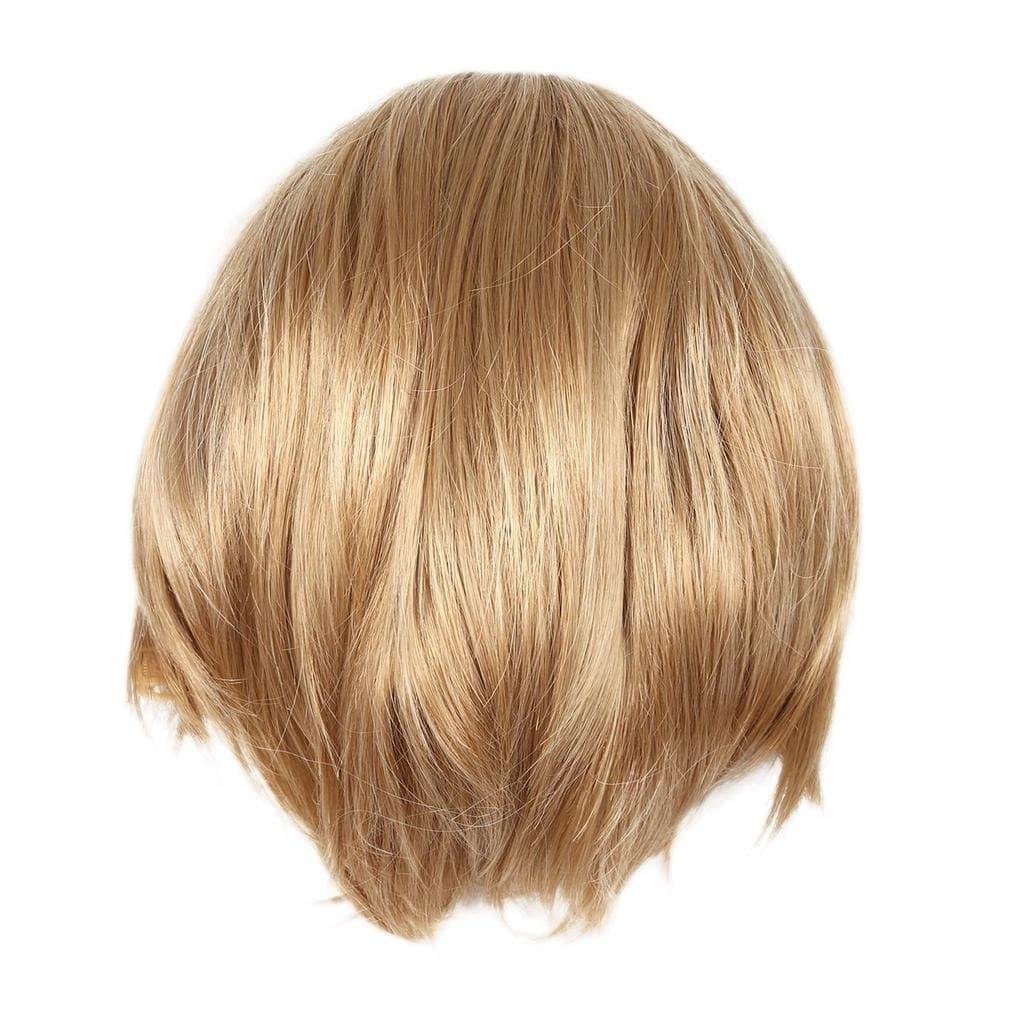
Practical Guide: Make Your Wig Fit Like a Glove
If you've ever asked how to fix a wig that's too big, you're not alone—many wig wearers struggle with caps that slide, gaps at the temples, or a constantly shifting hairline. This comprehensive, search-optimized guide explains eight easy DIY adjustments, step-by-step tips, and maintenance advice so you can adjust your wig at home and achieve a secure, comfortable fit without expensive salon visits. Throughout this article you'll find practical solutions that address different wig types, cap constructions, and personal comfort preferences, and you'll see the primary phrase how to fix a wig that's too big naturally repeated and highlighted to help both users and search engines recognize the focus of the content.
Why the right fit matters
Getting the correct fit is essential for comfort, realism, and confidence. A loose wig can look unnatural, reveal your natural hairline, or cause friction and irritation. Before you start, assess the wig size and cap type: is it a standard cap, an adjustable cap, a lace front, a monofilament top, or a custom construction? Knowing the cap type helps you pick the best fix when considering how to fix a wig that's too big because not every method works for every cap.
Tools and materials you'll likely need
- Elastic bands or wig elastic (1/4" to 1/2" wide)
- Sewing needle and thread or a small sewing kit
- Wig clips, combs, or silicone grips
- Wig tape or medical-grade double-sided tape
- Velcro strips (soft loop and hook)
- Foam wig inserts or adjustable wig pads
- Heat-safe tape or adhesive for lace wigs (if applicable)
- Scissors and fabric glue
Safety note
Some fixes involve adhesives or slight modifications to the cap. If you're working with expensive or delicate pieces like lace-front wigs or monofilament tops, test adhesives on a hidden area and proceed cautiously. When deciding how to fix a wig that's too big, always prioritize reversible solutions first so you can adjust without permanently altering the wig.
8 Easy DIY adjustments to make a wig fit perfectly
1. Use adjustable elastic or wig banding
One of the simplest and most effective solutions for how to fix a wig that's too big is adding an adjustable elastic strip across the back of the cap. Many ready-to-wear wigs already have hook-and-eye style straps; if yours doesn't, sew a 1/2" elastic band from ear-to-ear at the inner nape seam, or install a wig band that wraps around your head. For lace front wigs, attach the elastic to the inside of the cap's ear tabs using a few hand stitches or snap-in closures. The elastic pulls the cap closer to your head and reduces movement. Make the elastic slightly tight—but not restrictive—to maintain circulation and comfort.
2. Sew in wig clips for anchored placement
Adding wig clips is a non-destructive method to address how to fix a wig that's too big. Sew small, lightweight wig clips into the inner perimeter of the cap—two at the front near the temples and two at the nape provide excellent stability. Use metal or snap clips designed for wigs, and ensure the stitchwork is secure but tidy. Wig clips anchor to your natural hair and keep the cap in place during activity.
3. Add foam or silicone wig grips for friction
For a quick, cut-and-place answer to how to fix a wig that's too big, try foam pads or a silicone wig grip band. Foam inserts can be placed at the nape, crown, or temples to fill small gaps and create a snug fit. A silicone band worn under the wig adds friction and prevents slipping without adhesives. These options are ideal when you need a temporary or reversible solution.
4. Use wig tape or medical-grade adhesive
When you need a secure, long-lasting answer to how to fix a wig that's too big, wig tape or medical adhesive can bond the lace or hairline to your skin. Clean and dry the skin before application, and use small pieces of double-sided tape along the temple and hairline. For lace front wigs, a thin layer of adhesive applied to the skin and allowed to set tacky before placing the lace can give a seamless, glued-down look. Always follow product instructions and remove adhesives gently with a proper adhesive remover to avoid skin irritation.
5. Install a back strap or drawstring
If your wig has an internal channel at the nape, thread a drawstring or thin elastic through to create an adjustable back strap. Pull the drawstring to tighten and knot or use a small toggle to lock it in place. This method is a discreet and adjustable fix for how to fix a wig that's too big and works well for both synthetic and human-hair caps. Make sure the toggle or knot is padded or placed where it won't press against the neck uncomfortably.
6. Add interior padding or sewn-in cups
Sew small, curved fabric or foam pads into the cap where there are gaps—commonly at the temples or crown. This interior padding helps the wig conform to your scalp shape and is especially useful if you have a rounder or smaller head shape than average. Padding is a subtle, breathable solution when considering how to fix a wig that's too big, and it keeps the external appearance smooth.
7. Use Velcro tabs to customize fit
Velcro tabs provide a versatile and removable approach to how to fix a wig that's too big. Attach small strips of hook-and-loop fasteners to the inside of the cap and the corresponding spots on a cloth or foam liner. This lets you adjust fit, move the tabs as needed, and remove them without sewing. Velcro is particularly useful for people who switch wigs frequently and need quick, tool-free adjustments.
8. Trim or reshape the wig cap (advanced)
If you're comfortable with light alterations, reshaping sections of the cap or trimming excess material can help address persistent looseness. This method is advanced because it’s permanent; only proceed if you're confident or doing it on a lower-cost wig. Focus on small changes, test the fit repeatedly, and avoid cutting structural seams. For those asking how to fix a wig that's too big and wanting a custom look, consult a professional if you're unsure.

Troubleshooting: common problems and fixes
- Persistent sliding despite elastic: Add wig clips at the temples and nape for additional anchoring.
- Hairline gapping with lace fronts: Use thinner tape or a light adhesive along the hairline, and press firmly for a seamless bond.
- Discomfort at the nape after adding pads: Reposition pads slightly higher or use a soft fabric layer between the pad and skin.
- Sweating or irritation: Choose breathable foam or silicone products and rotate between adhesives and non-adhesive options to give skin a break.

Step-by-step example: installing elastic for a custom fit
- Turn the wig inside out and locate the center back seam.
- Cut a length of elastic that will reach ear-to-ear comfortably across the back when slightly stretched.
- Sew the elastic ends to the cap at the inner seams on each side using small, tight stitches; use a thread color that matches the cap.
- Try the wig on and adjust the tension—re-sew if you need it tighter or looser.
- For extra security, add small zigzag stitches to reinforce the elastic attachment.
Maintenance and long-term care
Once you've solved how to fix a wig that's too big, maintain the fit by storing the wig on a proper stand, avoiding high heat exposure that can relax elastic, and replacing wig bands or tape periodically. Regularly inspect sewn-in solutions and re-stitch if thread shows wear. For adhesive solutions, clean residual glue after each use to prevent buildup and skin irritation.
Choosing the right solution for your lifestyle
Not every fix suits every wearer. If you wear wigs for daily use or active lifestyles, prioritize mechanical anchors like elastic bands or sewn-in clips. For special events where appearance is paramount, adhesives or tape offer a glued-down, natural look. Temporary solutions—such as silicone grips or foam inserts—are ideal for renters or those who need reversibility. When deciding how to fix a wig that's too big, factor in comfort, skin sensitivity, activity level, and wig value.
Cost and accessibility
Many of these fixes are inexpensive: elastic, wig clips, and foam inserts are low-cost and available at beauty supply stores or online marketplaces. High-performance adhesives and medical-grade tapes are pricier but offer long-lasting hold. If budget is a concern, start with reversible fixes like grips and padding, then invest in more permanent options if necessary.
When to seek professional help
Consult a professional wig stylist if you have a high-value human-hair wig, complex cap construction, or if DIY attempts fail. A stylist can resize caps, replace inner linings, and recommend professional-grade adhesives or custom sizing. Professional reshaping ensures structural integrity and preserves warranty coverage in some cases.
Quick tips and hacks
- Keep a small kit with spare wig clips, tape, and a needle and thread for on-the-go fixes.
- Label storage boxes with cap size and any modifications to remember what you've customized.
- Use clear, medical-grade tape for sensitive skin to reduce allergic reactions.
- Test new adhesives on a small patch of skin 24 hours before full application.
SEO-friendly summary for users searching how to fix a wig that's too big
In short, there are multiple ways to address a wig that's loose: adding elastic or drawstrings, sewing in clips, using foam or silicone grips, applying wig tape or adhesives, installing Velcro, and adding padding. Each approach answers the common query of how to fix a wig that's too big with varying degrees of permanence, security, and comfort. Evaluate your wig type and personal needs, start with reversible methods, and escalate to permanent solutions only when necessary.
Real-world examples and success stories
Many wig wearers report that a combination of a sewn-in elastic and two front wig clips solved their slipping issues during workouts. Others prefer a silicone wig grip and light tape around the hairline for a balance of comfort and security. For lace-front users, a thin layer of adhesive coupled with interior padding at the temples delivered the most natural, non-bulky fit. These examples underline the importance of mixing solutions: no single answer fits everyone asking how to fix a wig that's too big.
Checklist before you start
- Identify cap type (standard, adjustable, lace front, monofilament).
- Gather materials and test skin sensitivity to adhesives.
- Start with reversible fixes to preserve the wig.
- Try the wig with different adjustments and document what works.
Final considerations
Addressing how to fix a wig that's too big is a process of trial, observation, and small adjustments. Prioritize comfort, avoid irreversible changes unless necessary, and maintain your wig regularly to preserve fit. With the eight DIY methods described—elastic, clips, padding, tape, drawstrings, Velcro, foam inserts, and careful reshaping—you can find a solution that fits your head, lifestyle, and aesthetic goals.
If you're ready to take action, pick one reversible method first (like a wig band or foam pads), test it for a few days, and add other elements as needed. For high-value wigs or if you need a perfectly tailored result, professional resizing remains a reliable option.
how to fix a wig that's too bigRemember: small, thoughtful changes usually yield the best long-term fit and comfort.
We hope this optimized and thorough guide helps you confidently solve fit problems. Implement, iterate, and enjoy a secure, natural-looking wig.
FAQ
Q1: Can I make a wig smaller without sewing?
A1: Yes—use silicone wig grips, foam inserts, or adhesive tape for non-sewing solutions that reduce slack and prevent slipping.
Q2: Is it safe to glue a wig every day?
A2: Daily adhesive use may irritate skin; alternate days, use skin-safe products, and remove glue with an appropriate remover to minimize risk.
Q3: How do I choose between clips, elastic, and tape?
A3: Choose clips for secure mechanical anchoring, elastic for consistent tension across the cap, and tape for a seamless hairline—combine methods for best results.
Related products
Blog
- does billy crystal wear a wig Revealed by Photos and Experts Unpacking the Actor's Hair History
- Find wig glue near me - top local stores, honest reviews and quick buying tips
- how do you make your own wig - step by step DIY guide for beginners with creative tips and essential tools
- Answering when will you wear wigs with 12 occasions and practical styling tips
- what is a half wig — complete guide to styles, benefits and how to wear it
- hannah montana wig buying and styling guide to create the ultimate pop star look
- how to remove wig glue from hair - proven at-home methods and gentle expert tips
- where buy wigs online - Your Ultimate Shopper Guide to Styles Prices and Trusted Retailers