
how to braid hair for wig step-by-step guide to secure natural-looking styles for beginners
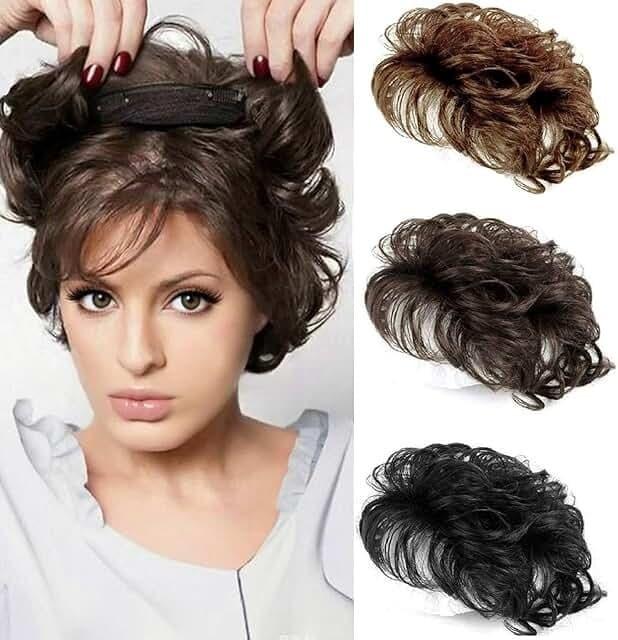
how to braid hair for wig — practical, step-by-step techniques for lifelike results
Creating a natural-looking wig often starts with the foundation: how you braid hair for wig cap construction or for sew-in installations. Whether you're a complete beginner or refining your craft, this comprehensive guide walks you through every stage from preparation to finishing touches while focusing on techniques that produce secure, realistic, and comfortable styles. The phrases how to braid hair for wig and variations are woven throughout this article to help you find targeted, actionable advice for your projects.
Why braiding matters when making or installing a wig
Braids serve multiple purposes in wig-making: they keep hair organized, create a stable base for attaching wefts, reduce bulk under lace fronts, and mimic the natural direction and density of hair growth. Knowing how to braid hair for wig correctly ensures the end style sits naturally, moves convincingly, and lasts longer.
Materials and tools you'll need
- High-quality hair bundles or synthetic hair (pre-stretched or unprocessed).
- Breathable wig cap (lace, mesh, or dome cap) or a mannequin head for custom wig construction.
- Rat-tail comb, wide-tooth comb, and sectioning clips.
- Elastic bands (small and clear), thread and curved needles for sewing, weft glue (if applicable).
- Edge control, mousse, or styling gel for smoothing flyaways.
- Scissors, hairpins, and heat tools if you plan to style after constructing.
- Measuring tape and marker for mapping partings on the cap.
Preparing hair and cap before braiding
Before demonstrating braiding techniques, prepare both hair and the base: cleanse and detangle the hair, condition as needed, and ensure strands are dry but manageable. For a wig cap, mark your guideline and parting layout: center part, side part, or custom contour lines mimicking natural hairlines. A well-prepped foundation makes learning how to braid hair for wig much easier.
Basic braiding types to master
Different braids serve different functions when making or wearing a wig. Learn these core braids and when to use them:
- Three-strand braid: The simplest and most commonly used braid. Ideal for bulk reduction and creating neat tracks under wigs.
- French braid: Adds a stitched, close-to-surface look that can be used for braided wig fronts or to hide sewing tracks.
- Dutch braid: An inverted braid that sits raised above the surface—useful when you want visible braid texture for bohemian styles.
- Cornrows: Tight, flat braids close to the scalp; perfect for durable wig foundations and natural-looking closures.
- Box braids & knotless braids: Provide volume and can be sewn into caps for braided wigs or used as a base for wavy styles.
Step-by-step: how to braid hair for wig construction (basic three-strand and cornrow foundation)
Follow these detailed steps to create a sturdy base suitable for both lace-front and full-cap wigs.
Step 1: Section the hair and mark the cap
Use a rat-tail comb to divide the cap or natural hair into sections. For a sew-in wig, horizontal or diagonal sections help keep the hair flat and manageable. If your goal is a lace-front wig with a natural hairline, create smaller sections near the perimeter and slightly larger ones toward the crown. Accurate sections are crucial in learning how to braid hair for wig with consistent results.
Step 2: Secure small bundles and begin braiding
Take a small amount of hair at the base of the section and split it into three equal strands. Braid tightly but not overly tight to avoid tension on the cap or scalp. For a cornrow or flat-braid look, angle your three-strand technique to feed small amounts of hair into the braid as you move forward, keeping the braid flat and close to the cap.
Step 3: Maintain consistent braid tension and size
Consistency is key for both appearance and fit. Use small elastics or thread to secure the ends; for sew-in construction, leave the tails slightly longer to accommodate sewing into the track.
Step 4: Creating a neat perimeter and hairline
Hairlines require the most attention. Use micro or tiny braids along the perimeter to reduce bulk under the lace. For added realism, create shorter, thinner braids that mimic baby hairs and natural growth patterns. This helps when you later attach a lace front or blend the wig with your own edges.
Advanced variations: knotless, invisible tracks, and integration techniques
To elevate your wig-making, learn these specialized methods that improve comfort and realism:
- Knotless braids: Start with a feed-in method, which eliminates the bulky knot at the base and yields a flatter, more natural finish—ideal for lace caps.
- Invisible tracks: Braid hair close to the weft and sew tracks flat against the cap for minimal visibility and reduced bulk.
- Hybrid approaches: Combine cornrows at the nape with looser three-strand patterns at the crown for natural movement.
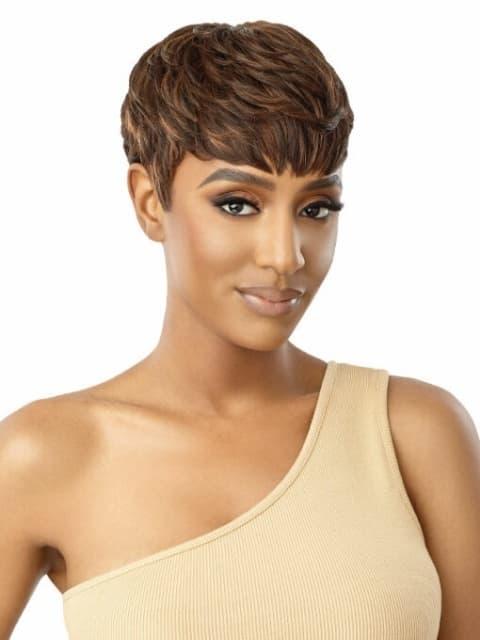
How to braid hair for wig that will be sewn versus glued
Depending on attachment method, your braiding approach may differ:
Sew-in wigs: Create flattened, consistent tracks that sit close to the cap—horizontal braids work well and allow for neat sewing.
Glue or adhesive-based wigs: Use small, lightweight braids and ensure the lace area is free of bulky braids; secure ends and trim any excess to prevent glue seepage and lumps.
Tips for a natural-looking scalp and parting
Small details make a big difference. Consider these finishing touches to improve realism after you braid:
- Bleached knot effect: Leave a small gap or thin layer over the parting to mimic scalp visibility, and if you’re sewing wefts, sew them slightly off the part to create depth.
- Using foundation powder or concealer along the part that matches skin tone for a believable scalp.
- Strategic thinning: Thin braids at the hairline so the lace lays flat without visible lumps.
- Natural direction: Braid in the direction natural hair would grow around the hairline—this subtlety significantly enhances realism.
Finishing and securing the wig
After braiding: sew the wefts onto the braids using a curved needle and color-matched thread in small, consistent stitches. When gluing, work in small sections and press the lace gently, using a dome-shaped object to smooth. Always test fit and adjust tension before final trimming. If using a lace front, ventilate or customize the hairline to match the desired density and baby hair patterns.
Maintenance: how to care for braided foundations under wigs
Even when hidden under a wig, the foundation needs care. Keep braids clean and moisturized using lightweight sprays. Avoid heavy products that can saturate the cap and loosen glue or cause itching. Inspect the base regularly—tension points or loose braids should be reinforced to extend the lifespan of the wig.
Common problems and how to troubleshoot them
Problem: Bulky lumps under the lace or frontal. Solution: Re-braid perimeter with smaller sections and use knotless feed-in methods. Problem: Wig shifts or gaps. Solution: Check braiding tension and re-sew tracks; reinforce with wig tape or discreet anchoring points. Problem: Unnatural parting. Solution: Reduce braid size along the part and use scalp-toned makeup or wig tape under the lace for a seamless blend.
Styling ideas and creative variations
Once the structural braiding is complete, you can style the wig just like regular hair: add waves or curls, color-match highlights, or create updos that show off the braided motif. For textured looks, mix braid sizes and directions for a handcrafted, artisanal finish. Always test heat settings on a small, hidden section before applying to the whole wig.
Checklist: quick reference for braiding success
- Section accurately and plan your parting.
- Choose braid size appropriate to cap and desired look.
- Keep consistent tension but avoid over-tightening.
- Secure ends neatly for sewing or gluing.
- Finish the hairline with micro braids or ventilated baby hairs.
- Use scalp-toned products to create a realistic part.
- Perform a final fit test and adjust before final attachment.
Pro tips to improve speed and quality
Practice on a mannequin head to build muscle memory for even sections and tension control. Use measured templates to plan symmetrical caps. Develop a system for feeding hair when doing knotless braids to reduce hand fatigue and keep braid thickness uniform. Document your process with photos so you can replicate preferred results later—this habit helps those learning how to braid hair for wig produce consistent, professional outcomes.
Checklist for supplies and timings

Allocate at least 2–4 hours for a full wig foundation depending on complexity—simple three-strand bases are faster while intricate knotless or micro-braid finishes take more time. Keep replacement elastics and a small sewing kit on hand for repairs.
How to braid hair for wig: quick step summary
- Cleanse and detangle hair; prepare the cap.
- Mark parts and section evenly.
- Choose braid type (three-strand, cornrow, knotless).
- Braid with consistent tension; secure ends.
- Sew or glue wefts as needed; customize the hairline.
- Finish with styling and scalp blending for a natural look.
Mastering how to braid hair for wig is a combination of technical skill, material choice, and attention to detail. With practice and the techniques above, you can create wigs that look and feel natural, are comfortable to wear, and stand up to daily styling. If you're making wigs professionally or for personal use, start simple, build confidence, and incorporate advanced methods like knotless braids and invisible tracks as you improve.
FAQ
- Q: How small should braids be for a natural-looking lace front?
A: For lace fronts, use micro or small braids around the perimeter—about 1/8 to 1/4 inch—so the lace lays flat and mimics the subtle density of a natural hairline. - Q: Can synthetic hair be braided for a wig base?
A: Yes, high-quality synthetic hair can be braided, but it behaves differently from human hair—use heat-resistant synthetics if you plan to style with heat, and expect less breathability and stretch. - Q: Is it better to sew or glue a wig onto braided foundation?
A: Sew-in attachments are generally more secure and long-lasting, while gluing offers quick application and a flatter finish. Choose based on wearer comfort, longevity needs, and skill level.
By focusing on fundamentals and embracing small details—sectioning, tension, hairline finishing—you'll learn how to braid hair for wig that looks convincingly natural and professional. Keep experimenting, document your favorite techniques, and adapt methods to different hair textures and cap types for the best results.
Related products
Blog
- does sabrina carpenter wear a wig Exploring the Truth Through Photos Stylists and Timeline
- how to make a synthetic wig look natural with 12 easy pro tips for salon-ready results
- do wigs damage your hair Discover 7 expert answers, prevention tips and best care routines
- Essential Tips on how to clean a wig synthetic Safely Easily and Without Damage
- what is a lace front wig explained with benefits installation and care tips for a natural look
- how wig buying guide and how wig styling tips for a flawless natural look
- What Does Wig Density Mean and How to Choose the Best Density for Natural Full-Looking Hair
- 2025 Ultimate Guide to et with wig - Step by Step Styling, Care and Natural Results