
how to make a synthetic wig look natural with 12 easy pro tips for salon-ready results
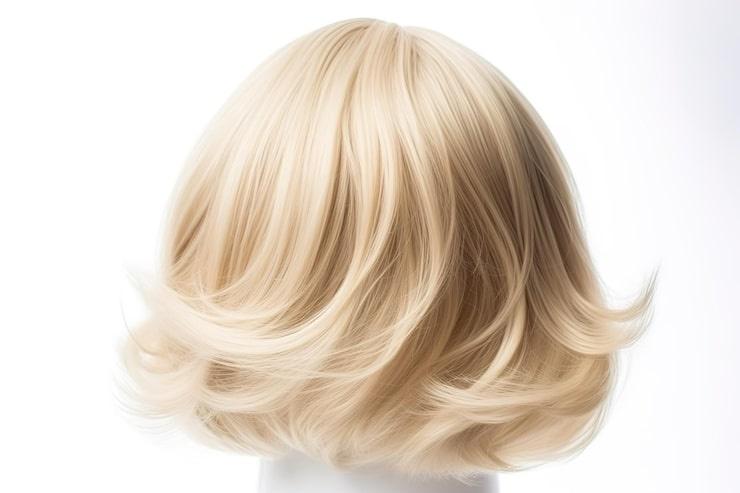
how to make a synthetic wig look natural — Professional guidance and 12 pro tips
If you've ever asked yourself how to make a synthetic wig look natural, you're in the right place. This comprehensive guide breaks down salon-ready strategies into simple, actionable steps, combining styling techniques, proper maintenance, and smart product choices. Whether you're new to wigs or a seasoned wearer, these proven approaches will help your synthetic pieces blend seamlessly with your style and give you a realistic, confidence-boosting finish. Below you'll find a structured plan, twelve professional tips, and troubleshooting notes to address common concerns.
Why focus on realism?
Realism matters because a well-styled wig doesn't just look good; it behaves like real hair. Achieving that requires attention to hairline detail, scalp illusion, movement, and texture. Good results come from a combination of cut, product, and technique. Throughout this article we'll frequently revisit the phrase how to make a synthetic wig look natural and related terms to reinforce practical steps and ensure you can find this content when searching for actionable advice.
Quick checklist before you start
- Pick the right cap size and style for your head.
- Choose a wig with a natural density and fiber quality.
- Gather tools: wide-tooth comb, heat-safe spray (if heat-friendly fibers), thinning shears, wig stand, pins, concealer powder, and a wig brush.
- Set up good lighting and a mirror at eye level.
12 Easy Pro Tips for Salon-Ready Results
Tip 1 — Customize the hairline
One of the fastest ways to upgrade realism is to soften the hairline. Carefully pluck a few fibers from the lace or the front hairline to create irregular spacing and break up any straight, dense line. Use a magnifying mirror for precision and remove only small amounts at a time. After plucking, apply a light touch of concealer or foundation at the base to mimic scalp color.
Tip 2 — Bleach the knots on lace fronts (with caution)
Bleaching knots can dramatically reduce the visible dark dots where hairs are tied on lace fronts. If you're comfortable, follow step-by-step tutorials and use a gentle bleach mix. Test with a small area first and avoid over-bleaching to maintain fiber integrity. This creates the illusion that hairs are growing directly from the scalp, which is crucial when considering how to make a synthetic wig look natural.
Tip 3 — Use a realistic part
Whether you choose a middle or side part, make sure the parting space is deep and realistic. Add scalp-like powder or foundation into the part to simulate a scalp. If the wig has a machine-made part, you can create a new hand-tied part by removing fibers and using a light adhesive to secure the new layout.
Tip 4 — Thin out the bulk
Many synthetic wigs come with excessive density that appears bulky. Take the wig to a stylist or use thinning shears yourself to remove weight, especially around the crown and the ends. Aim for gradual, feathered layers that mimic natural density and allow movement. Remember: lighter wigs look more realistic.
Tip 5 — Texturize for movement
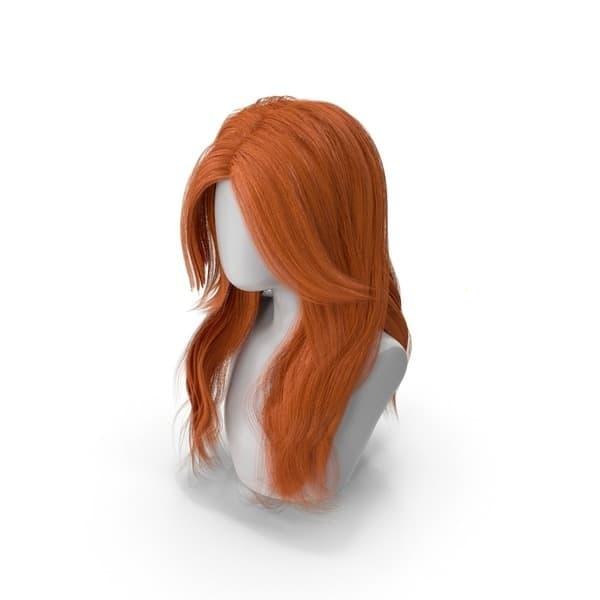
Real hair isn't uniformly glossy or perfectly smooth. Add texture by using texturizing spray designed for synthetic fibers, or create gentle waves and tousling. For heat-friendly synthetics, use the lowest safe temperature to re-style curls and waves. This approach enhances natural fall and reduces the 'wiggy' uniform look.
Tip 6 — Match scalp and hair color seamlessly
Color mismatch between the scalp base and your skin can make a wig obvious. Use makeup, concealer, or wig-specific powders in the part and along the hairline. For lace fronts, lightly tint the lace to match your complexion. Choose a shade that looks natural in varied lighting conditions.
Tip 7 — Secure and flatten the cap
A lifted cap or visible edges can give away a wig. Use wig tape, adhesives, or combs to secure the perimeter. If the cap looks bulky on top, place a thin silicone wig grip or a wig cap underneath to flatten hair and reduce visible bumps. Proper fit is a major factor when learning how to make a synthetic wig look natural.
Tip 8 — Create baby hairs and soften edges
Baby hairs mimic the natural short hairs along a real hairline. Carefully trim a few short strands and style them with a light gel or mousse to lay naturally. For lace fronts, gently pull small sections forward and secure them with a thin edge-control gel. Avoid overly perfect baby hairs; irregularity looks more authentic.
Tip 9 — Blend with your own hair and skin
If you have hair at the nape or sides, try to blend a few strands so the transition appears seamless. For partial wigs or toppers, tuck natural hair strategically to create a unified silhouette. Use color-correcting techniques (bronzer, translucent powder) at the hairline and part to blur the boundary.
Tip 10 — Mind the shine
Synthetic fibers often reflect light differently than human hair. Reduce unnatural shine by using dry shampoo, baby powder, or anti-shine sprays specifically for wigs. Apply sparingly and distribute evenly. Matte fibers and heat-friendly textured fibers can offer a more natural luster, so consider fiber selection when purchasing.
Tip 11 — Maintain fiber health
Longevity equals realism. Clean and condition your synthetic wig with low-temperature formulas and designated wig products. Regular gentle washing, proper drying on a stand, and minimal friction will prevent frizz and preserve the original fall and sheen. Store your wig on a stand or in a breathable bag to retain shape.
Tip 12 — Final professional finishing touches
Just like a salon finish, the last steps bring everything together: fine trimming to perfect shape, subtle layering to remove visual weight, and a final application of a light hold spray to tame stray strands. If possible, visit a stylist experienced with wigs for the very first fitting—pro adjustments can make a major difference in realism.
Tools and products recommended
- Wide-tooth comb and wig brush for gentle detangling.
- Heat-protectant spray for heat-friendly synthetic fibers.
- Texturizing spray or dry shampoo for sheen control.
- Concealer powder or scalp-like foundation for parting and hairline.
- Thinning shears and small scissors for precise customization.
- Lightweight gel or edge control for baby hairs.
- Lace tint or fabric dye for subtle color matching (use with caution).
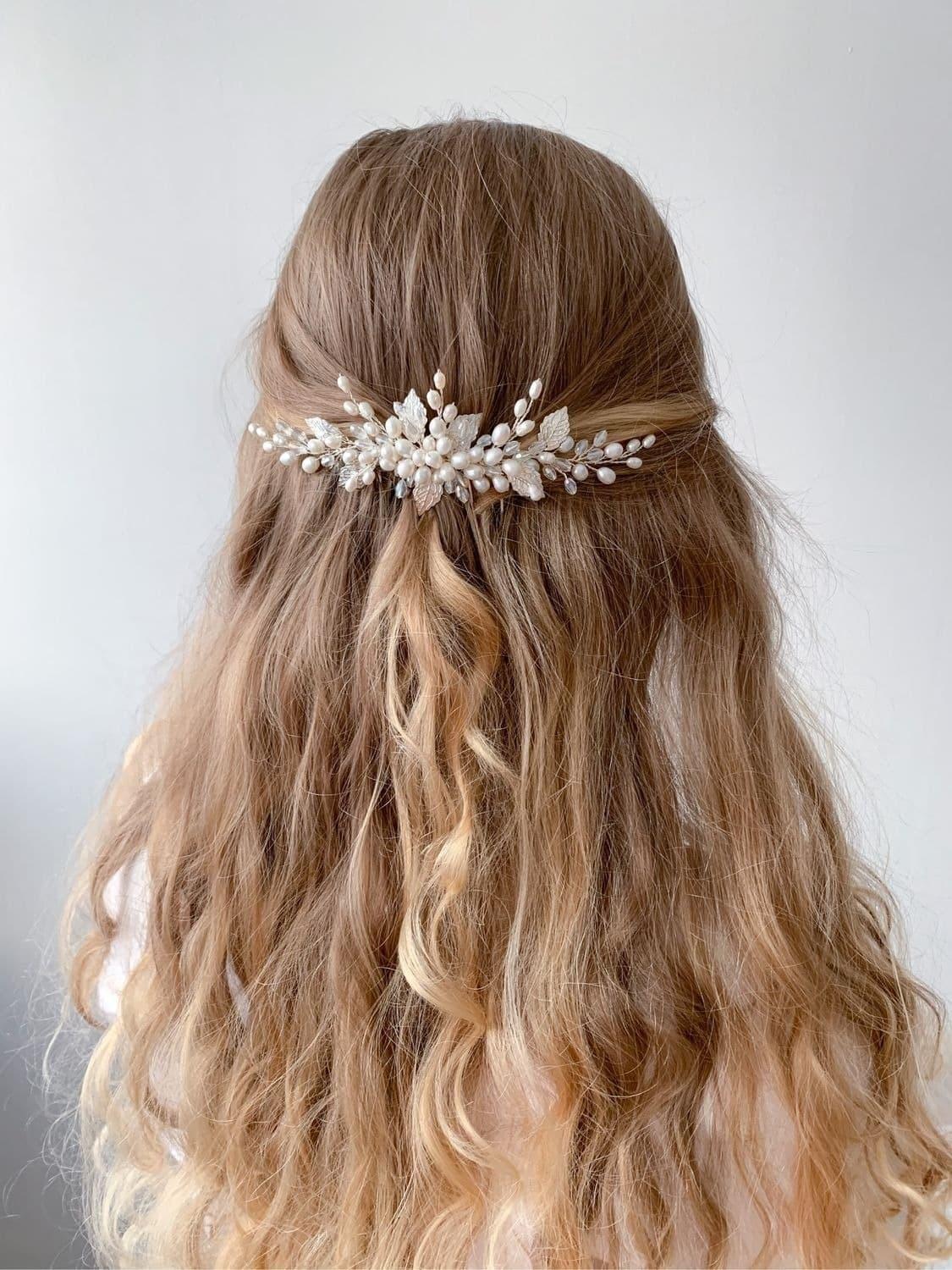
Step-by-step routine for a salon-ready look
1) Fit and secure: Place the wig on your head, align the front with your natural hairline, and secure it with clips or tape. 2) Customize the hairline and part: Subtly pluck and powder the part. 3) Thin and shape: Remove bulk and add long layers to create movement. 4) Texture and tone: Use texturizer and control shine. 5) Baby hairs and final blending: Craft a few short hairs and use makeup to match the part and hairline. 6) Final set: Apply light hold spray and check in varied lighting.
Advanced tips for stylists and power users
For those comfortable with advanced techniques: ventilate custom lace for denser areas, hand-tie new sections for a bespoke part, or integrate monofilament toppers to improve scalp realism. When performing color adjustments, prefer low-temperature airbrushes and fabric dyes made for synthetic materials.
Troubleshooting common issues
Wig looks too shiny
Use baby powder or matte dry shampoo working in small sections. Reapply only as needed, because over-application can dull too much.
Hairline looks fake
Soften the edge with plucking, baby hairs, and foundation. If a lace front still appears unnatural, tint the lace slightly or use a lace adhesive that matches your skin tone.
Cap is visible or slips
Check cap size and use grips, wig tape, or wig glue. A thin wig cap underneath can smooth natural hair lumps and stabilize the fit.
When to see a professional
If you're unsure about cutting, bleaching knots, or ventilating sections, schedule a professional wig fitting or service. A skilled wig stylist can perform delicate procedures safely and deliver a polished, long-lasting result.
How to shop for the most realistic synthetic wigs
When buying, prioritize fiber type (heat-friendly or high-grade synthetic), a lace front or monofilament top for realistic parting, and adjustable caps. Look for wigs with variable density and pre-plucked hairlines, and always read reviews that mention realism and movement. Try different styles in person when possible to observe how the fibers catch light and fall.
Environmental and wear considerations
Humidity, wind, and friction can change a wig's appearance. Carry a small touch-up kit: a brush, texturizing spray, a travel-size concealer powder, and a few pins. For travel, pack your wig on a collapsible stand or in a structured bag to protect its shape.
SEO-friendly summary
To recap, if you want practical answers to how to make a synthetic wig look natural, focus on hairline customization, realistic parting, reduced density, natural texture, matched scalp color, secure fit, and proper maintenance. Combining these elements will transform synthetic pieces from noticeably manufactured into believable, everyday wearable styles.
Additional resources and further reading
Consider consulting video tutorials by professional wig stylists, joining wig-enthusiast forums, and reading product reviews for texturizers and matte sprays formulated for synthetics. A few practice sessions will quickly build your confidence and skill in creating a natural finish.
Final encouragement
Transforming a synthetic wig into a natural-looking style is an art powered by technique. With patience and the 12 tips above, you can achieve salon-ready results that withstand close inspection and everyday wear. Keep experimenting, document what works for your specific wig, and refine your routine so that each application becomes easier and faster.
FAQ
Q2: How often should I wash a synthetic wig? A2: Wash after 6–12 wears or when it becomes noticeably dull or dirty; frequent washing can shorten lifespan so use gentle wig formulas.
Q3: Will plucking damage my lace front? A3: If done carefully in small amounts, plucking can improve realism without damage; over-plucking can create holes or weak spots, so proceed gently or consult a pro.
Q4: How do I reduce the shine on a synthetic wig? A4: Use dry shampoo, baby powder, or product formulated to reduce synthetic fiber shine sparingly and evenly to avoid dust build-up.
Every wig and individual is different, so adapt these recommendations for your unique needs and keep experimenting until you find the perfect combination that answers your search for how to make a synthetic wig look natural.
Related products
Blog
- is reba wearing a wig on the voice Uncovered with Photos, Fan Reactions and Expert Analysis
- How to Put Up Long Hair for a Wig Step by Step Guide to Secure Natural Looking Updos
- is nicole kidman wearing a wig in babygirl explained by stylists behind the scenes and photo evidence
- how to put on wig with long hair step-by-step guide for secure tangle-free styling
- Easy Steps for how to put hair under wig cap to keep hair flat and natural
- where do wigs originate from and how ancient traditions shaped modern wig styles
- Short Hair Wigs Guide - Best Styles, Care Tips and Top Picks for Every Face Shape 2025
- does letitia dean wear a wig Explore the truth about her EastEnders hair and styling secrets